

Industrial Sealing Failures? We Provide Comprehensive Solutions—From Material Selection and Prototyping to Custom Mass Production
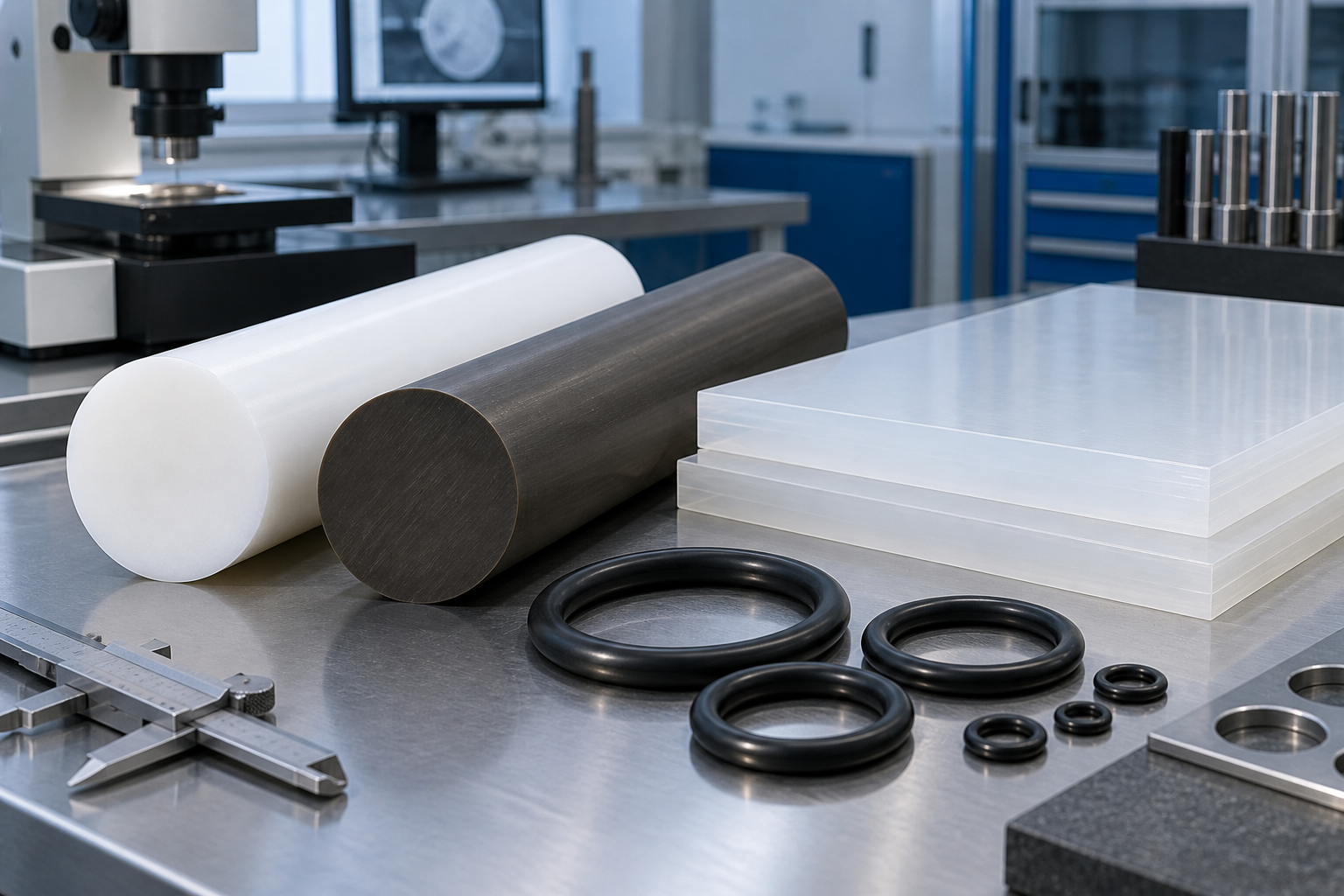
We supply PTFE, PCTFE, PEEK, PVDF, and FFKM sealing elements and engineering plastic parts. Please provide us with information on the medium, temperature, pressure, dimensions, and quantity, and we will assist with material selection, prototyping, custom machining based on drawings, and mass production evaluation.


Will your seals
Extreme Environment Failure
?
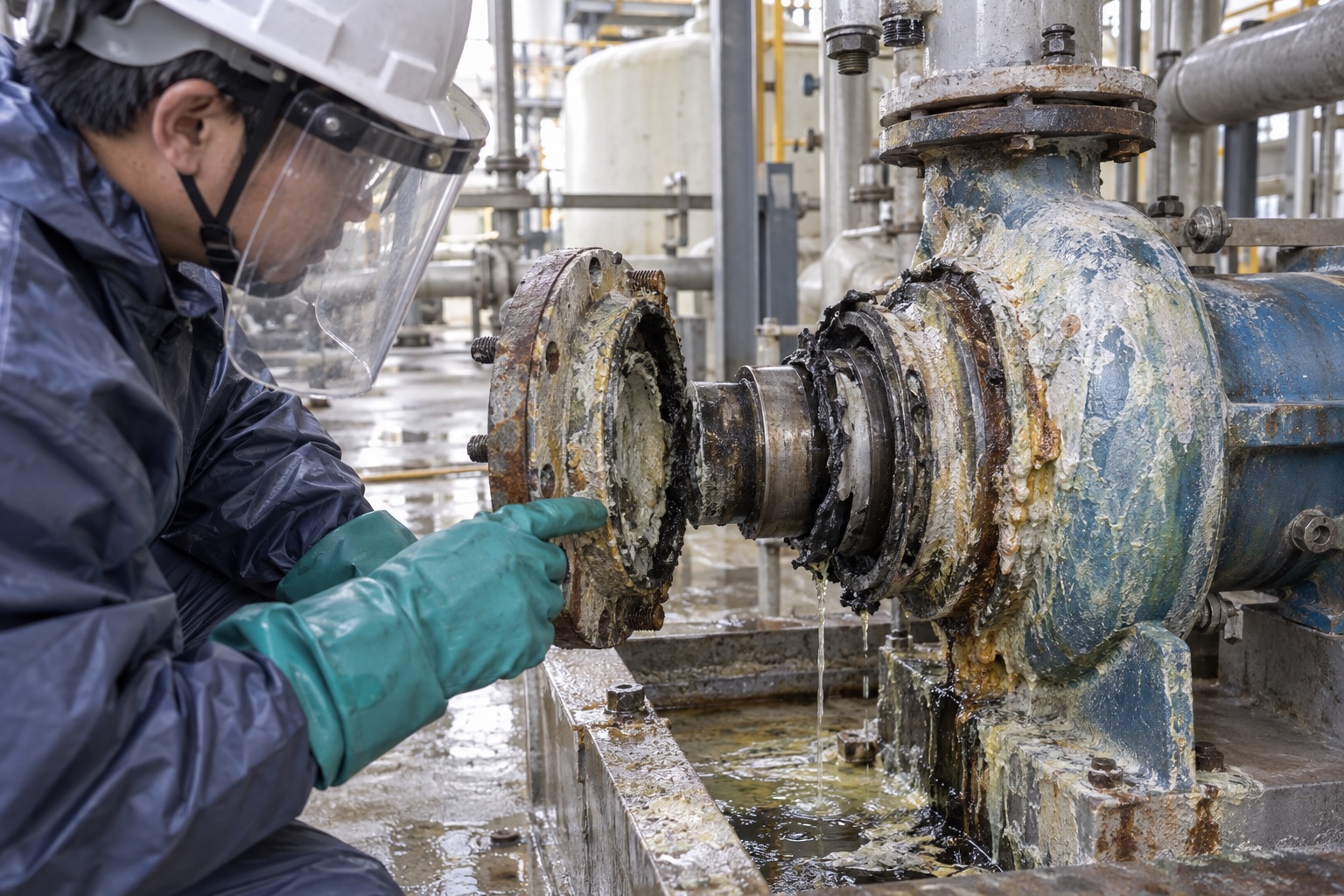
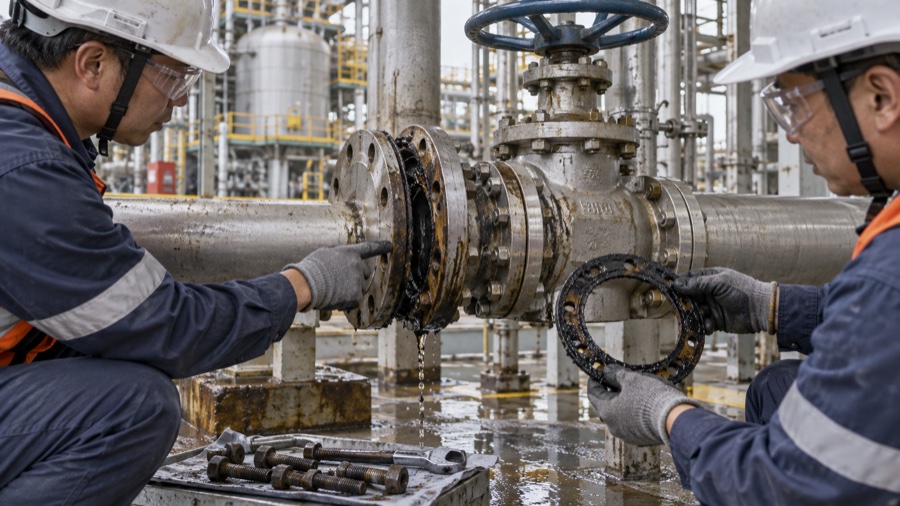
You just replaced the seals, but the equipment started leaking again as soon as the pressure went up—are you going to shut it down again to replace them?
The material is clearly labeled as heat-resistant and corrosion-resistant, so why does it swell, become brittle, or corrode upon contact with the actual medium?
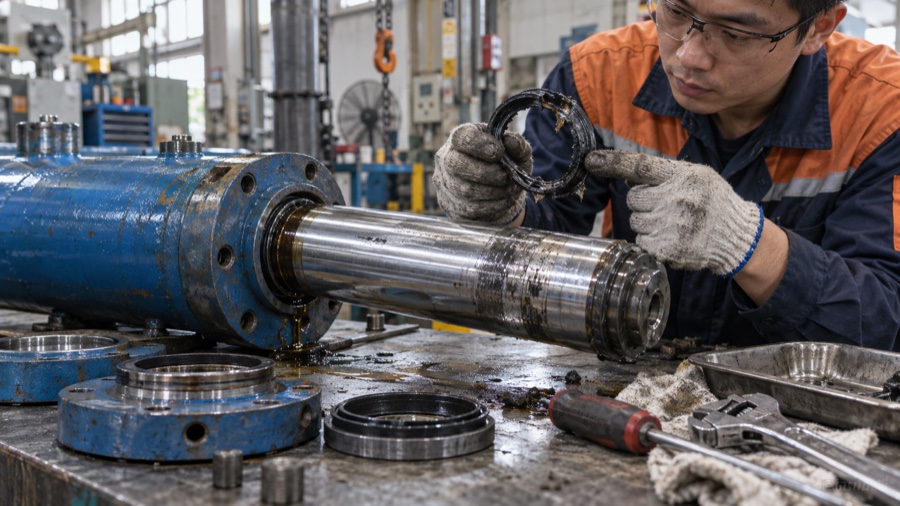
You just replaced the oil seal or sealing ring, but it’s already worn out and leaking oil from repeated operation—are you actually repairing it, or just waiting for the next shutdown?
Let Chengxin Industrial Seal King Let me help you.
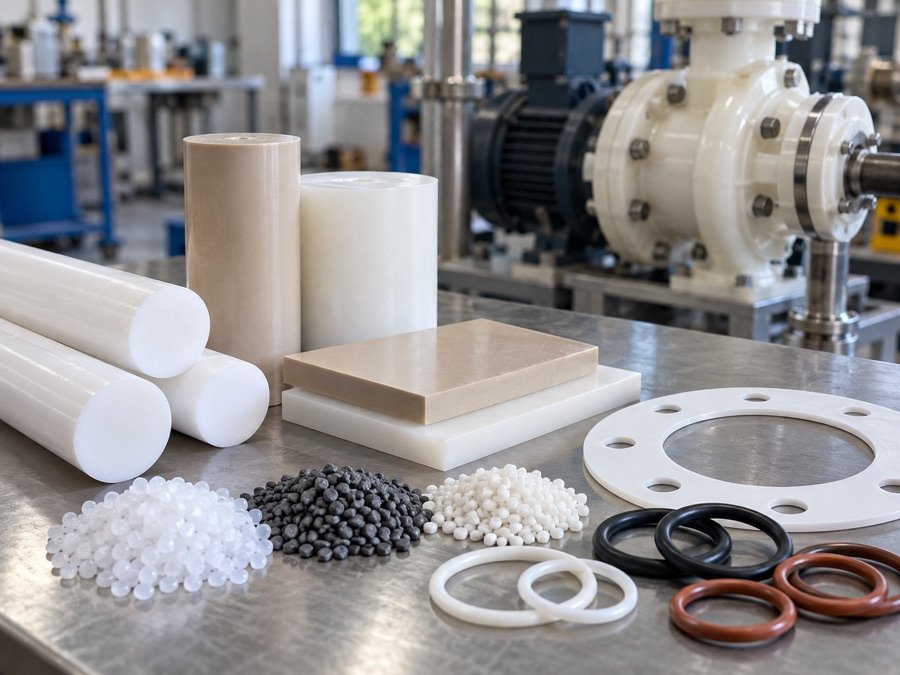
From PTFE’s chemical resistance and low friction, PCTFE’s low-temperature airtightness, PEEK’s high strength and high-temperature resistance, and PVDF’s resistance to strong acids and alkalis, to FFKM’s high-temperature and corrosion resistance—we select the right materials based on the medium, temperature, pressure, and motion characteristics, and manufacture them into flange gaskets, O-rings, valve seats, oil seals, and custom sealing components. 。


−240°C to 300°C+ |From a single prototype to mass production of 1 million units
Sealing issues are usually not just a matter of materials. The medium, temperature, pressure, motion type, dimensions, quantity, and delivery schedule—if even one of these factors is off, it can lead to leaks, wear, downtime, or delivery delays.
Starting with these requirements, Chengxin systematically completed the following steps: material selection, processing according to drawings, sample approval, preparation of quality documentation, and transition to mass production.
20 Years of Sealing Element Materials | With experience in parts manufacturing, we provide consultation for a wide range of applications
Precision Machining Capabilities | Turning Drawings into Assembled Parts
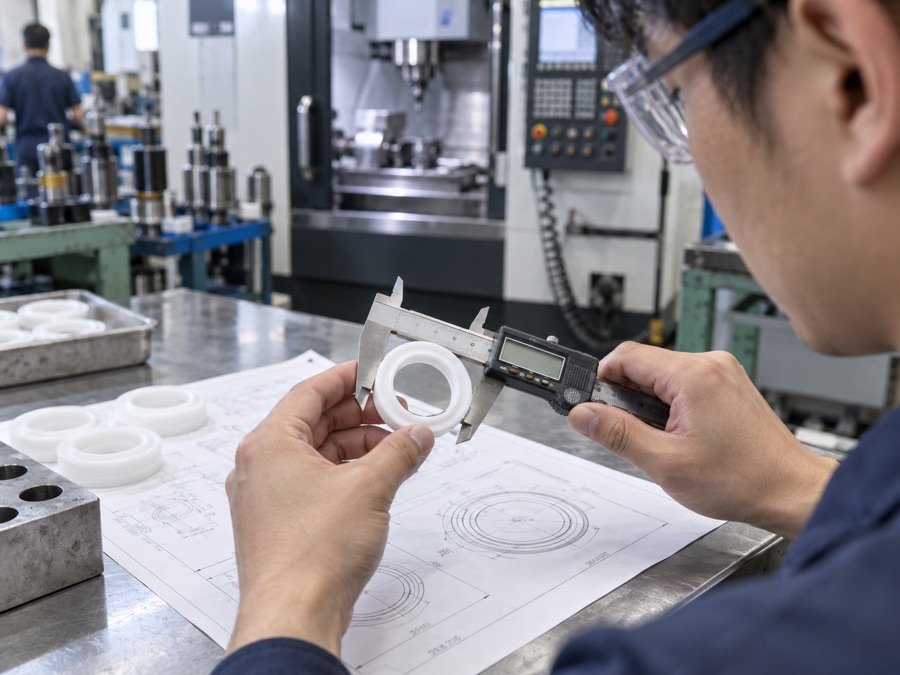

Helps you obtain parts that are dimensionally compatible and ready for direct assembly.
Technical Support | We Can Discuss Even If the Specifications Are Incomplete
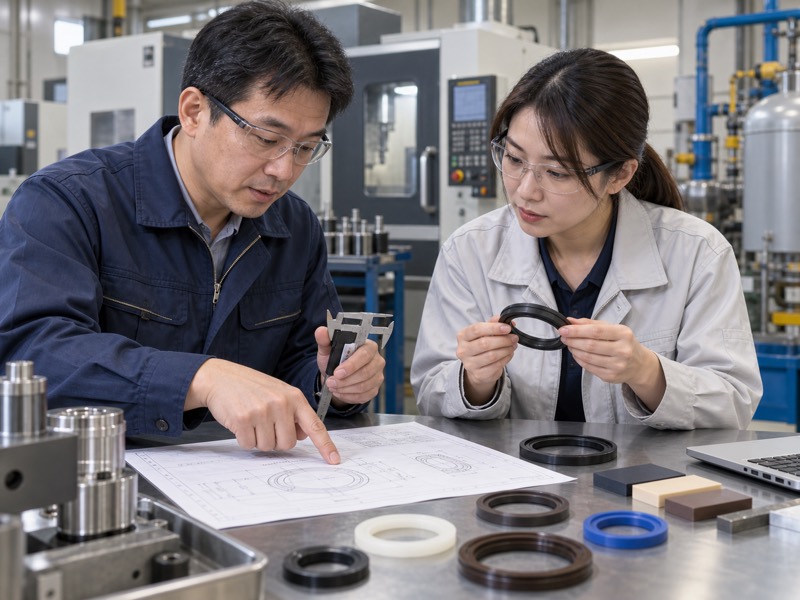

Helps you get started without having to wait for all the specifications to be finalized, so you canStart Reviewing the Procedure。
100% Yield Capabilities|
Reducing the Risk of Batch Defects
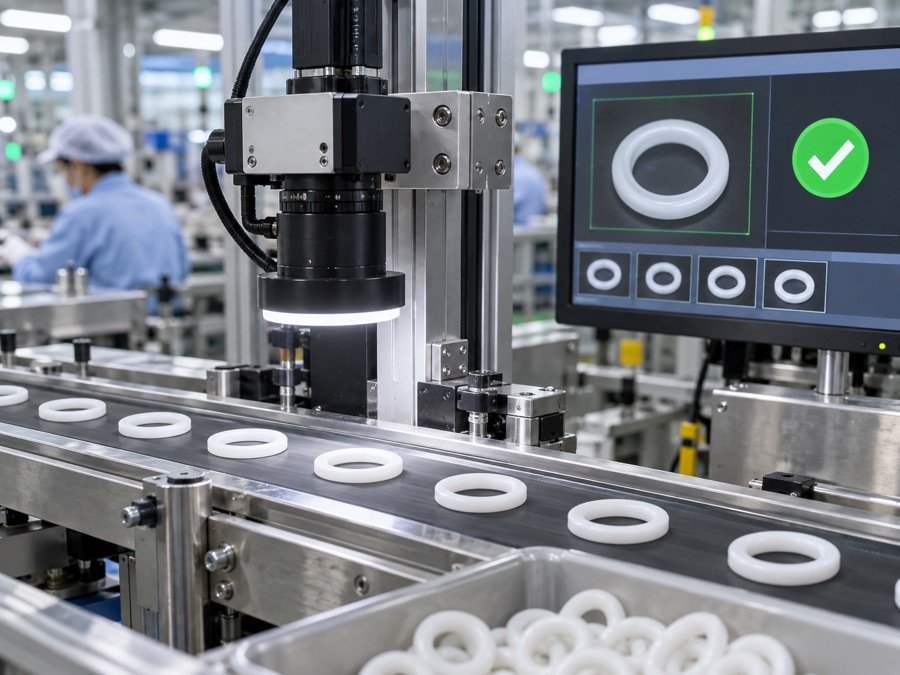

Helps you reduce the risk of batch defects, rework, and equipment downtime,Confirm Batch Criteria。
Quality Assurance System | Documentation Delivered Along with the Product
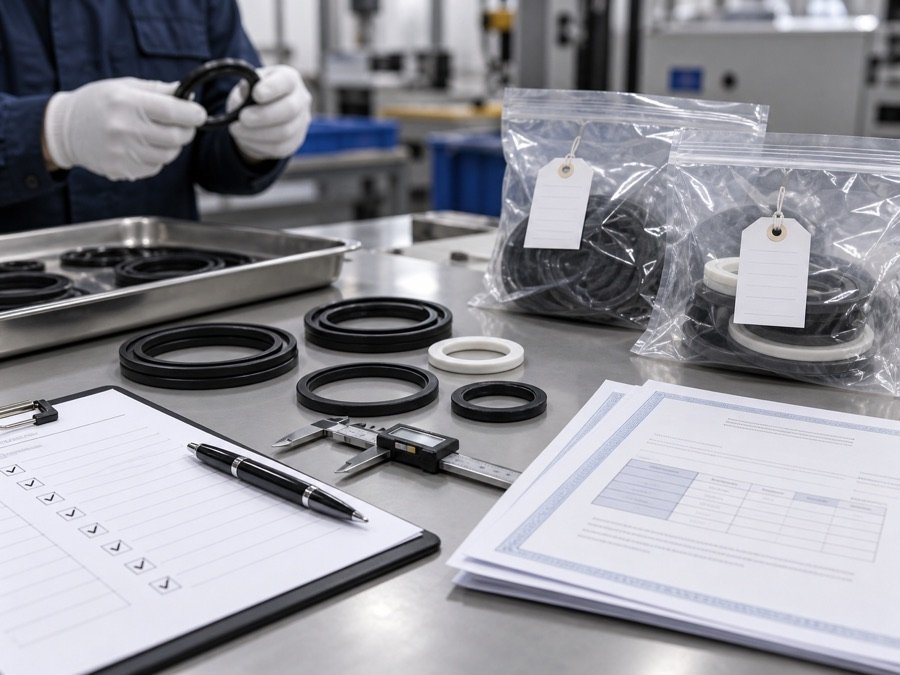

To ensure a smooth transition between R&D, quality control, and export processes,It has been confirmed that there is no need to resubmit the documents.。
Custom orders from one to one million units | A single point of contact for prototyping and mass production
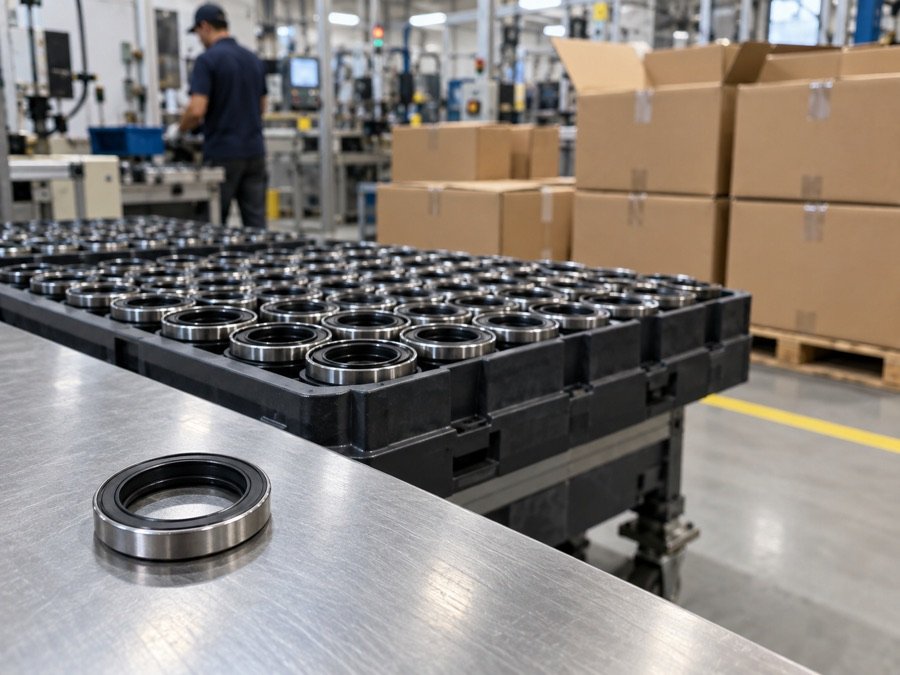

Helping you make a smooth transition from a single prototype toMass Production and Supply。
Six Major High performance Material Combination
Polyimide (PI)
Polyvinylidene fluoride (PVDF)
Polychlorotrifluoroethylene (PCTFE)
Polyetheretherketone (PEEK)
Polytetrafluoroethylene (PTFE)
Chemically inert with an extremely low coefficient of friction, providing exceptional self-lubricating properties.
Perfluoroelastomer (FFKM)
Delivery Materials Checklist
01.


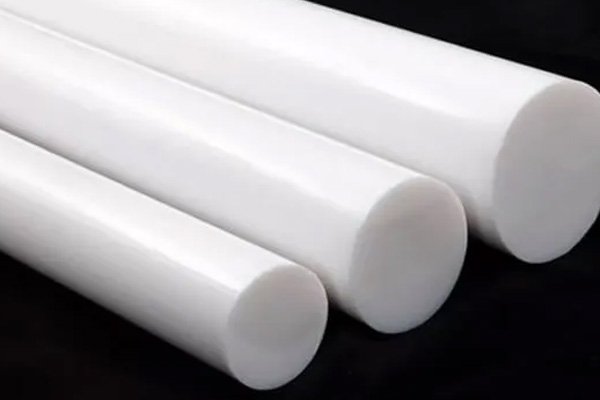
Bars
Multiple diameters and lengths to meet machining requirements.
02.


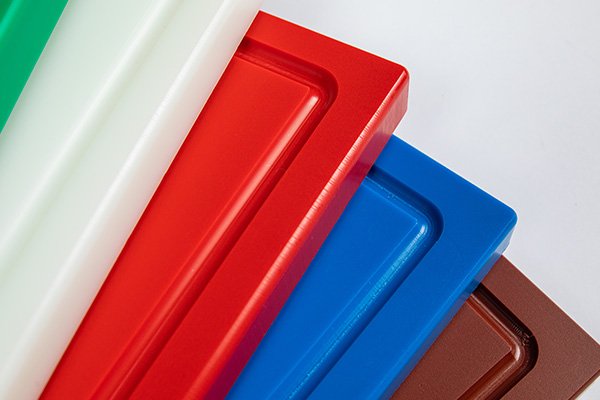
Sheet material
Available in multiple thicknesses and sizes, suitable for cutting and forming.
03.


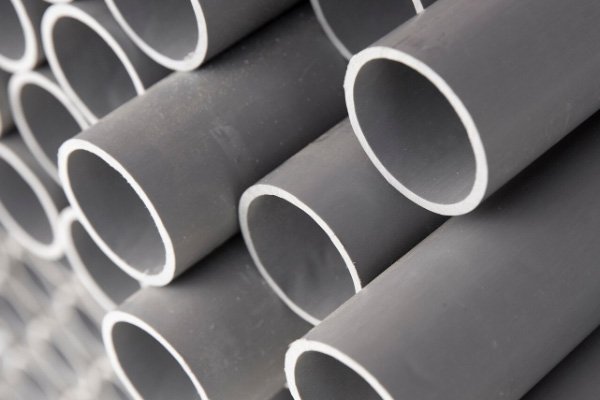
Pipe
Various inner and outer diameters for fluid transmission and protection.
04.


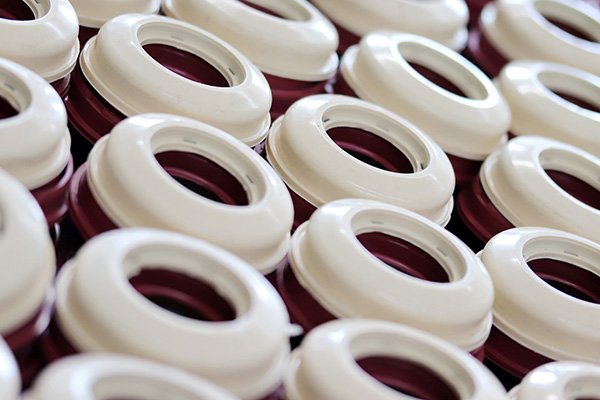
Molded parts
Custom-made to design specifications, precision-formed.
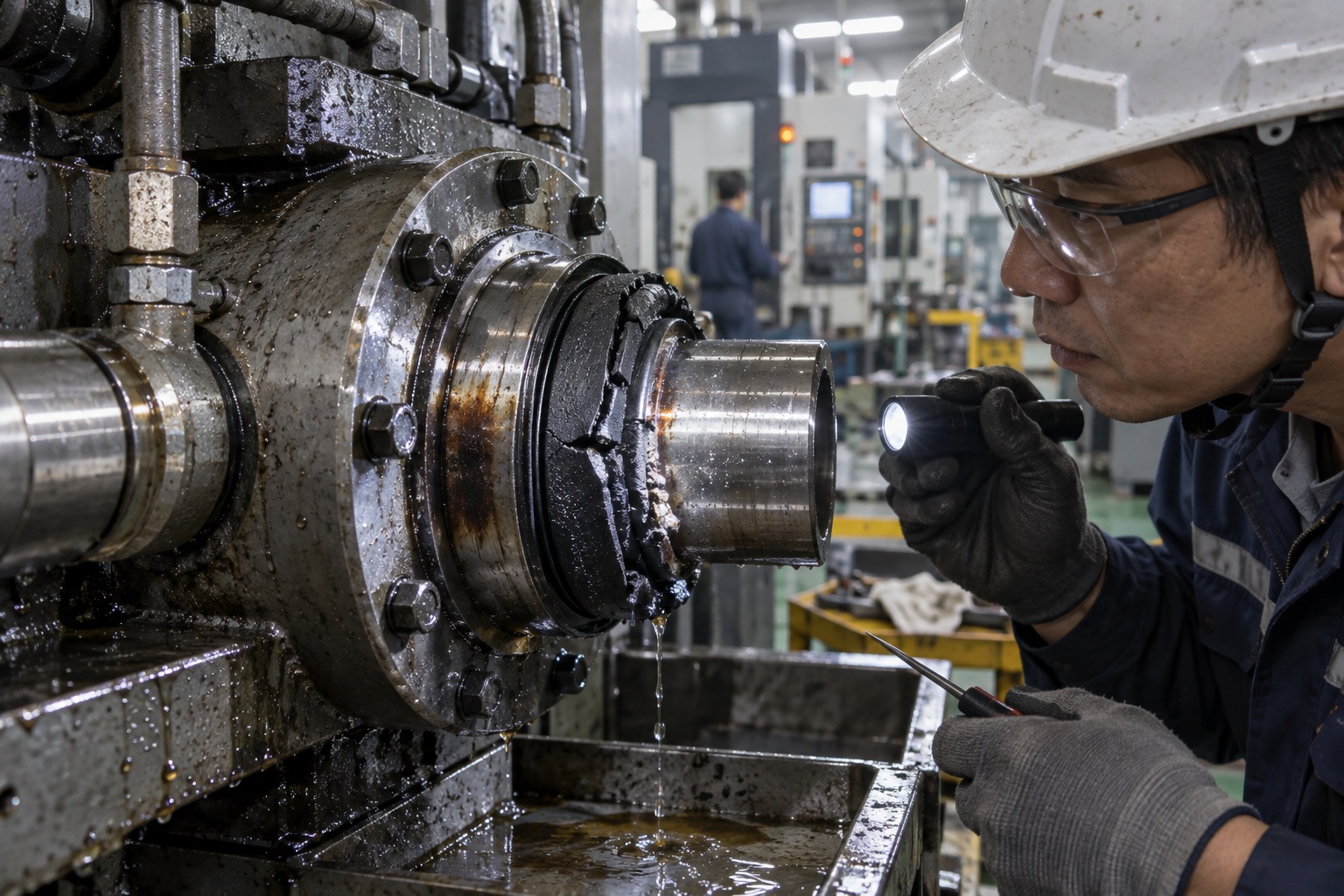
On-site Challenges: High Temperatures, Corrosion, Leaks, and Frequent Replacement
On-site issues typically arise during equipment operation: for example, oil seal wear after hydraulic cylinder reciprocation; seal swelling in chemical pumps due to exposure to strong acids or alkalis; repeated leaks from flanges and valves under high temperature and pressure; or vacuum equipment failure caused by dimensional or fastening inconsistencies. Based on the medium, temperature, pressure, motion type, dimensions, and delivery schedule, Chengxin meticulously verifies every item—from materials and assemblies to sealing components—and refines the process into a manufacturable and deliverable solution.
High-Temperature/Low-Temperature Sealing
In CNC machining centers and hydraulic cylinders, seals may harden, become brittle, or be forced out under thermal cycling and pressure; this results in downtime for disassembly, repair, and realignment.
Select materials based on upper and lower temperature limits, pressure, and clearance to reduce leakage after thermal cycling.


Strong Acids and Bases / Corrosive Substances
In chemical pumps, acid washing tanks, and solvent lines, if the materials are incompatible, the seals may lose their dimensions and hardness, leading to leaks, contamination, and even unplanned downtime.
First, assess media compatibility to avoid frequent replacement of parts over short cycles.


Flanges/Valve Leaks
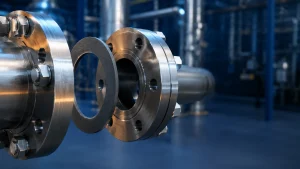
An uneven flange surface, a gasket of the wrong size or thickness, insufficient compression, or a bolt tightening sequence that does not match the preload can all cause uneven stress distribution on the gasket; as soon as pressure is applied to the equipment, the leak reappears.
Verify the flange face, gasket dimensions, and fastening conditions all at once to break the cycle of constantly having to patch leaks.


Repetitive/Frequent Movement
In injection molding machines, hydraulic cylinders, and rotary shafts, seals are subjected to friction, heat, and the risk of extrusion during high-speed reciprocating motion, pressure cycles, and eccentric motion; simply replacing them with seals of the same specification is often just a matter of waiting for the next shutdown.
Low-friction materials, spring-assisted mechanisms, and anti-extrusion rings are configured according to the motion profile to extend maintenance intervals.


We offer solutions for every scenario
Chengxin Sealing King provides one-stop solutions for mass production of components, resolving product and equipment issues.
Chengxin Sealing King leverages its leading technology and extensive experience to provide diverse customized sealing solutions for various industries. Below is a showcase of our key product portfolio across different application fields, including sealing components belonging to the following four major sets, ensuring equipment operates efficiently and stably even in the most demanding environments.


Sealing Materials


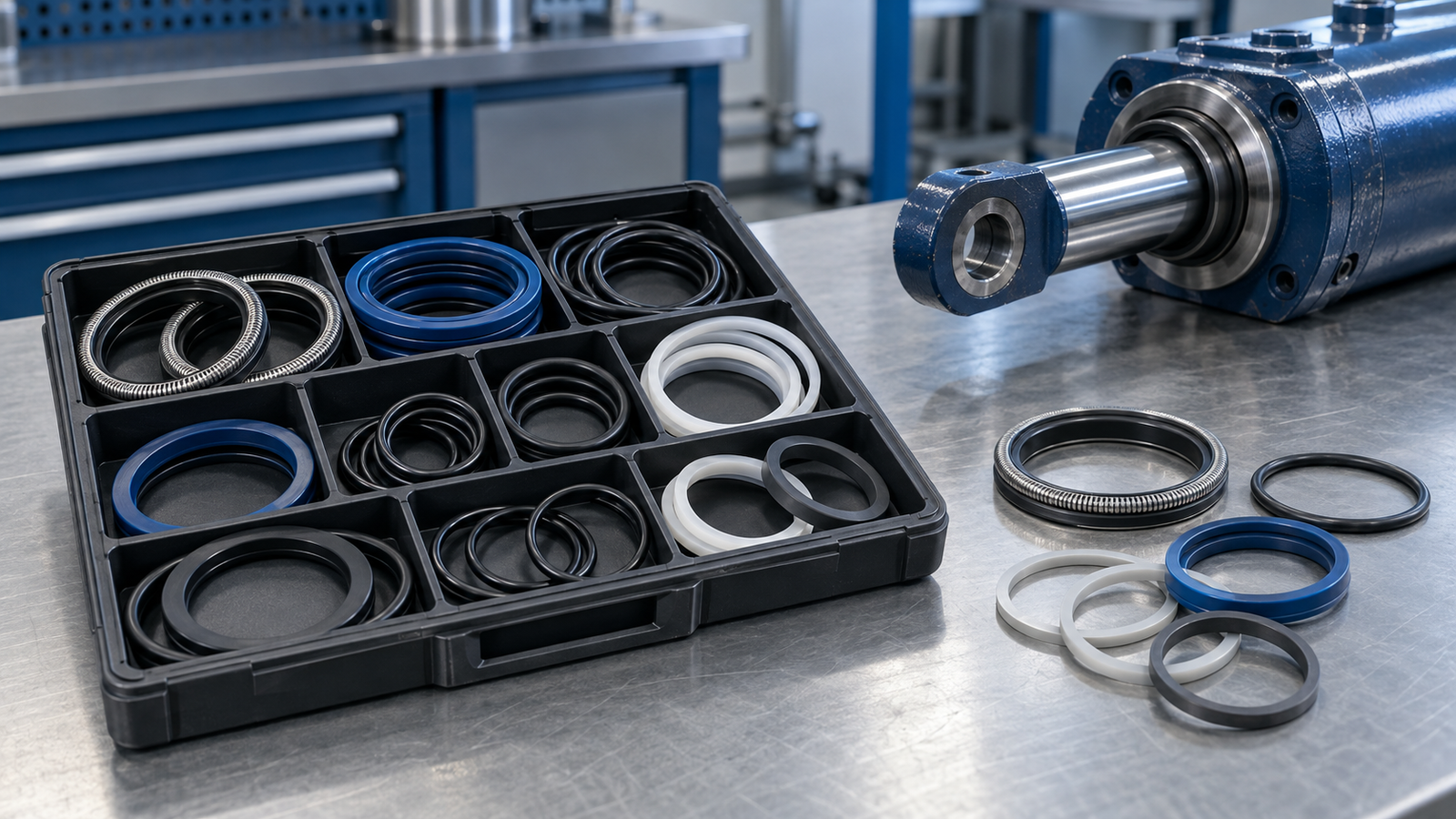
Seal Kit


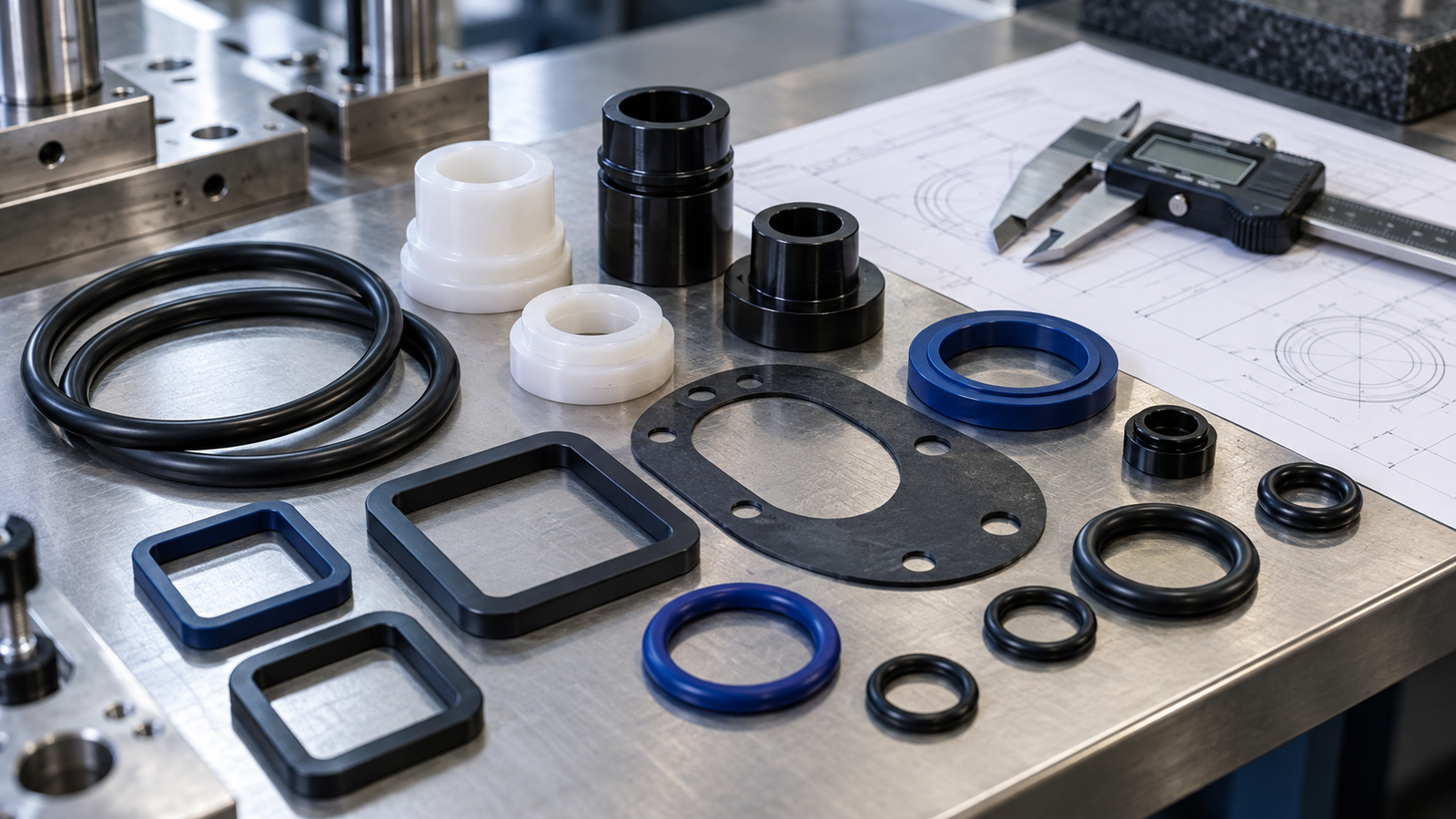
Sealing Parts


Sealing Solutions
FTIR Self-Test Procedure and Material Certification
Chengxin performs FTIR material verification, as well as dimensional and visual inspections on incoming materials; material certification and compliance documentation are provided based on original manufacturer or third-party documents.
Customer Testimonials
After partnering with Chengxin to source materials, the solar energy manufacturer improved the design of all engineering components, resulting in more stable equipment sealing and component fit.


Solar Energy Companies
After collaborating with Chengxin on the material supply, we improved all the engineering components.

After receiving shipments from major brand suppliers, we assist in improving the manufacturing process to ensure that the sealing components better meet the equipment's operating conditions.


Major Brand Supplier
After purchasing and receiving the goods, assist in improving the manufacturing process.

A certain university has collaborated with Chengxin on research and development; communication has been smooth, and they have been able to work together to solve engineering problems.


A certain university
We work very well with the R&D team and are able to solve problems together.
Start your project now
Your equipment deserves the most advanced sealing solutions. By choosing Chengxin Seal King, you will achieve:Significantly improved yield rates, substantially reduced downtime, effectively lowered maintenance costs, and comprehensively enhanced production efficiency.Contact Chengxin's expert team immediately. Let us work together to tailor solutions that ensure your critical applications operate efficiently and reliably even in the harshest environments, propelling your innovation and productivity to new heights!
Frequently Asked Questions
How to choose the most suitable material?
Material selection requires consideration of multiple factors including operating temperature, pressure, chemical media, and motion characteristics. Our application engineers will recommend the most suitable material solution based on your specific requirements, leveraging our material database and application expertise. When necessary, material compatibility testing and performance validation can be conducted to ensure the reliability of the selected materials.
How long is the delivery time?
Standard products typically ship within 3-5 business days, while custom machined parts require 7-15 business days depending on complexity. Rush orders can be expedited through our fast-track service for delivery within 48-72 hours. We understand the stringent delivery requirements of the manufacturing industry and will fully accommodate your production scheduling needs.
Do you provide sample testing?
Yes, we provide complimentary samples for customers to conduct preliminary testing and evaluation. For large-scale projects or long-term collaborations, we also support on-site trials and performance verification to ensure the product performs as expected under actual operating conditions, thereby reducing procurement risks.
Does the product come with a warranty?
All products come with a comprehensive quality guarantee, including Certificates of Conformity (COC), dimensional inspection reports, and performance test data. They comply with relevant industry standards and customer specifications. Should any losses occur due to product quality issues, we assume corresponding responsibility and provide solutions.
Can you provide technical training?
How to handle failure issues?
How to choose the most suitable material?
Material selection requires consideration of multiple factors including operating temperature, pressure, chemical media, and motion characteristics. Our application engineers will recommend the most suitable material solution based on your specific requirements, leveraging our material database and application expertise. When necessary, material compatibility testing and performance validation can be conducted to ensure the reliability of the selected materials.
Blog Post


The Complete Guide to PEEK (Polyetheretherketone): From Grade Selection, Chemical Compatibility, and Processing SOPs to Failure Diagnosis—Everything an Engineer Needs in One Article (Updated for 2026)
PEEK (polyetheretherketone, Po


The Complete Guide to Teflon (PTFE): From Material Properties and Selection Costs to Preparing for the 2026 PFAS Ban (A Must-Read for Engineers)
Teflon (PTFE), as an industrial...


Guide to Selecting Flange Gaskets: Everything You Need to Know—From Materials and Operating Conditions to Flange Surfaces and Leak-Proof Installation
How to Select Flange Gaskets? Compare materials such as PTFE, non-asbestos, graphite, and spiral-wound gaskets based on the medium, temperature, pressure, flange face, and clamping conditions, and compile information on dimensions, failure diagnosis, and pricing.
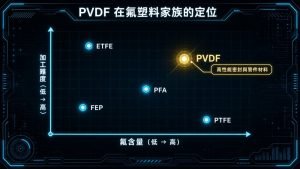
The Complete Guide to PVDF (Polyvinylidene Fluoride): From Grade Selection, Chemical Compatibility, and Processing SOPs to Market Trends—Everything an Engineer Needs to Know (Updated for 2026)
PVDF (polyvinylidene fluoride,


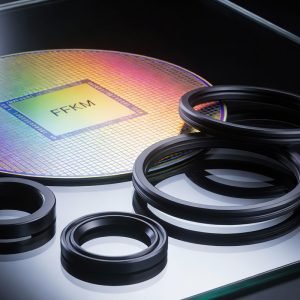
Seal King-Creating FFKM Perfect Fluorine Rubber Seals
Chengxin Sealing King—Pioneering FFKM
Eight Field Applications | What to Do on Site When a Failure Occurs
Starting with equipment that is leaking, showing signs of wear, or losing its seal, align on-site conditions with solutions that are available for purchase, can be manufactured, and are ready for delivery.
Hydraulic Cylinders for Injection Molding Machines
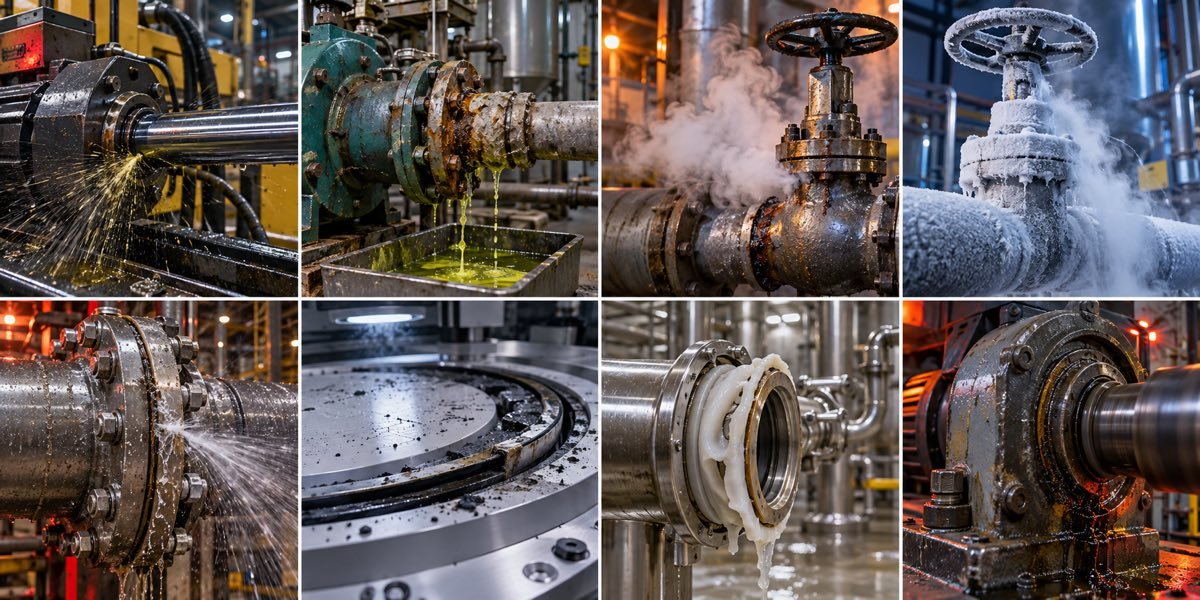

After reciprocating motion, the oil seal becomes scratched and begins to leak; as soon as the equipment pressure rises, it must be shut down for repair.
First, check the hydraulic cylinder’s oil seal, anti-extrusion ring, piston rod diameter, grooves, and clearances.Chemical Pumps for Conveying Acid and Alkaline Solutions


After coming into contact with the chemical solution, the seal swelled and softened, and began to leak again shortly thereafter.
Compatible with: Chemical-resistant seals; material selection based on acid and alkali solutions, temperature, and pressure.Steam Valves and High-Temperature Pipelines


After operation at high temperatures, the compression force decreases, and the valve seat or gasket loses its sealing force.
First, check: the high-temperature valve seat or gasket, as well as the temperature, pressure, and compression ratio.Cryogenic Gas Valves


When the equipment is started up, the seal loses its elasticity and begins to leak after being subjected to alternating low temperatures and pressure.
Suitable for: Low-temperature valve seals; compatible with low-temperature, high-pressure, and gas conditions.Flanges for Chemical Process Piping


After pressurization, a leak occurred at the flange joint, and repeated retightening failed to resolve the issue.
First, verify the inner and outer diameters, thickness, flange face, and fastening method of the flange gasket.Semiconductor Polishing Equipment


Particles generated by the wear of the grinding rings affect both cleanliness and yield.
Capable of processing: low-particle, wear-resistant grinding rings; verify dimensional stability, cleanliness, and antistatic properties.Food Equipment Cleaning Lines


After repeated exposure to hot water and cleaning agents, the seal became deformed and began to leak again after cleaning.
Acceptable: Gaskets or O-rings that meet food contact requirements; check the cleaning temperature and medium.High-Speed Rotating Shaft Equipment


When the oil seal wears out, oil leaks from the shaft surface, and the higher the rotational speed, the sooner the equipment enters the maintenance cycle.
First, check the following: the rotary shaft oil seal, shaft diameter, rotational speed, friction, and installation clearance.