
HYDRAULIC CYLINDER SEALS

To ensure the hydraulic cylinder is leak-tight,
More stable reciprocating operation

Please send us the old seals, the cylinder drawings, and the location of the oil leak so we can review the materials, grooves, and overall fit together to determine whether to repair, replace, or customize the part.

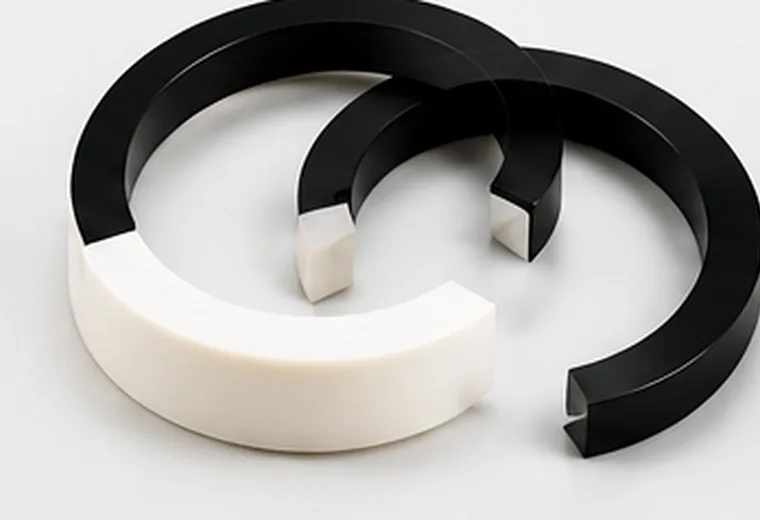
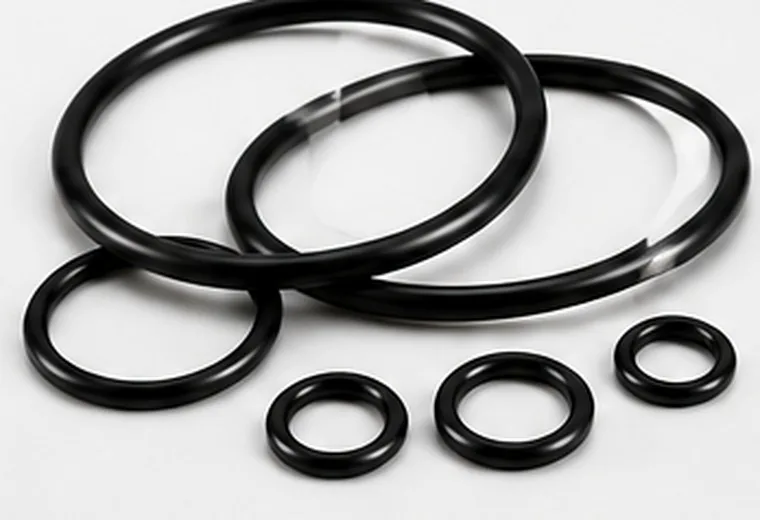
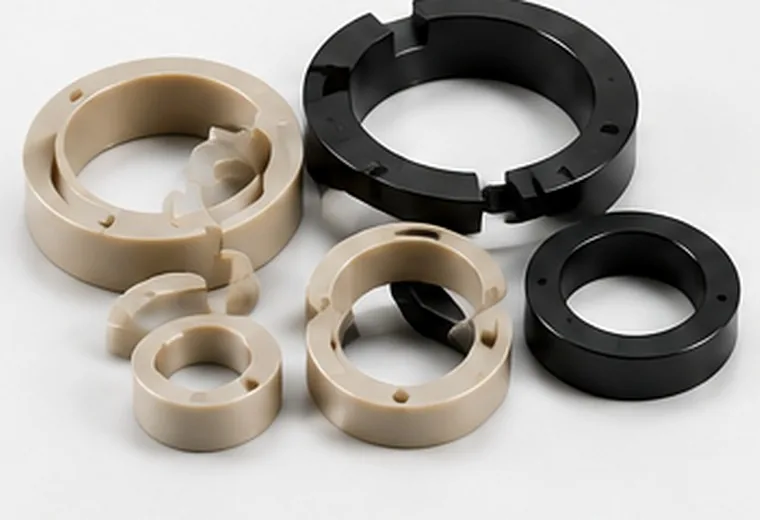
Piston SealPiston Rod SealsDust SealGuidance and Support
CHALLENGES FACED

If you're looking for hydraulic seals,
Have you encountered any of the following issues?

The hydraulic cylinder keeps leaking. Why does the problem keep coming back even after replacing the seals?
The operation has slowed down and the pressure maintenance is unstable—which component should I check first?
The old parts are worn out and the part numbers are unclear. How can I determine the specifications for replacing the entire set?
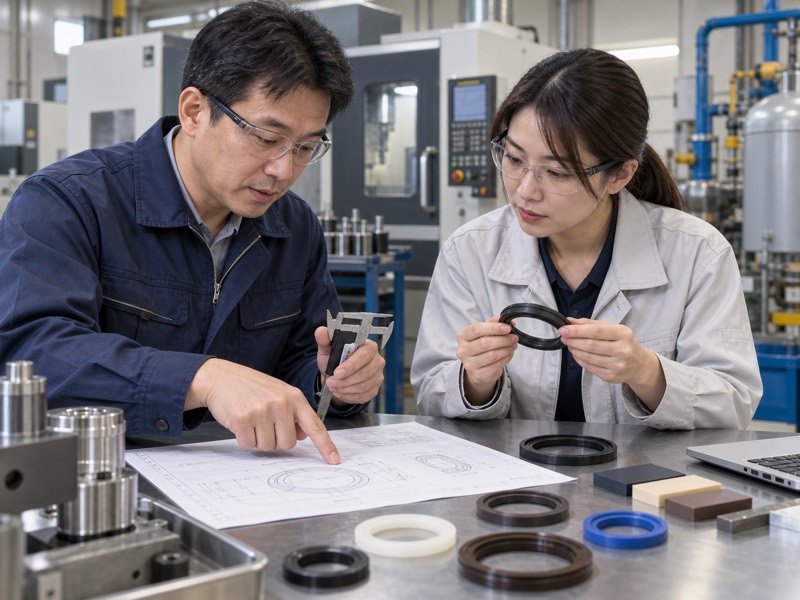
An illustration of a scenario in which engineers discuss material and component requirements based on drawings
WHY CHENGSHIN

Materials, parts, and on-site conditions,
We need to confirm this together to make sure it's accurate.

Chengxin integrates material supply, sealing components, and machining resources. From oil leak locations and wear on old parts to groove dimensions, we organize existing data into specifications suitable for discussion and price quotes, and then coordinate replacement, prototyping, and supply.

WHY CHENGSHIN

6 Key Advantages of Chengxin Hydraulic Seals

Carefully verify each item—including oil leaks, material selection, dimensions, and overall assembly compatibility—to ensure that maintenance and procurement proceed smoothly.

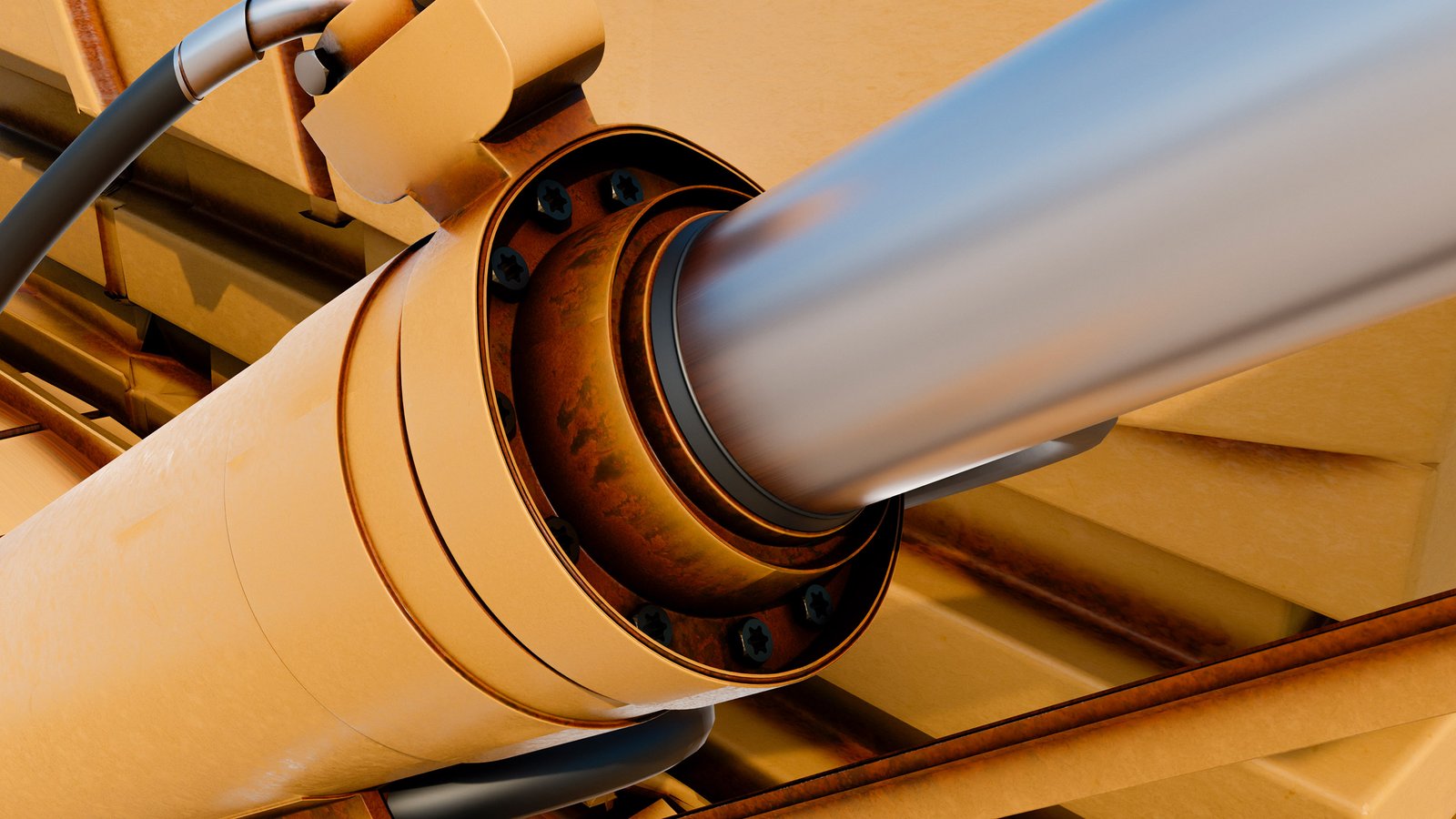
Illustration of a Hydraulic Rod End Inspection Scenario
01

First, locate the oil leak to narrow down the area to be inspected.

Starting with external leaks at the rod end, oil seepage at cylinder joints, or abnormal pressure retention, compare the wear on the old parts with the on-site operating conditions to determine which seals should be inspected first.
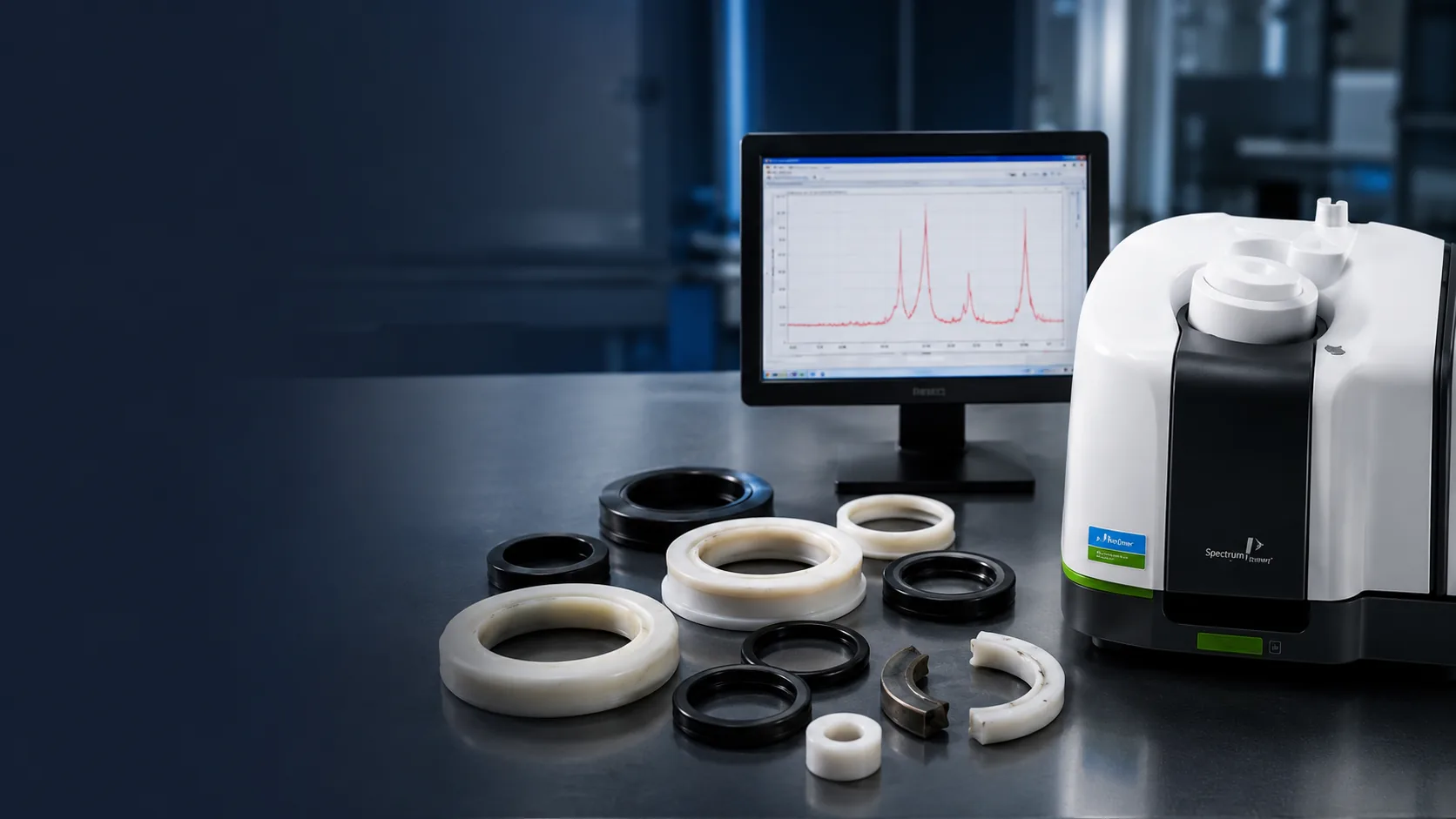
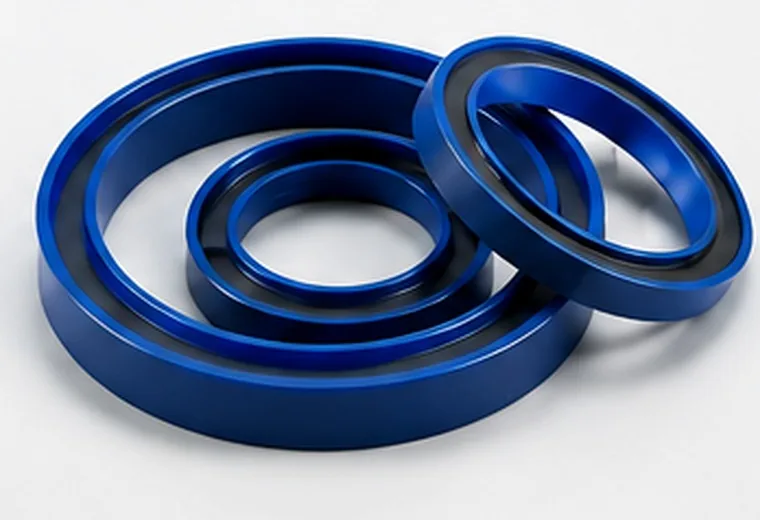
Illustration of Material Comparison
02

Matching fluids with materials to reduce the need for frequent part replacements

Check the type, temperature, pressure, and duration of use of the fluid, identify the cause of swelling, hardening, or loss of elasticity, and then adjust the material orientation accordingly.

Schematic of Seal Cross-Section, Dimensions, and Appearance
03

Verify dimensions against the groove for a more accurate replacement.

Consider the shaft diameter, bore diameter, groove width and depth, and the sealing cross-section together. When parts are worn or part numbers are unclear, start by comparing them using drawings, measurements, and photographs.

Schematic of Sealed Support Assembly
04

Division of labor for the entire set of parts makes it easier to gather everything needed for repairs

Piston seals, piston rod seals, dust seals, guide components, and anti-extrusion rings each serve a specific purpose; determine which components need to be replaced based on the actual design.

Illustration of Reciprocating Motion in Engineering Equipment
05

Incorporate the reciprocity condition to achieve a better fit.

Speed, stroke, lateral load, the condition of the rod surface, and external contamination conditions can all affect the seal fit; be sure to verify all of these factors when selecting a seal.

Illustration of Delivery Inspection Documents
06

Make things clear before delivery to ensure a smoother sample review and approval process

Confirm the required quantity, delivery date, drawing version, and documentation in advance. For custom parts, agree on the sample testing and acceptance procedures to facilitate subsequent procurement.

PRODUCT SELECTION

First, locate the seal, then assemble the entire set of parts.

From primary seals to secondary supports, first determine where this part is installed and what its function is, then verify the material and dimensions.

STEP 01

Confirm Product and Accessories Requirements

The orientation can be identified from the photo first; the final model selection will then be confirmed based on the drawings, cross-sections, and operating conditions.

Product images are for illustrative purposes only; the actual cross-section, materials, dimensions, and contents of the complete set are subject to the confirmed specifications.

After confirming the seal locationInclude the hydraulic fluid, dimensions, and reciprocating conditions
STEP 02

Compile Product Selection Data

You can submit the remaining information in stages; please start by providing the drawings, old parts, or photos you currently have on hand.

Schematic of Hydraulic Equipment Operating Conditions

Fluid and Temperature/Pressure

Fluid name, normal and maximum temperatures, operating and peak pressures, and the timing of any abnormalities.

Schematic Illustration of a Reciprocating Seal

Dimensions and Stroke

Rod diameter, bore diameter, groove width and depth, seal cross-section, speed, and stroke; please also provide the equipment part number if available.

Sample Inspection Document

Quantity and Acceptance

Quantity required, whether the unit is for repair or a new unit, delivery time, sample testing methods, and any required documentation.

Check the entire set together:Piston seals, piston rod seals, dust seals, and guide components each serve a specific function; even if they look similar, be sure to check their cross-sections and installation locations.
Send photos and drawings to confirm the specifications
WHERE IT FAILS

Identify the Starting Point for Examination Based on Clinical Symptoms

By considering the equipment, the location of the oil leak, and the operating conditions together, it becomes easier to explain the problem clearly.

Construction Equipment | Illustration of Dust and Uneven Wear Application Scenarios

Construction Equipment | Dust and Uneven Wear

During earthwork operations, both the sand and dust adhering to the boom surface and the lateral loads must be taken into account.

First, check the dust lip, scratches on the rod surface, and wear on the guide components.
Agricultural Equipment | Illustration of Outdoor Reciprocating Applications

Agricultural Equipment | Outdoor Reciprocating Motion

Mud, dust, and intermittent operating conditions can affect the selection and maintenance of seals.

Please include the equipment's intended use, the type of fluid, and when the leak occurred.
Shaft End Seals | Illustration of Applications with Recurring Oil Leakage

Rod End Seals | Recurring Oil Leaks

If you notice oil stains on the rod end, please first provide close-up photos of the leak location and photos of the removed old part.

Check the condition of the rod surface and the fit between the sealing cross-section and the groove.

The equipment images are illustrative of application scenarios and do not depict specific customer cases or actual photos of malfunctions.

INCOMING MATERIAL VERIFICATION

Documented materials provide peace of mind when making a delivery

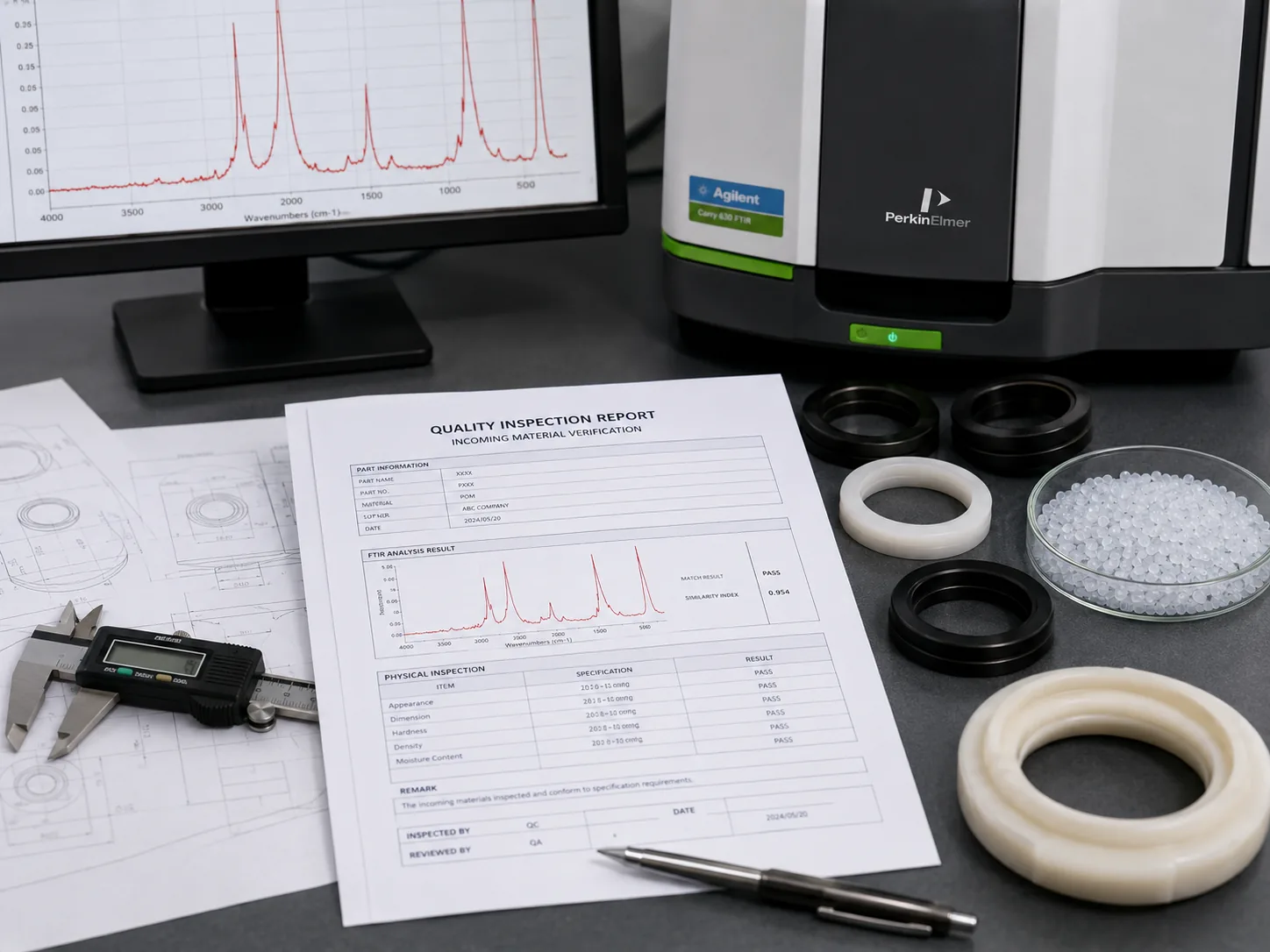
FTIR material comparison, along with dimensional and visual inspections and material documentation, ensures that the hydraulic seals you receive are verifiable and traceable, making it easier to integrate them into your internal quality control processes.

FTIR Spectrometers and Engineering Plastic Samples Quality Inspection Report and FTIR Spectrum Illustration
With the documentation in place, it’s easier to verify that the specifications have been met.

Material certification and compliance documentation are provided based on manufacturer or third-party documents; the specific documents available will be determined based on the selected materials and product requirements.

Incoming Material Verification: Greater Assurance for Materials

Incoming materials undergo FTIR material verification, and their dimensions and appearance are checked simultaneously to ensure that the materials, specifications, and actual delivery match.

APPLICATION REVIEW

Organize the on-site issues into the next steps

The following outlines approaches to addressing common issues; actual improvement results will be determined based on equipment inspections and testing.

Illustration of the Appearance of Replacement Seals
Repair and Replacement

Unclear part numbers on old parts

First, check the sealing location and the cross-section of the old part, then compare the rod diameter, cylinder bore, and groove dimensions.

Compile them into verifiable replacement specifications.
Illustration of a Hydraulic Equipment Inspection Scenario
Repeated Leaks

It's still leaking oil even after the replacement.

Compile the information on when oil leaks occur, the type of oil, temperature and pressure, and photos of wear, and use it to verify the materials and mating conditions.

List the locations to be inspected and the selection criteria.
Schematic of Custom Sealing Process Directions
Customized Packages

Special sizes require confirmation of the entire set.

Review the drawings to identify all sealing locations and confirm the quantity, materials, fabrication requirements, and acceptance procedures.

Confirmation of interface specifications, evaluation of samples and supply.
SEND IT NOW

Send me the data,
Confirm and Proceed

Old parts, photos, dimensions, part numbers, or operating conditions—any of these will work. Please send us the information you have first, and we’ll work together to organize it into a format we can use.