

SPRING-ENERGIZED SEALS

To ensure the sealing lip stays in place,
Replacement specifications are clearer

Please send us the old seals, groove drawings, and operating conditions so we can verify the seal jacket, internal spring, and mating dimensions together, and determine whether to replace them or customize them.

Seal Jacket · Spring Type · Groove Dimensions · Operating Conditions

CHALLENGES FACED

When looking for spring-assisted seals,
Have you encountered any of the following issues?

Why do seals tend to leak during low-pressure operation or start-stop cycles?

Seals are replaced repeatedly, so why do wear and leaks keep coming back?

The material looks like it should work, so why isn't it sealing properly when installed in the groove?

Engineers Discuss Material Selection and Manufacturing Solutions
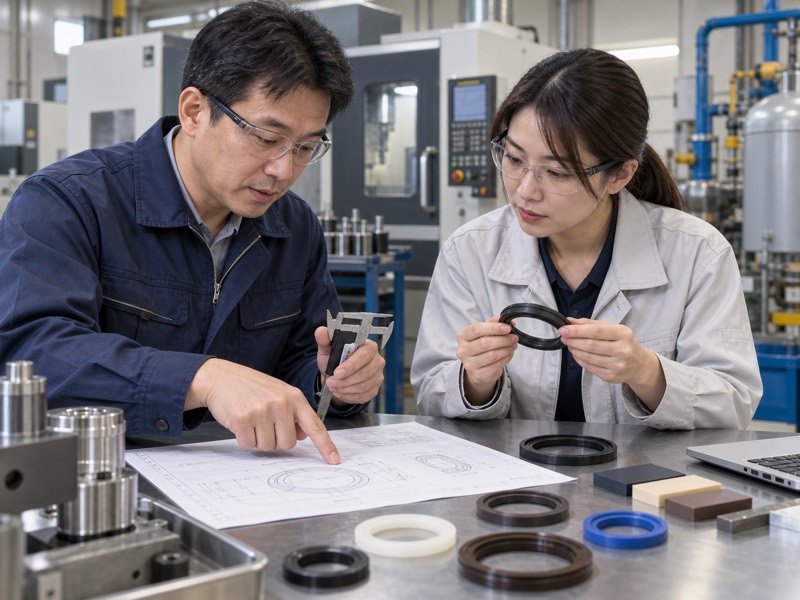
An illustration of a work scenario in which material and processing requirements are discussed based on drawings and seal samples.
WHY CHENGSHIN

Jacket, spring, and groove,
We need to confirm this together to make sure it's accurate.

Chengxin has evolved from simply supplying materials to integrating materials, components, and engineering requirements. We first examine the medium, temperature, pressure, and motion patterns, then verify the sealing lips, springs, and mating surfaces, narrowing down the causes of repeated failures step by step.

If you already have old parts, drawings, or part numbers, start with the existing information; also make a clear list of what information needs to be added.

WHY CHENGSHIN

6 Key Advantages of Chengxin Springs' Enhanced Sealing Technology

Each step of verification is designed to ensure that the materials, specifications, and equipment operating conditions are consistent with one another.

01

Identifying the Cause of Recurring Leaks

Based on the signs of wear, scratches, and deformation on the sealing lip, and by comparing them with the grooves, mating surfaces, and operating conditions, we will identify the next steps for improvement.

02

Select the jacket material based on operating conditions

Review the requirements for the medium, temperature, wear, and friction, and narrow down the list of candidate materials to PTFE or other high-performance polymers.

03

The spring is supplied together with the sealing lip

Take into account initial contact, frictional resistance, and media compatibility, and then evaluate spring types and materials.

04

Groove-size alignment makes replacement easier to see

Check the inner and outer diameters, cross-section, groove width and depth, and fit clearance to determine whether to replace the part with a new one or have it custom-made according to the drawing.

05

Clearly describe the action and the direction of the force

Determine whether the position is static, reciprocating, or rotating, and confirm these details along with the speed, stroke, pressure direction, and start/stop conditions.

06

Drawings and Material Specifications Make Acceptance Clearer

Confirm the drawing version, jacket and spring materials, dimensions, and test items based on requirements, and compile the specifications for prototyping and acceptance.

PRODUCT SELECTION

First, determine the purpose of the seal,
Additional Materials and Dimensions

Spring-enhanced seals consist of a polymer jacket with an internal metal spring. The spring provides initial contact force to the sealing lip; the actual selection depends on the direction of pressure, the mating surfaces, and the operating conditions.

Three needs—which one should you look at first?

RequirementsCheck FirstSend the data first
Static/VacuumPressure Direction, Leakage Requirements, Mating SurfacesGroove diagrams, pressure or vacuum conditions
Reciprocating MotionSpeed, Stroke, Friction, and WearPhotos of the used item, dimensions, and usage conditions
Customized by YituDimensions, Materials, Machining, and DeliveryDrawings or samples, intended use, quantity

The three cards below illustrate the seal structure, reciprocating equipment, and machining direction, respectively. The actual seal cross-section, materials, springs, and dimensions are to be determined based on the drawings and operating conditions.

Static/Vacuum Seal

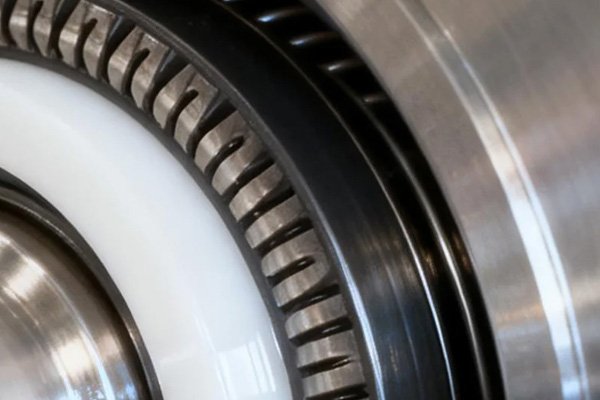
Close-up of the spring-enhanced sealing sleeve and built-in spring

Fixed joints, low-pressure, or vacuum applications can accommodate sealing directions, grooves, and leakage requirements; confirm the jacket, spring, and mating dimensions together.

Structural Close-up; Specifications for static or vacuum applications are to be confirmed based on the drawings and operating conditions.
Reciprocating Seals

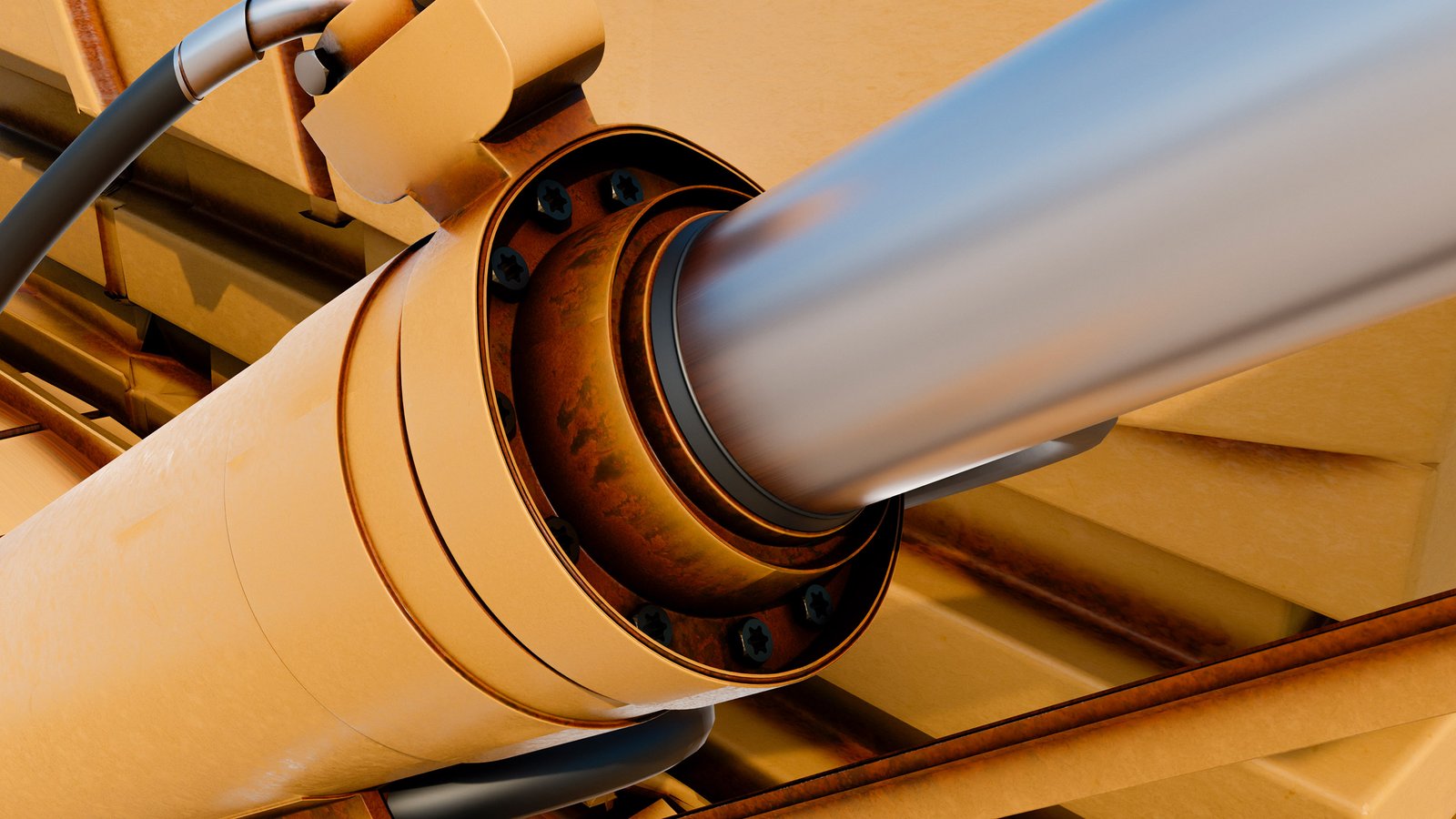
Schematic Illustration of Rod-End Reciprocating Equipment and Seal Locations

Provide the reciprocating position of the rod or piston, along with information on speed, stroke, and the working fluid, as well as photos showing wear on the old part, to confirm the sealing lip, friction requirements, and groove fit.

Schematic illustration of reciprocating equipment; confirm the seal type based on the equipment drawings.
Special Sizes / Custom-Made to Specifications

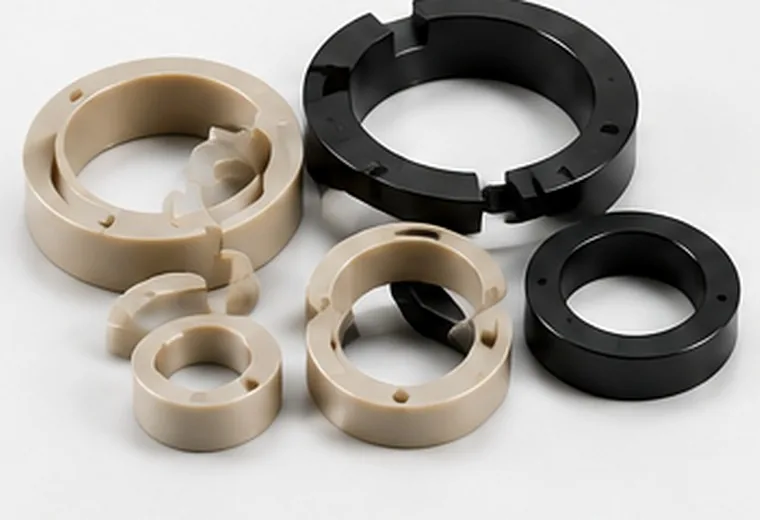
Schematic Illustration of the Machining Process for Custom-Shaped Rings Made of Engineering Plastics

If the part number of an old part is unclear or standard sizes do not match, please provide samples, photos, or groove drawings so we can discuss replacement, prototyping, and custom manufacturing options.

Schematic of the machined ring; the cross-section of the spring seal, the spring, and the dimensions are to be confirmed according to the drawing.

Organize all the product selection information at once

Media and Operating Conditions

Medium/concentration, normal and maximum temperatures, pressure range, vacuum, or start-up and shutdown conditions.

Grooves and Operating Conditions

Groove drawings, inner and outer diameters, cross-sections, fit clearances, and static, reciprocating, or rotational speeds and strokes.

Delivery and Verification Requirements

Quantity, intended use, sample testing methods, and any required materials or compliance documents.

Once the intended use has been confirmed, select the materials for the outer casing and the springs.

For the same application, the contact medium, temperature, and motion conditions must be verified in conjunction with the groove. The outer sleeve and metal spring must be confirmed separately before specifications can be finalized for a quote.

PTFE Sealing Sleeve

If you have existing PTFE parts or specified materials, please provide photos of the fluid, temperature, and wear, along with the seal lip and mating dimensions for verification.

Other High-Performance Polymer Jackets

When adjustments to raw materials are needed, provide the operating conditions and original specifications to discuss potential material candidates, machinable dimensions, and supply methods.

Metal Spring Materials and Types

Take into account the contact medium, pressure direction, and operating conditions to determine the spring type, material, and sleeve fit.

Temperature, pressure, and operational capabilities are determined based on the jacket material, spring type, grooves, and mating surfaces. First, provide the operating conditions, then narrow down the available specifications.

Let's review the sealing components required for the equipment together.

If the groove requires additional static sealing or support, please provide the O-ring, support ring, and information on the old parts along with the request to facilitate verification of the replacement specifications for the entire assembly.

WHERE IT FAILS

Identify the conditions to verify based on the location of use

Static/Vacuum | Low-Pressure Contact

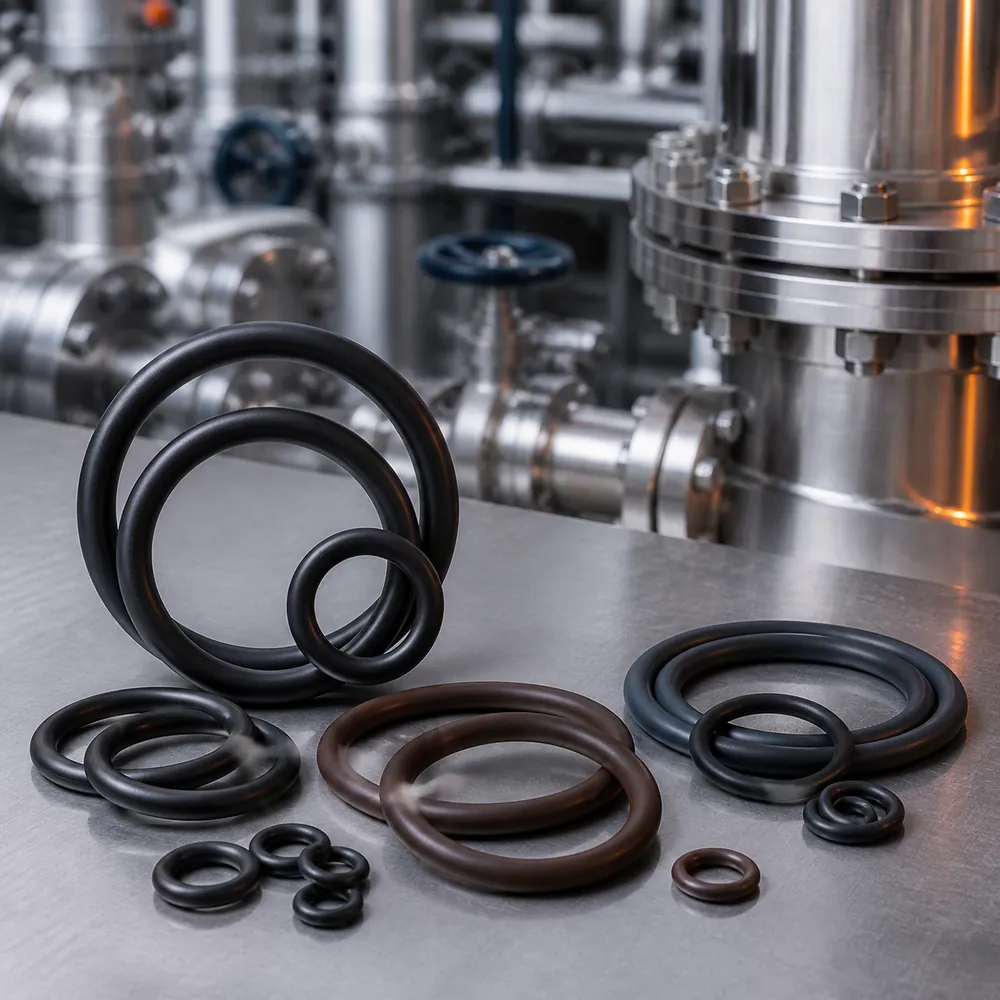
Illustration of an industrial pipeline system; confirm the sealing locations based on the equipment drawings.

Verify the pressure direction, leakage requirements, and mating surfaces to confirm the sealing contact requirements during low-pressure operation or start-up and shutdown.

Illustration of an application scenario; the actual sealing location should be confirmed based on the equipment drawings.
Reciprocating Motion | Friction and Wear

Schematic illustration of the rod end and reciprocating equipment; confirm the seal type based on the drawings

Check the speed, stroke, lubrication, and surface of the rod, and make a judgment based on these factors along with any signs of wear on the seal lips.

Illustration of an application scenario; the actual sealing location should be confirmed based on the equipment drawings.

Special Media | Material Compatibility

Illustration of Application Scenarios for Chemical Processing Equipment and Corrosive Media

When the medium or cleaning conditions change, verify the compatibility of the materials used for both the polymer jacket and the metal spring.

Illustration of an application scenario; the actual sealing location should be confirmed based on the equipment drawings.

INCOMING MATERIAL VERIFICATION

The materials and dimensions are based on specific criteria,
Better Delivery, Better Acceptance

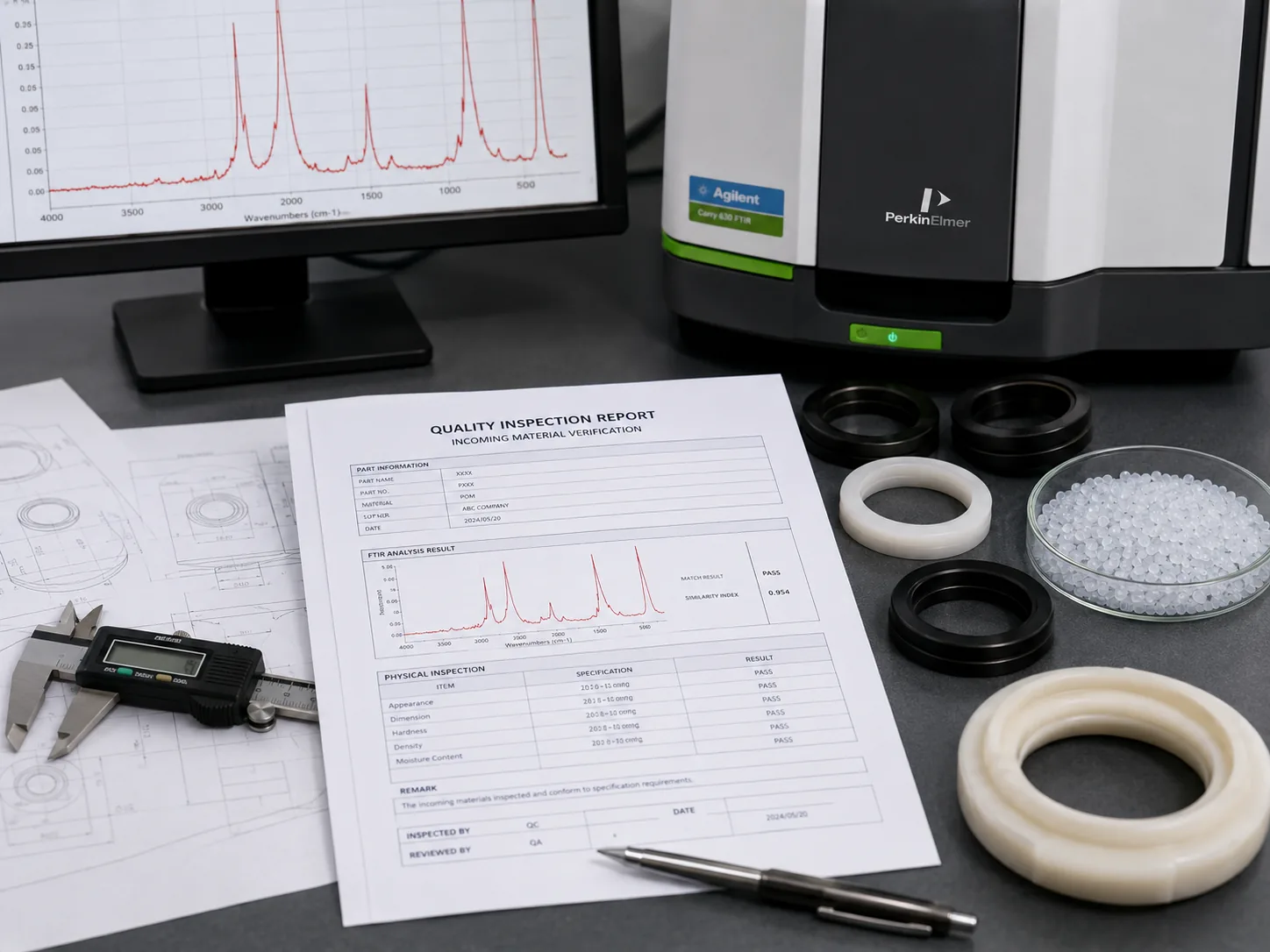
Verify the specifications of the outer casing, springs, and drawings as required. Organize the incoming material documentation, dimensions, and equipment test conditions to provide a reference for prototyping and delivery.
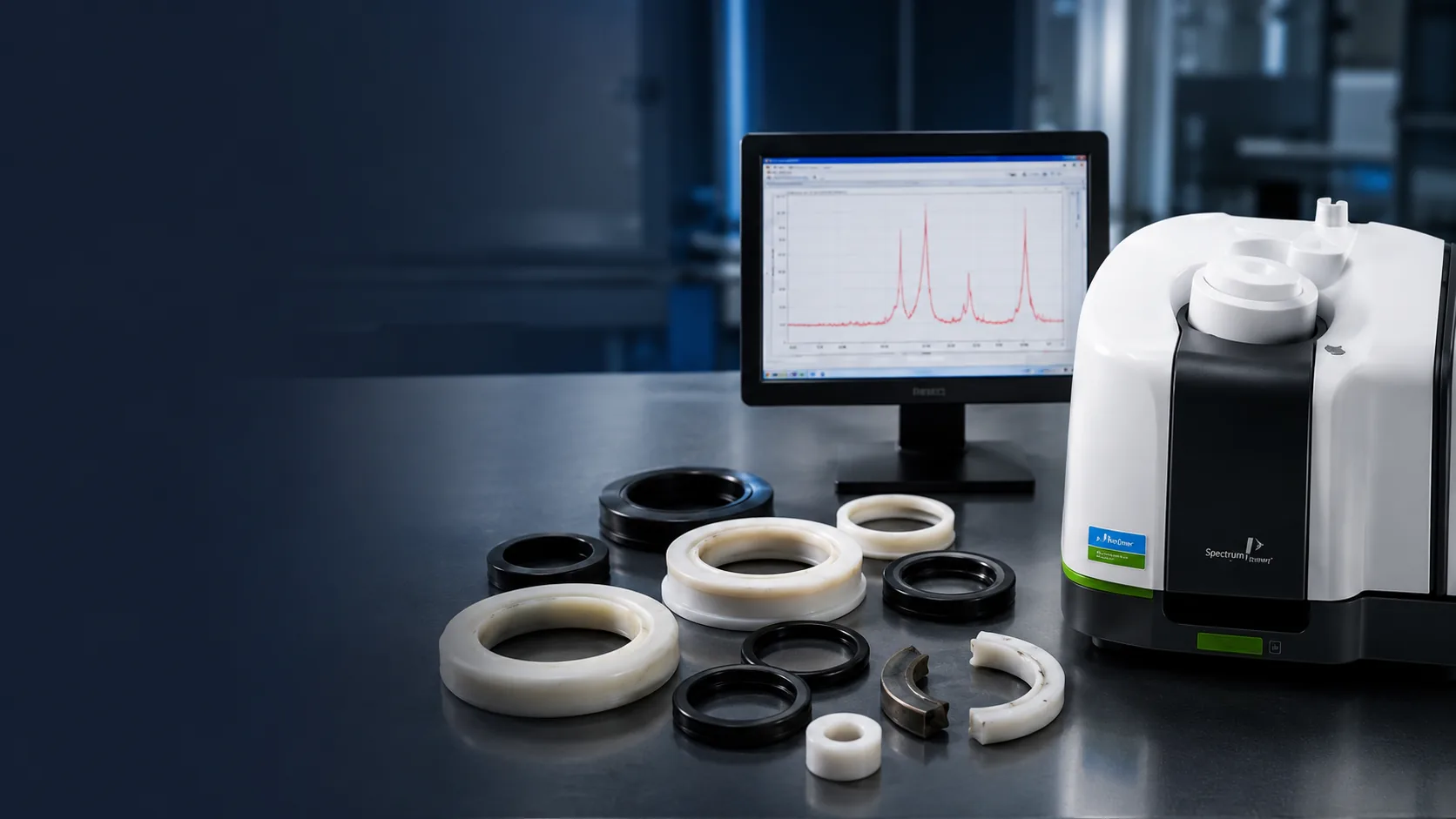
FTIR Spectrometers and Engineering Plastic Samples
Comparison of polymer jacket materials; to be determined based on material and validation requirements.
Quality Inspection Report and FTIR Spectrum Illustration
Dimensions, appearance, and material specifications—confirm the scope of delivery based on order requirements.

View the Quality Verification Process →

Check the drawings against the actual items

The cross-section, inner and outer diameters, groove width and depth, and drawing version of the old part shall serve as the common basis for replacement, machining, and acceptance.

Confirm the installation and testing conditions together

Confirm the installation orientation, mating surfaces, and test procedures in accordance with the equipment and seal specifications, and record the pressure, temperature, and operating conditions.

APPLICATION REVIEW

From on-site needs to replacement, prototyping, and supply

Recurring Leaks

Please provide the old part, the location of the leak, and the groove drawing so we can compare the sealing lip, spring, and mating surfaces to determine the replacement specifications available for quotation.

Delivery Details | Materials, Dimensions, and Replacement Parts

Process Condition Adjustments

When there are changes in the medium, pressure, or operating conditions, please provide the new operating conditions and the original specifications so we can verify the materials and design. We will then discuss sample requirements and testing conditions based on the equipment’s needs.

Delivery Guidelines | Sample, Prototype Specifications, and Test Items

Customization and Ongoing Supply

Provide drawings or samples, intended use, and quantity; confirm machinable dimensions, drawing versions, and acceptance criteria; and coordinate prototyping, mass production, and subsequent supply requirements.

Delivery Options | Custom Parts, Bulk Orders, and Long-Term Supply

SEND IT NOW

Send me the data,
Go directly to the next step

We can work with old seals, groove drawings, dimensions, part numbers, or operating conditions. Please send us the information you have first, and Chengxin will help determine what additional details are needed, then narrow down the options for replacement, provide a quote, or arrange a prototype.