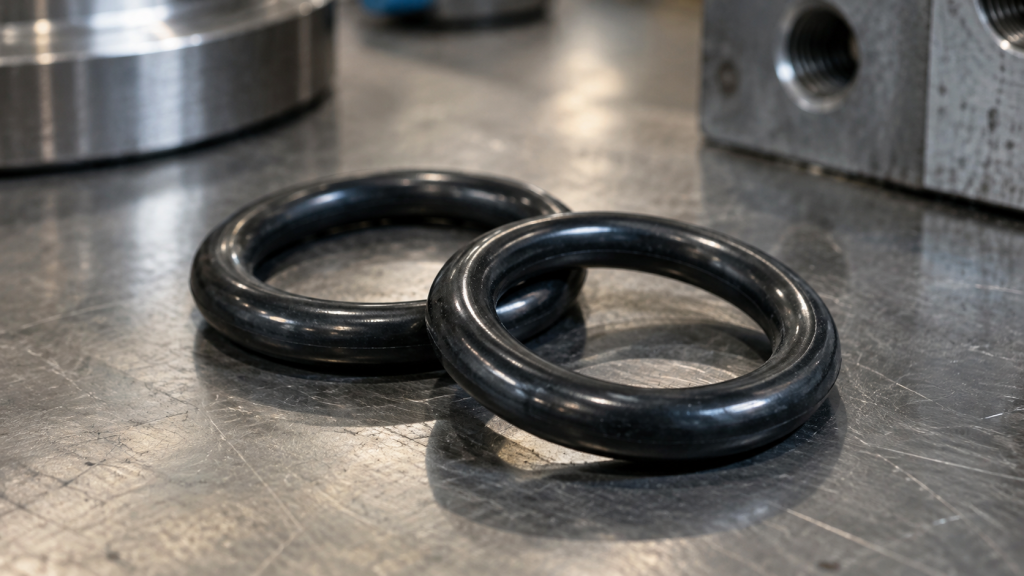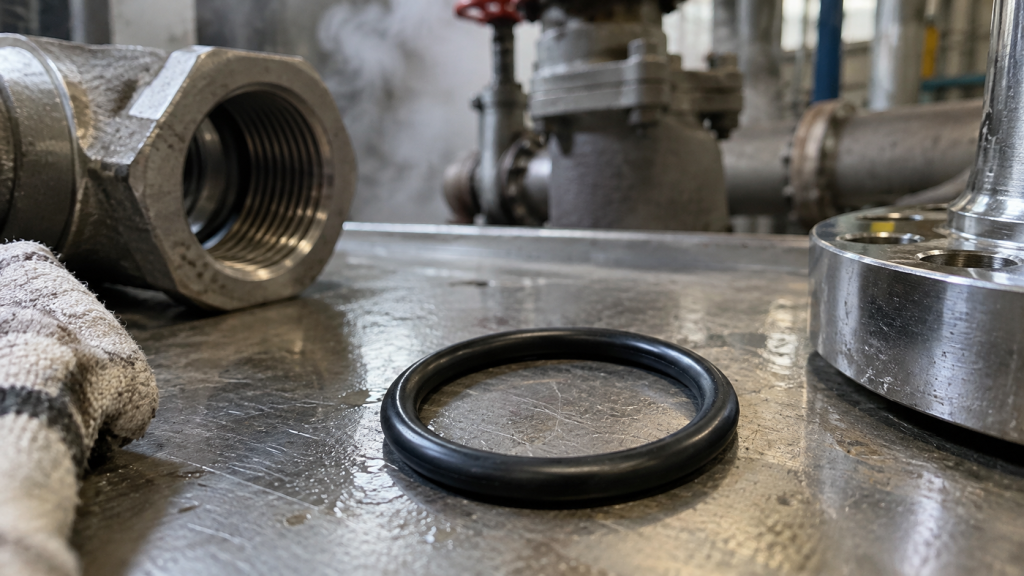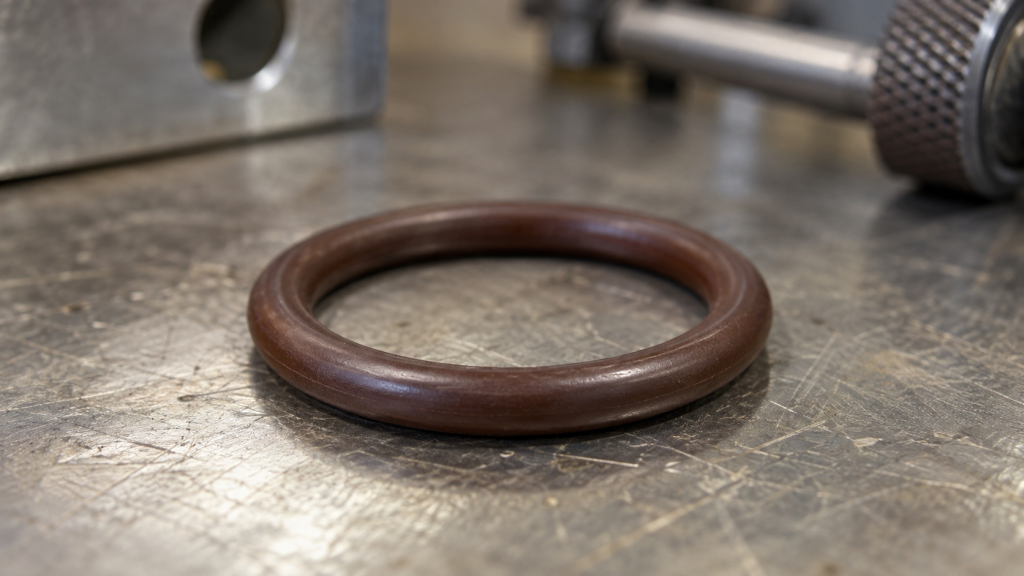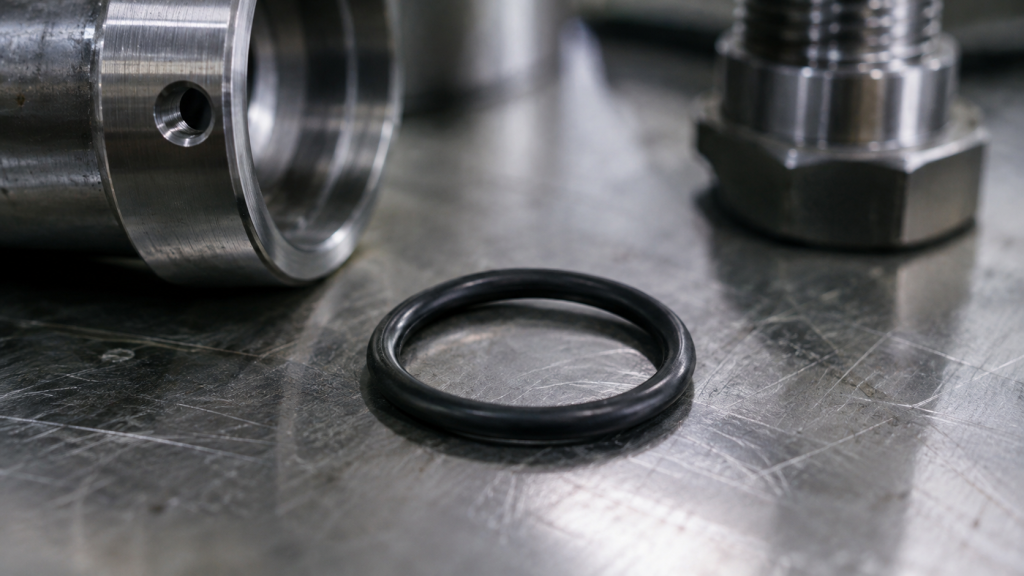

O-RING / STATIC SEALING

Make Sure Your O-Ring Really Seals Tightly and Lasts a Long Time

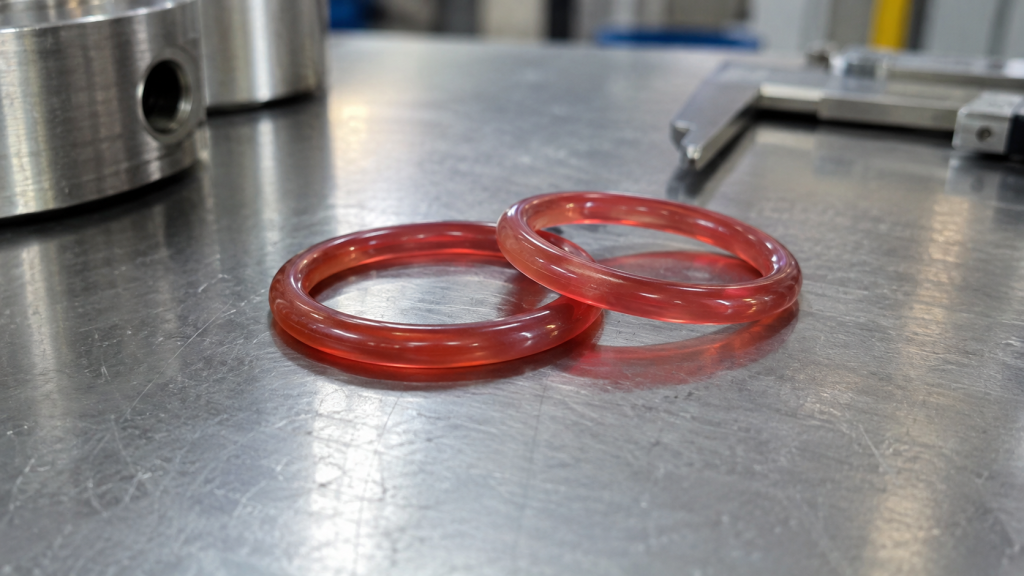
Send us your old parts, photos, dimensions, and operating conditions, and we'll directly adjust the materials, dimensions, and grooves to ensure stable operation.

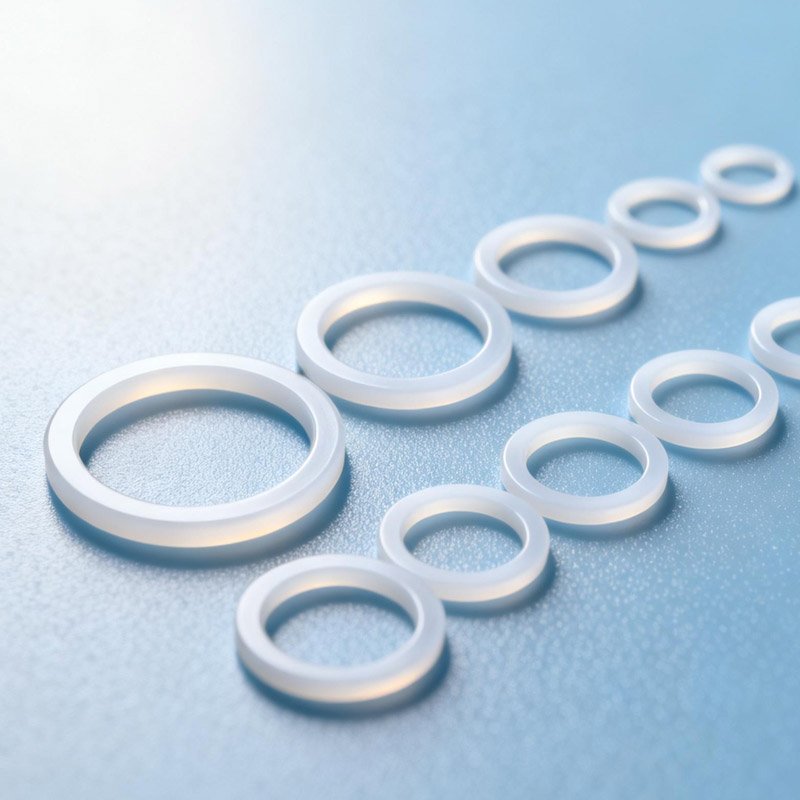
NBREPDMFKMHNBRFFKMSilicone
CHALLENGES FACED

Dear industrial sealing users, are you struggling with the following scenarios?

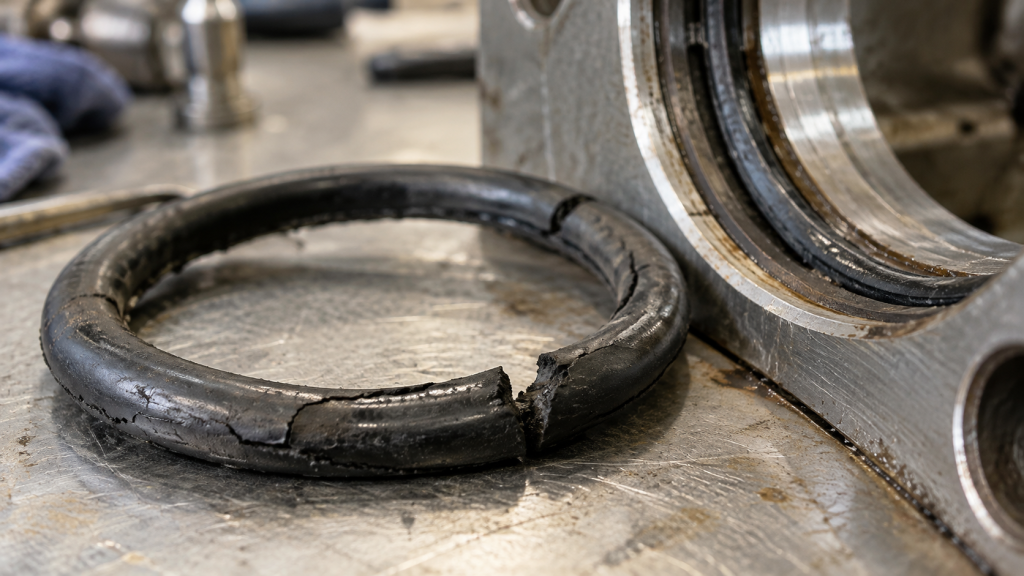
I clearly replaced the O-ring, so why is it still leaking? I clearly replaced the O-ring, so why is it still leaking?
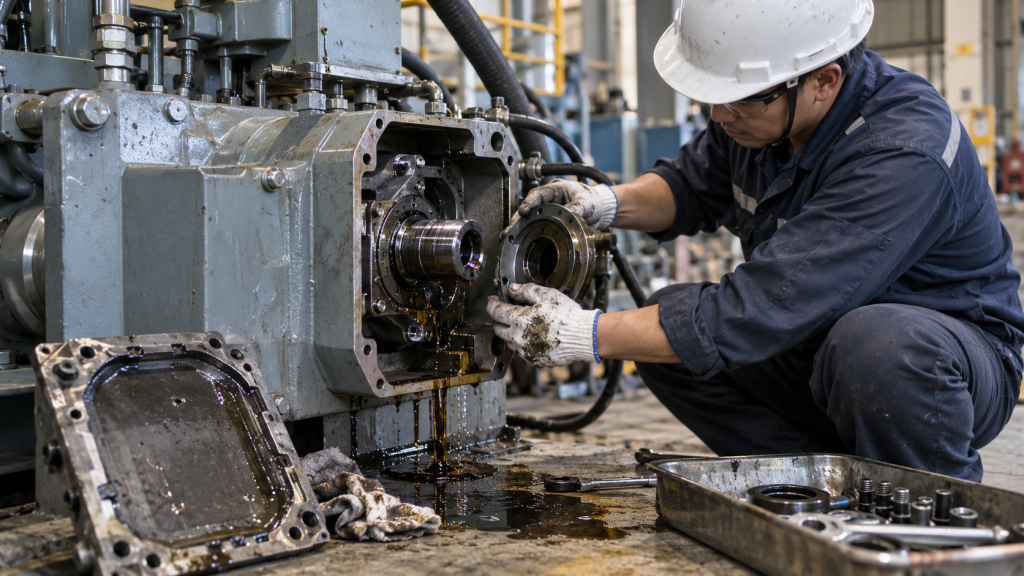
We've tried several different materials, so why is the service life still so short? We've tried several different materials, so why is the service life still so short?
The dimensions clearly match the original specifications, so why isn't it sealing properly when installed? The dimensions clearly match the original specifications, so why isn't it sealing properly when installed?
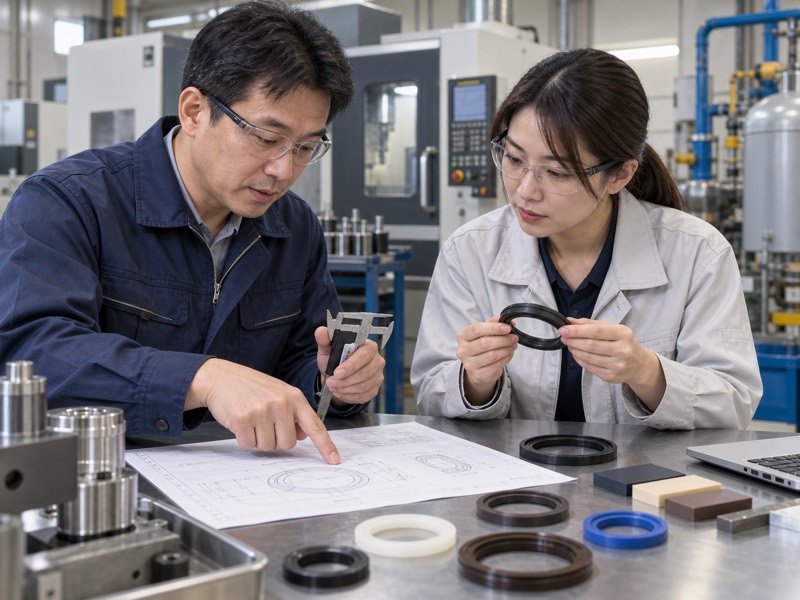
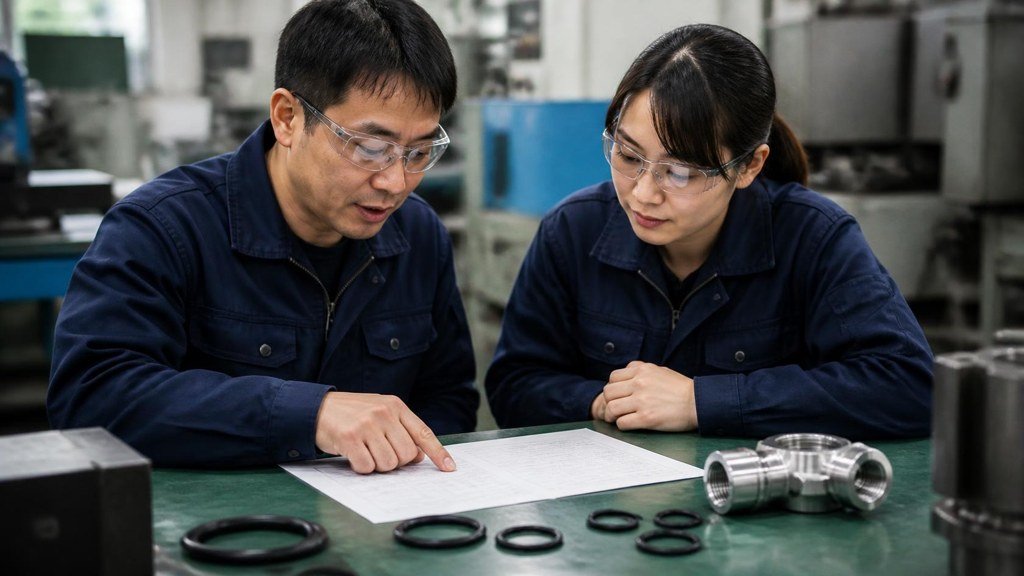
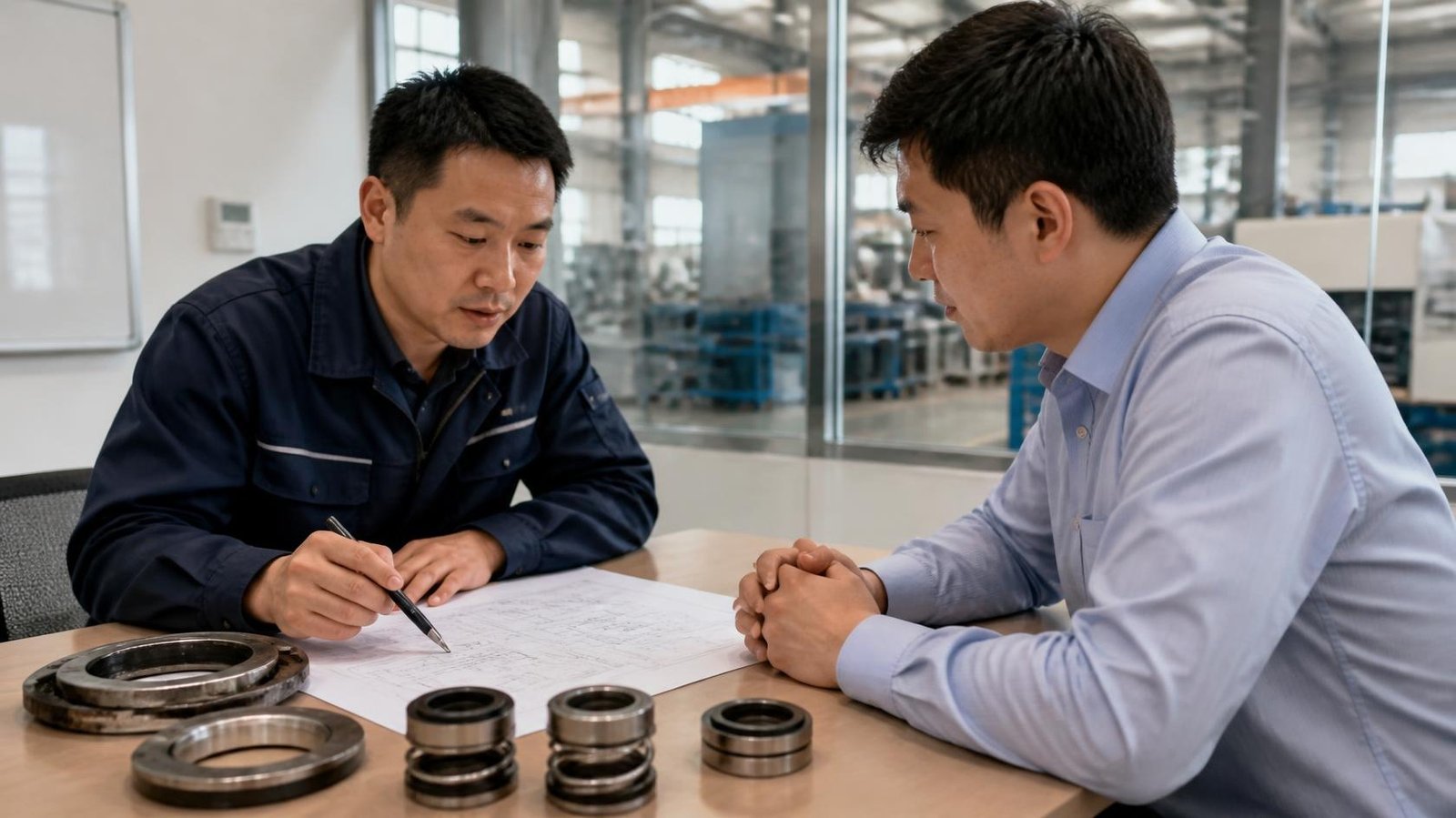
Engineer Cheng Xin Discusses O-Ring Material Selection and Manufacturing Solutions
WHY CHENGSHIN

Chengxin specializes in resolving issues with various sealing components.

Whether it’s a failure, material, operating environment, or compatibility with media/solvents, we can assess all these factors together. Send us photos of the on-site conditions, the old parts, or the equipment, and we’ll work together to pinpoint the problem.

WHY CHENGSHIN

6 Major Advantages of Chengxin O-Rings

Every decision boils down to one outcome: equipment that remains airtight, lasts longer, and is easier to maintain.

The equipment has returned to a stable seal
01

The equipment has returned to a stable seal

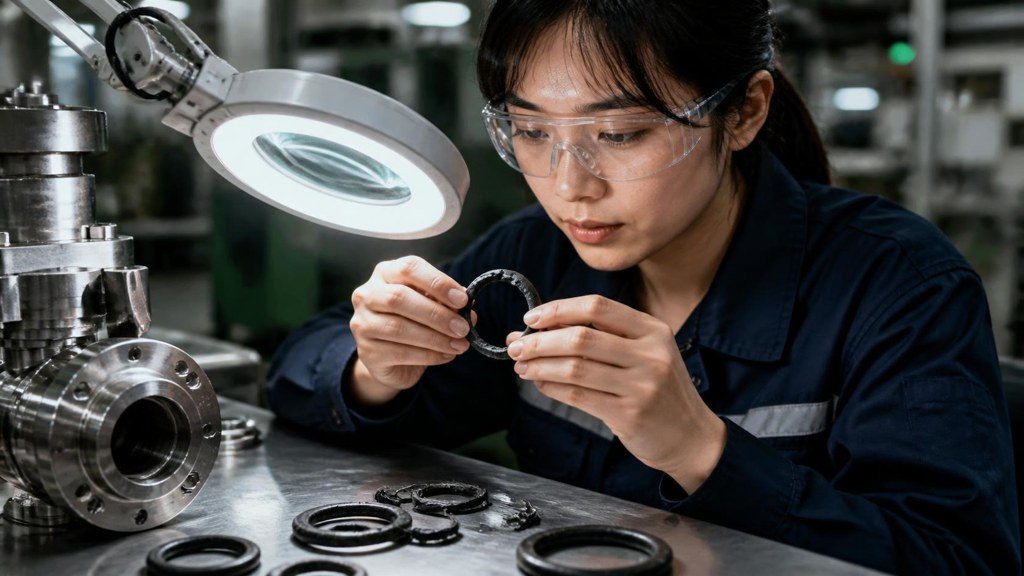
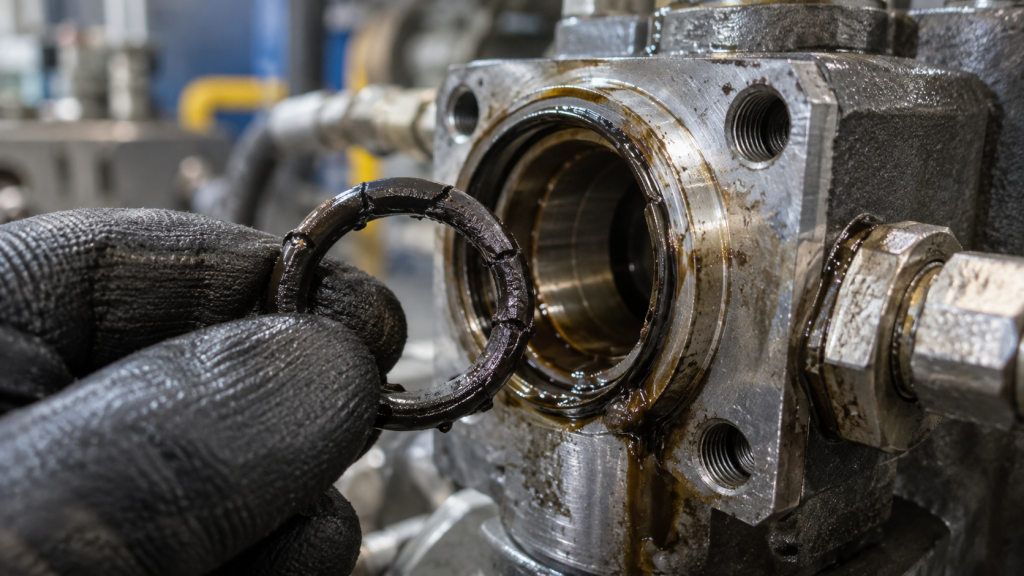
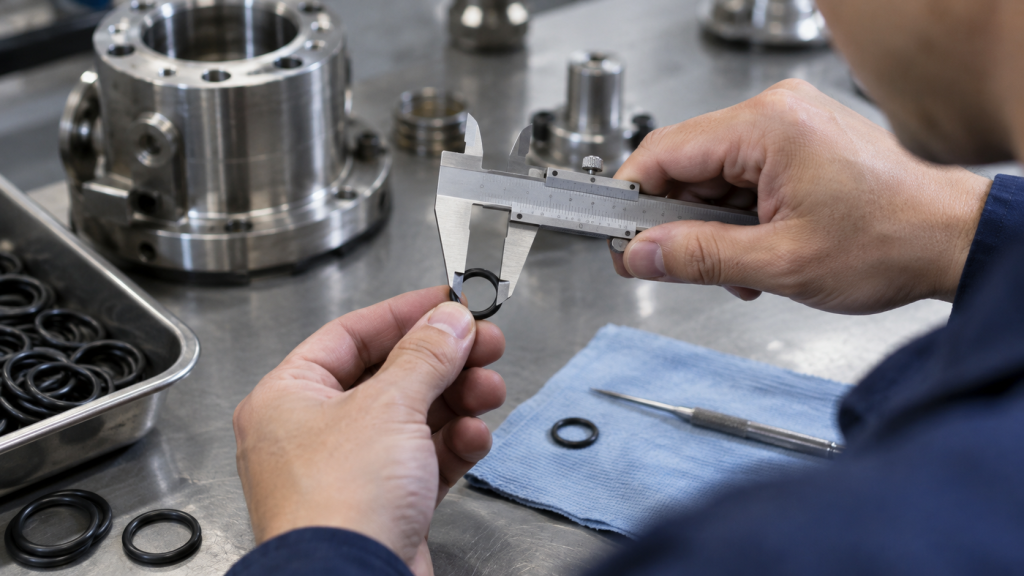
We will identify the root cause by analyzing failure traces—such as flattening, swelling, cracking, hardening, cuts, and extrusion—and cross-referencing them with the medium, temperature, pressure, and operating conditions, thereby restoring stable operation to the equipment.
Choose the Right Material for Longer-Lasting O-Rings
02

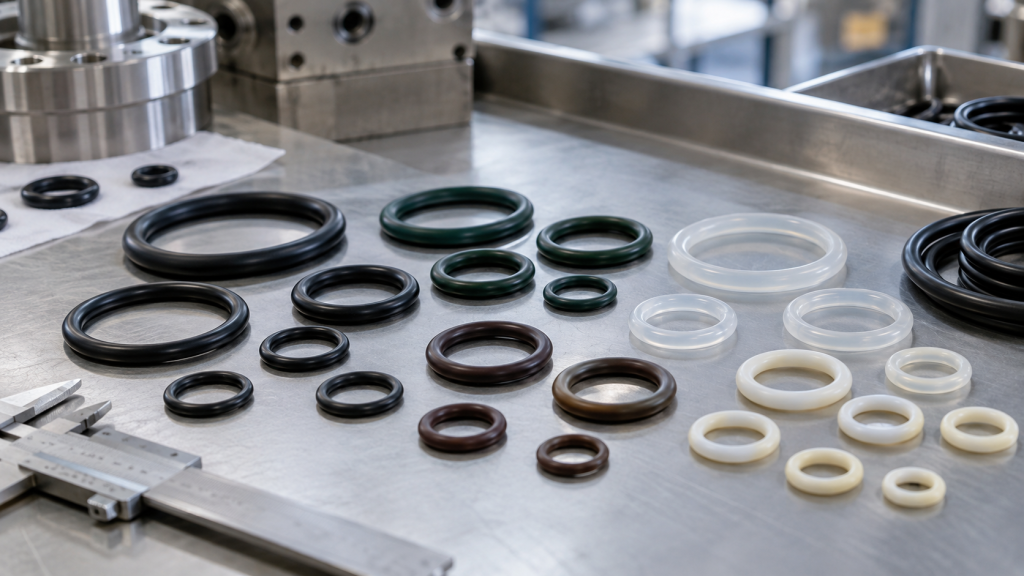
Choose the Right Material for Longer-Lasting O-Rings

We select the most suitable material from NBR, EPDM, FKM, HNBR, FFKM, and silicone based on the medium, temperature, pressure, and chemical compatibility, ensuring that the O-ring is truly suited to the operating conditions and provides stable, long-lasting performance.

It fits, and it really does seal tight.
03

It fits, and it really does seal tight.

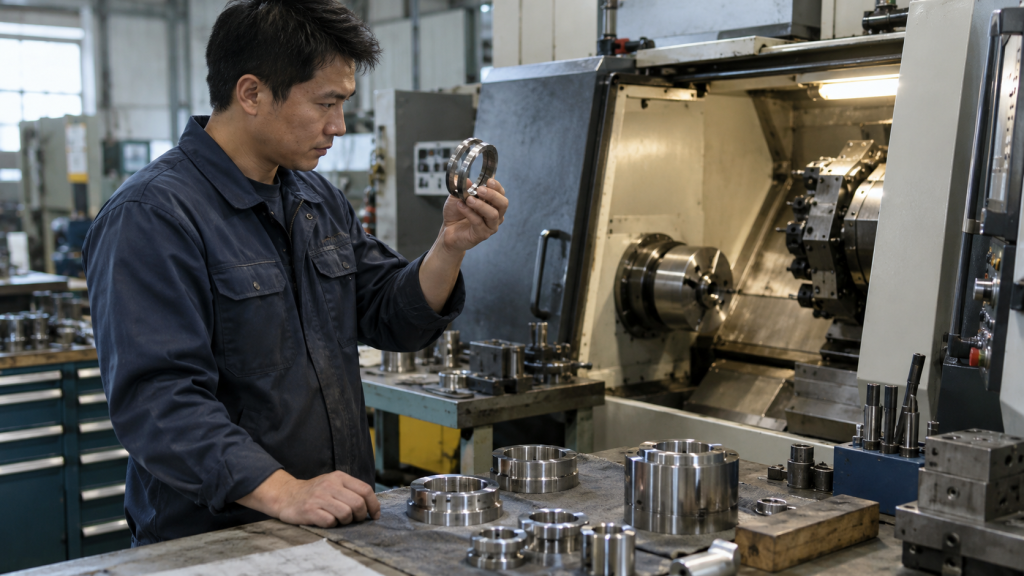
We don’t just look at the inner diameter (ID) and wire diameter (CS); we also verify the tolerances, elongation, and compression to ensure the dimensions are truly compatible with the equipment, so that once installed, the fit is airtight.

Groove-to-groove alignment ensures a more secure seal
04

Groove-to-groove alignment ensures a more secure seal

We will verify the groove depth, width, compression ratio, fill ratio, and clearance to ensure that the O-ring fits the equipment structure properly and maintains a stable seal once installed.

Stable operation even under high-pressure conditions
05

Stable operation even under high-pressure conditions

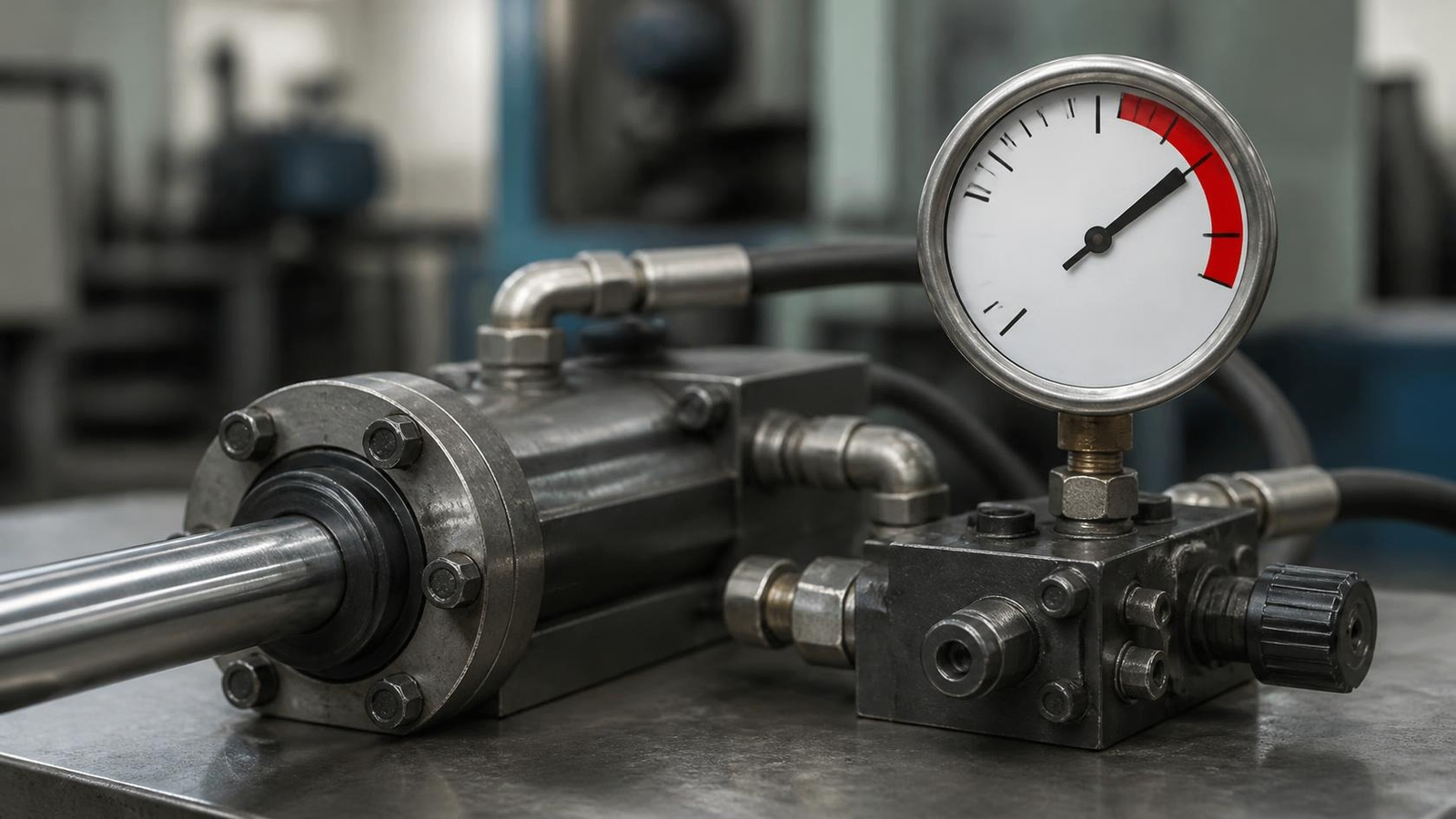
We determine whether a backup ring is needed based on pressure, clearance, and hardness to ensure that the O-ring remains intact under high pressure, allowing the equipment to continue operating stably.

More consistent service life, making maintenance easier to schedule
06

More consistent service life, making maintenance easier to schedule

We take into account the medium, temperature, pressure, cleaning conditions, and actual operating environment to make seal life more predictable, allowing for better planning of maintenance, spare parts, and downtime.

PRODUCT SELECTION

When selecting O-rings, choose the type first, then consider the material

First, determine which type of O-ring you need, then select the material based on the medium, temperature, pressure, and operating environment—only then will you choose the right specifications.

STEP 01

First, determine which type of O-ring you need

First, examine the equipment, grooves, and intended use to determine the structural requirements for the O-ring.

General-Purpose O-Ring
01

General-Purpose O-Ring

Suitable for the most common static sealing applications; first, verify the inner diameter, wire diameter, groove, and compression conditions.

View O-Ring Specifications →
Square Ring
02

Square Ring

If a larger contact area or a different groove fit is required, a square cross-section can be used instead to ensure a tighter seal.

Suitable for special groove and contact requirements
High-Pressure O-Ring with Backup Ring
03

High-Pressure O-Ring + Backup Ring

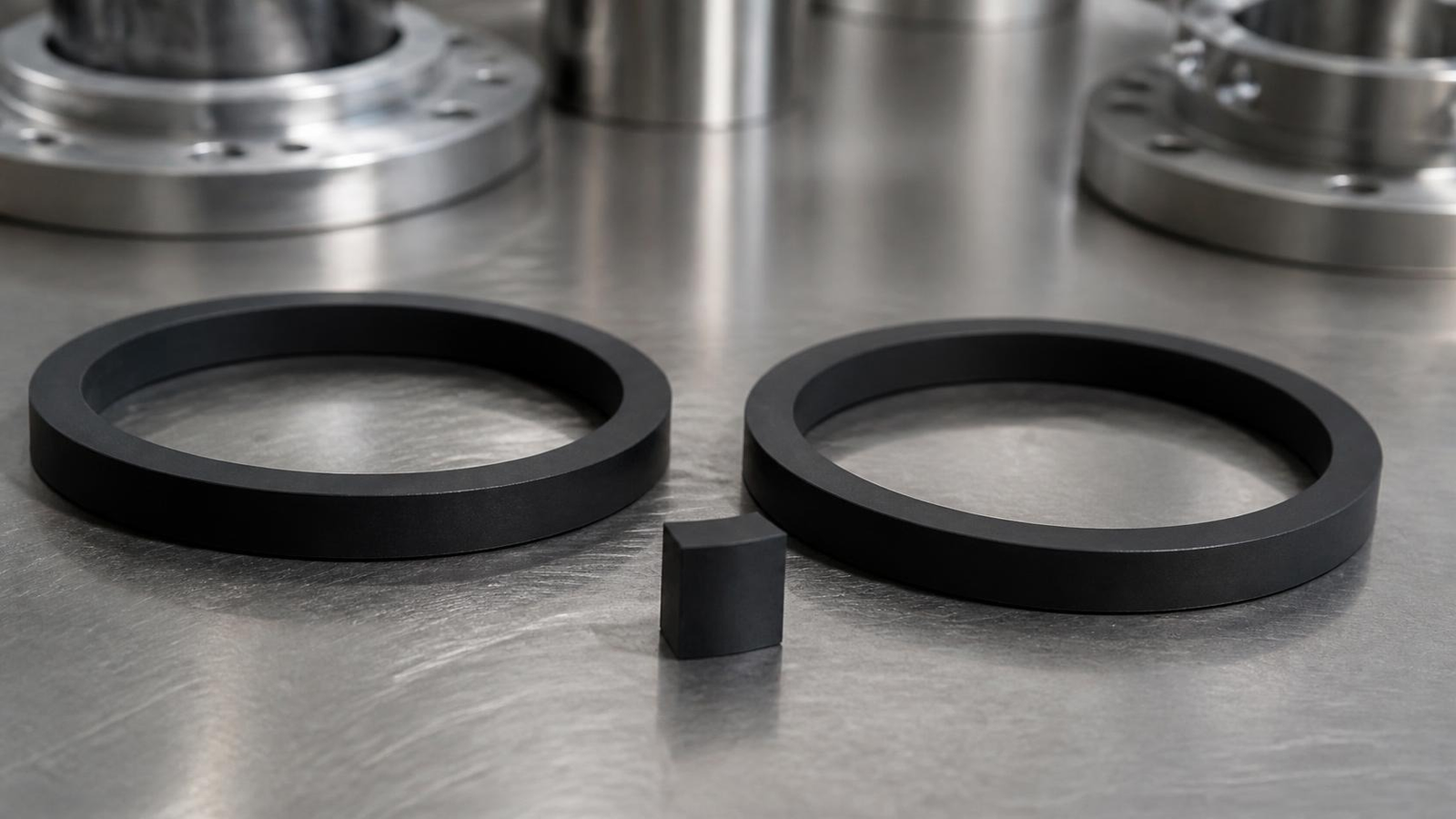
When pressure is high or the clearance is too large, adding a backup ring provides support, making the O-ring more stable and less likely to be squeezed out.

View High-Voltage Support Solutions →
Special Sizes and Custom O-Rings
04

Special Sizes / Custom O-Rings

If standard sizes are not suitable, we can develop custom specifications suitable for prototyping based on existing parts, drawings, dimensions, and operating conditions.

You can start with existing parts, dimensions, and drawings
After the O-ring type has been confirmed Decide what material to use for this O-ring
STEP 02

Choose a material for this O-ring again

Even for the same type of O-ring, the media it can withstand, the temperature range, and its service life will vary significantly depending on the material.

Nitrile Rubber
NBR

Nitrile Rubber

Common Oils and General Industrial Equipment

Oil-Resistant | General-Purpose
EPDM rubber
EPDM

EPDM rubber

Water, Steam, and the Outdoor Environment

Water-resistant | Weather-resistant
Fluorine Rubber
FKM

Fluorine Rubber

High Temperatures, Oils, and Various Chemical Media

High-Temperature Resistance | Chemical Resistance
Hydrogenated Butadiene-Acrylonitrile Rubber
HNBR

Hydrogenated Butadiene-Acrylonitrile Rubber

Requirements for higher temperatures and higher mechanical strength

Oil-resistant | High-temperature-resistant
Silicone
Silicone

Silicone

Food, Medical, and Wide Temperature Ranges

Food-Grade | Temperature-Resistant
Perfluorinated Rubber
FFKM

Perfluorinated Rubber

Extreme Chemical Conditions and Harsh High-Temperature Environments

Exceptional Chemical Resistance | Extreme Environments
Not sure which one to choose? Just send us the details on the medium, temperature, pressure, dimensions, or the old part, and we'll handle the selection process for you.
WHERE IT FAILS

A more stable sealing method can be achieved across different types of equipment.

First, examine the actual conditions, then select materials and designs that will ensure long-term performance.

Hydraulic and Pneumatic Systems: O-Ring Failure

Hydraulics/Pneumatics | Better Control of Oil and Air Leaks

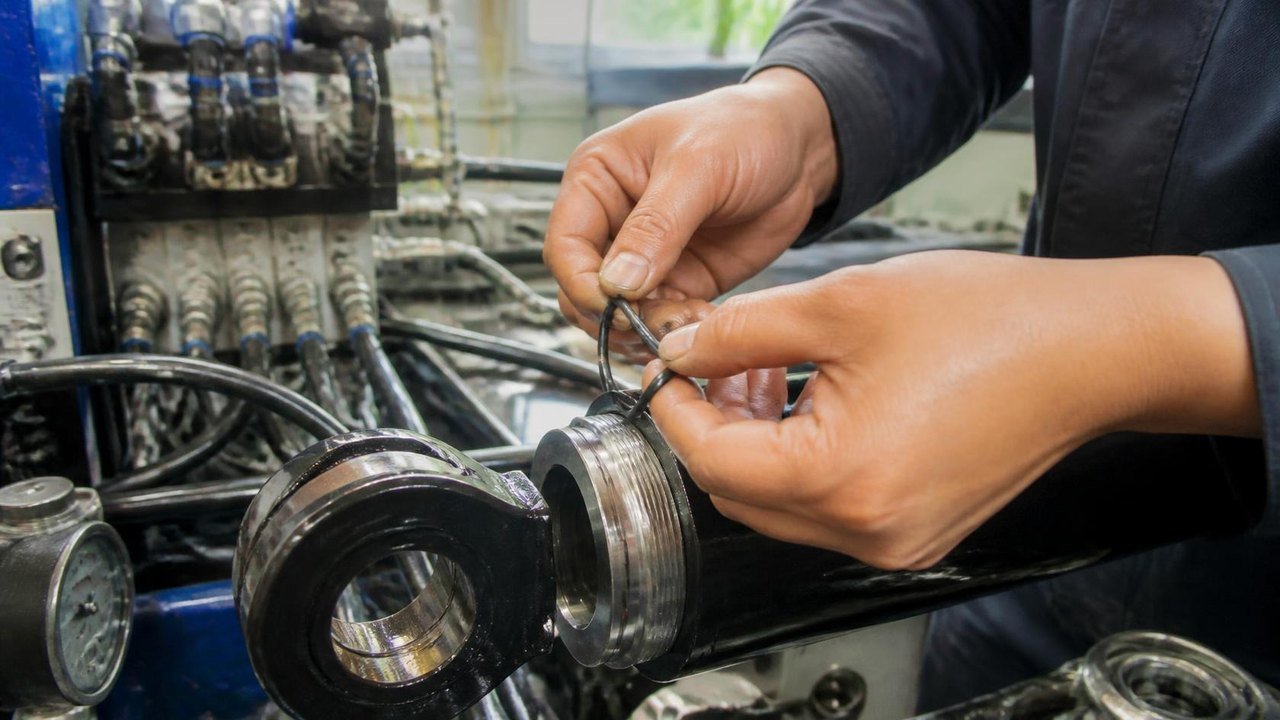
Under pressure cycling, O-rings in hydraulic cylinders, valve bodies, and pipe fittings are continuously subjected to compression and changes in clearance.

Common Failures: Extrusion, cuts, compression set → Oil seepage/air leakage.
Seal Failure in Pumps and Valves Due to Corrosive Media

Pumps/Valves | More Reliable Fluid Sealing

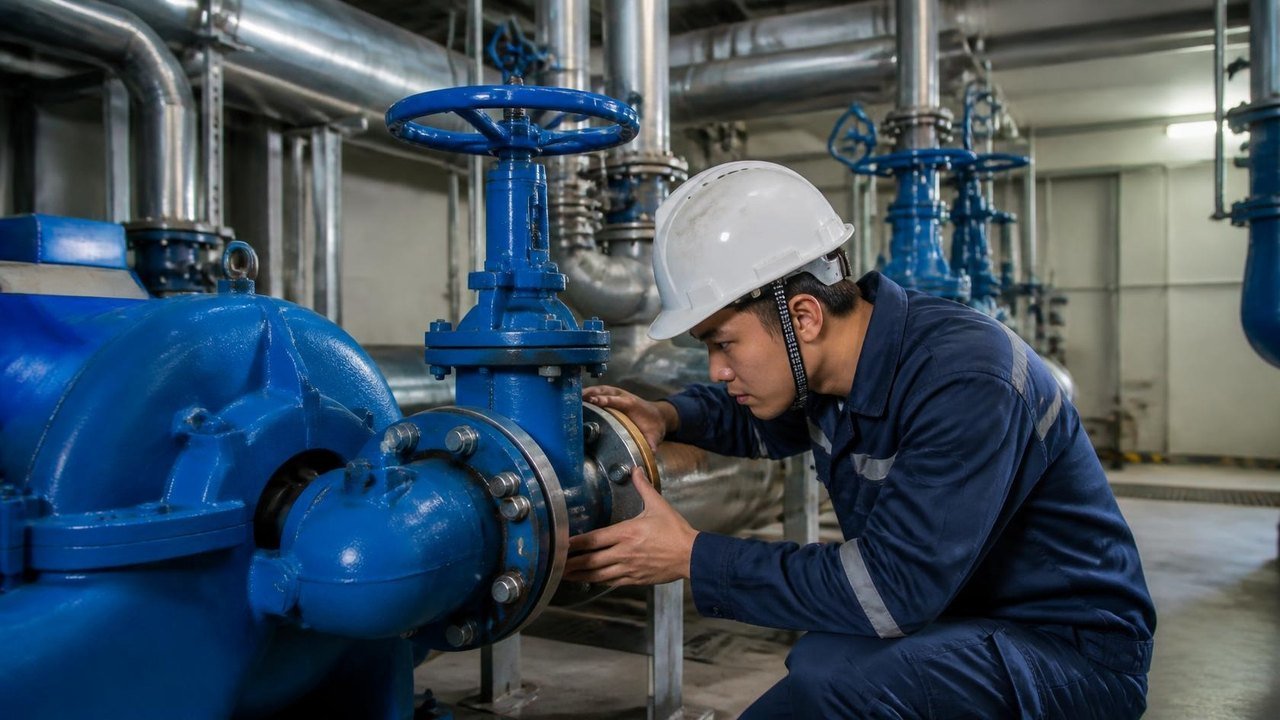
Since the pump body, valve cover, and piping come into contact with oils, solvents, acids, alkalis, and various other fluids, material compatibility is the first consideration.

Common Failure: Choosing the right material ensures a longer service life → Yet even after replacing it with a new product made of the same material, leaks continue to occur repeatedly.
Automotive Industry | O-Rings That Last Even in High-Temperature Lubricants: Applications of O-Rings in High-Temperature Lubricants

Automotive Industry | Long-Lasting Even Under High-Temperature Conditions

Fuel, lubricants, and high-temperature environments can have a long-term impact on the elasticity and service life of rubber.

Common failures: hardening, loss of resilience, compression set → reduced long-term sealing performance.
Chemical Processing Equipment | Maintaining Seals in Corrosive Environments: O-Ring Applications in Corrosive Media

Chemical Processing Equipment | Maintaining Seals in Corrosive Environments

If the wrong material is selected for use with acids, alkalis, solvents, or corrosive media, O-rings may degrade rapidly within a short period of time.

Common failures: swelling, erosion, cracking → Recurring failures and unplanned downtime.
Food and Pharmaceutical Equipment O-Ring Cleaning Cycle

Food/Pharmaceuticals | Meeting Both Sealing and Cleaning Requirements

CIP/SIP, steam, cleaning agents, and repeated disassembly and reassembly can accelerate the aging of seals.

Common failures: aging, deformation, and surface damage; the product must also meet food contact and compliance requirements.
Applications of O-Rings in Semiconductor and Vacuum Equipment

Semiconductors/Vacuum | More Stable Cleanroom and Vacuum Performance

Vacuum, plasma, specialty gases, and ultra-clean environments place even higher demands on material purity, chemical resistance, and outgassing characteristics.

The risks go beyond leaks: there is also the potential for gas release, contamination, and process abnormalities.
INCOMING MATERIAL VERIFICATION

Documented materials provide peace of mind when making a delivery

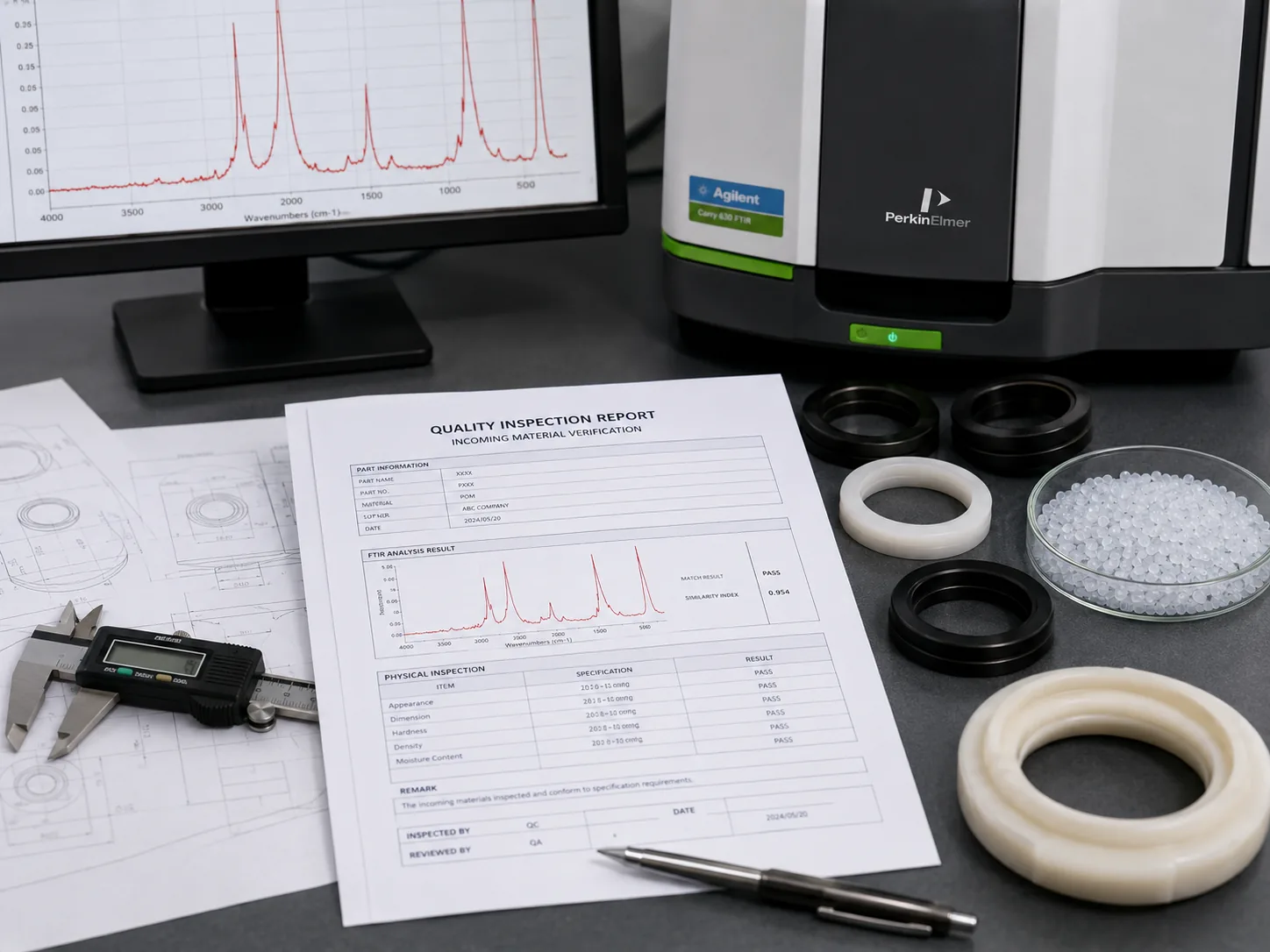
FTIR material comparison, along with dimensional and visual inspections and material documentation, ensures that the O-rings you receive are verifiable and traceable, making it easier to integrate them into your internal quality control processes.

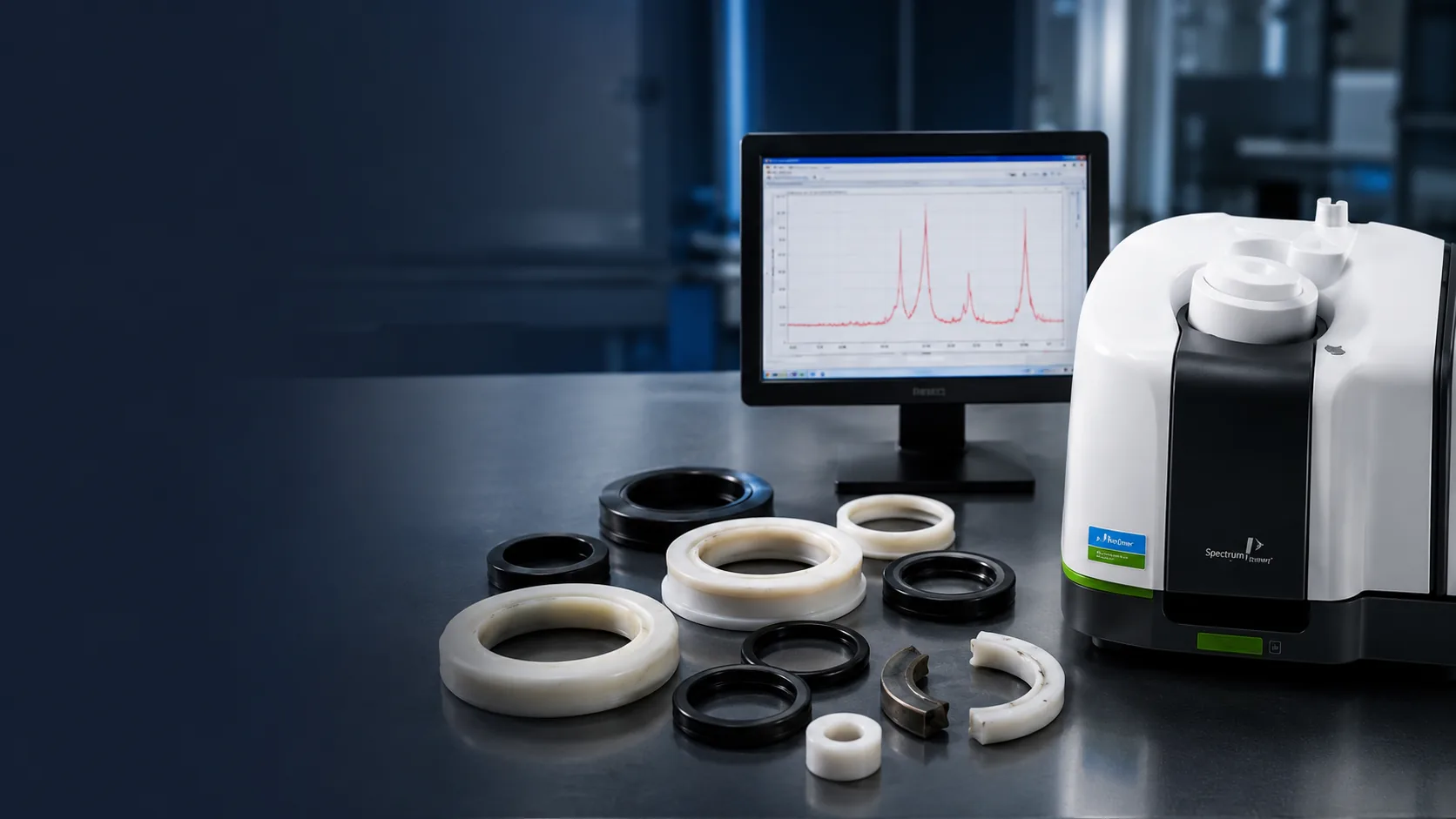
FTIR Spectrometers and Engineering Plastic Samples FTIR Material Comparison

We verified the feedstock material through spectral analysis, and it matched the specifications.

Quality Inspection Report and FTIR Spectrum Illustration Test reports are traceable

The comparison results and inspection records are retained and can be provided upon request.

With the documentation in place, it’s easier to verify that the specifications have been met. With the documentation in place, it’s easier to verify that the specifications have been met.
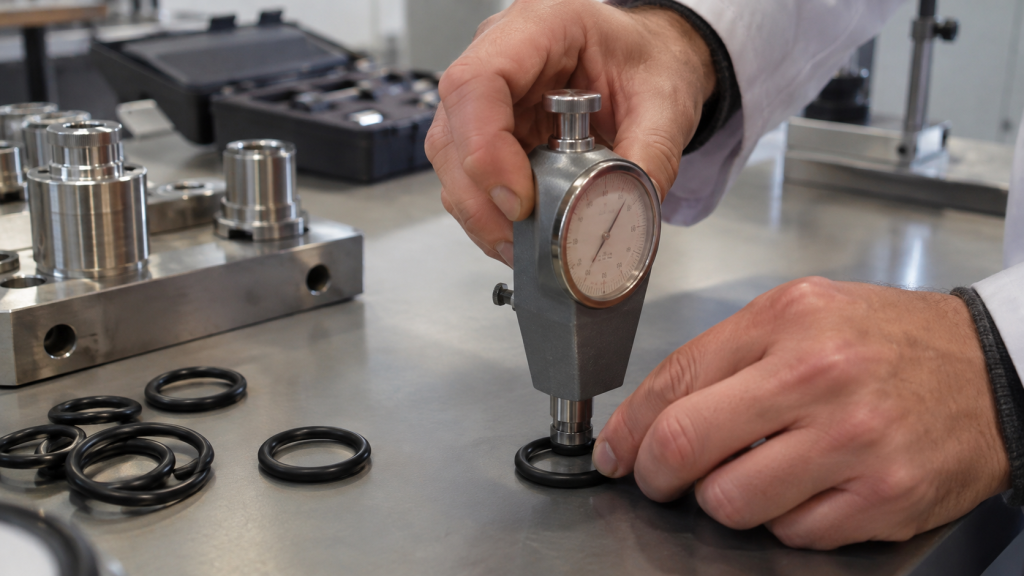
Material certification and compliance documentation are provided based on manufacturer or third-party documents, including requirements such as REACH, RoHS, FDA, COA, PFAS, and PFOS.

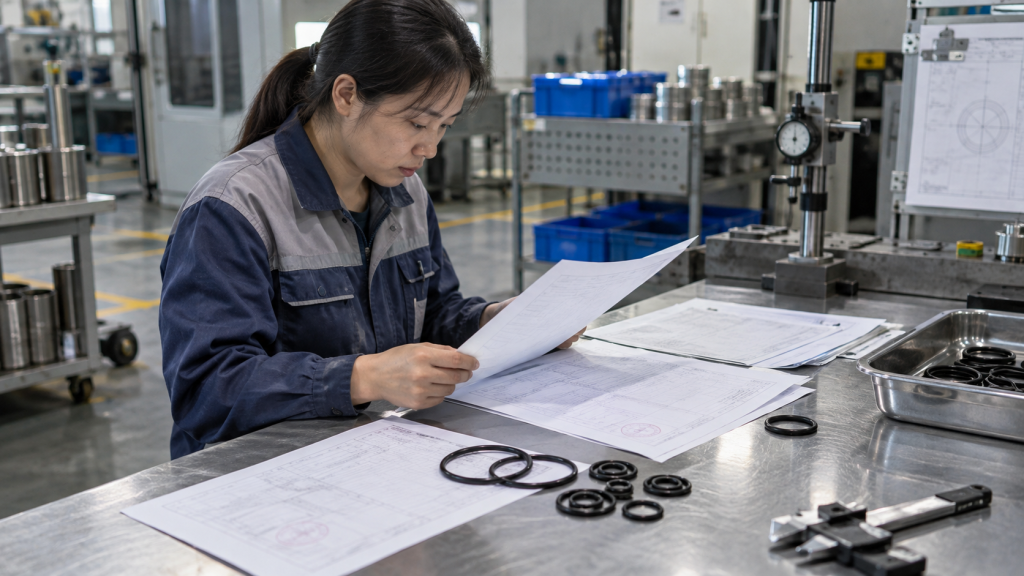
Incoming Material Verification: Greater Assurance for Materials Simultaneous Verification of Dimensions and Appearance
Incoming materials undergo FTIR material verification, and their dimensions and appearance are checked simultaneously to ensure that the materials, specifications, and actual delivery match.

CUSTOMER SUCCESS

In the end, what we saw was that the equipment really did become more stable.

Ultimately, all of the above considerations boil down to the same outcome: fewer failures, more reliable seals, and easier maintenance.

Hydraulic Equipment

Hydraulic Equipment | Failure Rate Significantly Reduced 90%

The customer’s hydraulic equipment had been experiencing recurring leaks for some time. After re-evaluating the O-ring material, dimensions, and actual operating conditions, we proceeded with the necessary replacements and adjustments.

Existing case studies on this site: The failure rate of the 90% has been significantly reduced, and equipment operation has become noticeably more stable.
Food Equipment

Food Equipment | Sealing and Documentation—All in One

Food processing equipment must not only provide a proper seal, but the materials and compliance documentation must also be properly accounted for. Chengxin assists in selecting O-rings based on operating conditions and provides the corresponding material documentation.

The result is a sealing solution that is usable, verifiable, and more likely to pass internal quality control processes.
High-Temperature, High-Pressure Equipment

High Temperature and High Pressure | More Stable Sealing, Better Control of Downtime

In the face of high temperatures, high pressure, and extended operating conditions, we reevaluate material compatibility, compression, and groove conditions to ensure that O-rings truly meet the equipment’s requirements.

This ultimately results in more consistent sealing performance, reducing the risk of leaks and downtime.
Send me the data so we can move right on to the next step.
SEND IT NOW

Send me the data so we can move right on to the next step.

Whether it's old parts, photos, dimensions, part numbers, or operating conditions—just send us the information you have, and we'll consolidate it into specifications that can be processed in the next step.