
First, check the materials,
Fewer material errors and less rework.
Chengxin Engineering Plastics Incoming Material Verification System
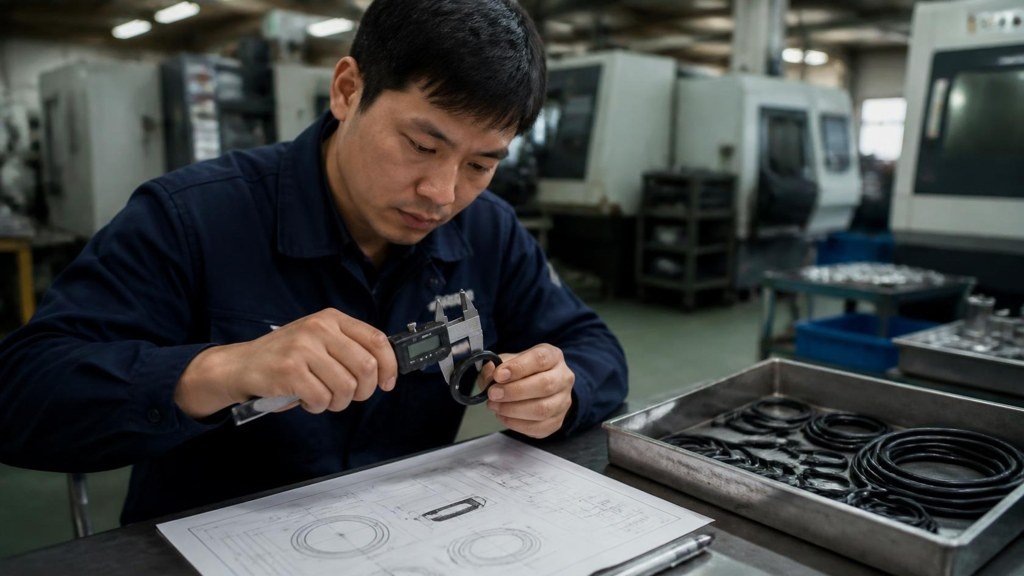
Chengxin performs material, dimensional, and batch verification at an earlier stage, helping to reduce the risk of discovering material errors only after processing has begun. From FTIR material comparison and visual inspection of dimensions to density, hardness, and surface resistance/antistatic properties, an additional verification step is conducted based on material specifications and order requirements, providing a more solid foundation for subsequent processing and restocking.
Why do materials need to be rechecked after they arrive at Chengxin?
Materials may appear similar, but their performance can vary. Chengxin double-checks the material type and batch number before processing and delivery, helping to identify issues early on and reduce the burden of subsequent replacements, rework, and re-verification.
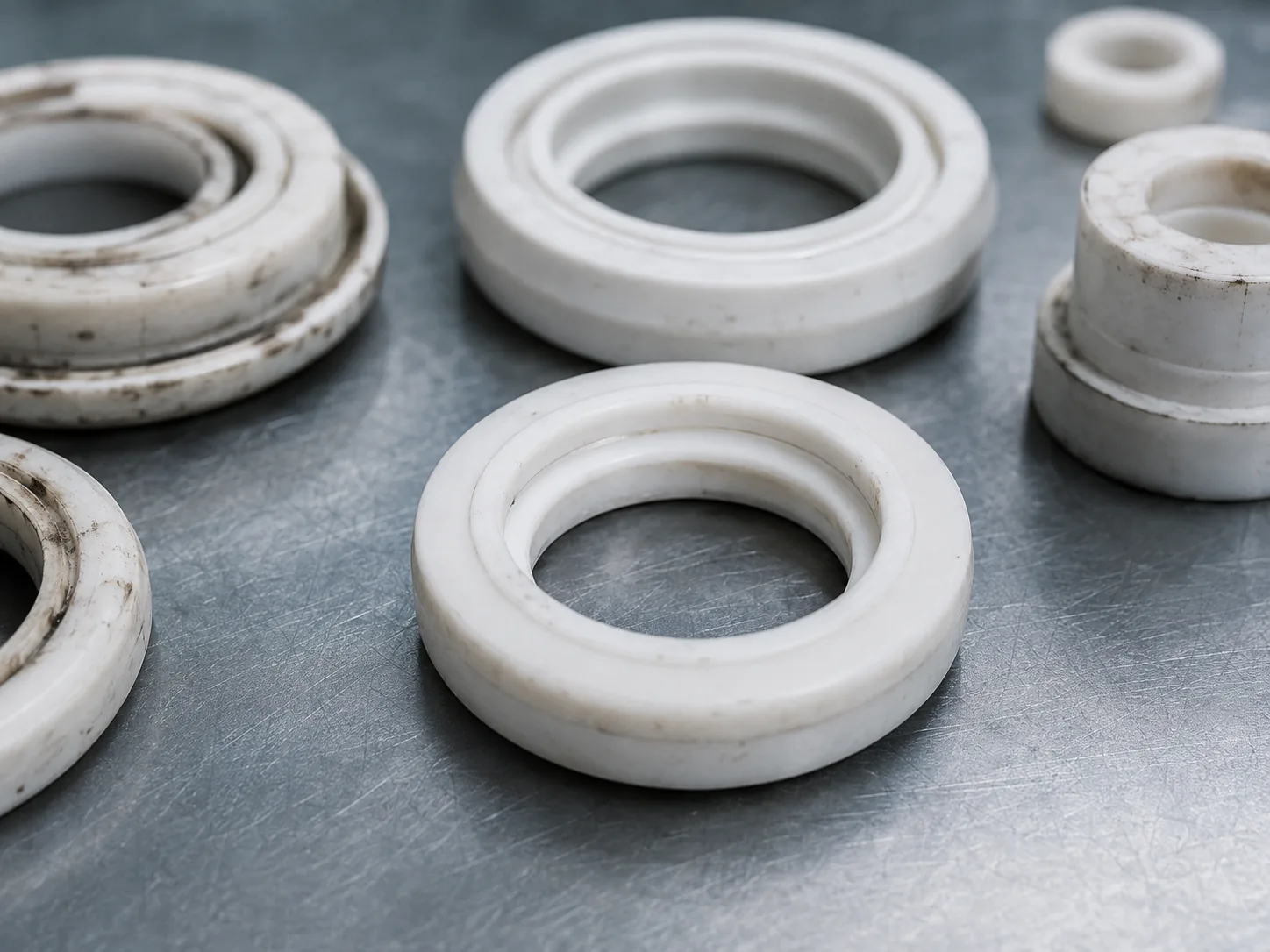
Engineering plastics have a similar appearance
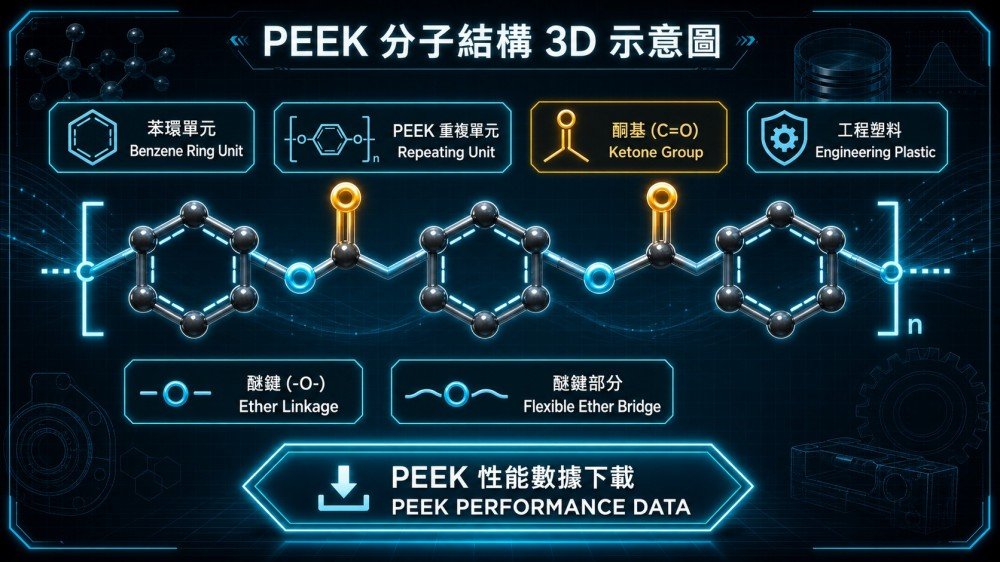
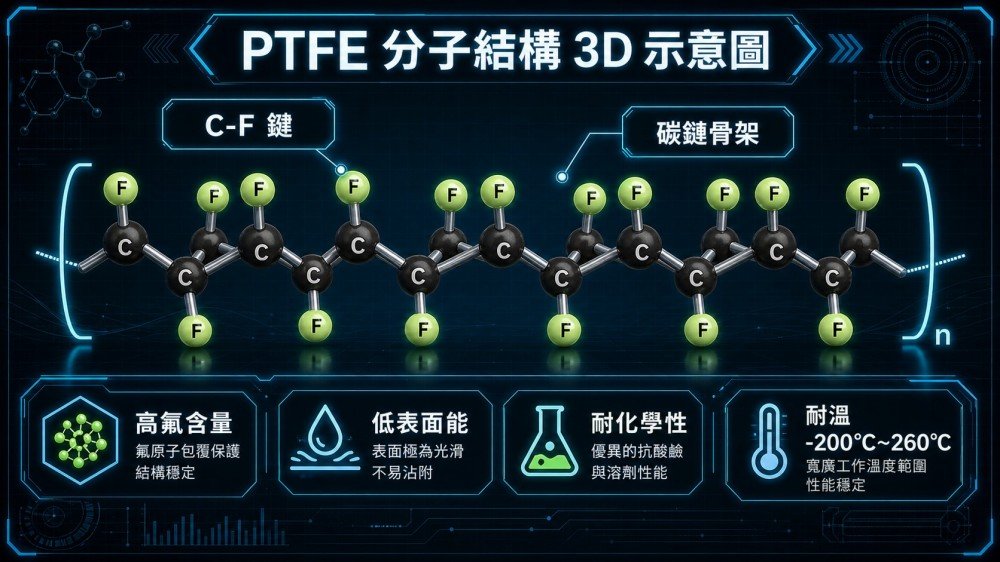
Materials such as PTFE, PFA, FEP, and PVDF may look similar, making it difficult to distinguish them solely by color or texture. Conducting an additional material comparison helps reduce the risk of having to redo work due to using the wrong material.
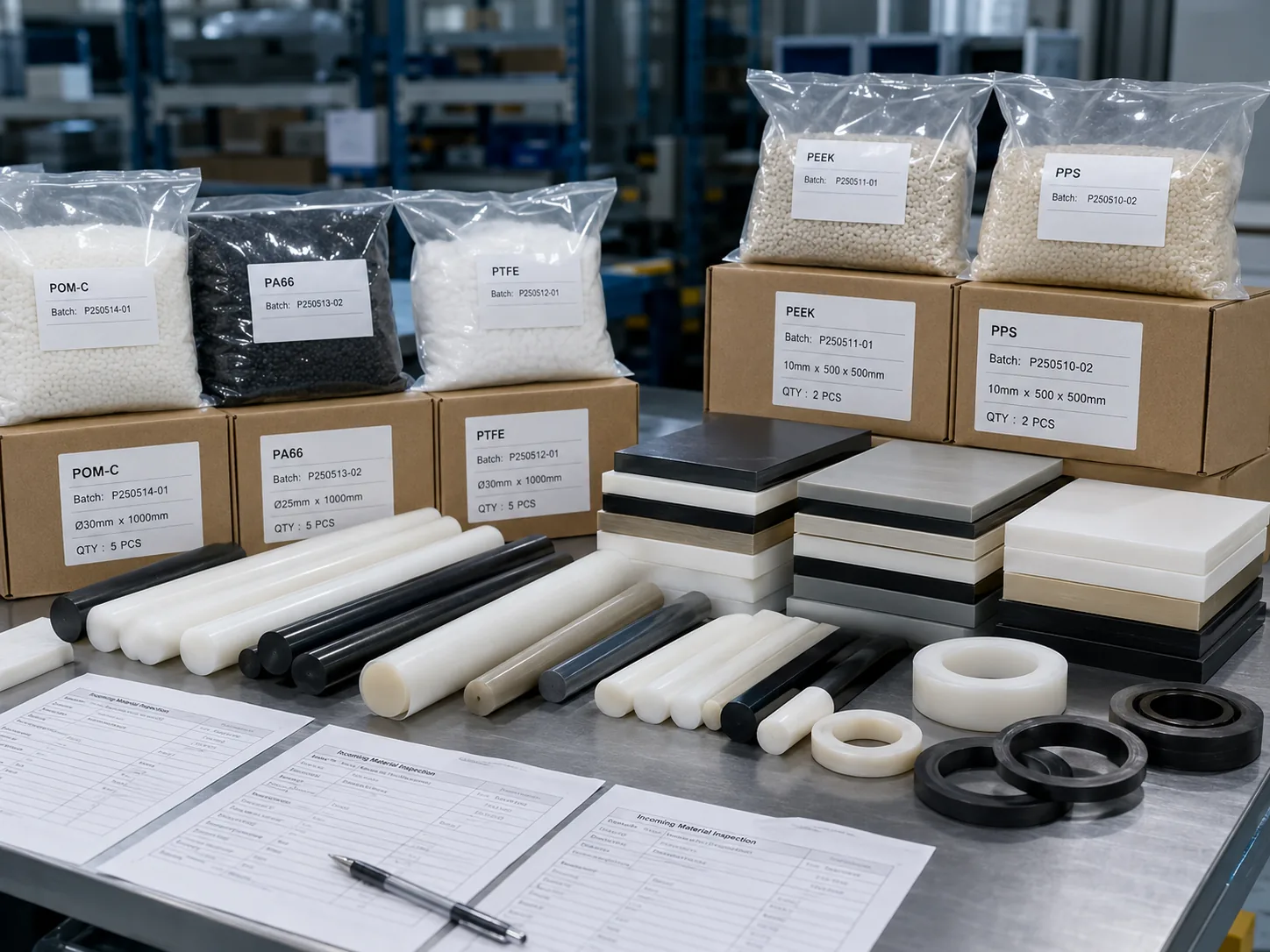
Different sources and batches
Even if the material names are the same, it is still necessary to verify the different factories, sources, and batches. Link the incoming material information to the inspection records so that subsequent restocking has a traceable record to follow, eliminating the need to verify everything from scratch each time.
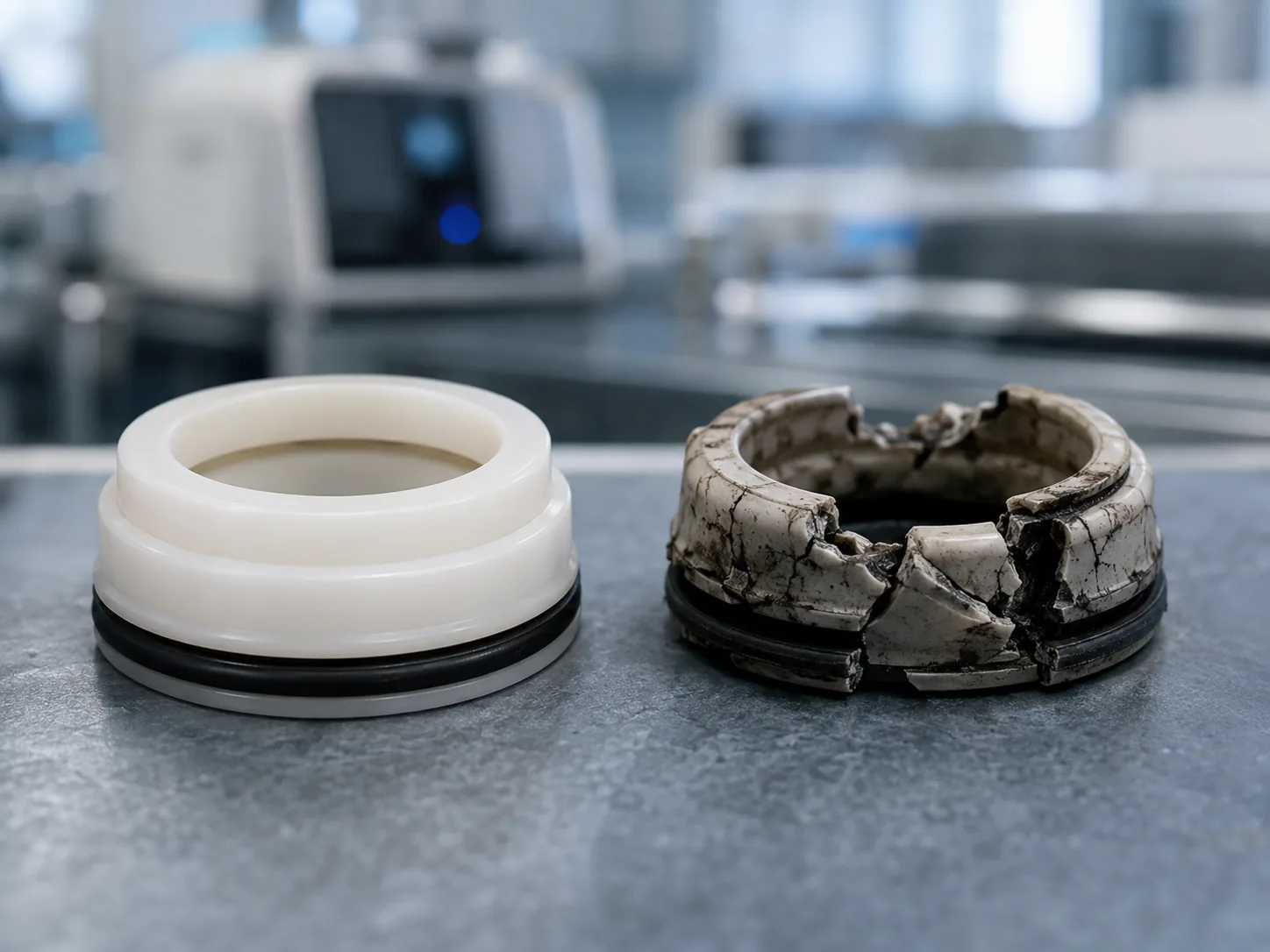
The cost of using the wrong materials comes later
Material errors can affect chemical resistance, temperature resistance, dimensional stability, and service life. By verifying materials earlier in the process, you can help reduce the risk of downtime, rework, and customer complaints caused by the use of the wrong materials in equipment.
Use the spectral characteristics of the material to add an additional step for material verification
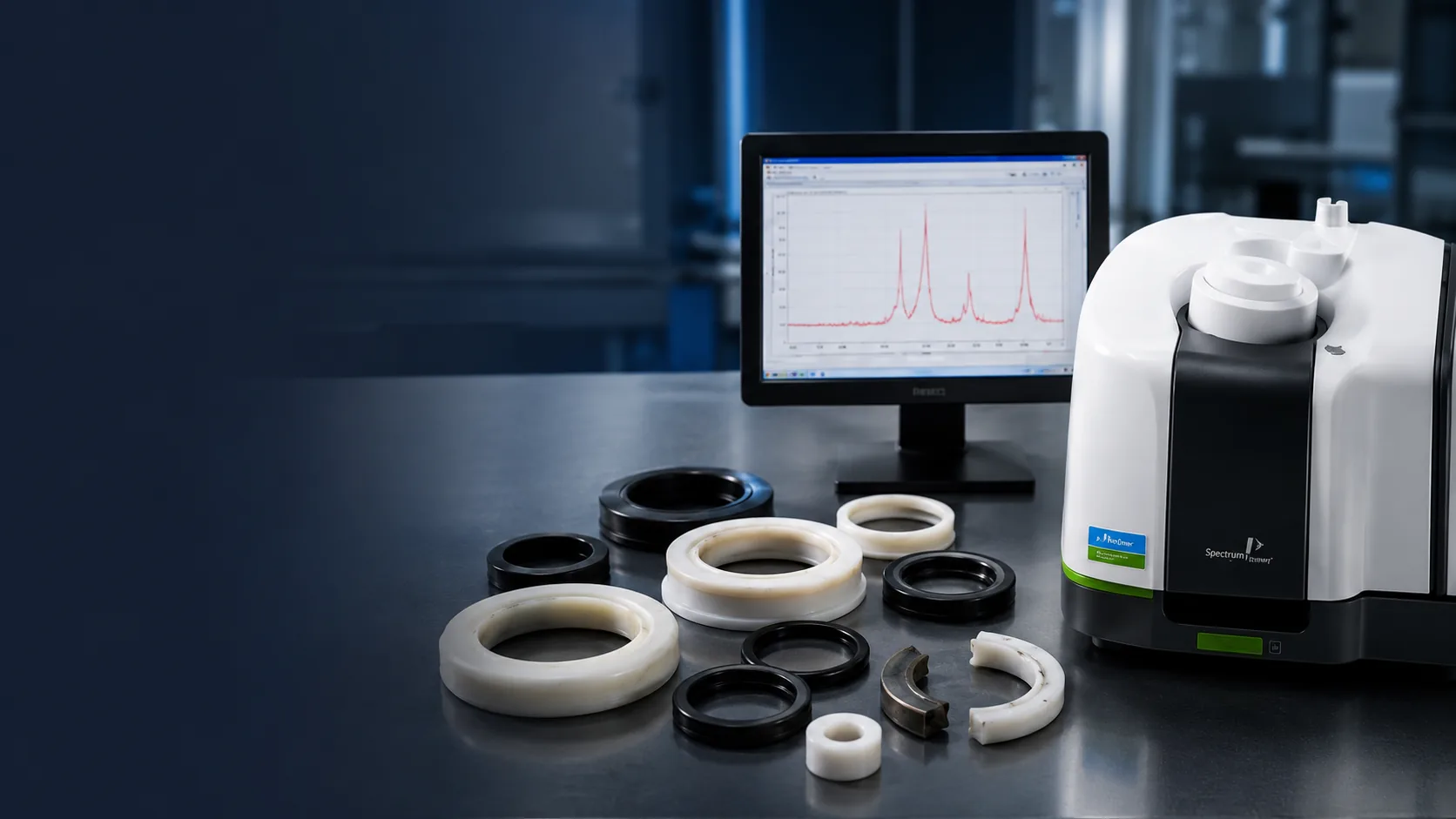
Chengxin obtains FTIR spectra of incoming samples and compares them with standard or reference spectra to help verify whether the material characteristics meet procurement requirements, thereby reducing the risks associated with selecting materials based solely on appearance.
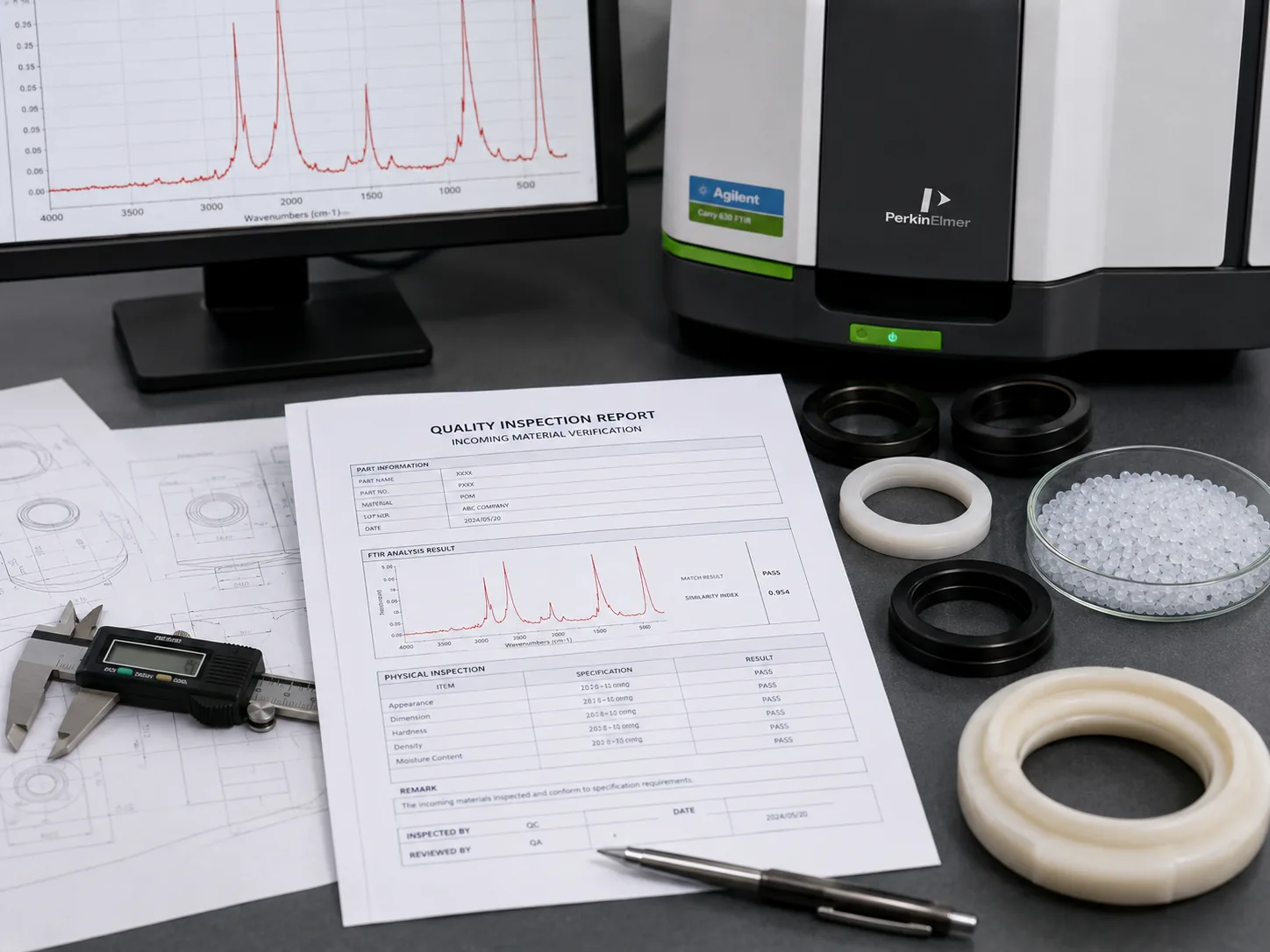
Chengxin Engineering Plastics Incoming Material Verification System
FTIR is one of the core tools; the specific inspection procedures are determined based on the material, product type, and order requirements, and records of incoming material information, test results, and evaluation findings are maintained.
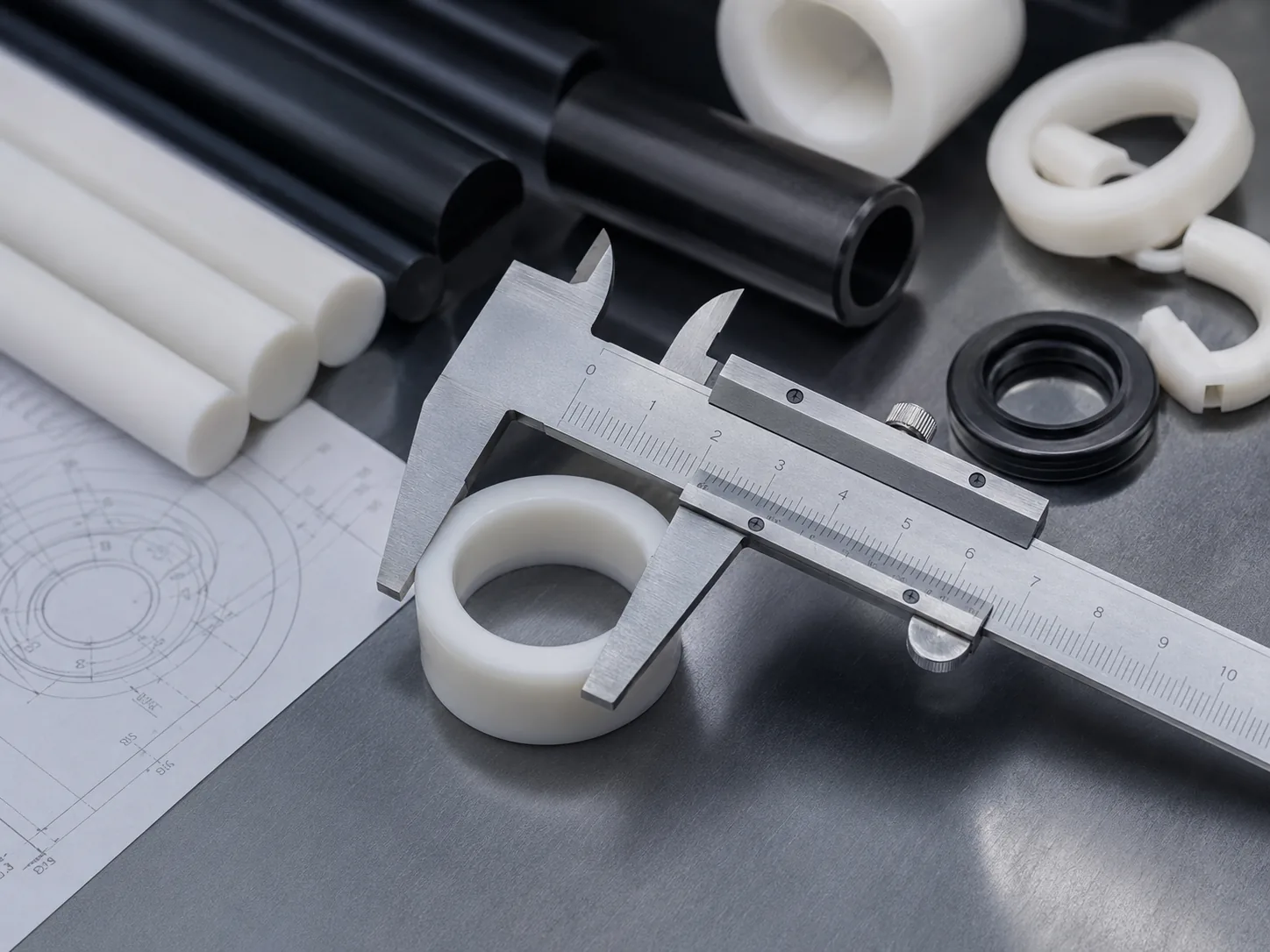
Dimensions and Appearance
Determine the appearance, outer diameter, thickness, length, and critical dimensions based on the product type.
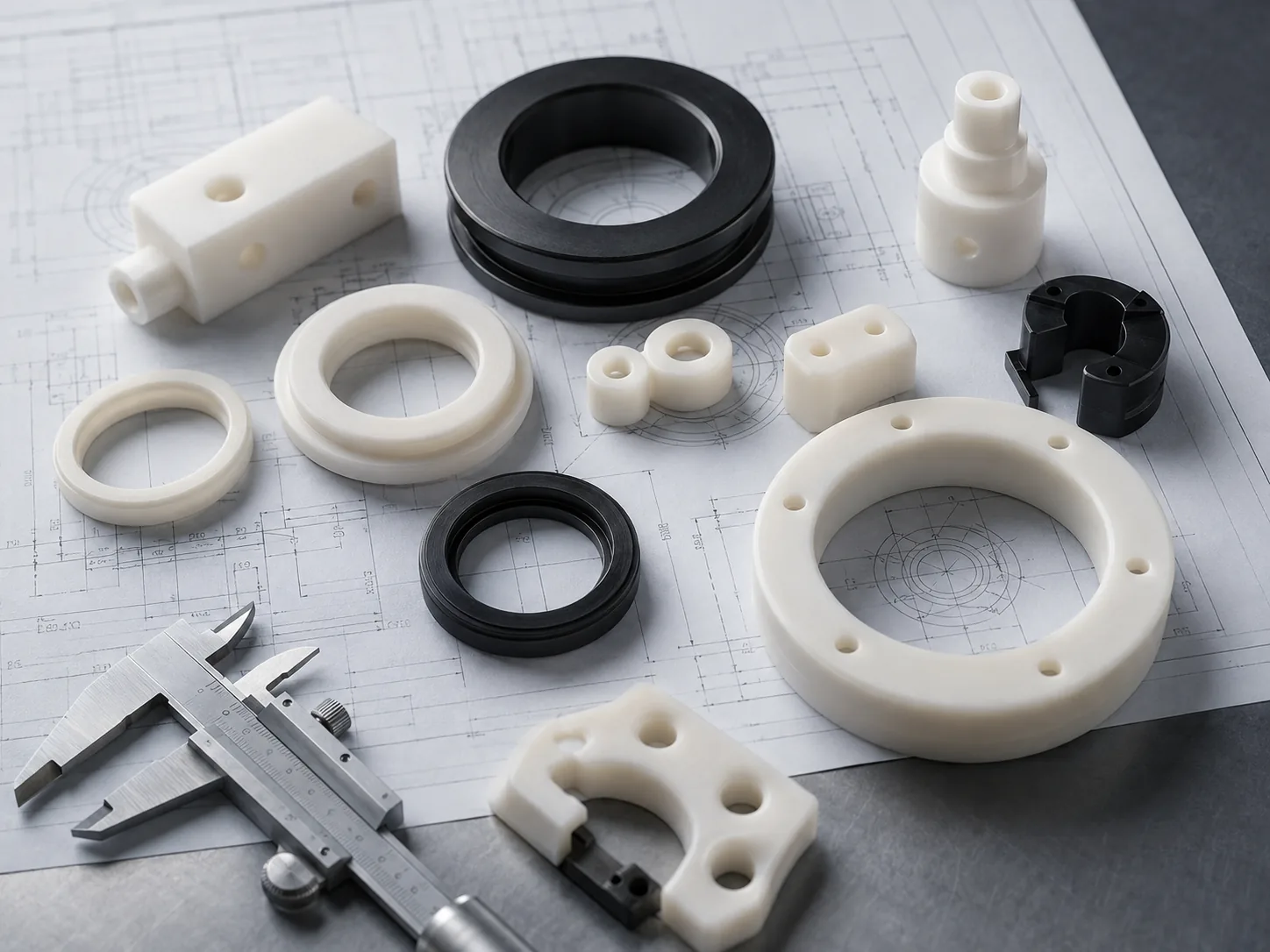
Critical Machining Dimensions
Verify the roundness, straightness, critical dimensions, and surface finish requirements of the workpiece.
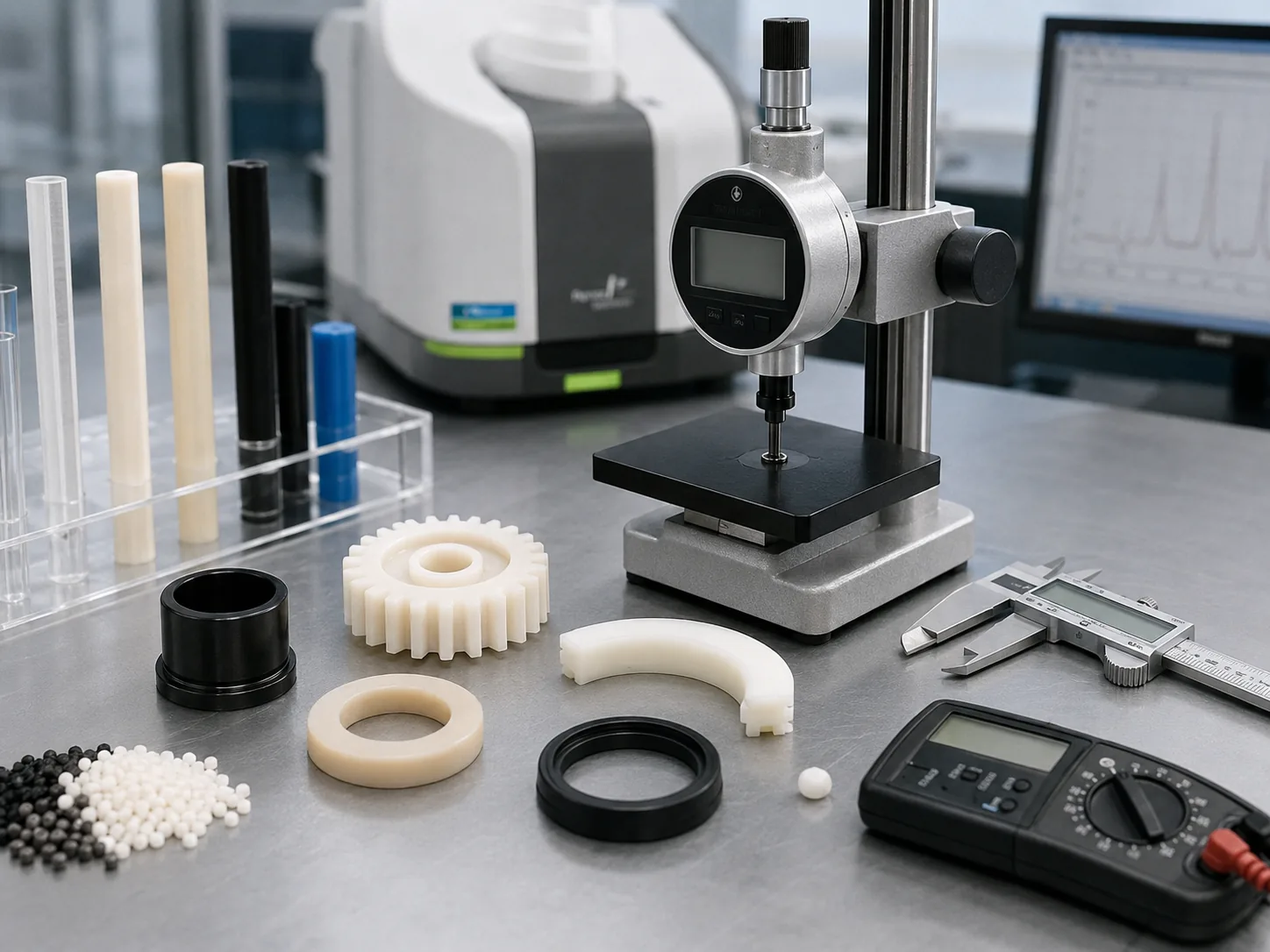
Material Properties and Antistatic Verification
Based on product and material requirements, verify parameters such as hardness, density, surface resistance, and antistatic properties.
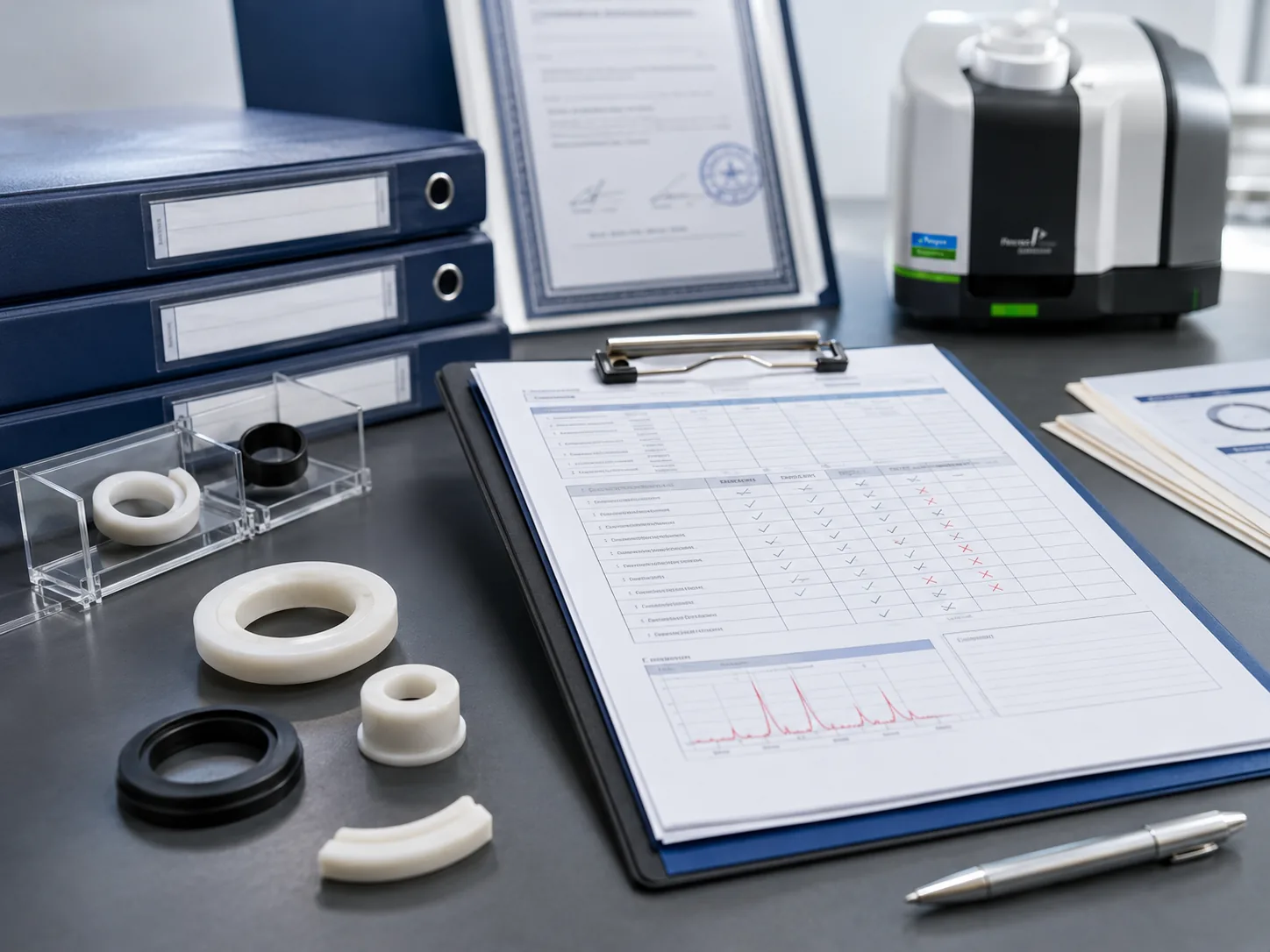
Document Verification
For RoHS, REACH, FDA, NSF 61, and other standards, the manufacturer’s or third-party documentation shall prevail.
Enable restocking and quality traceability,
There are records to refer to
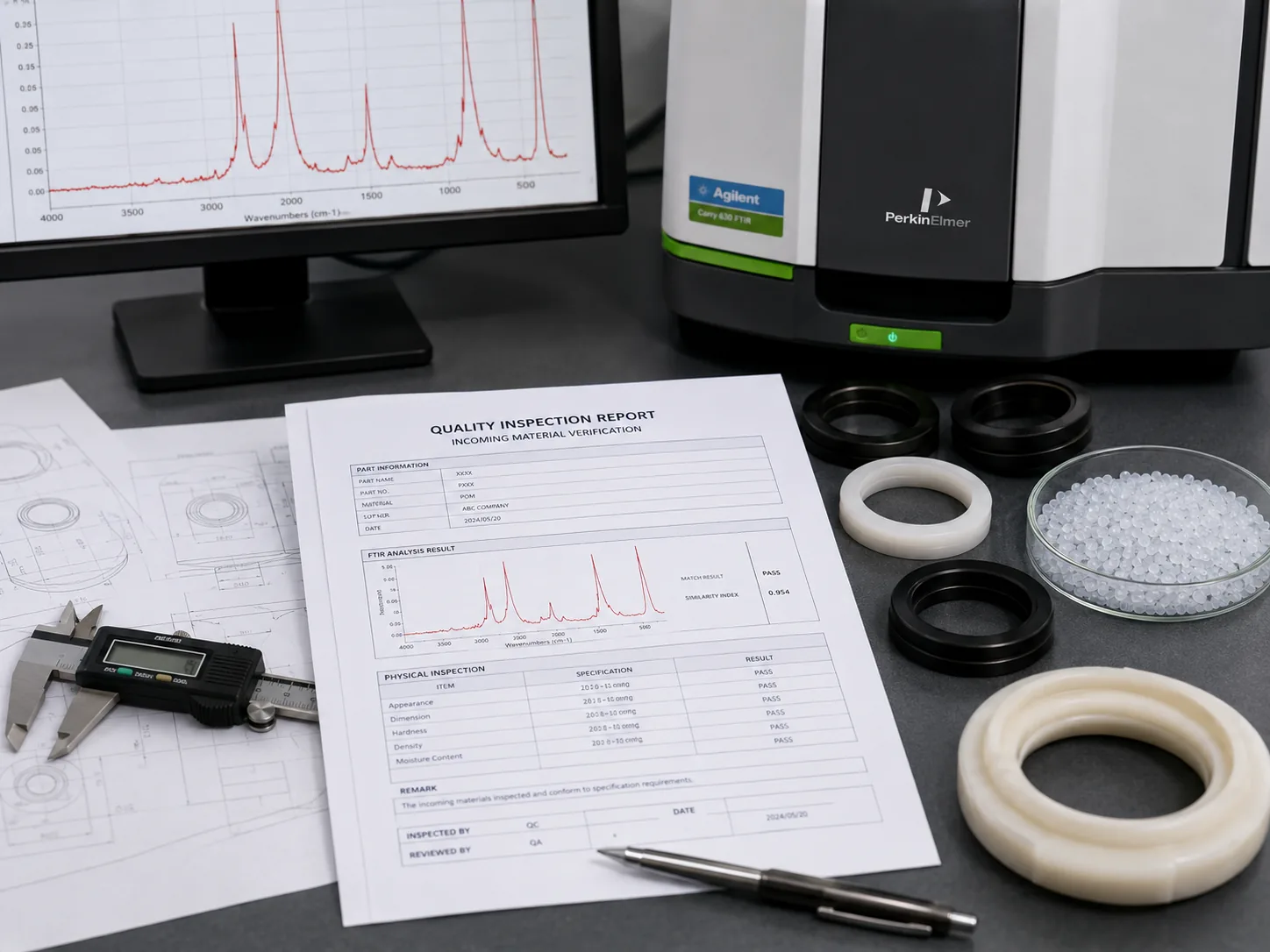
Chengxin Planning uses quality inspection reports to record customer information, orders, products, materials/grades, lot numbers, inspection items, actual test results, equipment/methods used, and final findings.
The quality report is currently in the planning stages; the image shows a schematic representation of the report and spectrum. The specific test items and documentation that can be provided will be determined based on the material, product, and order specifications.
Incoming material verification ensures that the materials actually received correspond to the inspection results for the same batch, serving as the basis for quality control in subsequent processing, shipping, and restocking. When specifications or batches need to be traced, customers can more easily identify the issue, reducing the need for repeated verification.
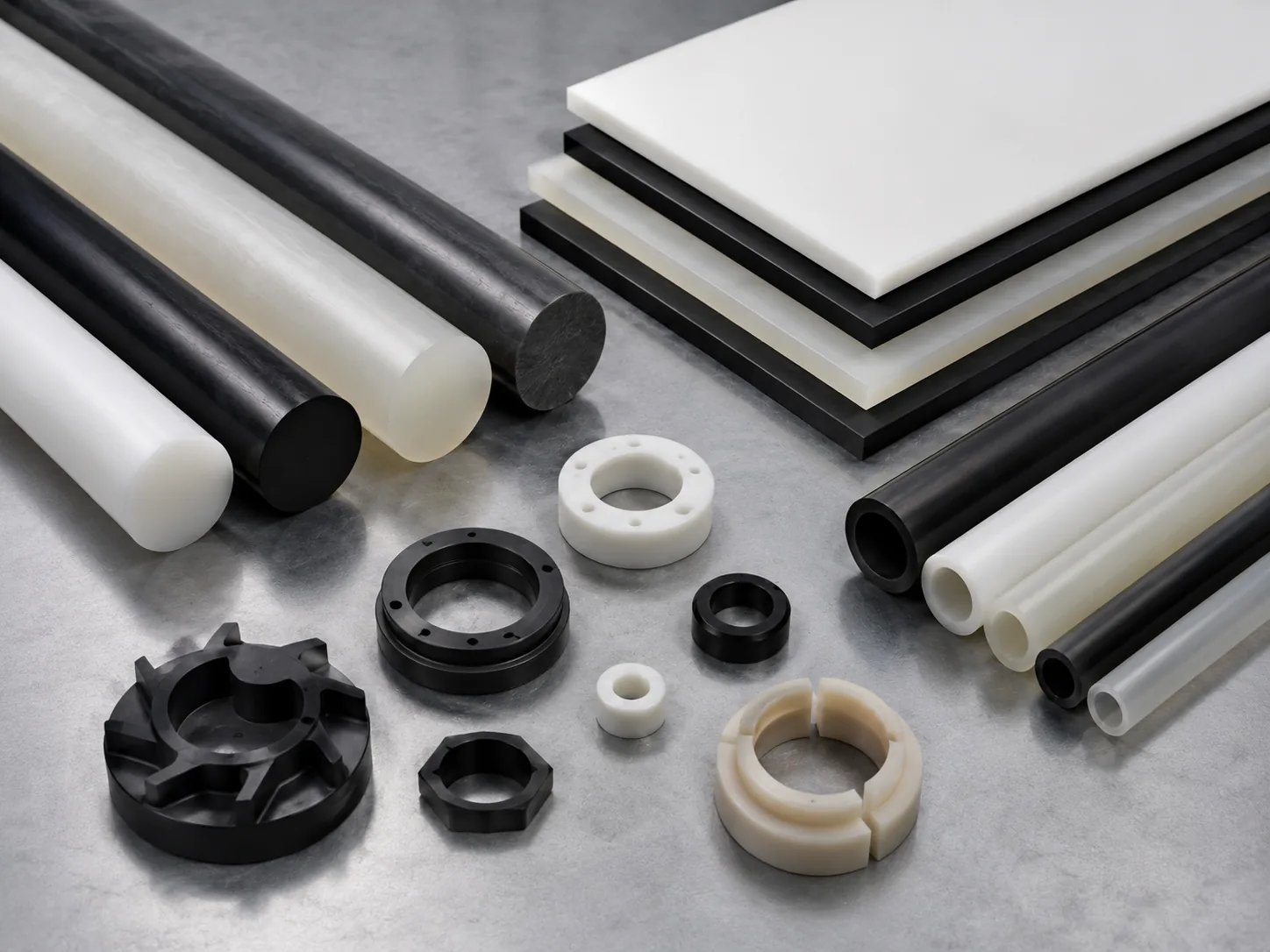
Which products are eligible for incoming inspection?
Place self-verification at the points where it truly impacts quality
Chengxin's internal audits and third-party data each handle different matters.
Verify self-inspection records separately from manufacturer and third-party documents, making it easier for customers to understand what conclusions each piece of information supports.
Chengxin Incoming Material Self-Inspection
- FTIR Material Spectral Comparison
- Appearance and Dimensions Verification
- Tests of Physical Properties Such as Hardness and Density
- Preliminary Confirmation of Surface Resistance and Antistatic Properties
- Product and Batch Quality Records
- Seamless Transition to Processing, Stock Preparation, and Delivery
Manufacturer/Third-Party Data
- RoHS
- REACH
- FDA
- NSF 61
- SGS or other official third-party testing/compliance documentation
Take one extra step to verify the materials,
This saves you the hassle of dealing with material errors and rework.
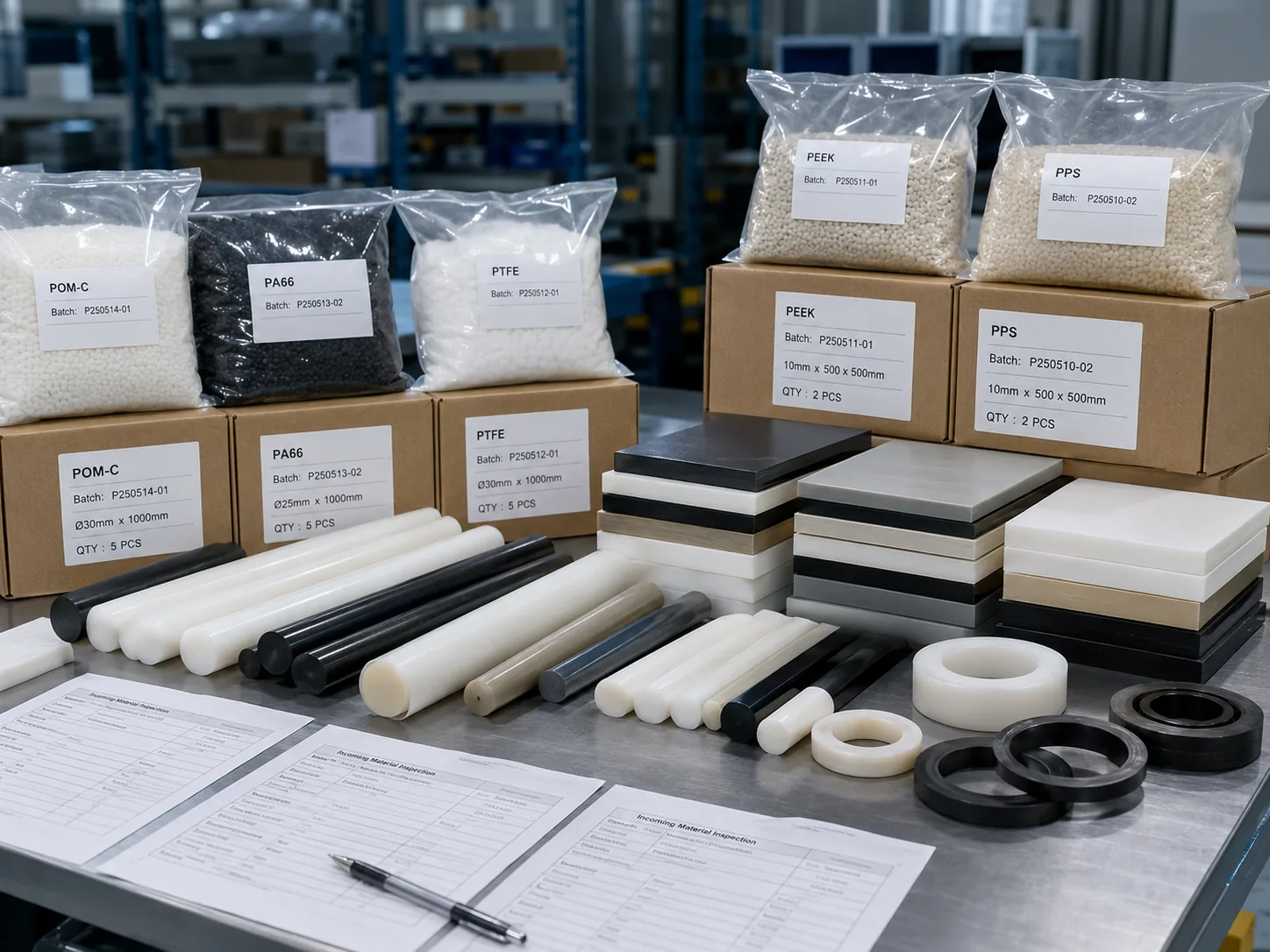
We help our customers source materials, and we also need to be more certain about the materials we’re delivering. At Chengxin, we verify the material type, dimensions, physical properties, and batch numbers, providing a solid foundation for processing, delivery, and subsequent restocking.
If you have any questions about material selection, processing, or restocking, feel free to reach out; Chengxin will help you determine the best course of action.