
01
Identifying the Cause of Recurring Leaks
Based on signs of wear, scratches, and deformation on the sealing lip, and by comparing them with the grooves, mating surfaces, and operating conditions, identify areas for improvement.

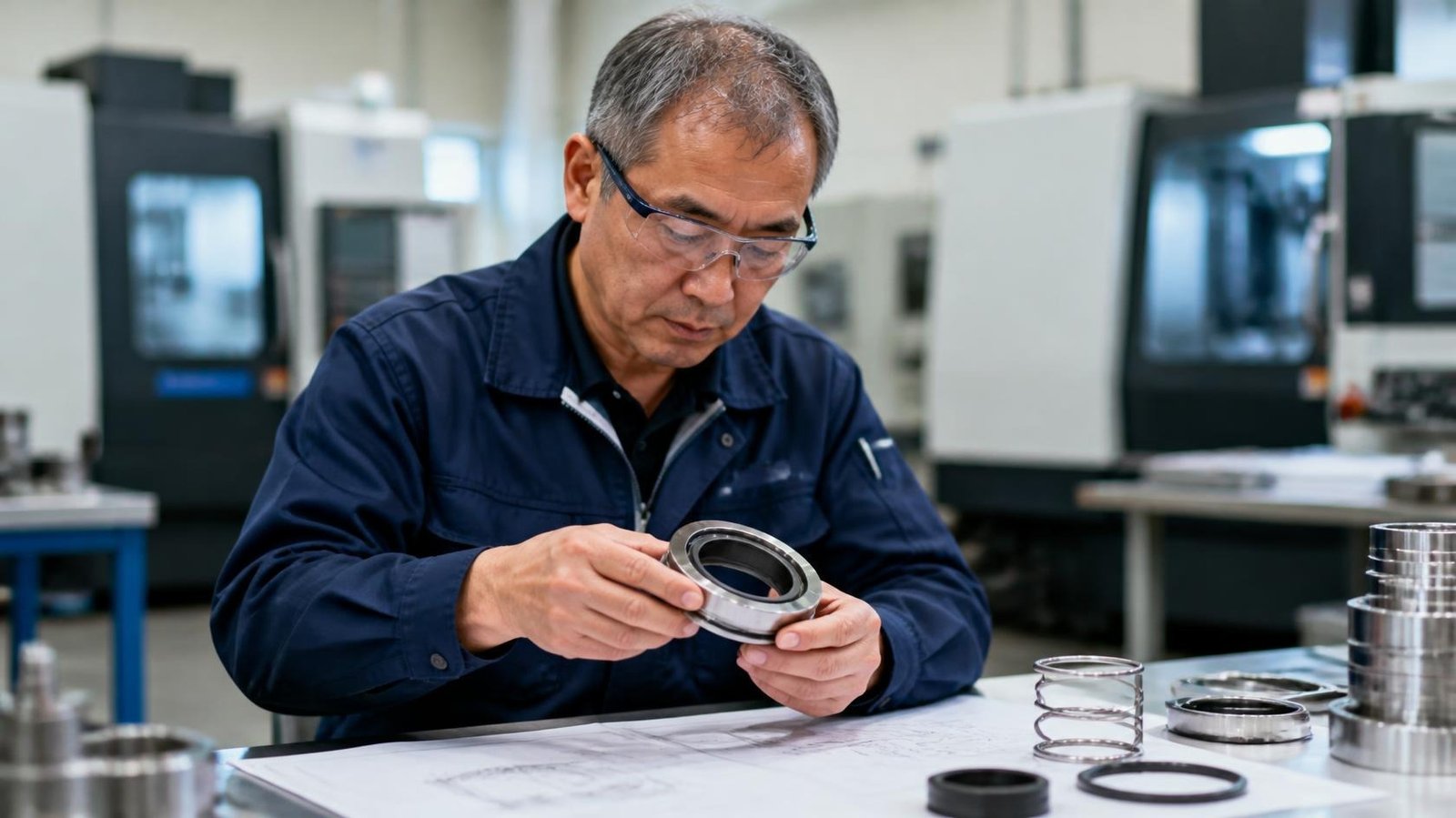
Please send us the old seals, groove drawings, and operating conditions so we can review the seal jacket, internal spring, and mating dimensions together to determine whether to replace them or customize a solution.
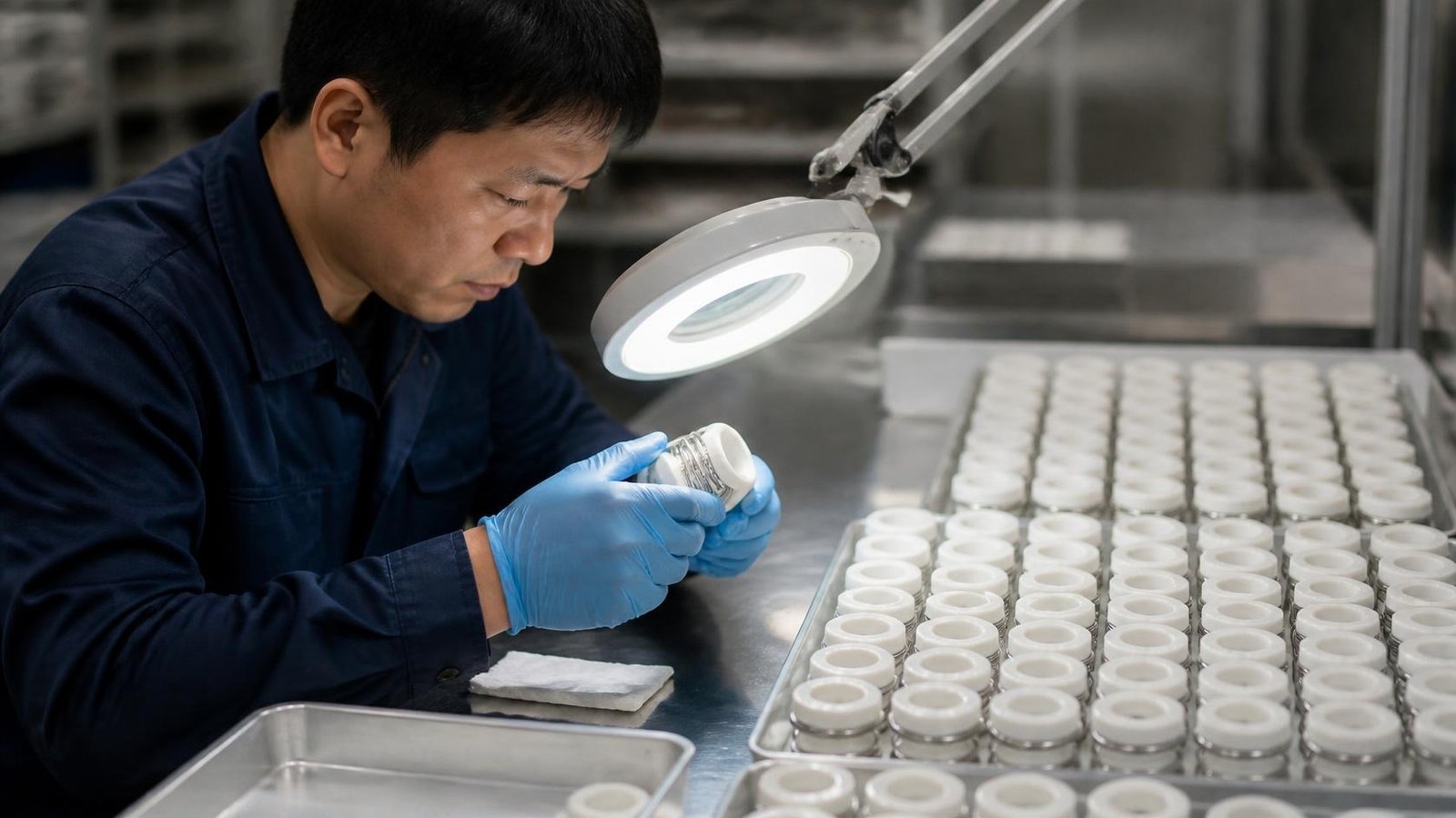
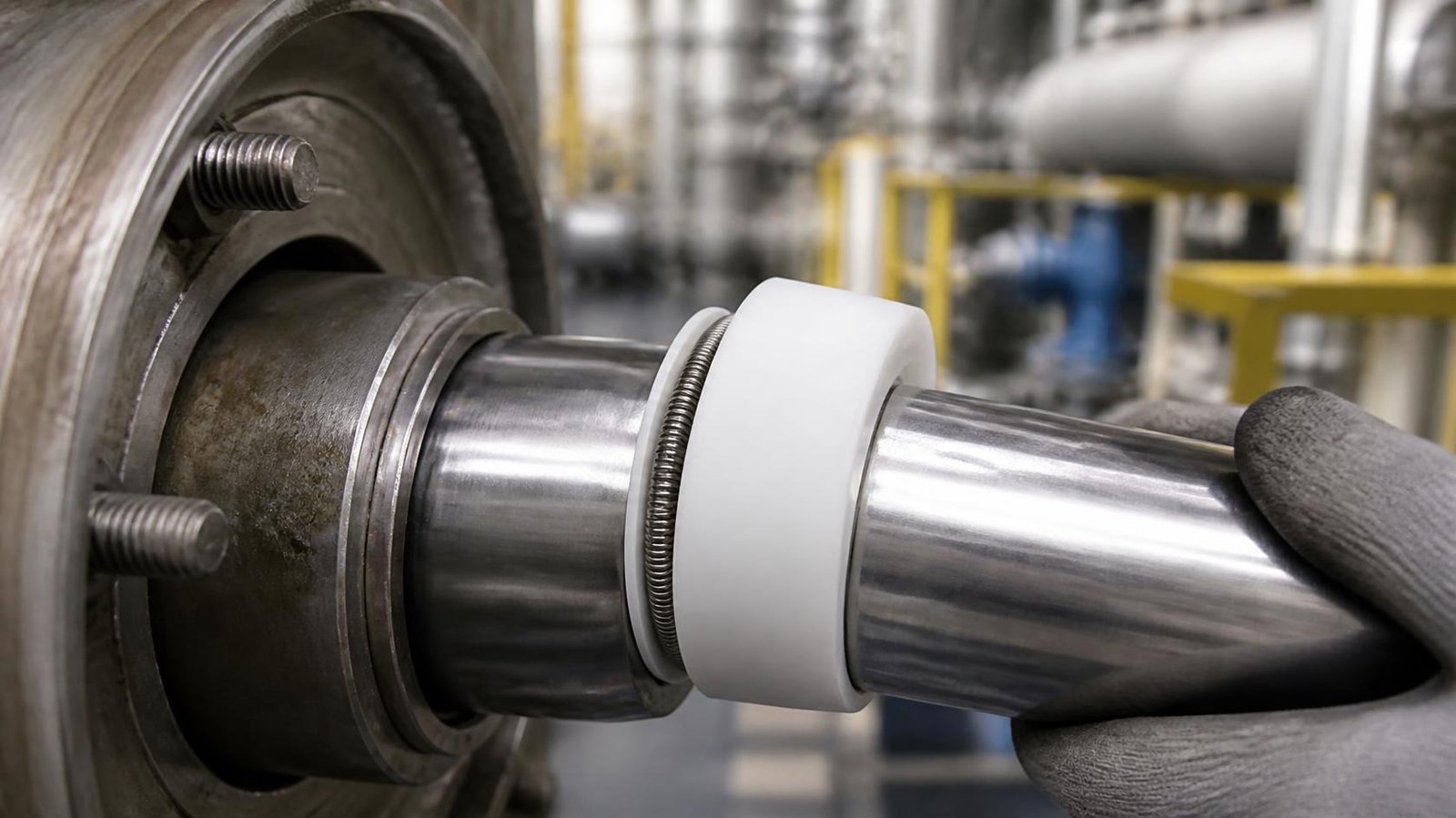 Is there a constant leak at the seal during low pressure or start-stop operations?
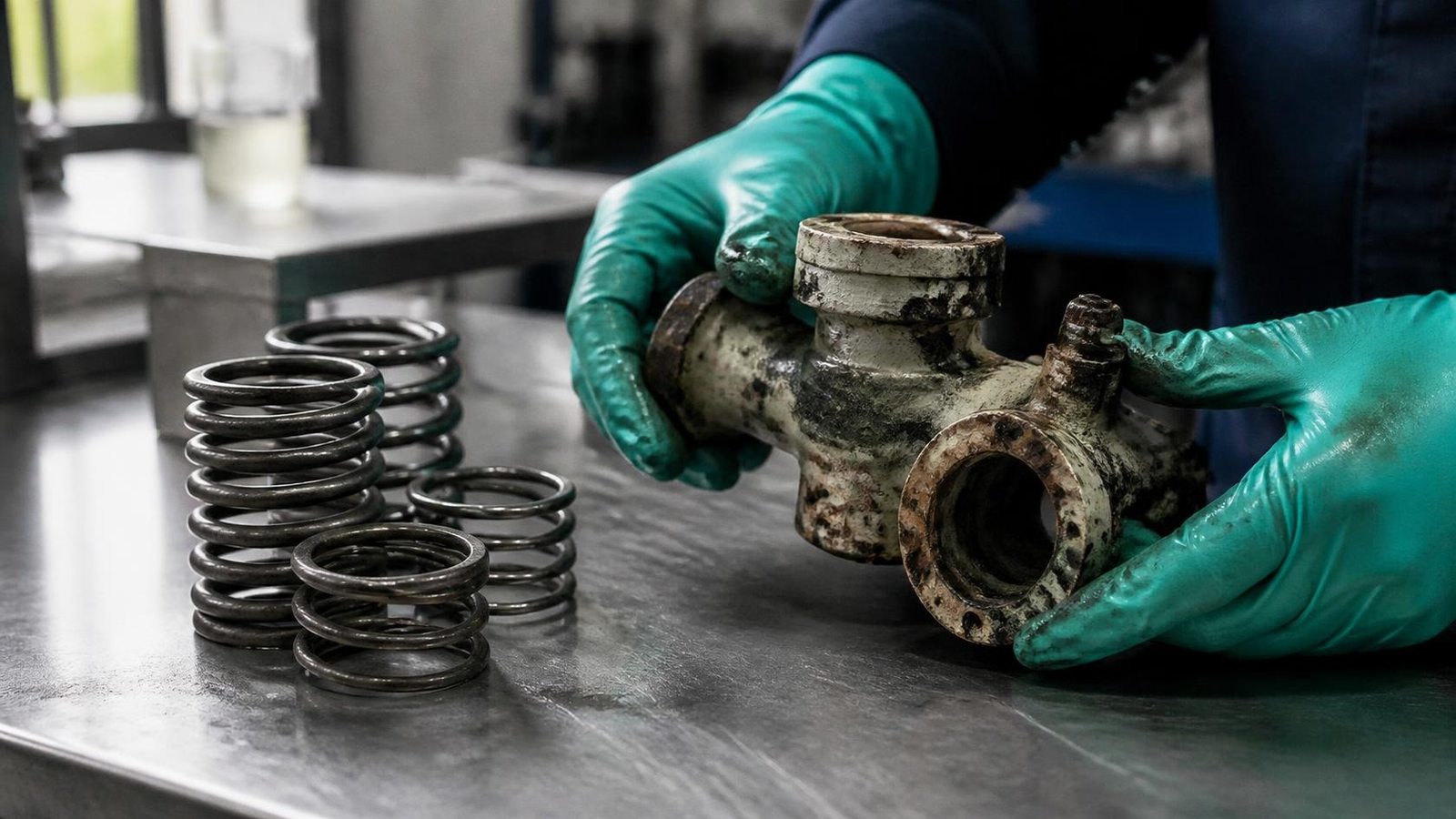 Even after repeatedly replacing the seals, do wear and leaks still recur?
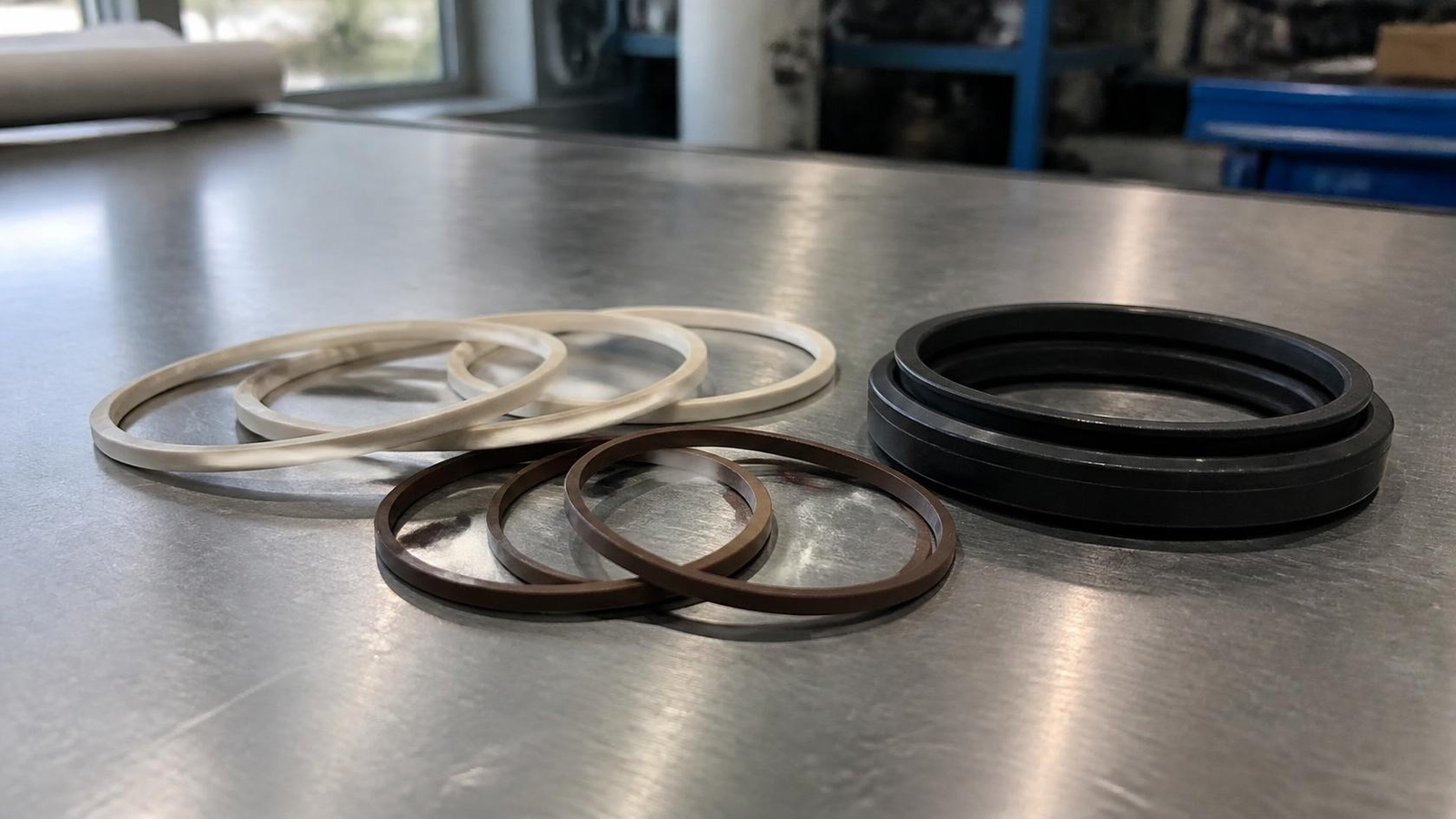 The material looks like it should work, but it fails to seal when installed in the groove?
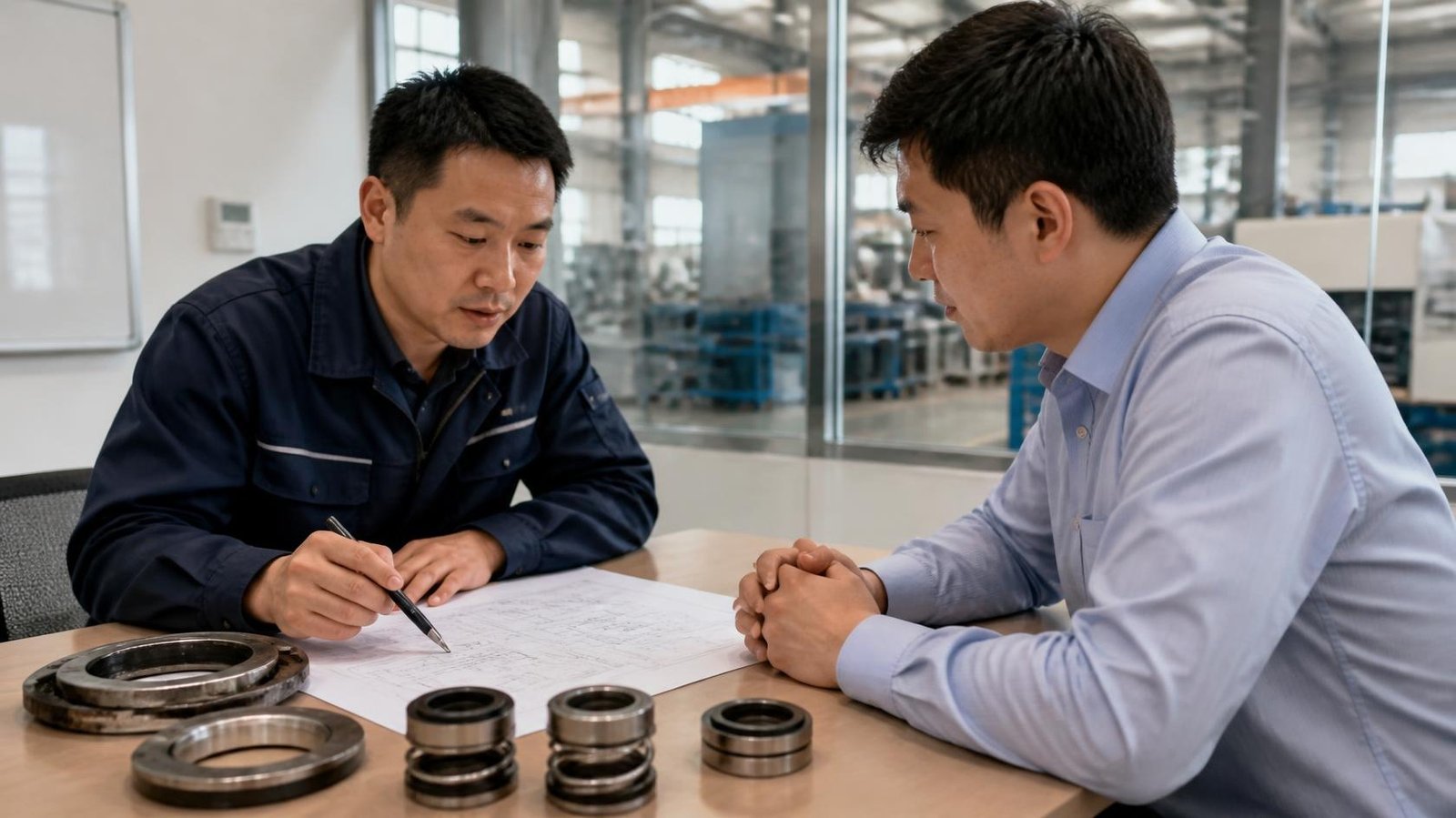
First, examine the medium, temperature, pressure, and operating conditions; then check the sealing lip, spring, and mating surfaces to narrow down the causes of repeated failures one by one. If you have old parts, drawings, or part numbers, start with the information you already have.
Verify each step to ensure that the materials, specifications, and equipment conditions align.
Based on signs of wear, scratches, and deformation on the sealing lip, and by comparing them with the grooves, mating surfaces, and operating conditions, identify areas for improvement.
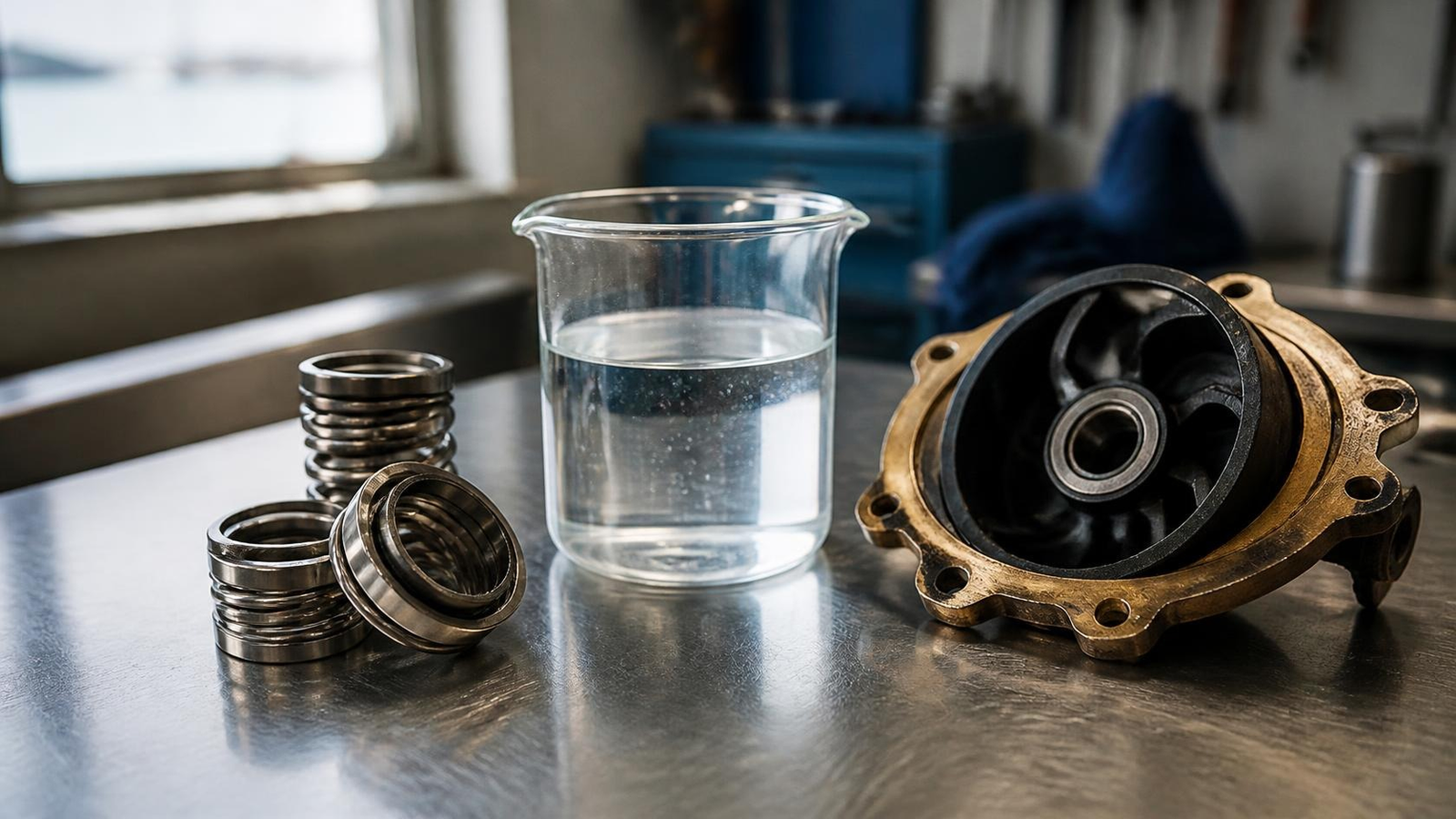
Evaluate the medium, temperature, and wear and friction requirements to select PTFE or other high-performance polymers.
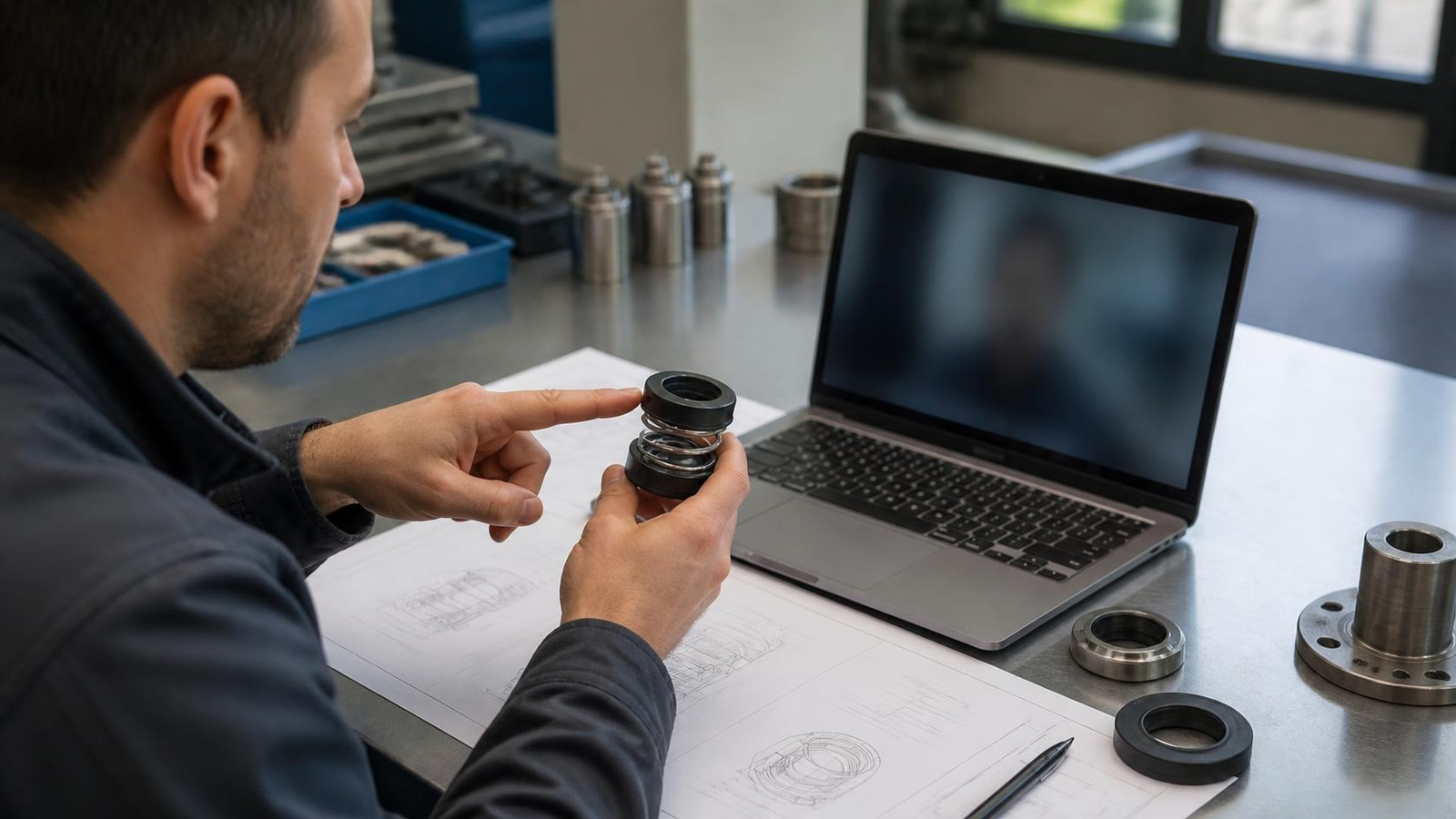
Take into account initial contact, frictional resistance, and media compatibility when selecting the appropriate spring type and material.
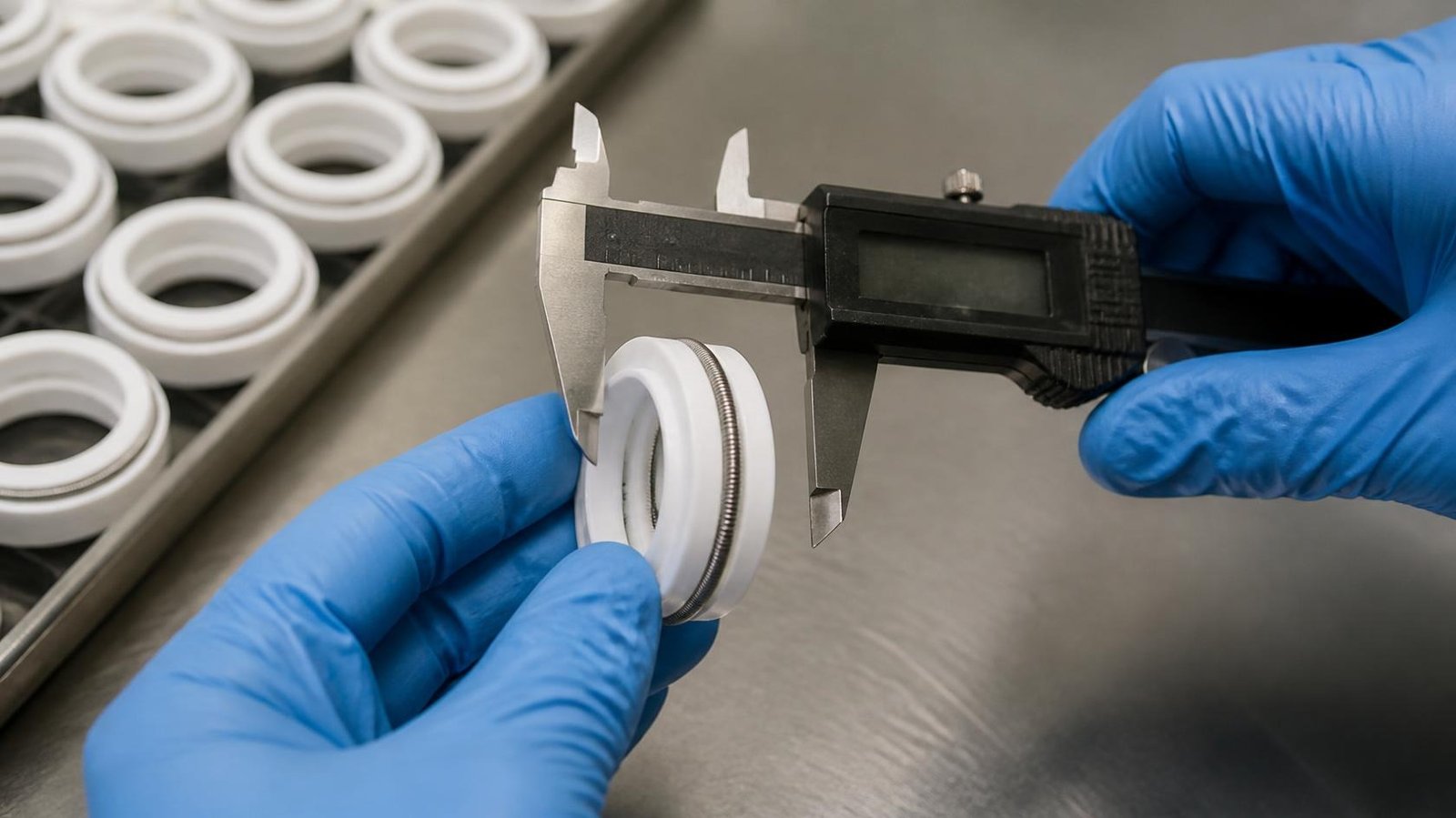
Check the inner and outer diameters, cross-section, groove width and depth, and fit clearance—whether replacing old parts or custom-making them according to drawings, everything is clear.
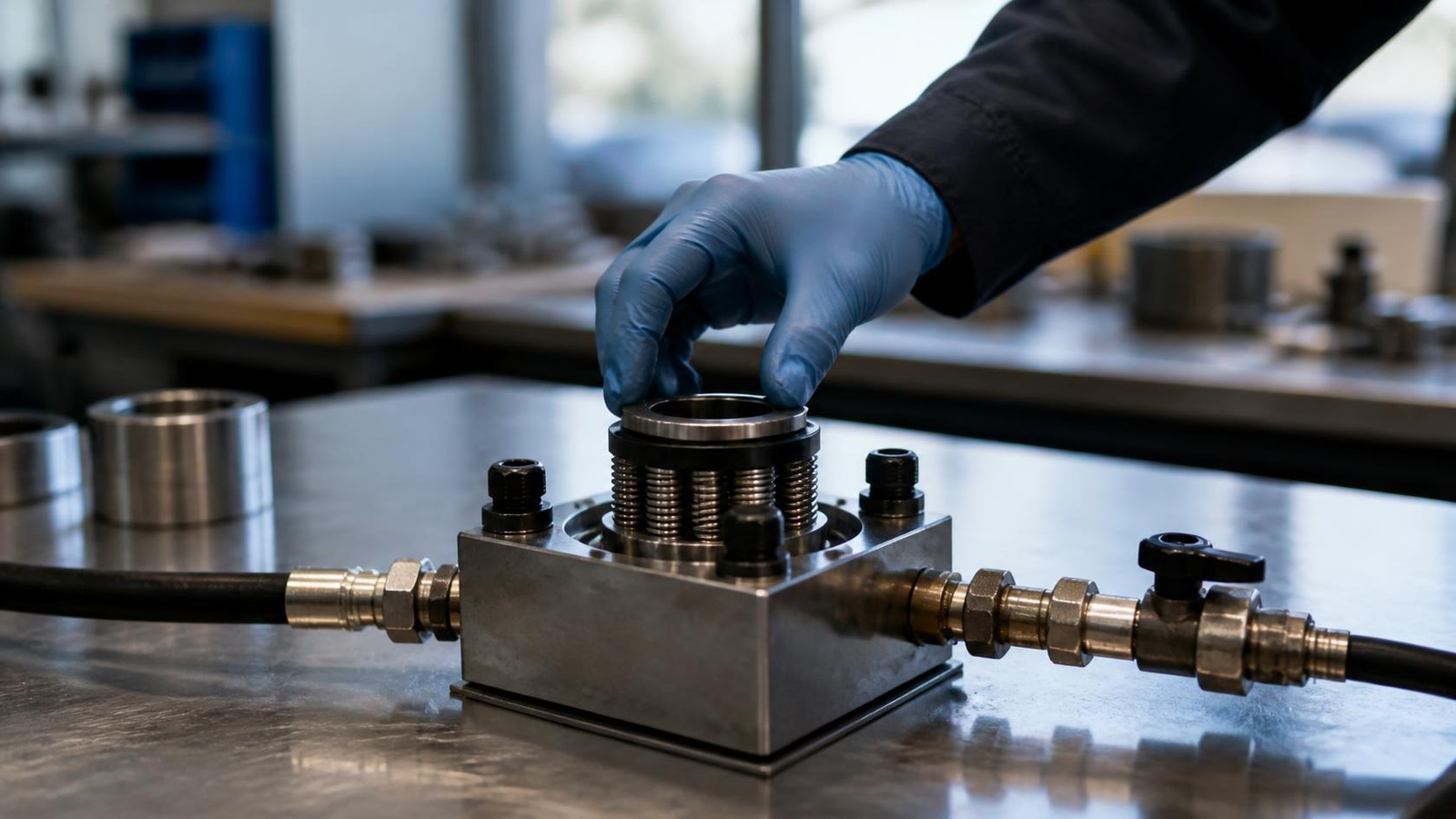
Confirm the static, reciprocating, or rotational positions, along with the speed, stroke, and direction of pressure.
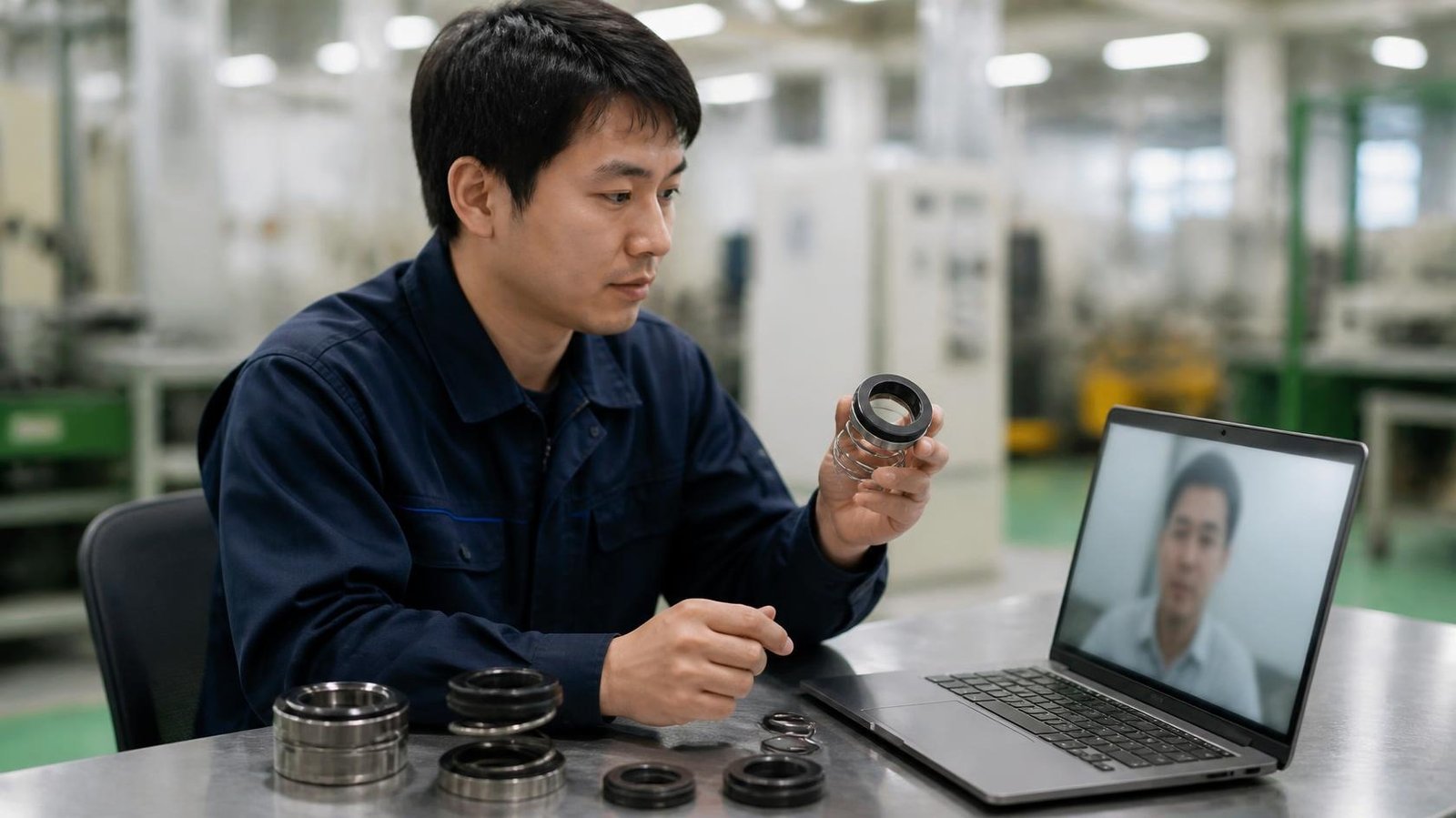
Confirm the drawing version, jacket and spring materials, dimensions, and test items to provide a basis for prototype acceptance.
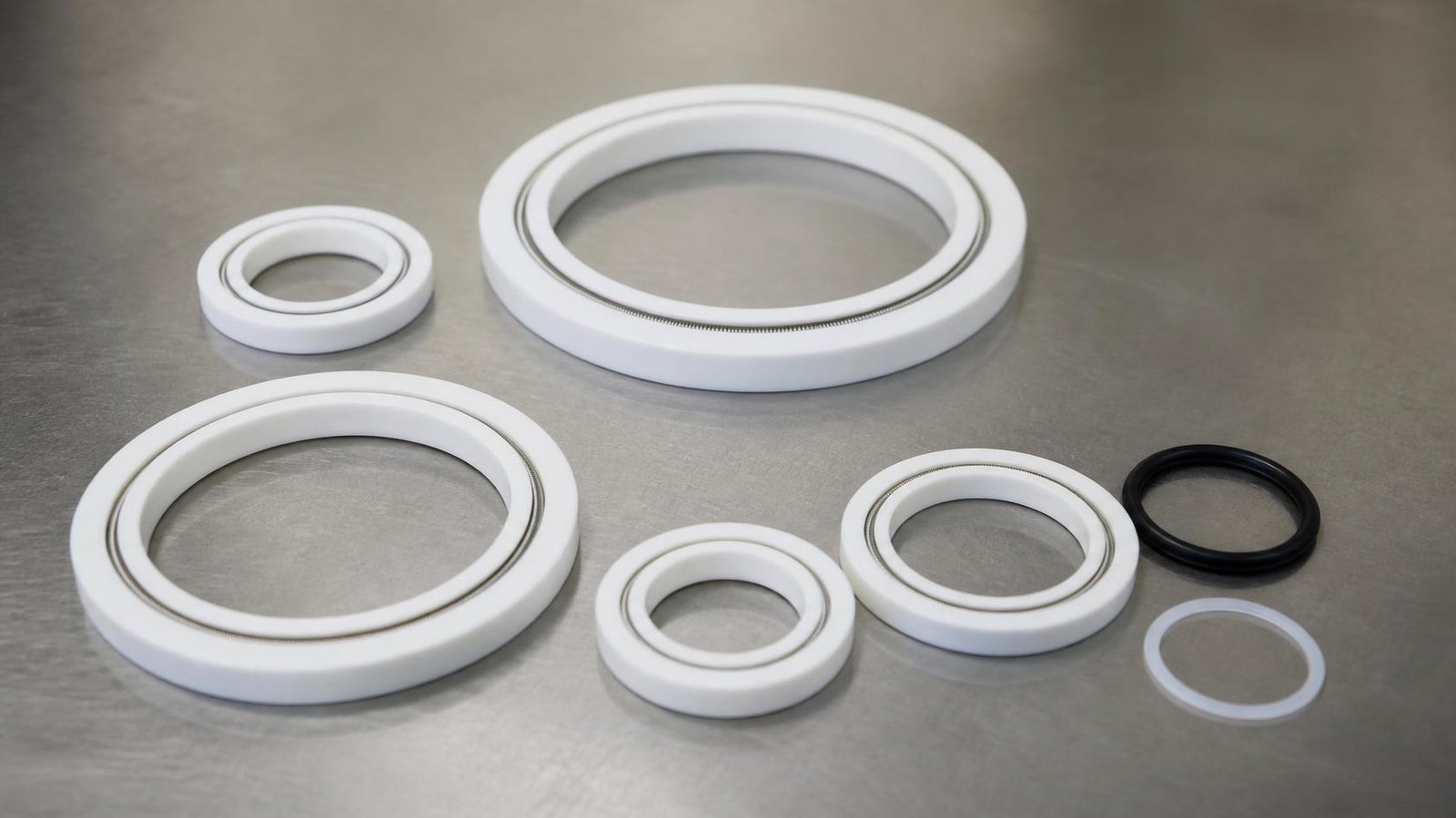
A polymer jacket is paired with an internal metal spring, which provides the initial contact force for the sealing lip.
They are classified into three types based on the direction of pressure, mating surfaces, and operating conditions.
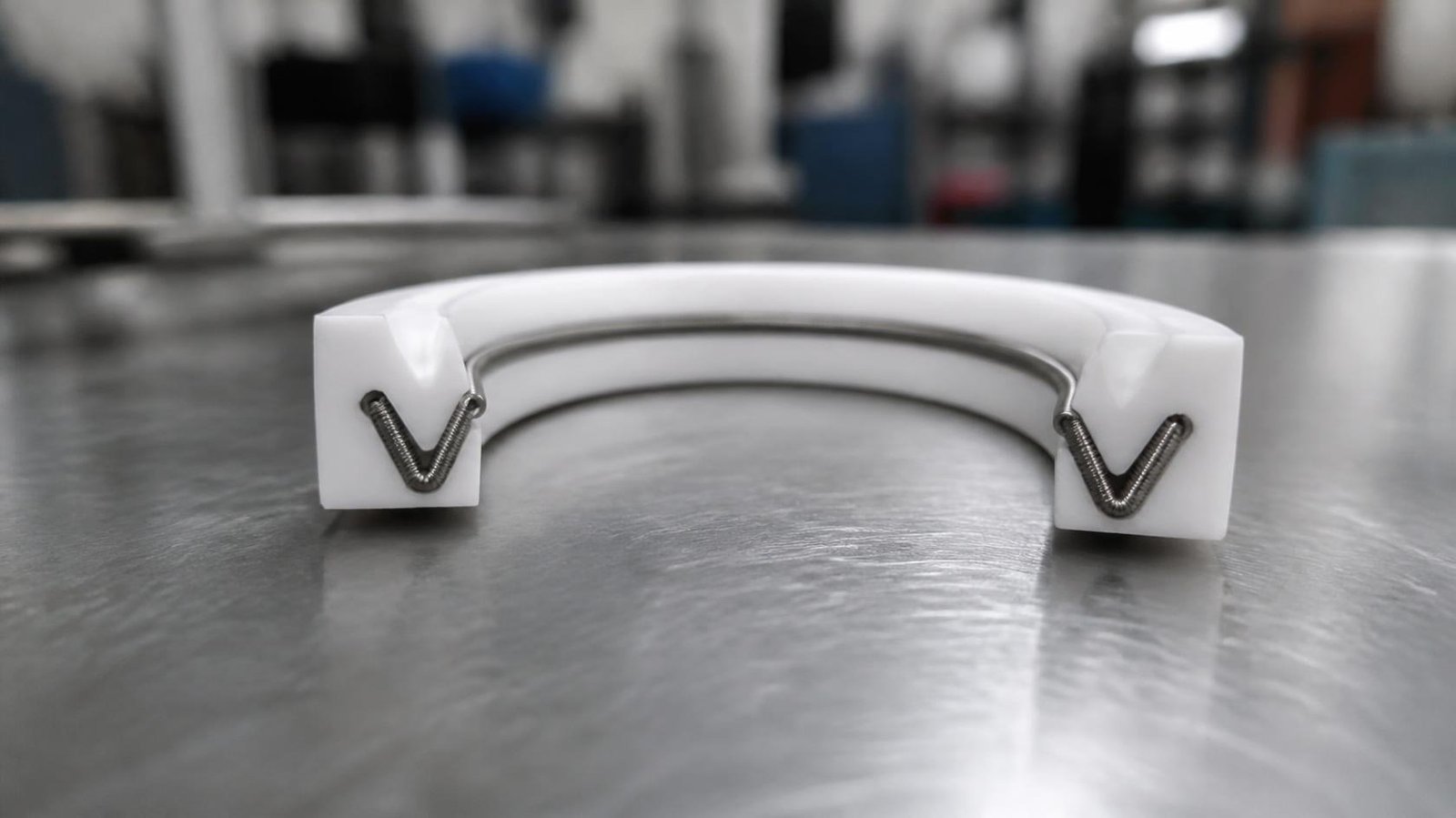
Fixed-seal, low-pressure, or vacuum applications; select the outer sleeve and spring based on the sealing direction, groove, and leakage requirements.
Send Groove Drawing for Confirmation →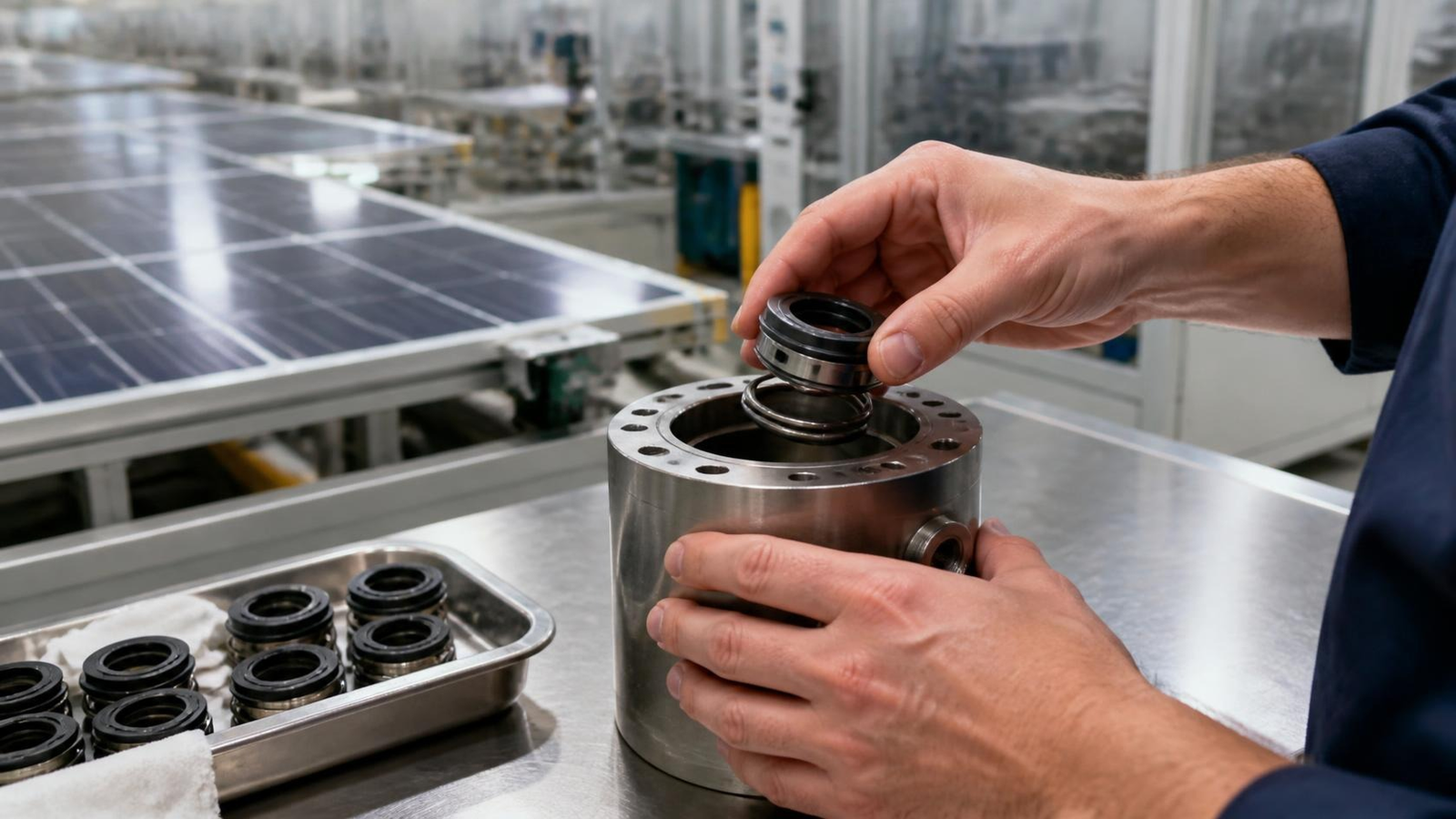
Check the fit between the sealing lip and the groove based on the speed, stroke, and wear on the old part to determine the reciprocating position of the rod or piston.
Upload a photo of the old item →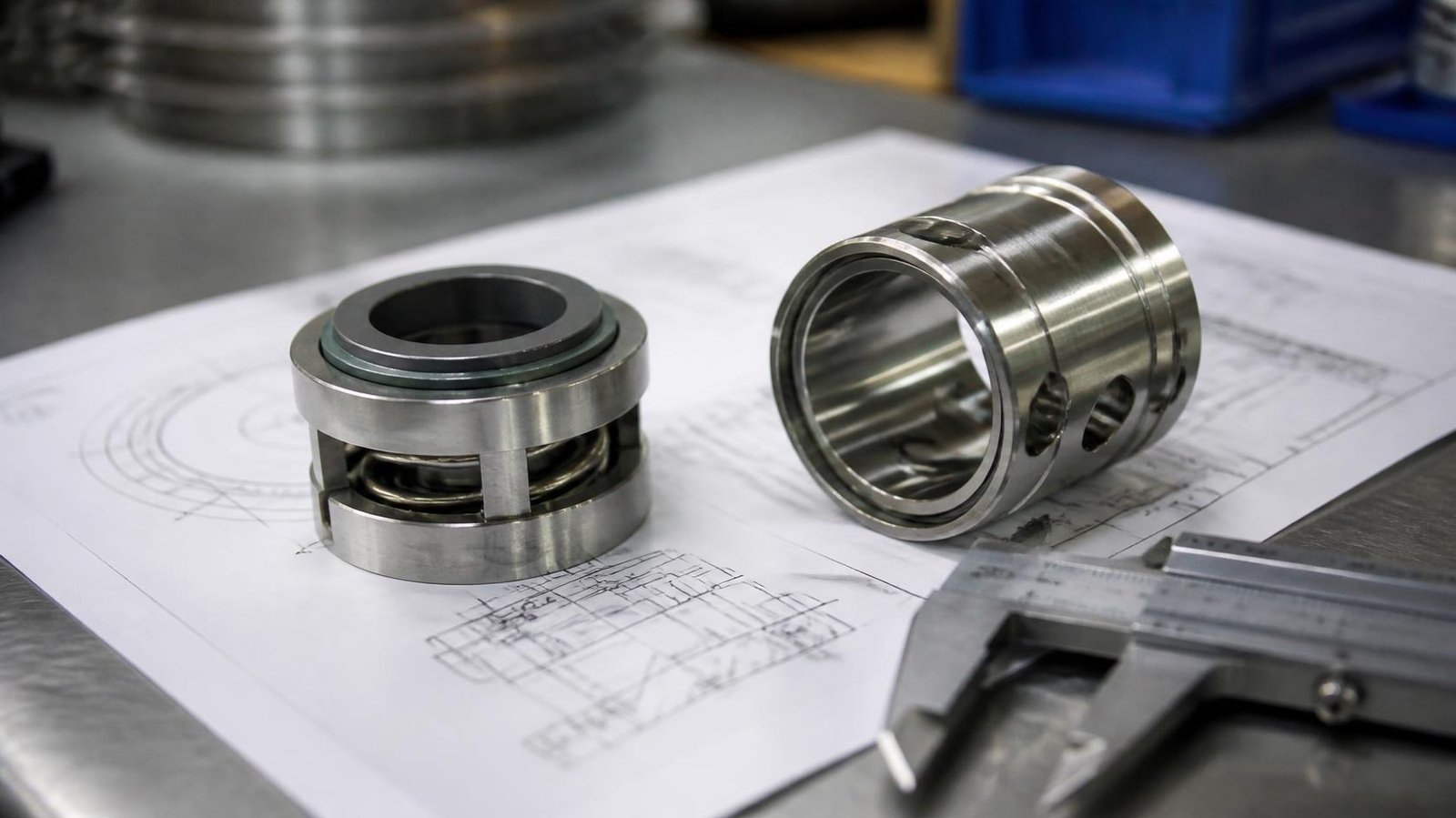
Please provide samples, photos, or groove drawings so we can discuss replacement options, prototyping, and manufacturing services.
Start Uploading Images →Confirm the outer casing and metal springs separately, and compile them into specifications ready for a quote.
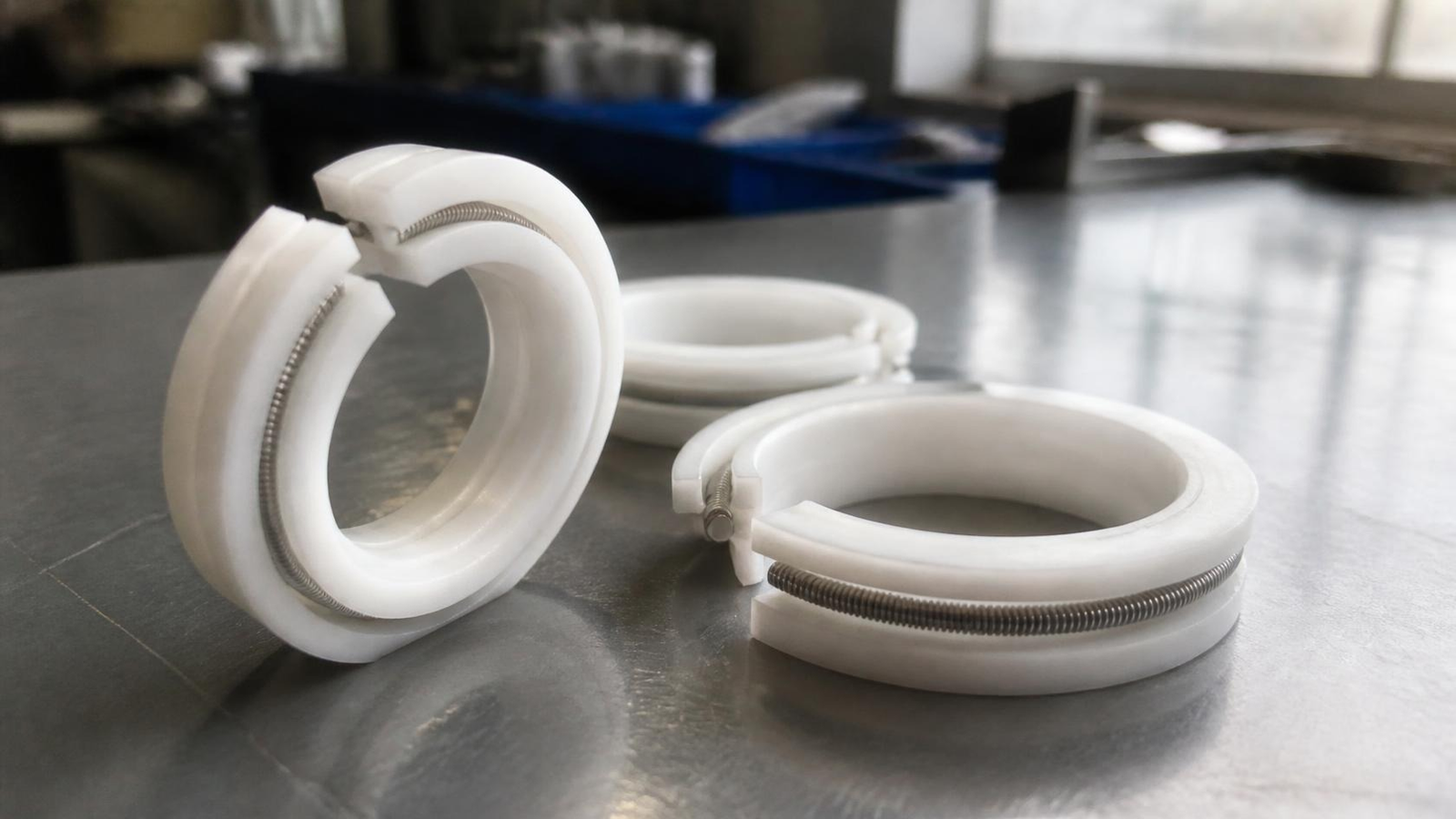
Please send photos of the medium, temperature, and wear, and verify them along with the seal lip and mating dimensions.
Low Friction, Chemical Resistance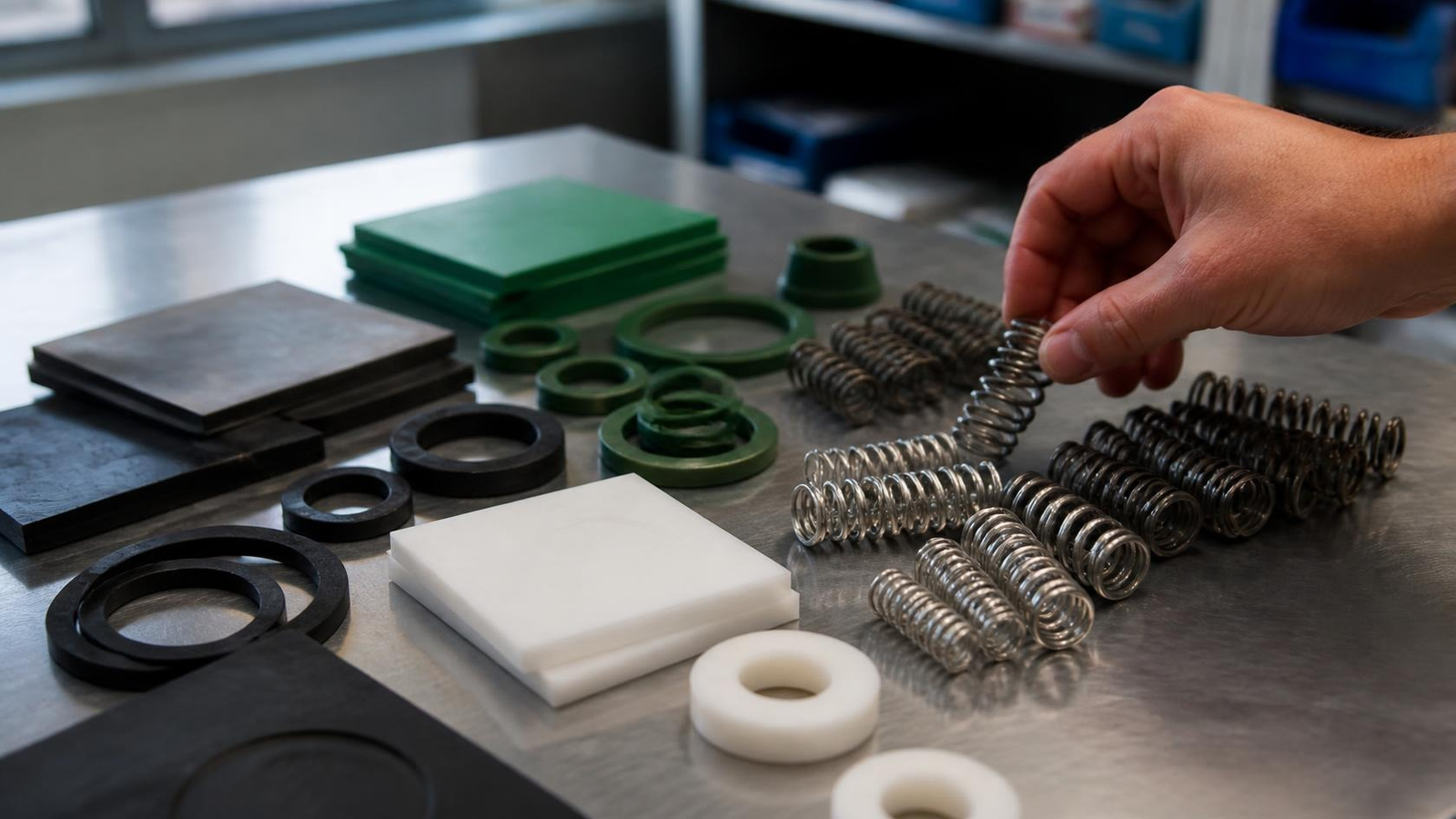
Discuss potential material candidates and machinable dimensions based on the conditions of use and original specifications.
Selecting Materials Based on Operating Conditions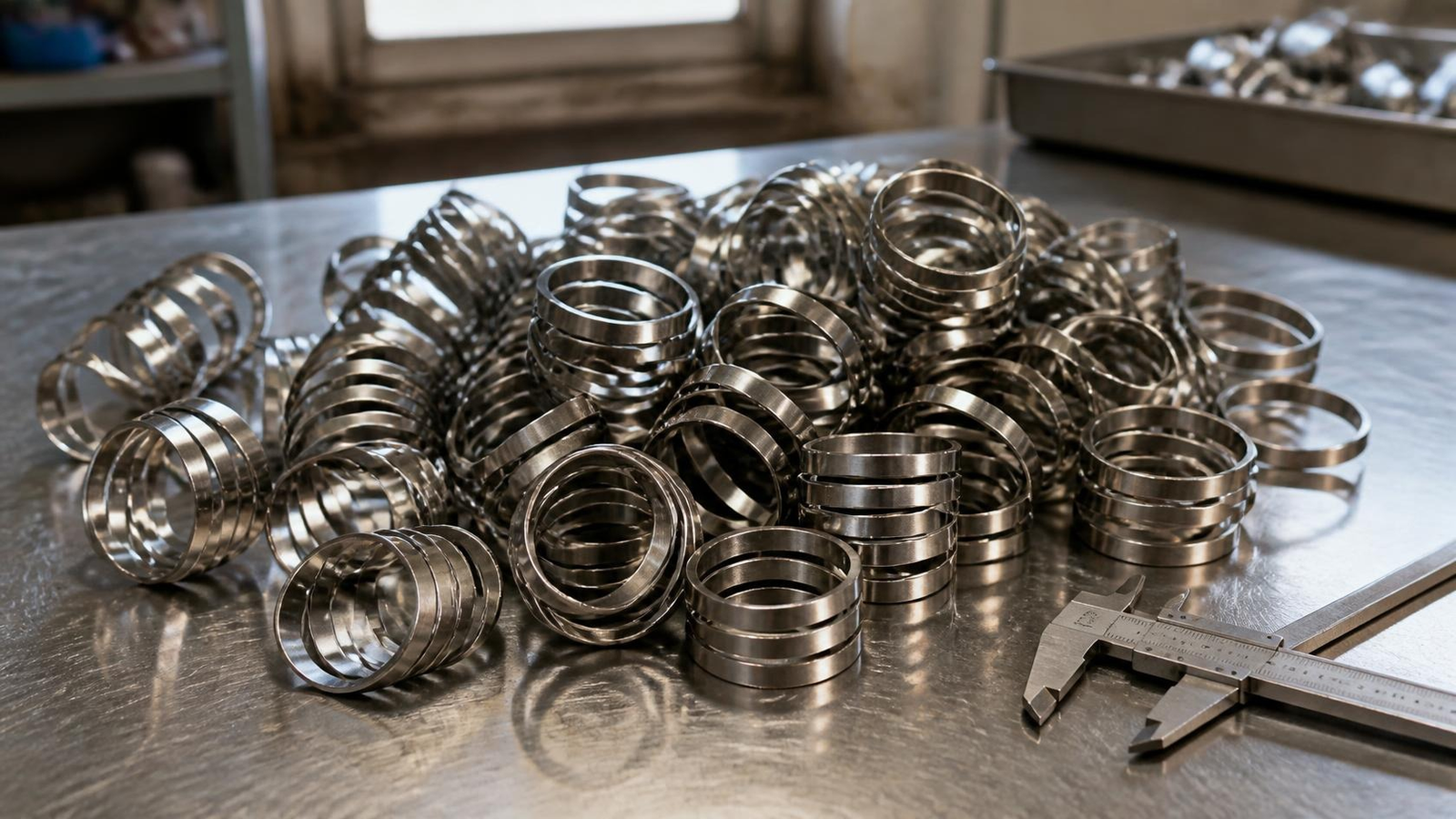
Select the appropriate spring type and material based on the contact medium, pressure direction, and operating conditions.
Initial contact forceFind the section that applies to you and send us the information accordingly.
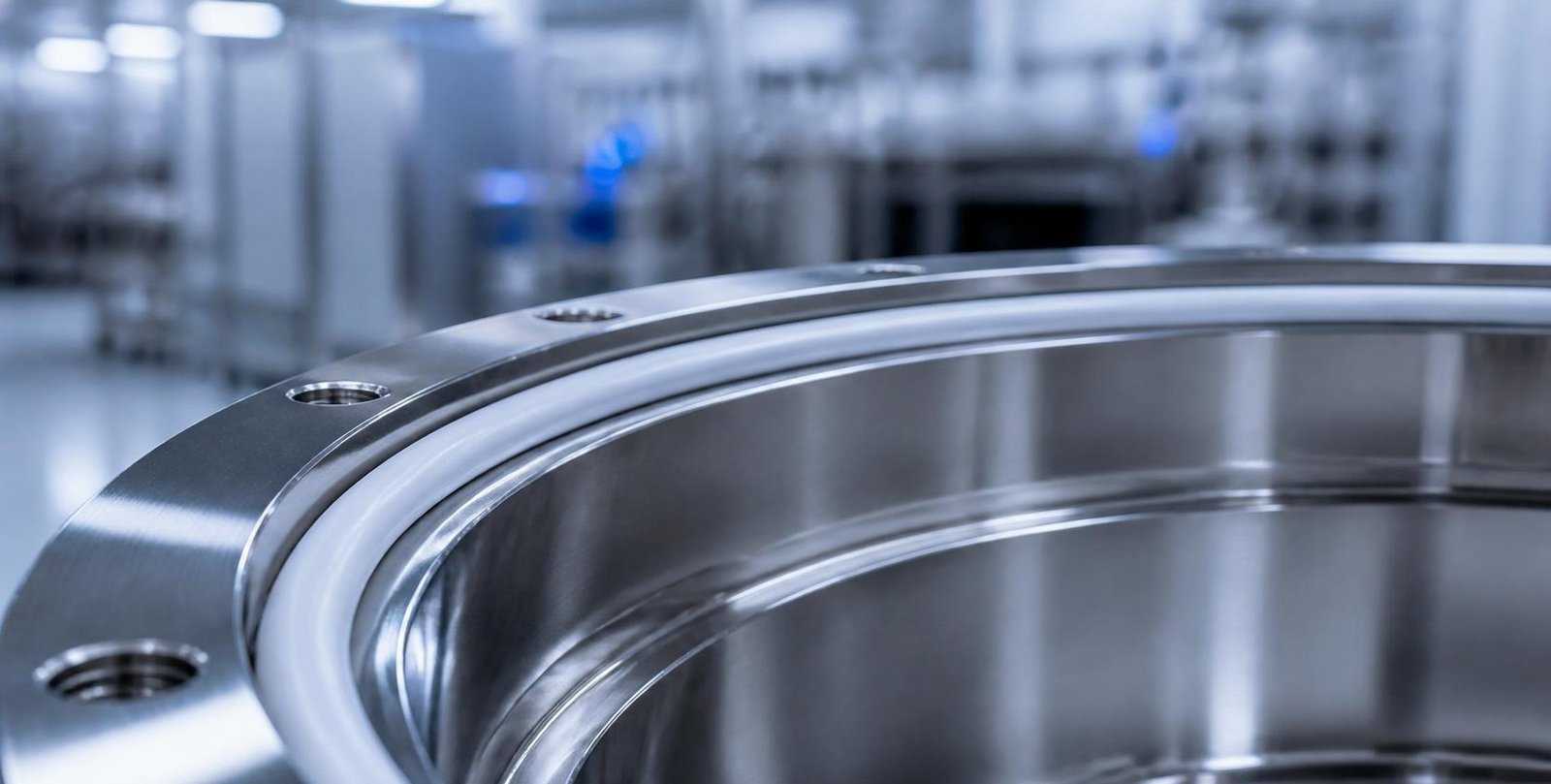
Check the pressure direction, leakage requirements, and mating surfaces to ensure a tight seal during low-pressure operation and during start-up and shutdown.
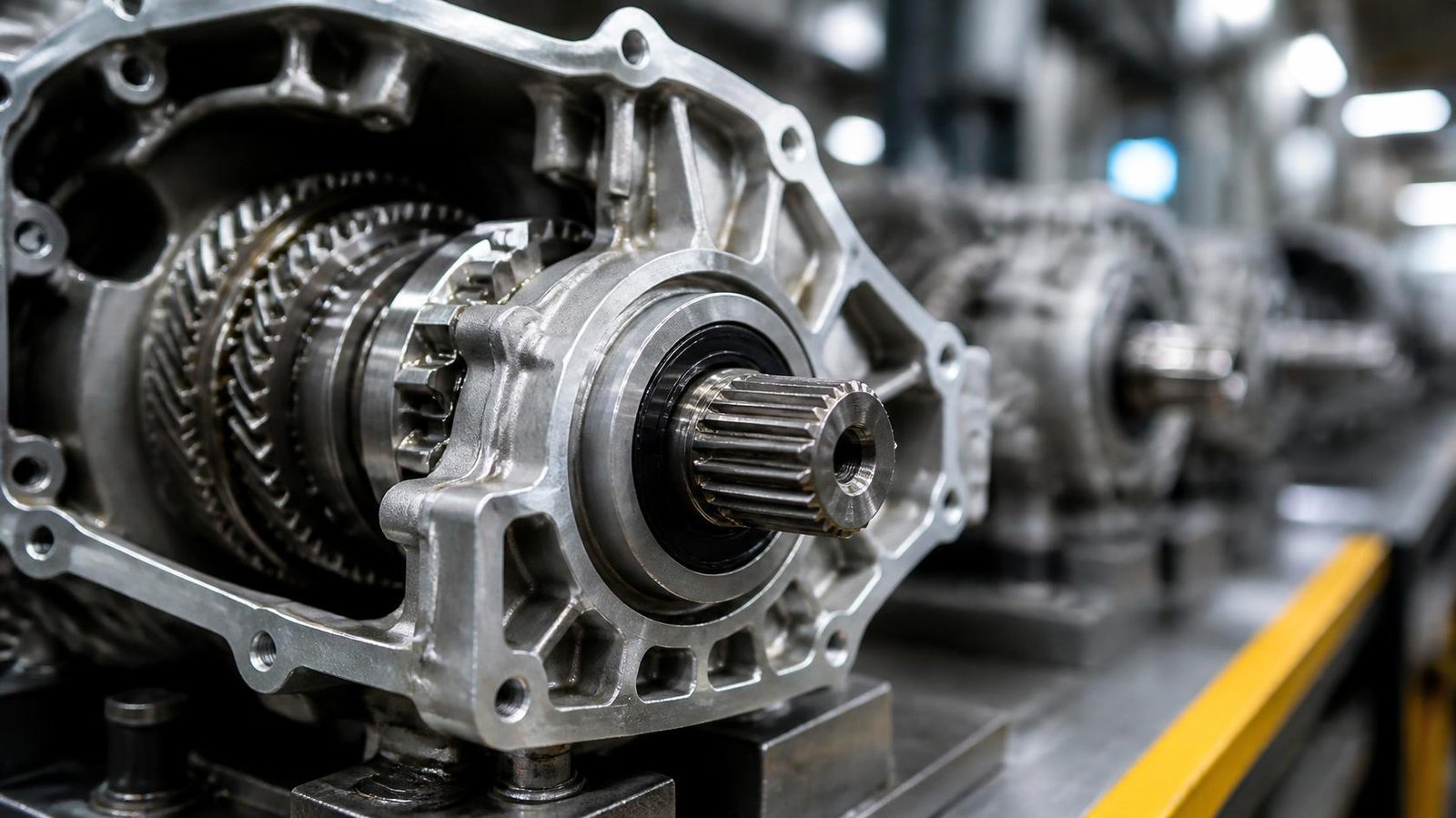
Check the speed, stroke, lubrication, and surface of the rod, and make a judgment based on these factors along with any signs of wear on the seal lips.
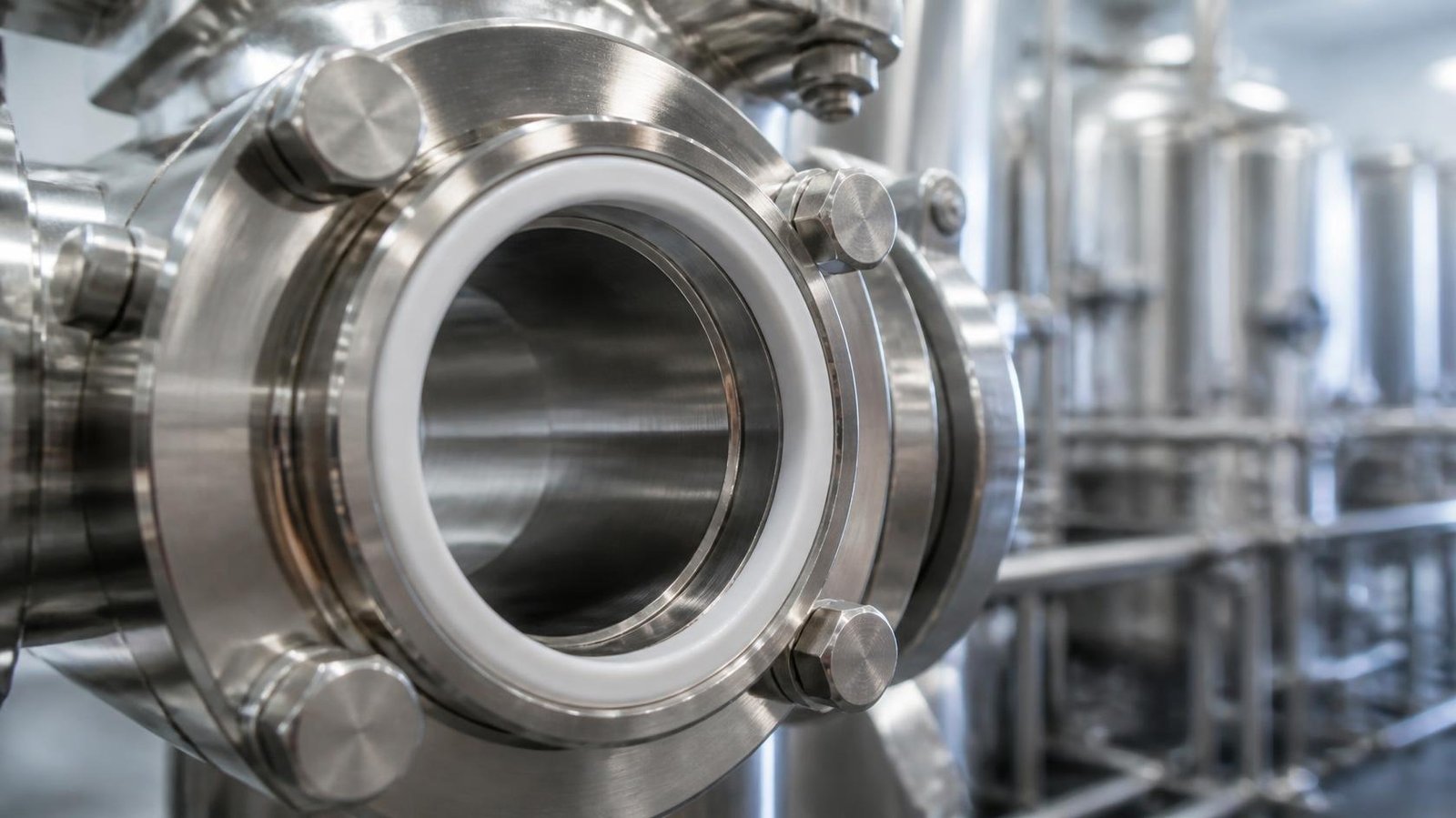
When the medium or cleaning conditions change, check both the polymer jacket and the metal spring material at the same time.
Each batch of parts is accompanied by comparison results and documentation, so they can be accepted directly by the quality control department.
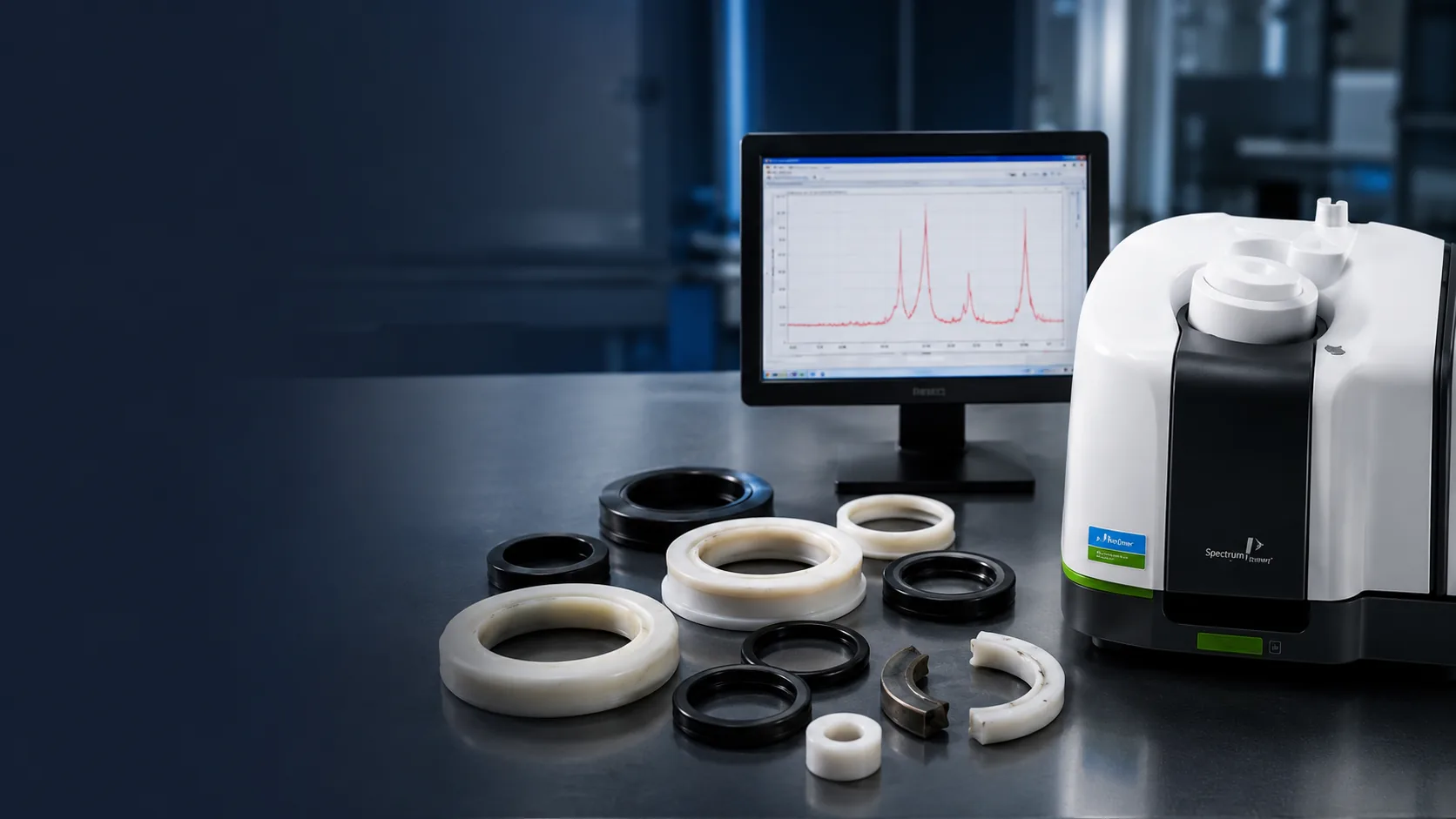 FTIR Material Comparison
We verified the feedstock material through spectral analysis, and it matched the specifications.
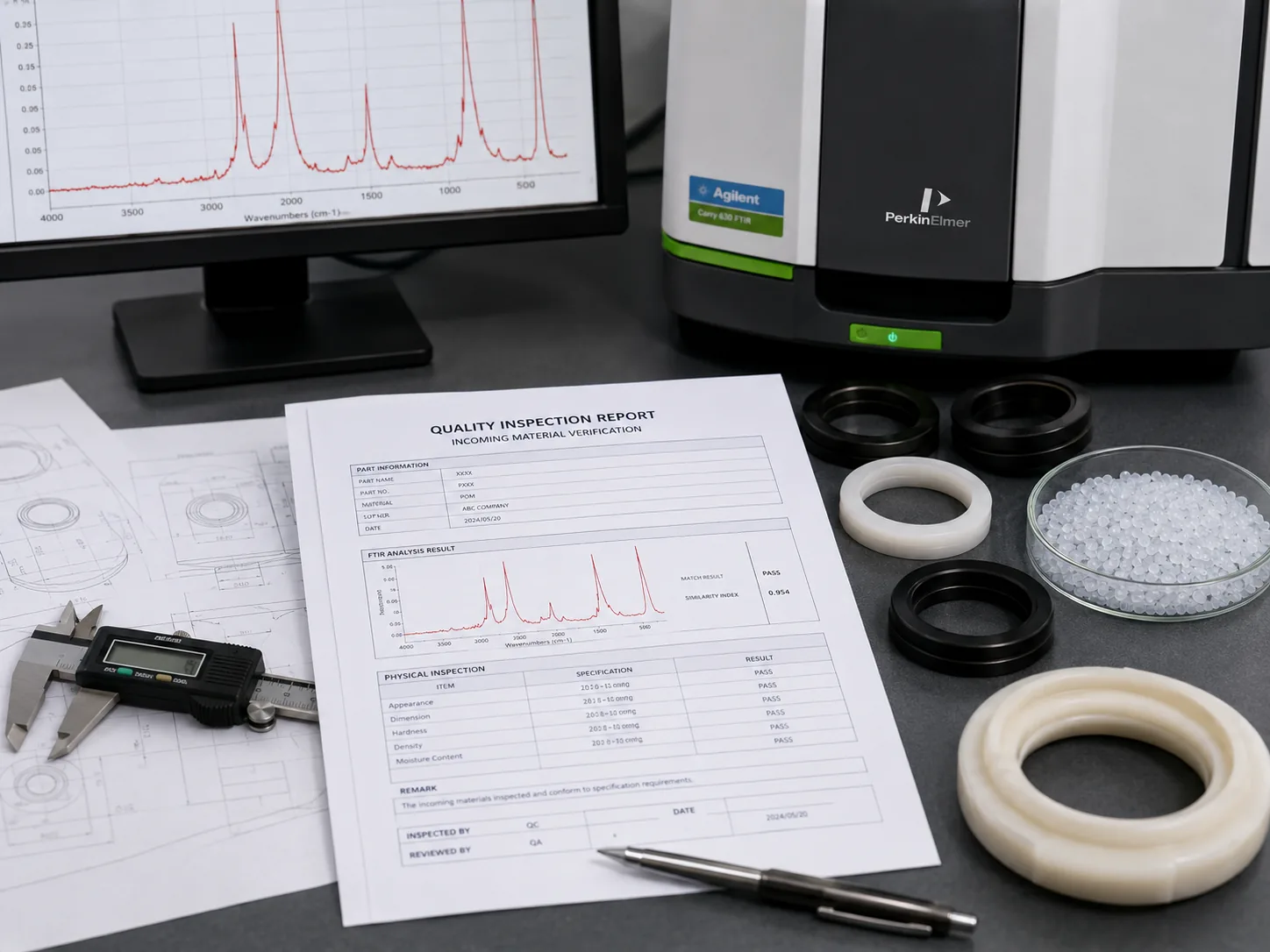 Test reports are traceable
The comparison results and inspection records are retained and can be provided upon request.
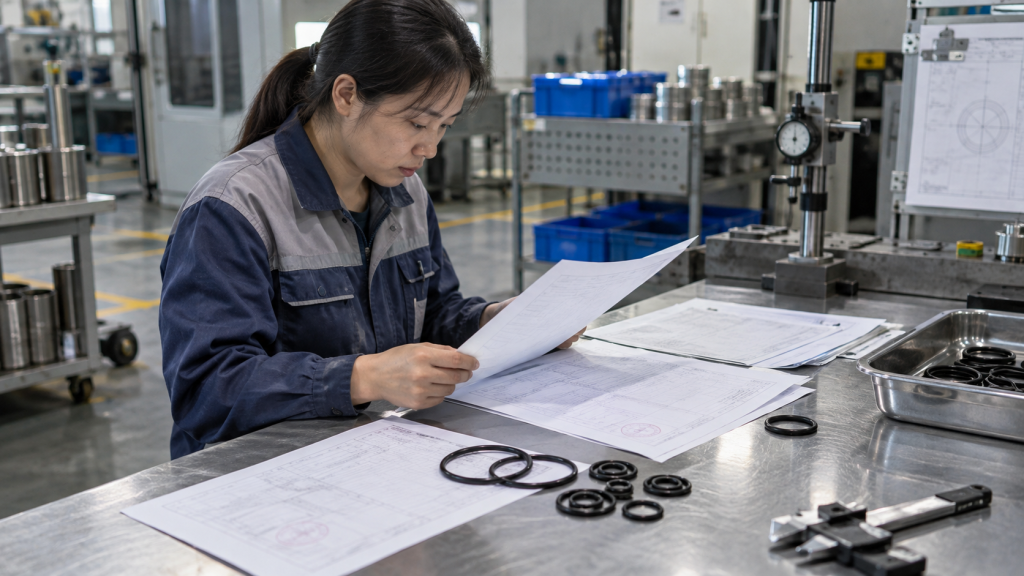 The documents are in order, and the specifications are ready for acceptance.
Material certification and compliance documentation are provided based on manufacturer or third-party documents, including requirements such as REACH, RoHS, FDA, COA, PFAS, and PFOS.
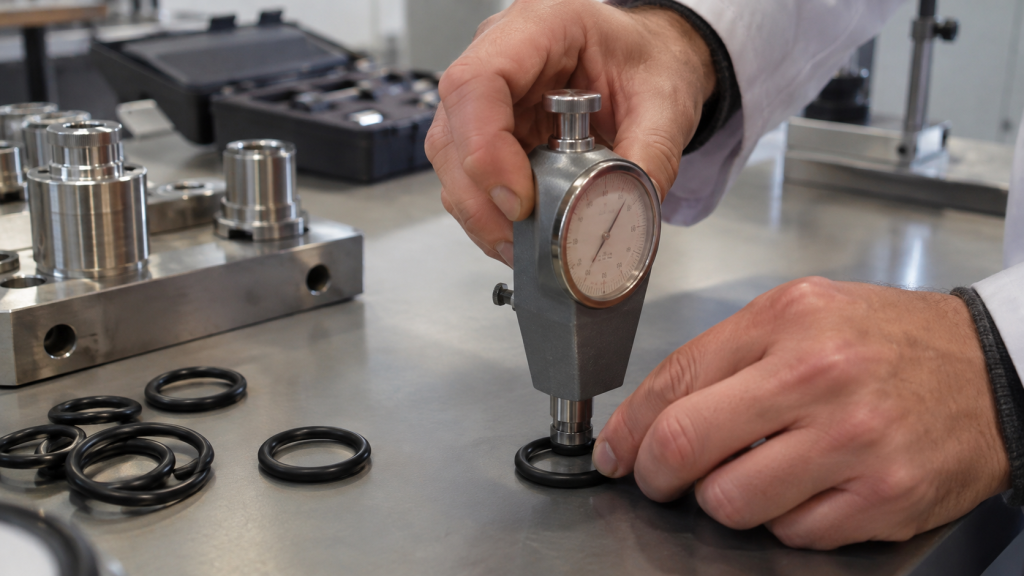 Simultaneous Verification of Dimensions and Appearance
Dimensions and appearance are checked on a batch-by-batch basis and match the drawings.
We will provide specifications tailored to your on-site needs.
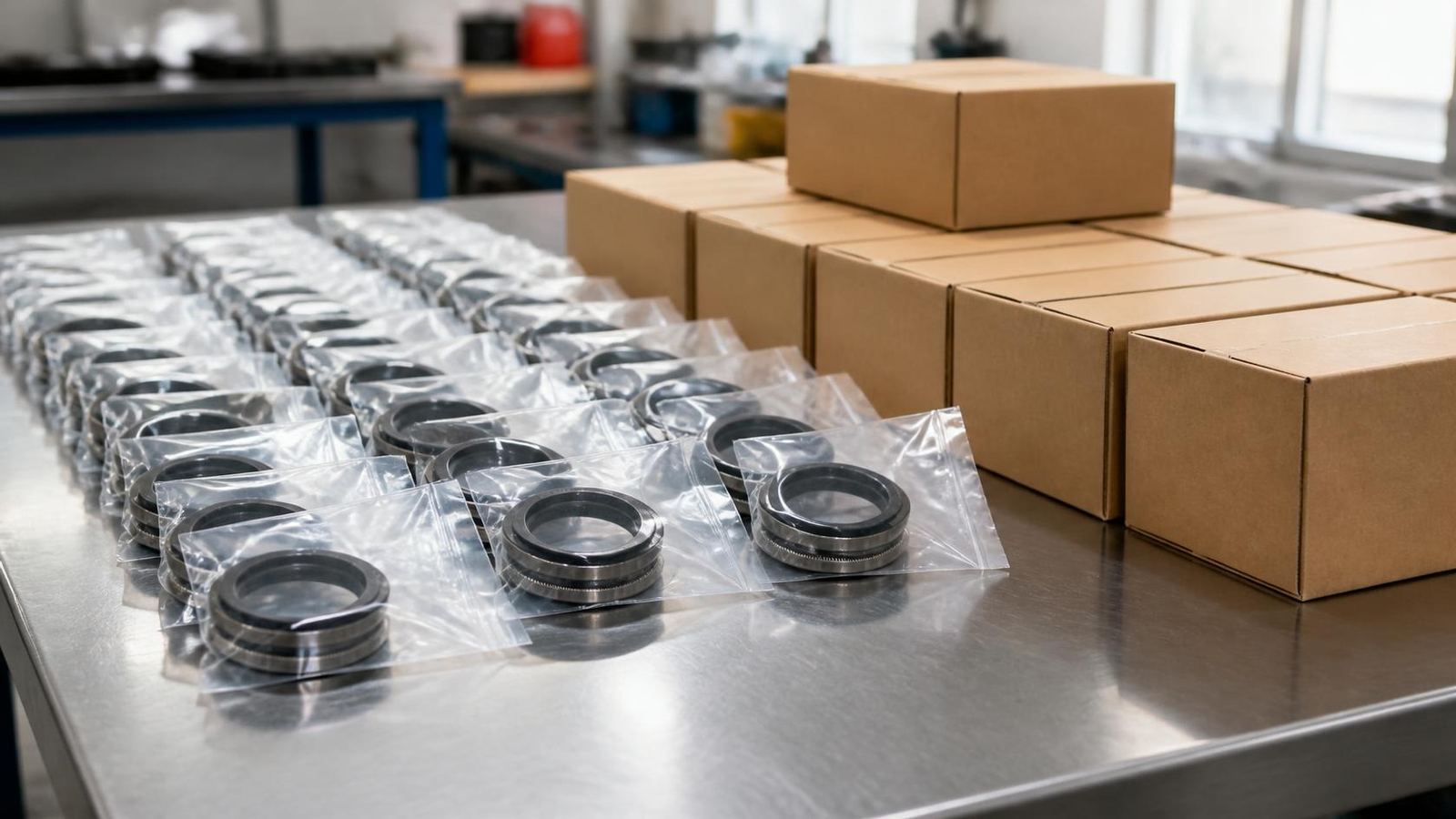
Provide the old part, the time of the leak, and the groove drawing; compare the sealing lip, spring, and mating surfaces; and compile a list of replacement specifications for which we can request quotes.
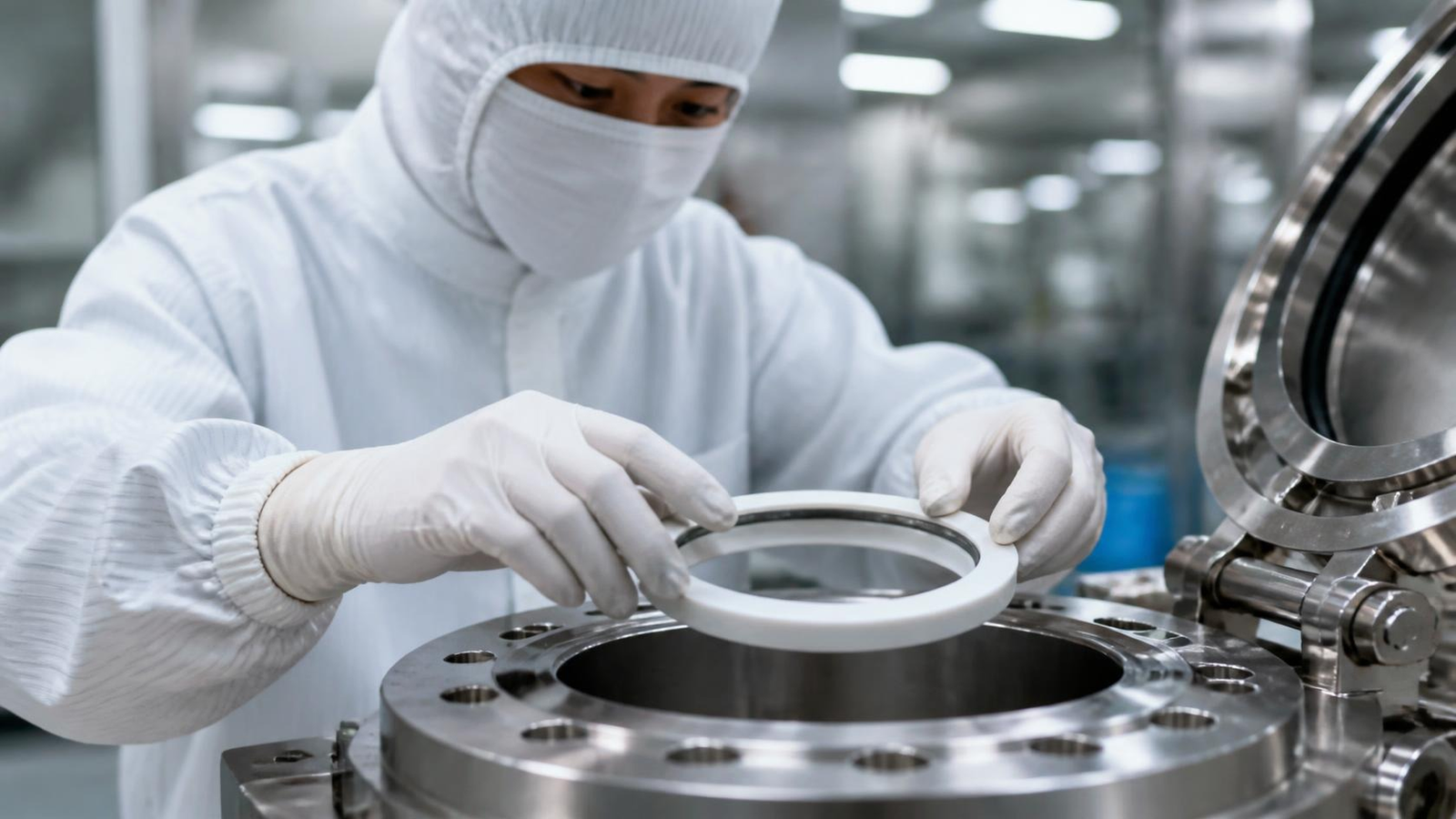
If there are changes in the medium, pressure, or operating conditions, please provide the new operating conditions and the original specifications so we can verify the materials and design, and then discuss the sample and test conditions.
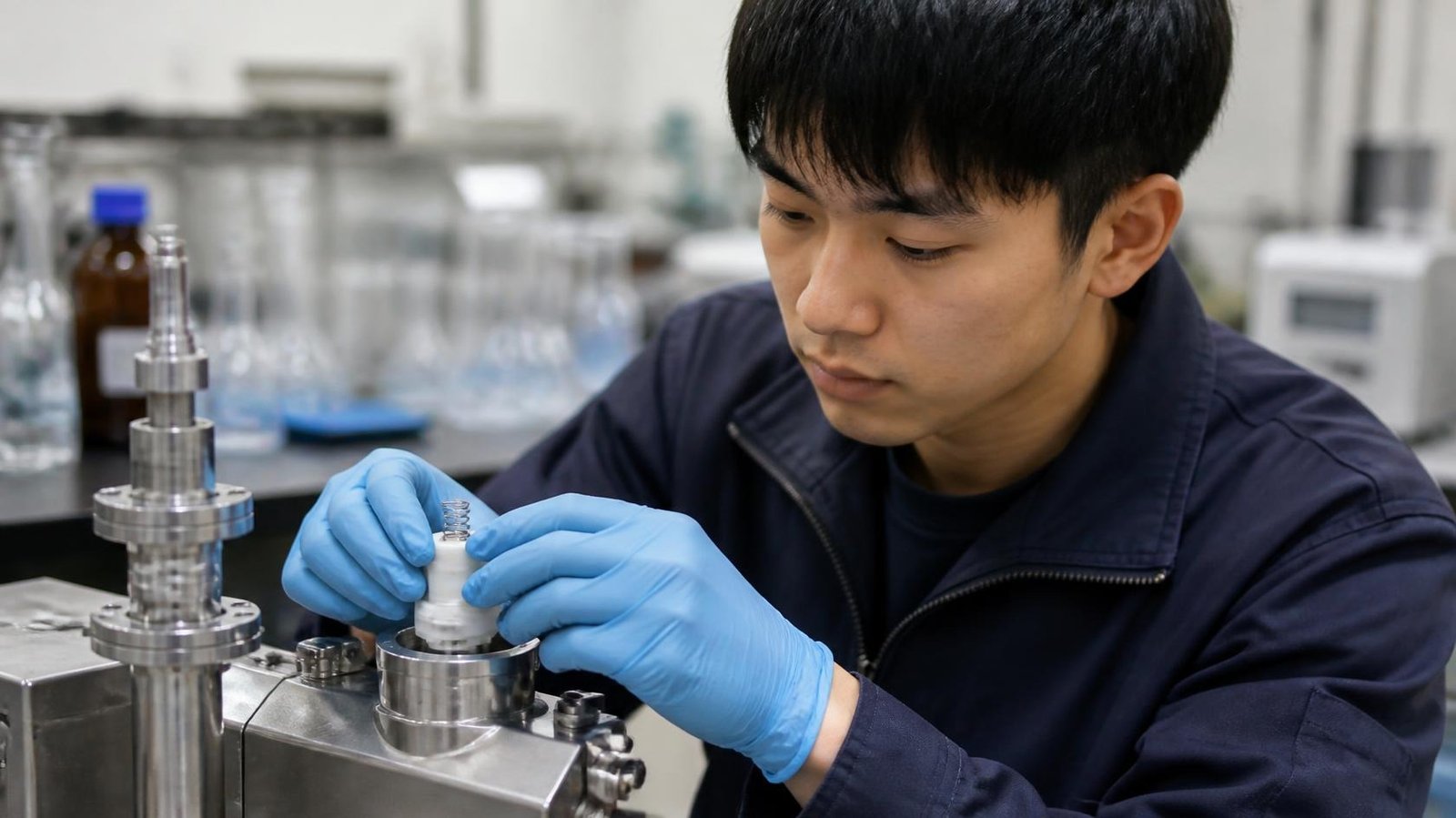
Provide drawings or samples, intended use, and quantity; confirm the machinable dimensions and acceptance criteria; and coordinate the transition from prototyping to mass production.
As long as you have photos of the old parts, you can get started; you can fill in the rest of the information later.
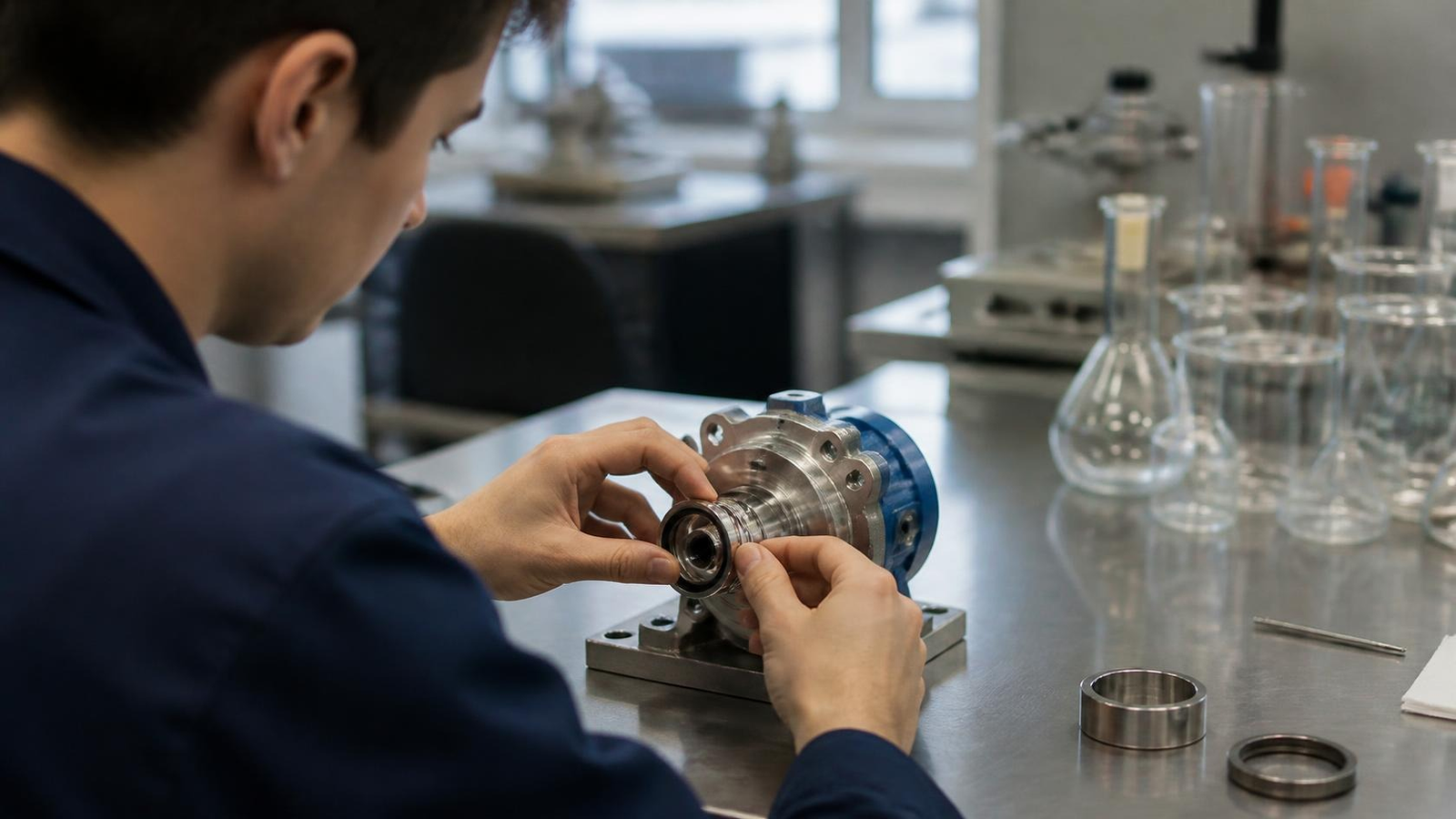
Medium and concentration, normal and maximum temperatures, pressure range, vacuum, or start-up and shutdown conditions.
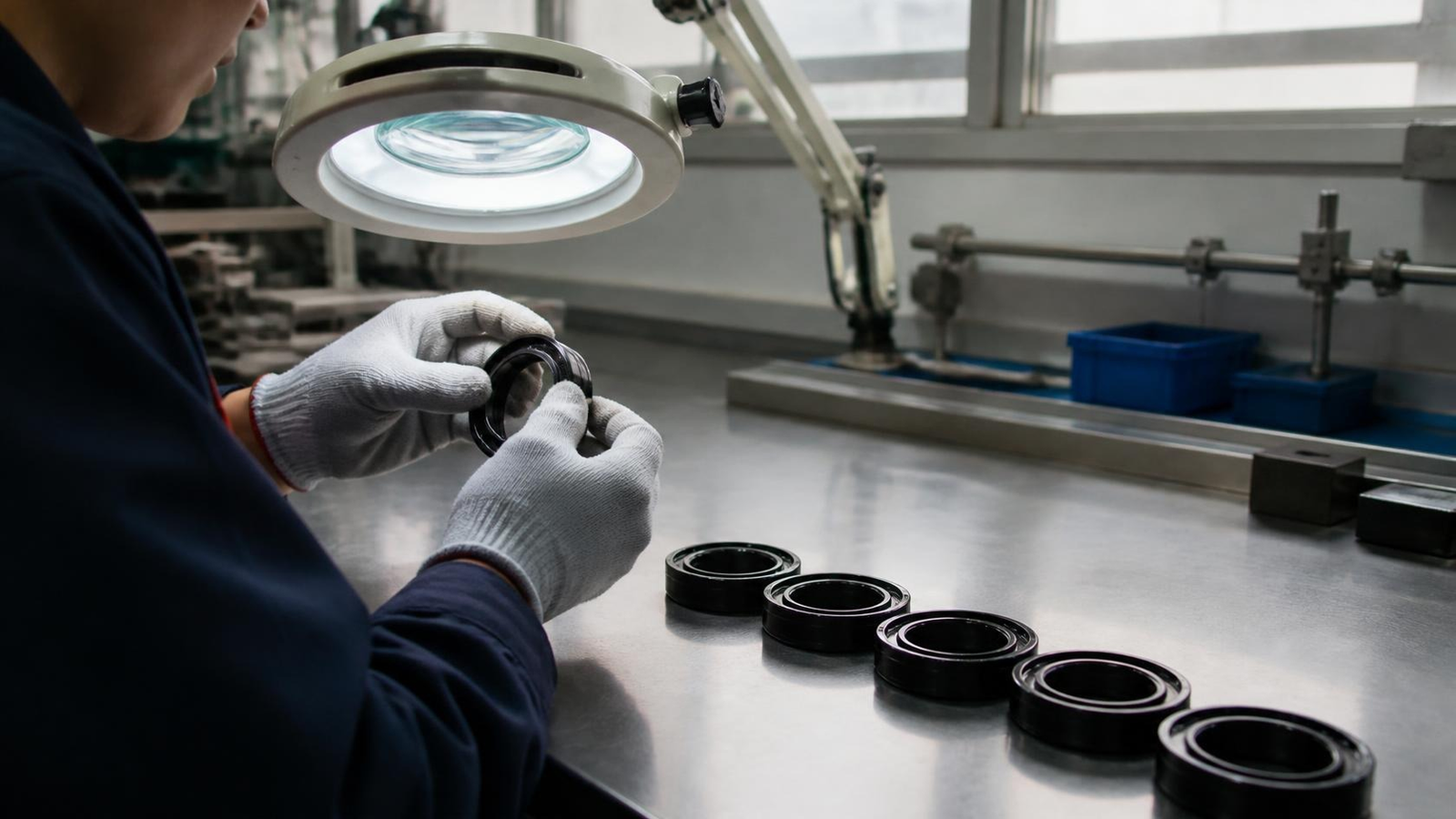
Groove drawings, inner and outer diameters, cross-sections, fit clearances, as well as motion speed and stroke.
Quantity, intended use, sample testing methods, and any required materials or compliance documents.
Whether you provide old seals, groove drawings, dimensions, part numbers, or operating conditions, Chengxin will help you organize the required specifications and then provide guidance on replacements, quotes, or prototyping.