
Choosing the Right Engineering Materials
Manufacturing, Inspection, and Restocking
Stress-Free Urban Renewal
Whether it’s engineering materials such as PTFE, PEEK, PVDF, FKM, and FFKM or sealing materials, Chengxin helps you navigate the entire process—from material selection and grade confirmation to validation, processing, and supply—ensuring everything is clearly defined from the start.
Do you also find yourself stuck with these questions when selecting materials?
 You know the material name, but you're not sure which grade to choose?
 They’re both called PTFE and FKM, so why is there such a big difference in their actual service life?
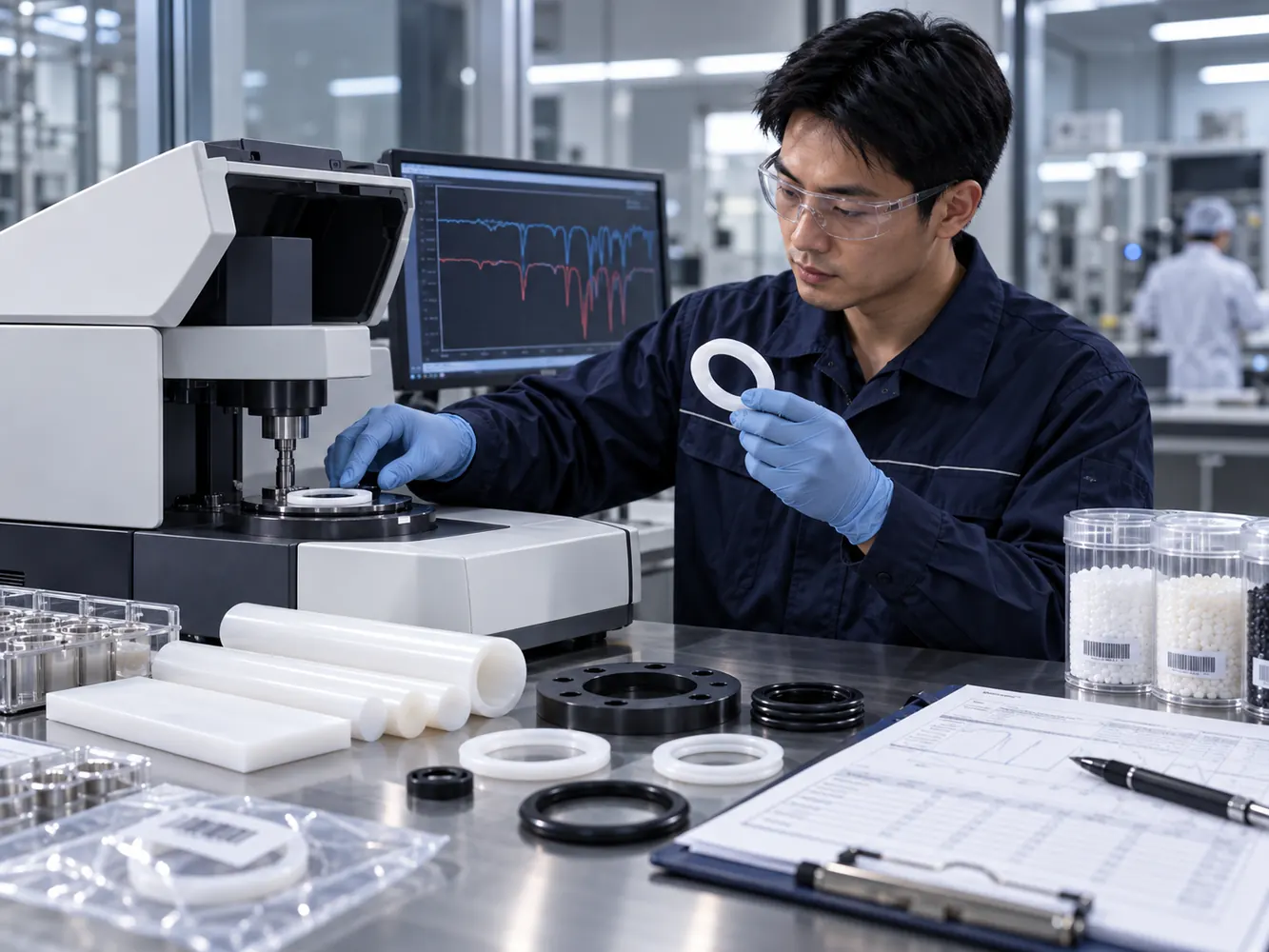 You've bought the materials, but you can't confirm if they're the ones you originally wanted?
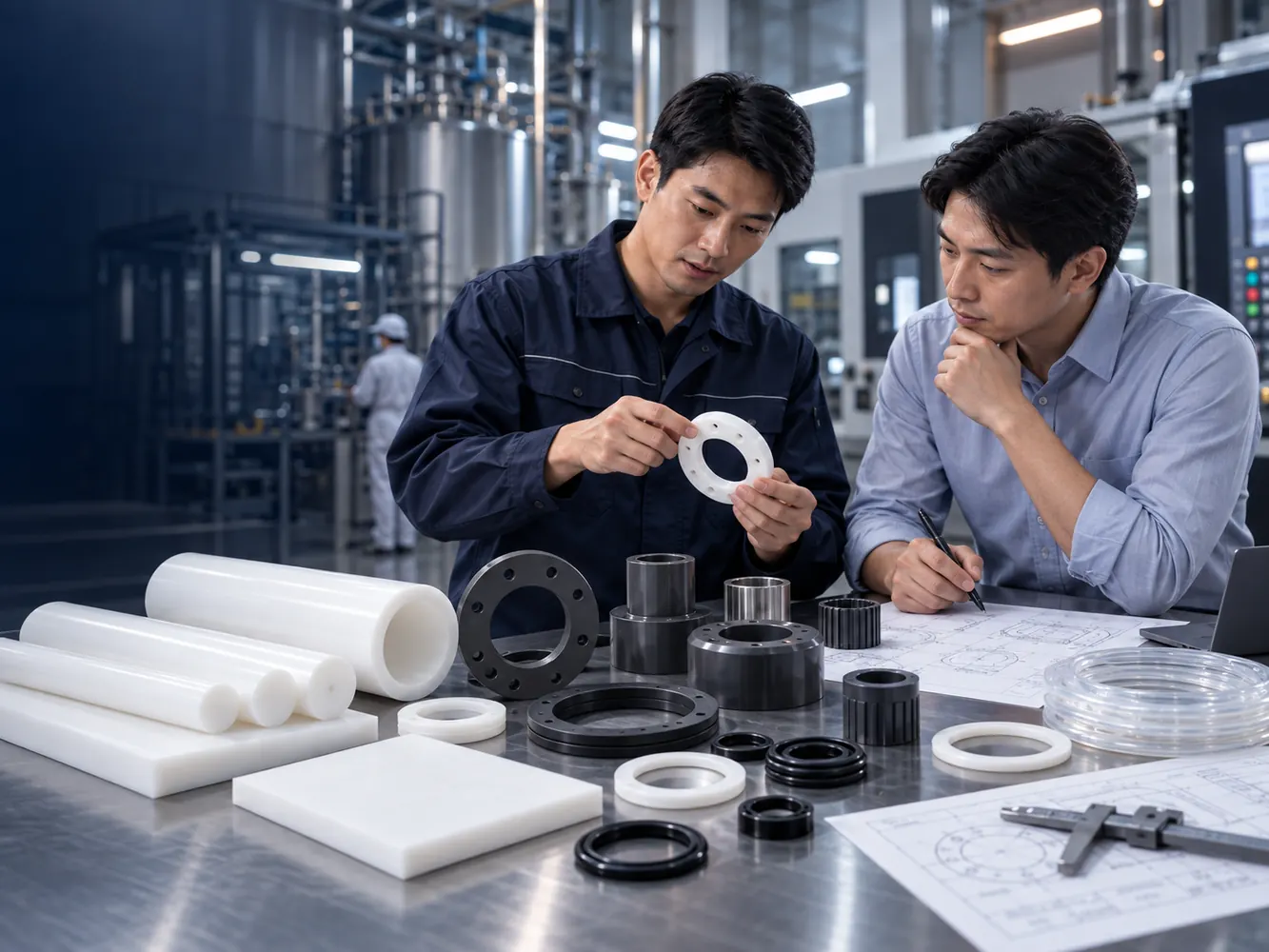
Decide on the orientation of the material,
Facilitate a Smoother Handoff Between Procurement and the Field
The medium, temperature, pressure, friction, wear, dimensions, and photos of used or failed parts can all serve as a starting point. You don’t need to have all the specifications organized in advance. Chengxin will work with you to determine the material, grade, supply form, and machinability, and then clearly outline any additional information needed. By moving from “What is this material?” to “Is this material suitable for my application?”, we help engineering teams avoid a round of trial and error and eliminate back-and-forth confirmations during the procurement process.
Choose the right materials, and you’ll take care of all six things at once
From material selection to delivery, we address the issues that most often cause delays for our customers first.
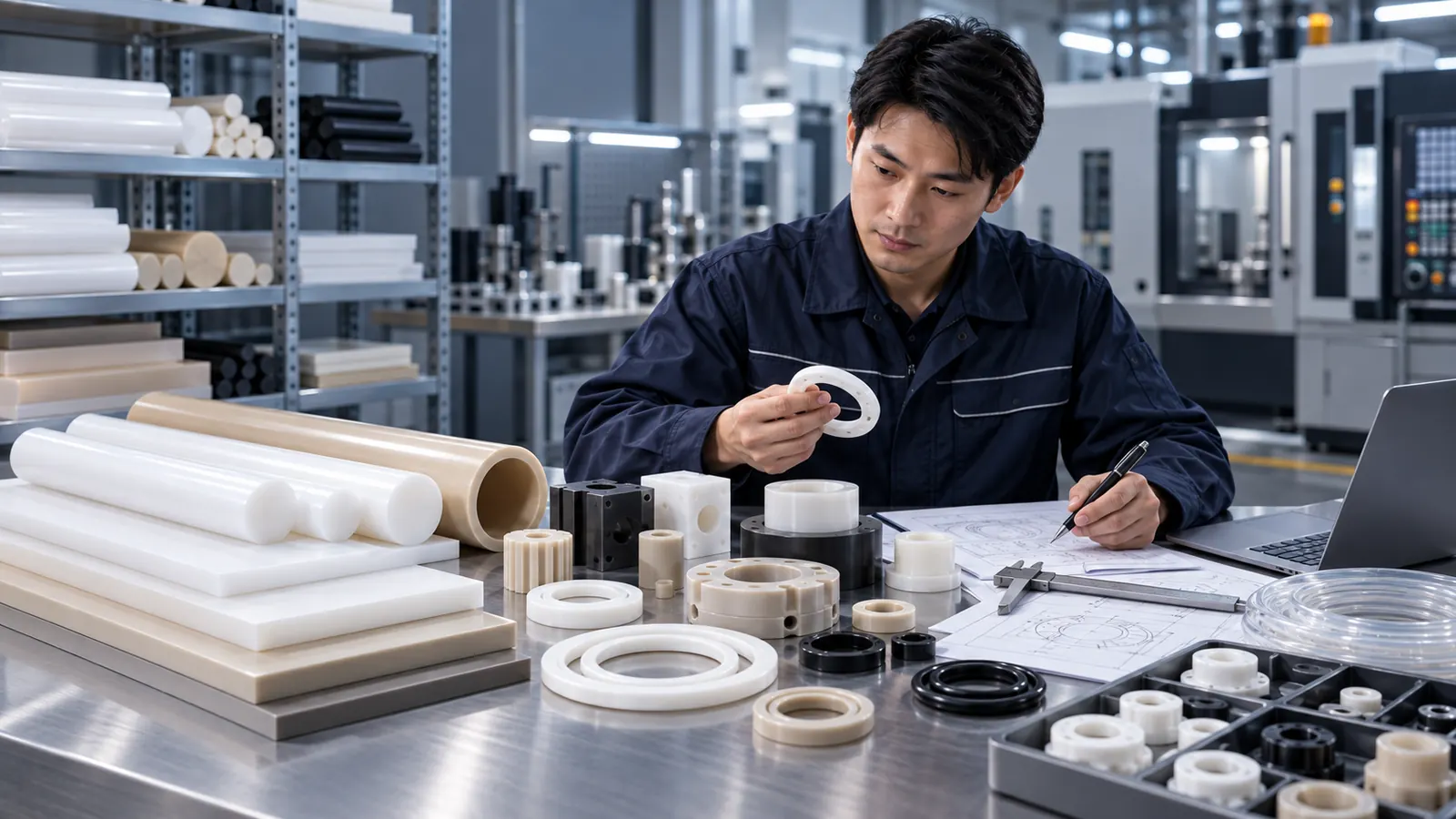
When the material matches the operating conditions, there’s one less round of trial and error.
Select materials based on the medium, temperature, pressure, and wear requirements. The typical dynamic coefficient of friction for PTFE is approximately 0.05–0.10; the tensile yield strength of PEEK 450G is approximately 98 MPa. Compare these data points with the operating conditions to ensure a well-founded comparison.
Verify the part number first—for greater peace of mind in critical applications
Even within the FFKM family, the maximum service temperature can vary by grade, ranging from approximately 275–327°C. Considering the grade in conjunction with the medium, duration, and operating conditions helps minimize discrepancies that can arise when ordering based solely on the material name.
You can get started even if your information is incomplete—no need to wait around for procurement.
We can discuss existing materials, photos, dimensions, and equipment models in advance. Chengxin will help organize the known information and the data that still needs to be provided, giving the engineering and procurement teams a clear direction from the start and reducing the need for back-and-forth follow-ups.
Raw materials are delivered directly to the workpiece, reducing one step in the process.
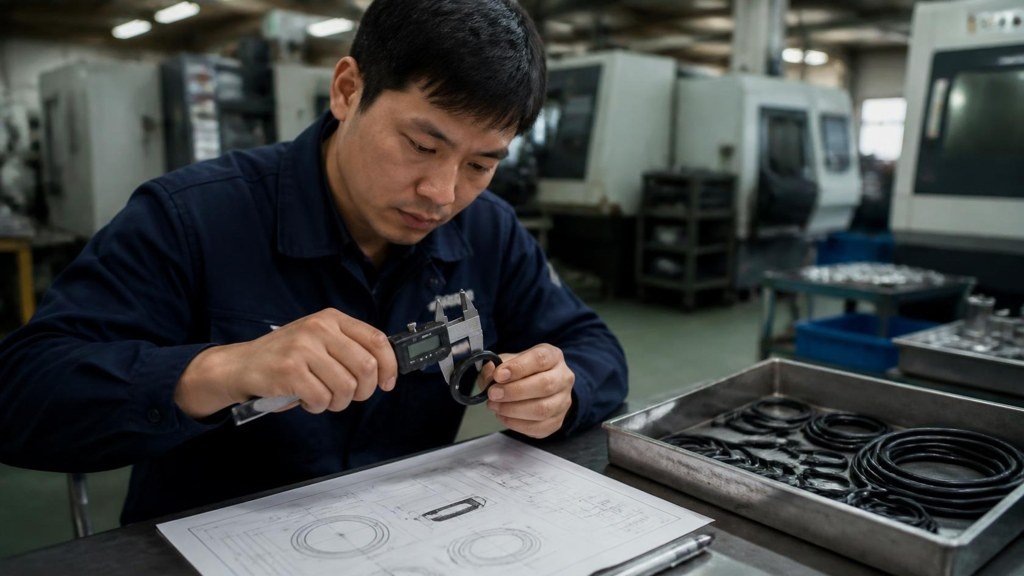
Evaluate bars, sheets, tubes, molded parts, and seals alongside CNC machining. First, confirm the materials and manufacturing methods so that the procurement team doesn’t have to repeat the requirements separately, ensuring a smoother process from raw materials to finished products.
Materials can be verified, providing a solid basis for inspection upon receipt.
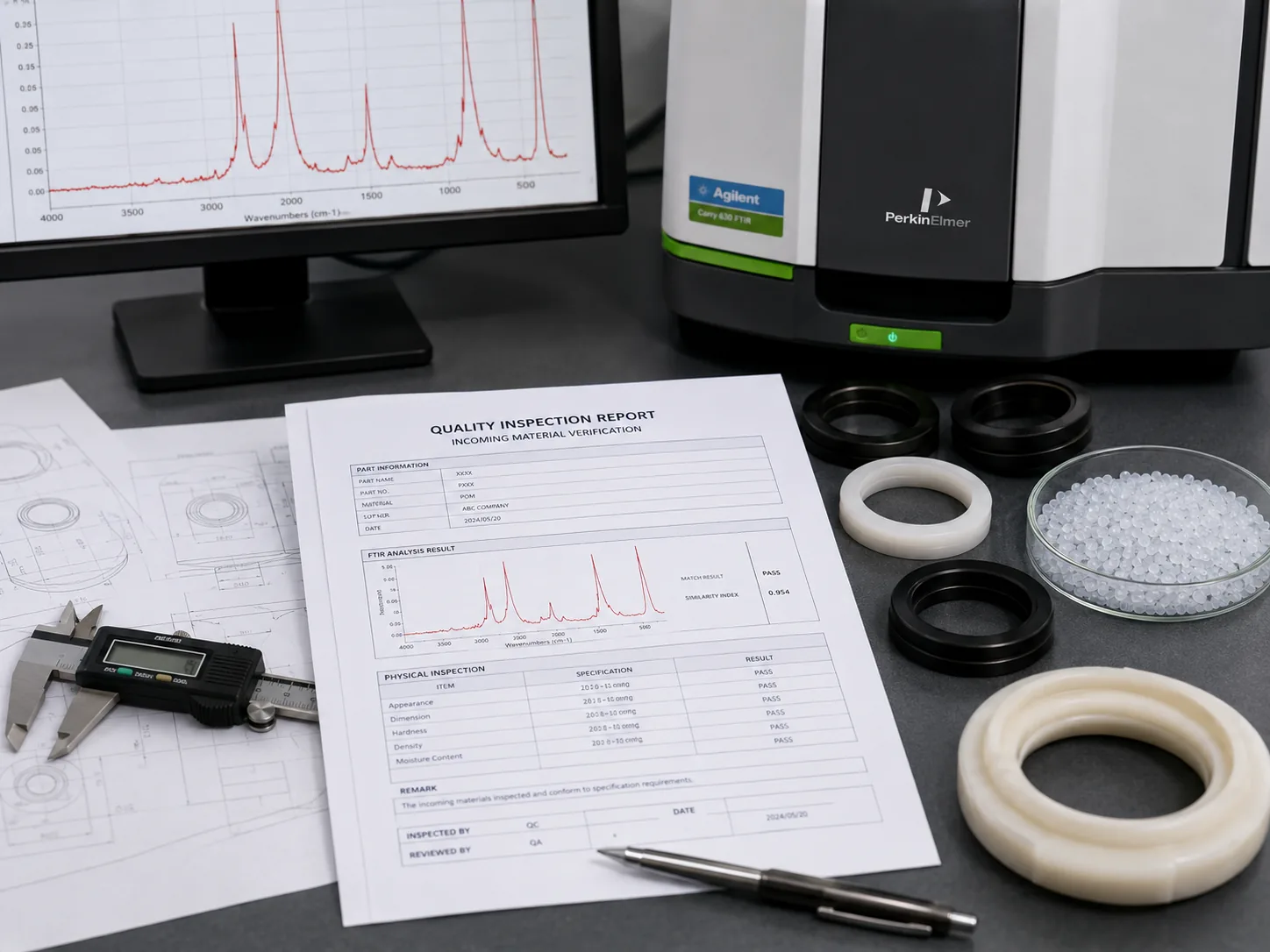
Confirm the manufacturer's documentation and batch records as needed, and arrange for FTIR material comparisons. Ensure that the engineering, procurement, and quality assurance teams are aligned on the scope of delivery in advance to minimize the back-and-forth of document submissions after receipt.
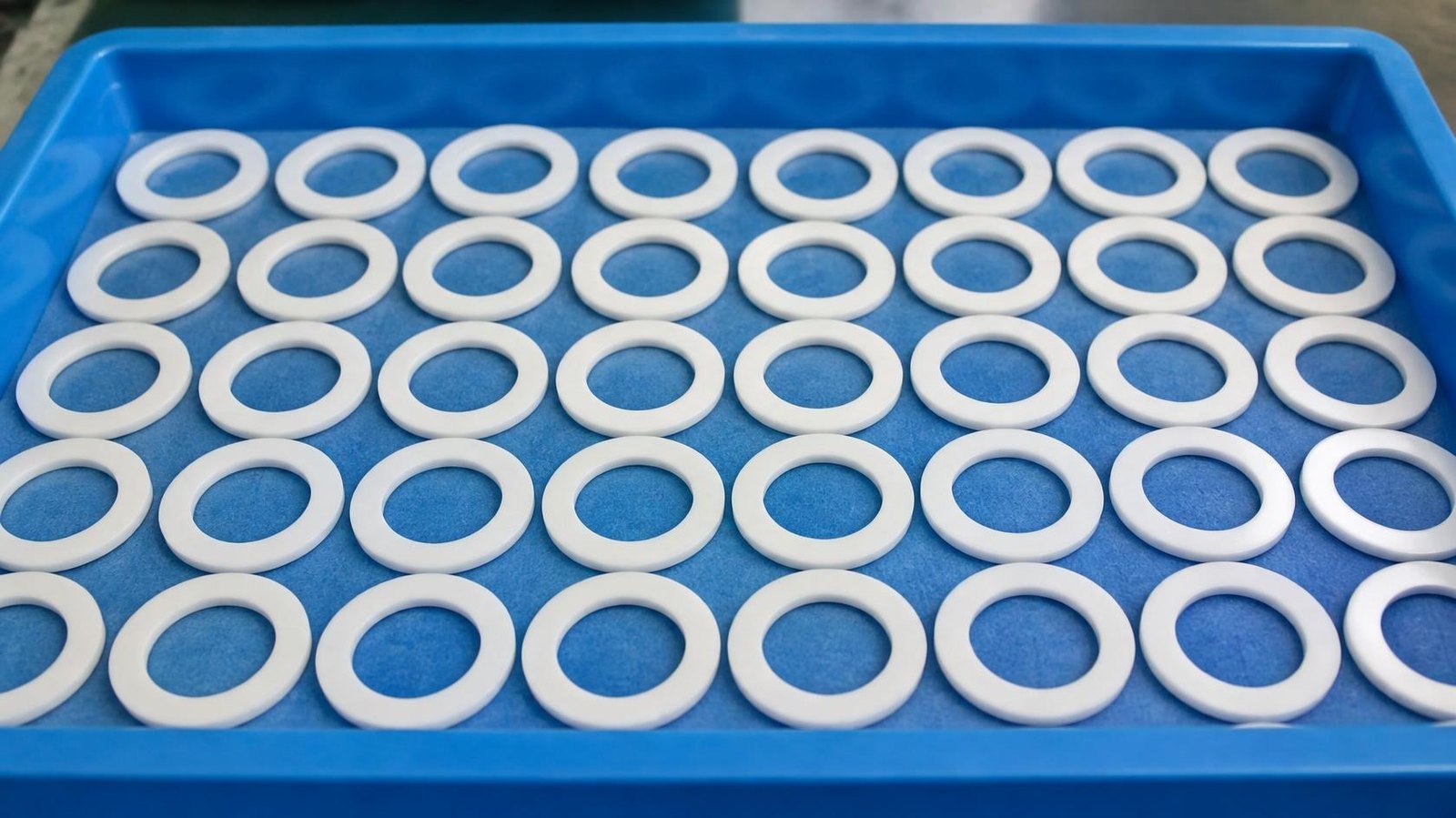
Sample orders are processed in batches, making it easier to arrange subsequent restocks.
First, confirm the materials and manufacturing methods, then align them with batch production and long-term supply requirements. Keep a record of the confirmed specifications and conditions to avoid having to explain everything from scratch each time you restock, making it easier to continue with material preparation and maintenance.
Common Engineering Materials
For engineering plastics and elastomers, first review their applications and key specifications, then confirm based on the specific grade and operating conditions.
First, determine the grain direction of the material
From engineering plastics to elastomers, if you know the name, you can search for it directly; if you're not sure, you canNarrow down the range based on operating conditions →
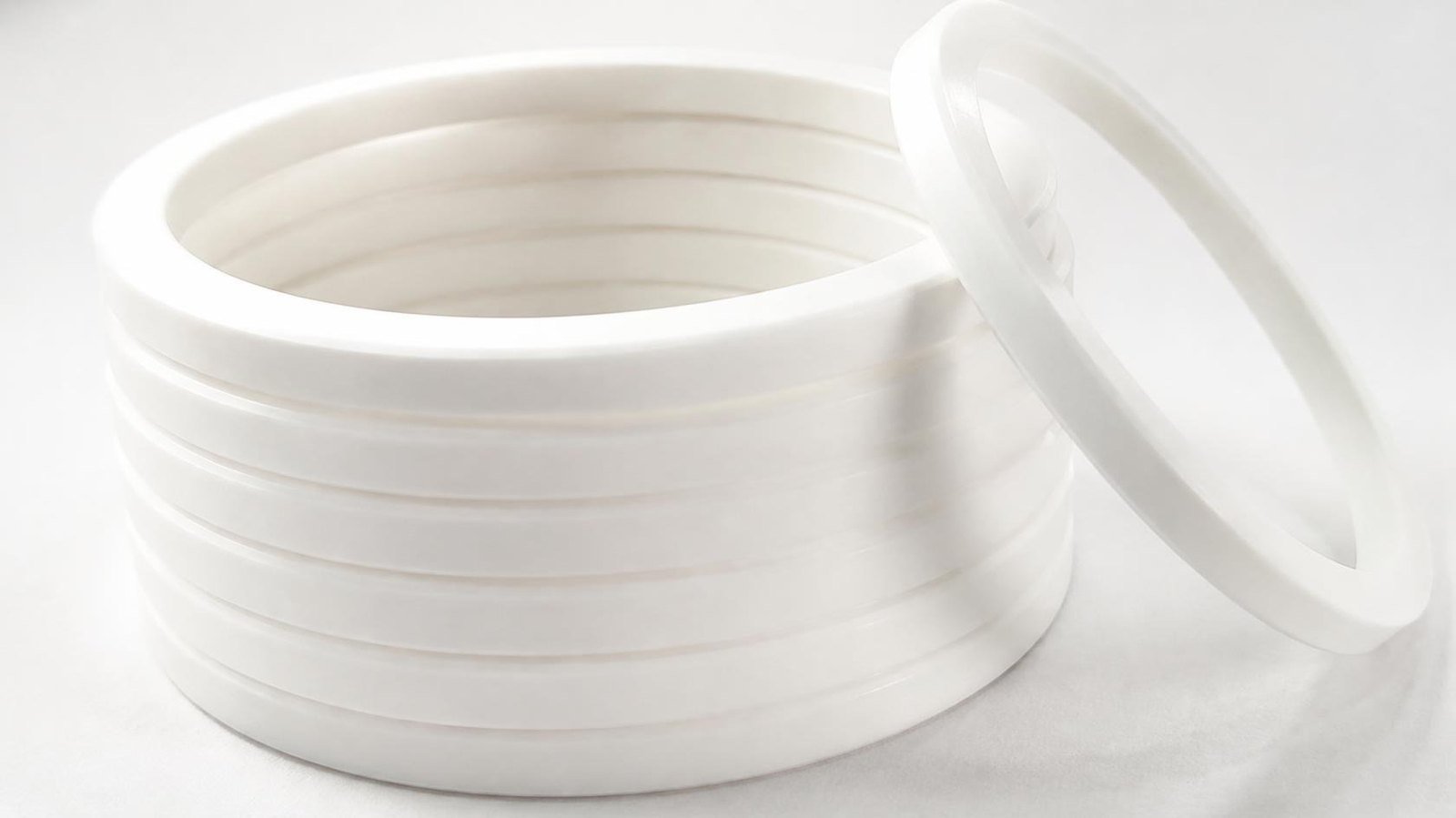
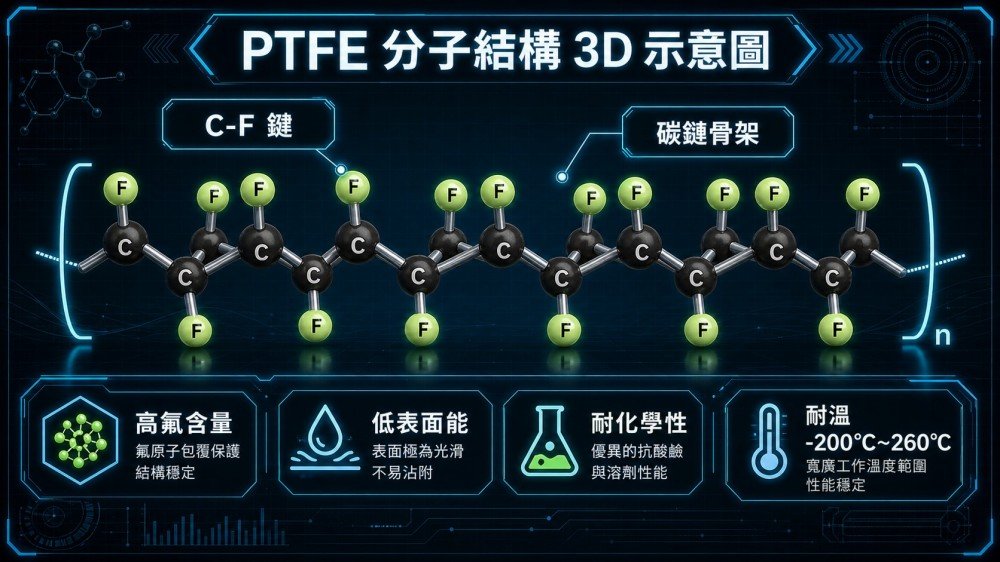
Low friction, chemical resistance, and versatility—the material pairs well with other materials, and equipment runs more smoothly.
View PTFE Materials and Parts →It retains its chemical resistance while being easier to mold, making it simpler to create the desired shapes.
Inquire about FEP specifications via LINE →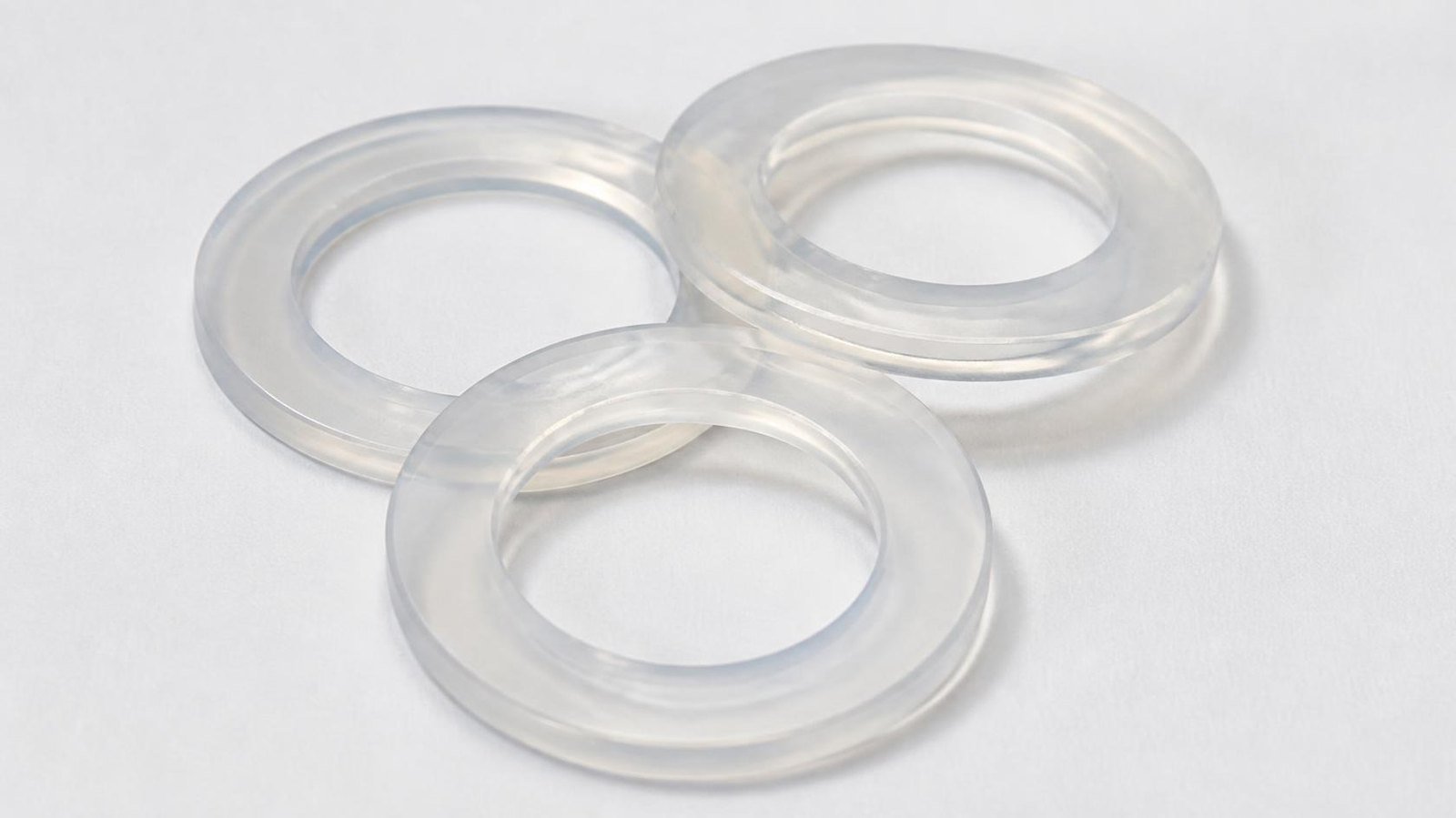
More consistent airtightness and dimensional stability for greater peace of mind.
View PCTFE Materials and Parts →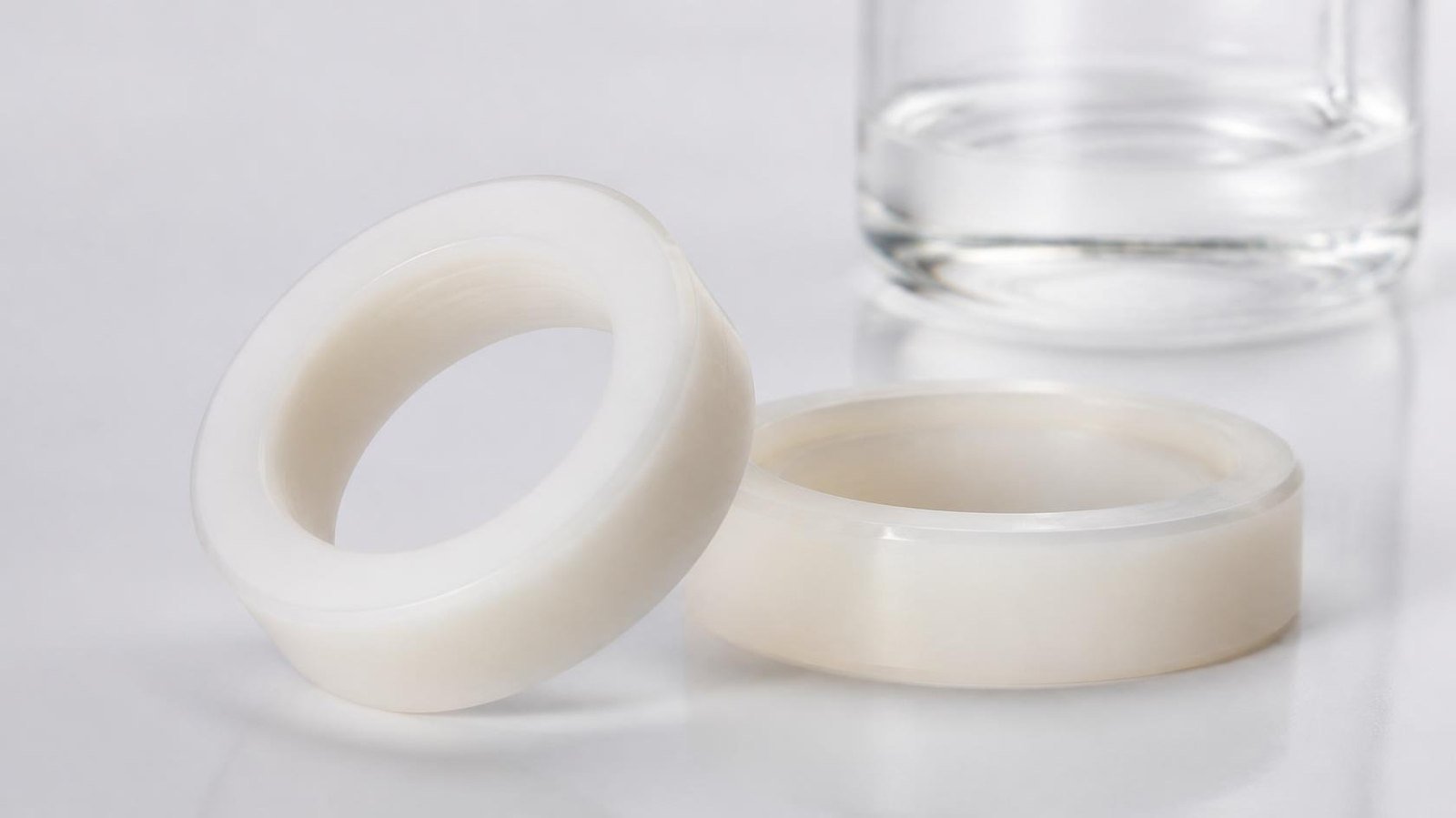
From sheets and tubes to finished parts, there are established processes in place, allowing specifications to be implemented more quickly and ensuring smoother delivery.
View PVDF Materials and Parts →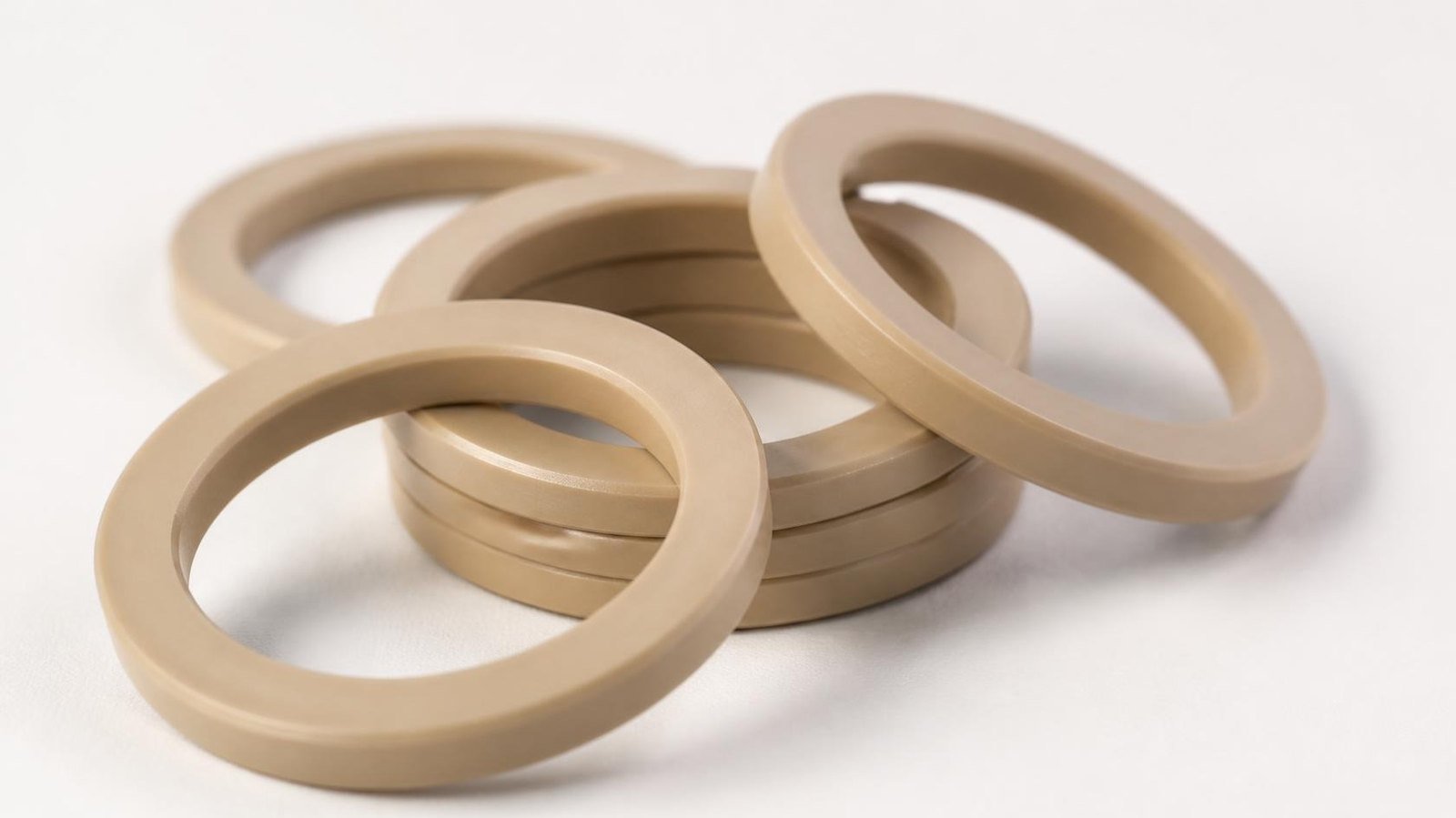
It can still support the parts even at high temperatures, making the parts more durable and the equipment run more smoothly.
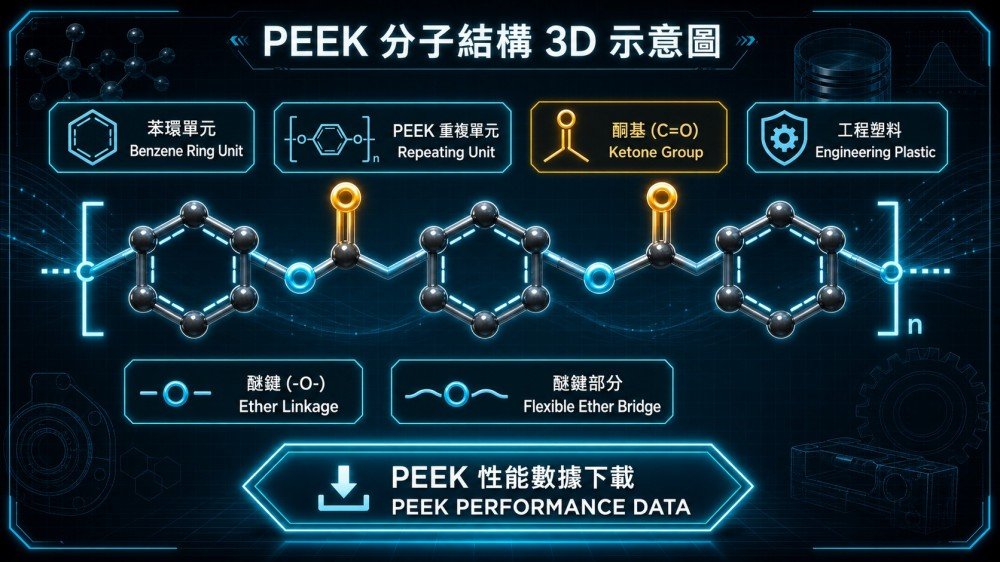
View PEEK Materials and Parts →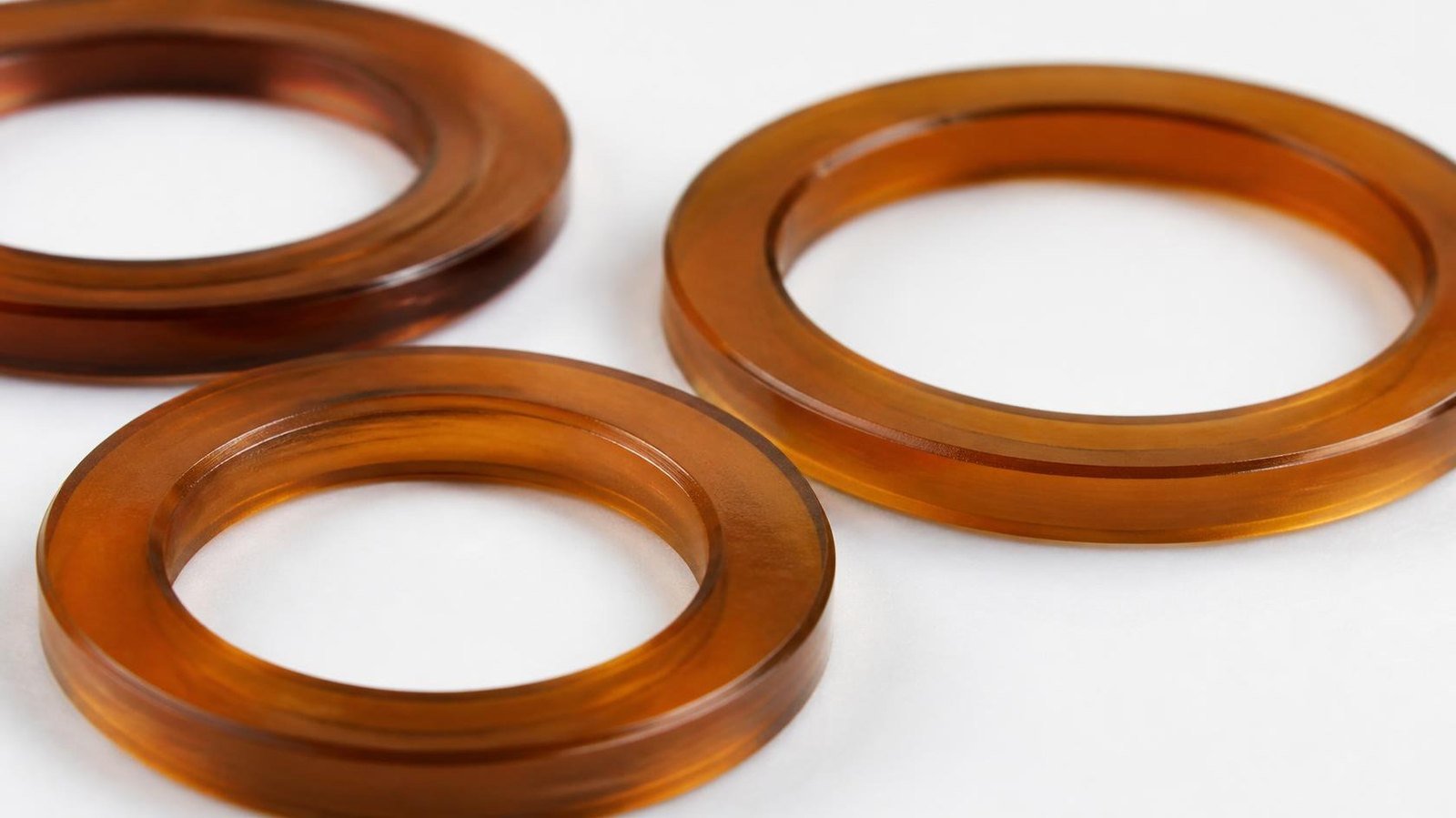
Even when general-purpose engineering plastics start to struggle, PI can still hold up, and high-temperature equipment continues to operate smoothly.
See PI Materials and Parts →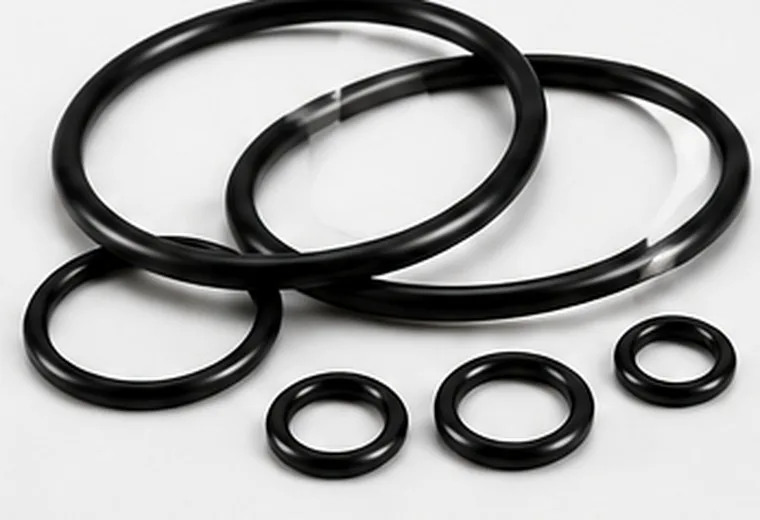
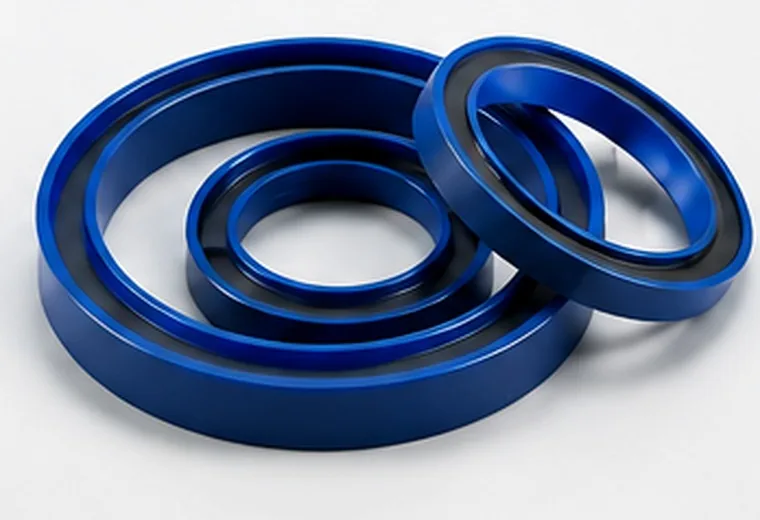
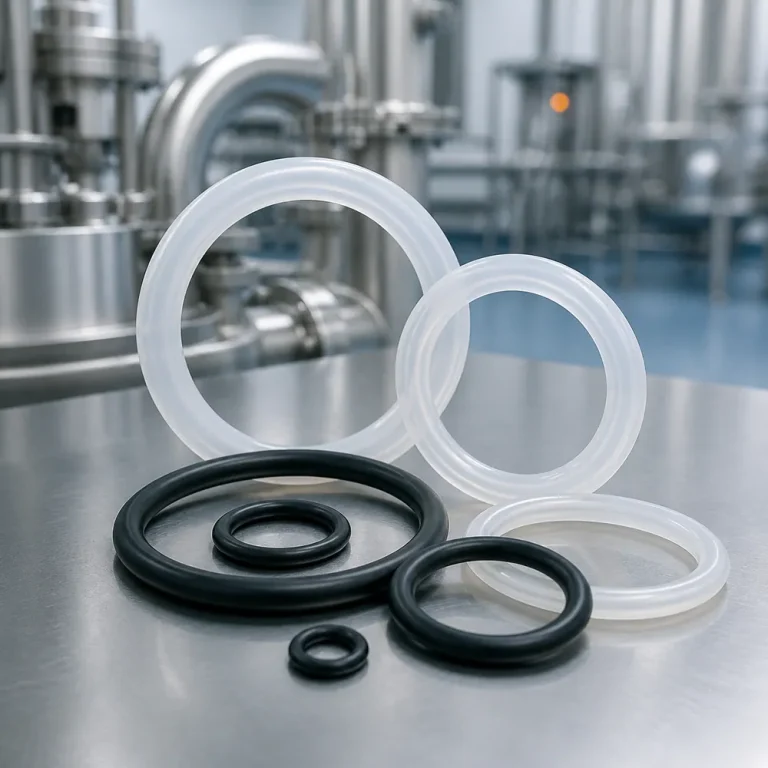
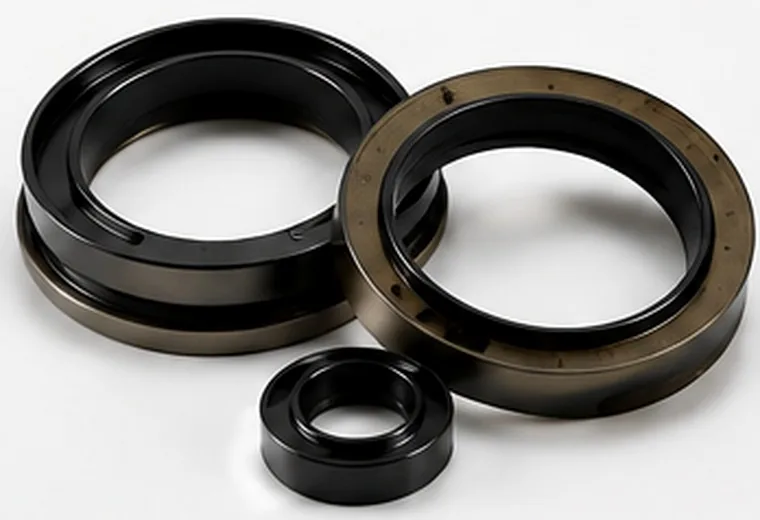
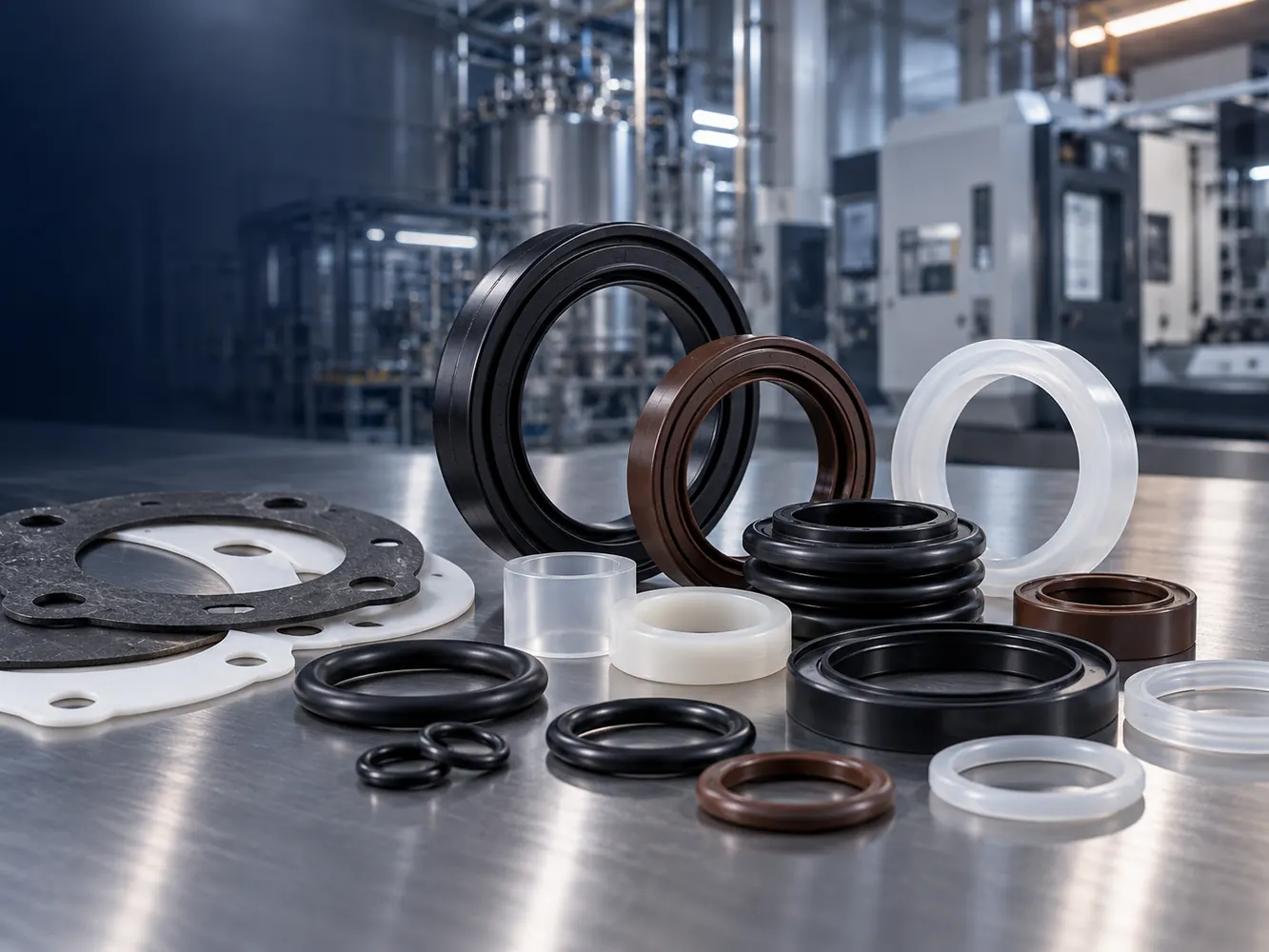
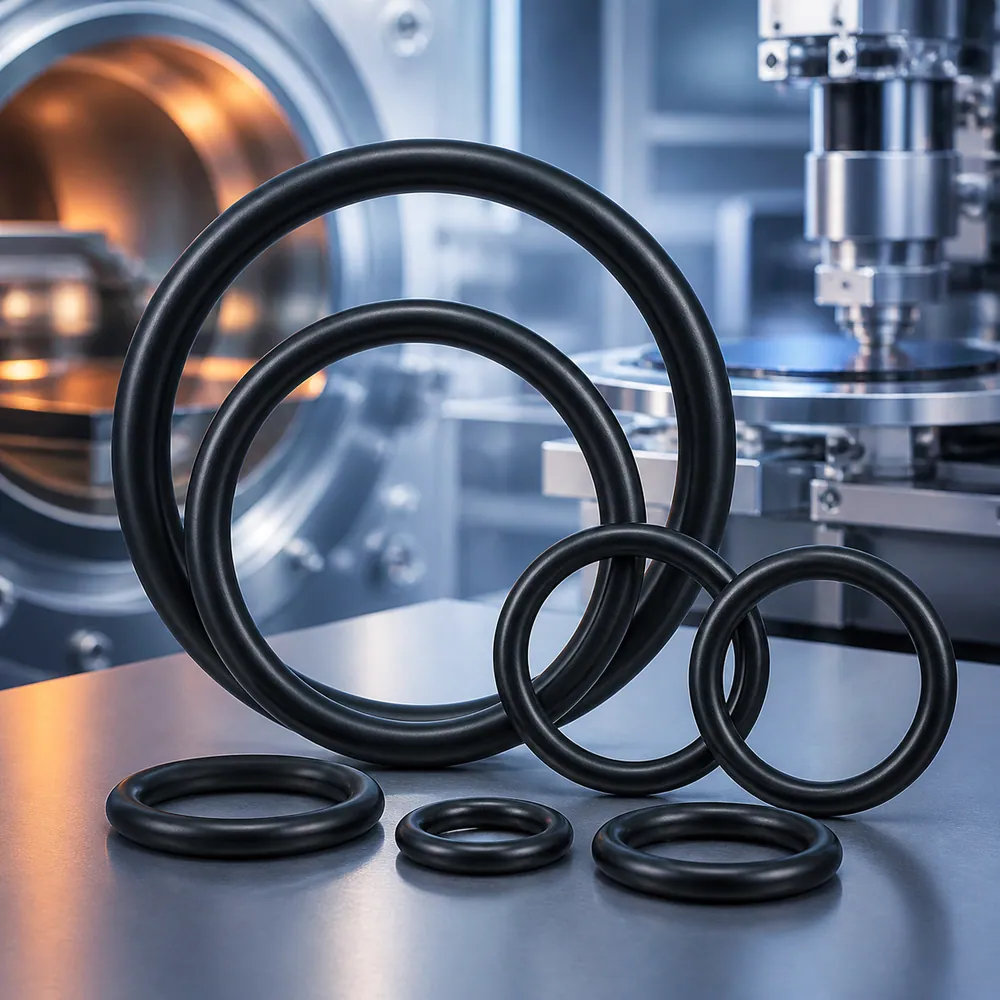
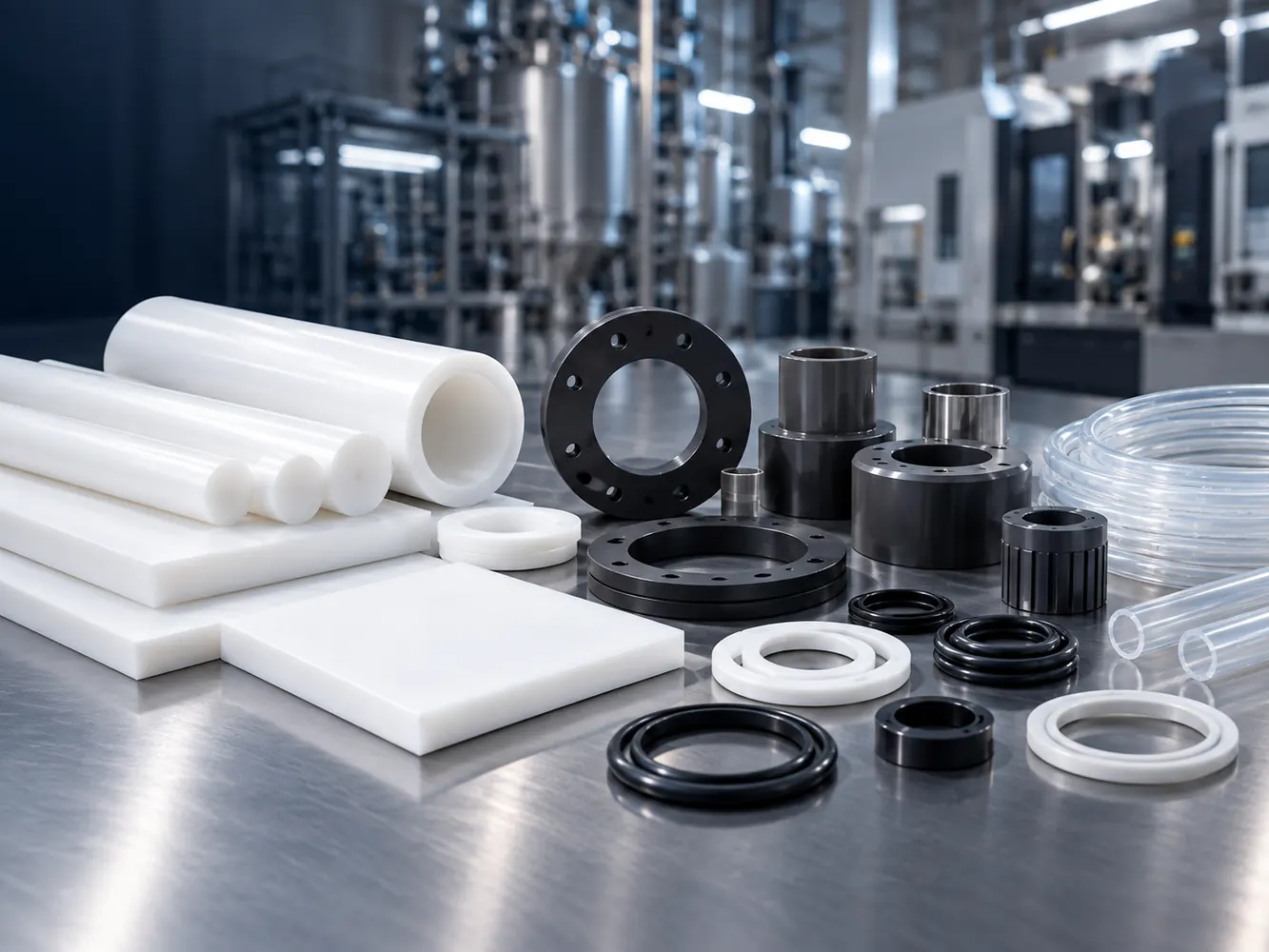
※ The above lists representative grades, typical values, and supply information for preliminary material selection. The melting point does not equate to the long-term operating temperature; actual performance must be verified based on the grade, the manufacturer’s datasheet, the medium, pressure, duration, and operating conditions. The images are illustrative of material applications or supply forms; the material should not be identified by its appearance alone.
Raw materials, workpieces, and batch sizes—confirm all of them together
Moving from raw materials to a delivery format that allows for procurement, manufacturing, and acceptance.
Bars / Sheets / Tubes
Determine the form of the raw material based on its type, dimensions, and quantity to ensure a suitable starting point for subsequent processing.
Molded Parts and Sealing Materials
Confirm the formulation, hardness, working medium, and molding requirements together to minimize discrepancies between the material and the manufacturing process.
Seals and CNC-Machined Parts
We evaluate the machining process based on drawings, samples, and fit dimensions to ensure that the material properties meet the actual requirements of the parts.
From Prototypes to Mass Production
First, align on the key points for prototyping and validation, then confirm quantities, documentation, and delivery dates to ensure a smooth transition for subsequent restocking.
Start by assessing the operating conditions to determine the right direction; this makes it easier to select materials.
The material grade serves as a starting point for discussion; the actual grade will be determined based on equipment specifications.
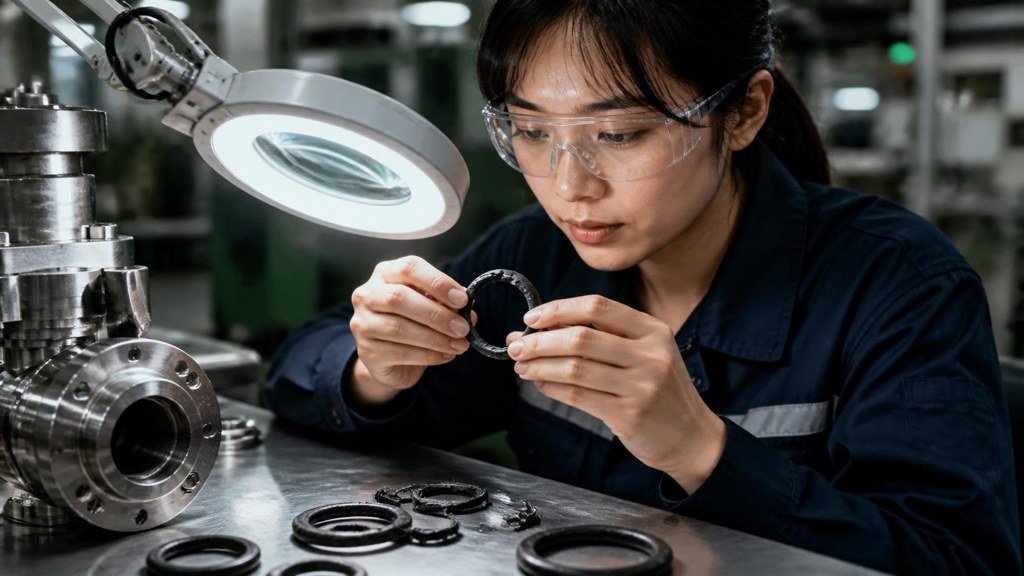
High Temperature/High Load
When parts are exposed to heat, subjected to continuous stress, or require a precise fit, first determine the operating temperature, load, and operating time, and then evaluate the requirements for plastic structural components and elastomer seals separately.
One less round of rework due to deformation or premature deterioration.
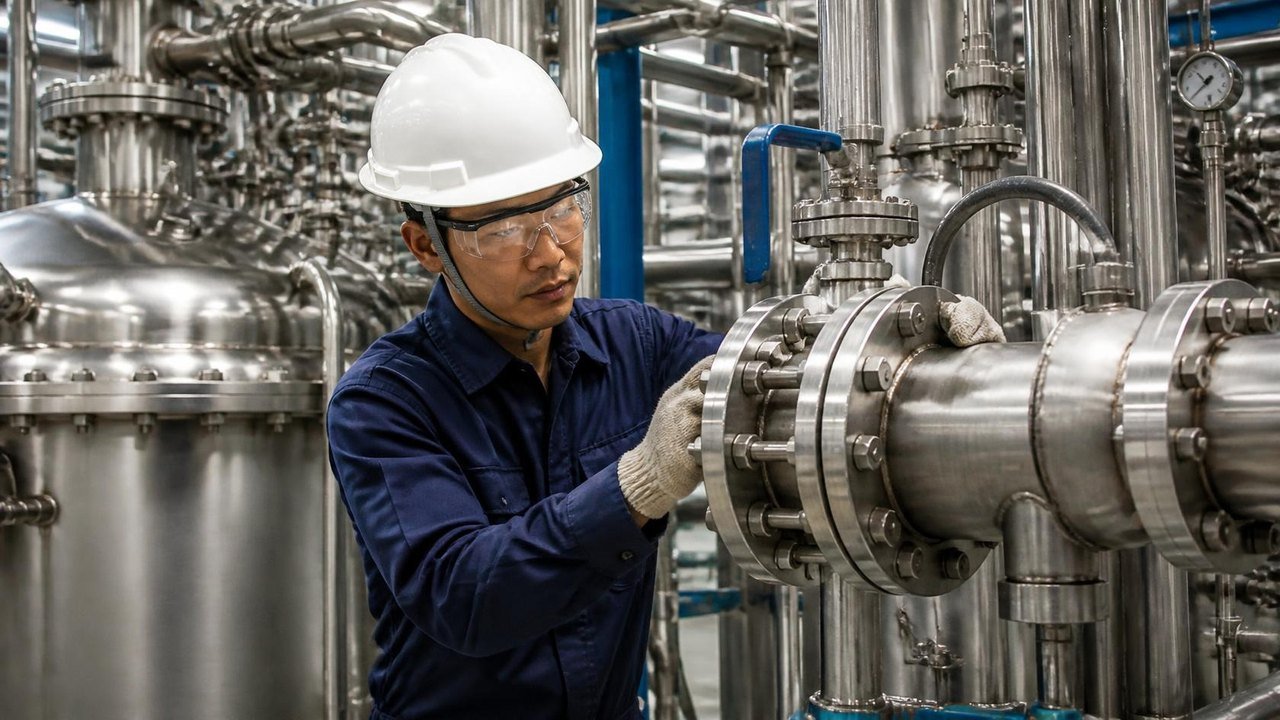
Chemical-Resistant / Low-Friction
When considering acid-base conditions, solvents, or sliding contact conditions, one must take into account the medium concentration, temperature, and friction requirements, respectively; chemical resistance and low friction do not mean that every material is suitable for both.
Clearly define compatibility and sliding requirements so that procurement comparisons can be made with a clearer focus.
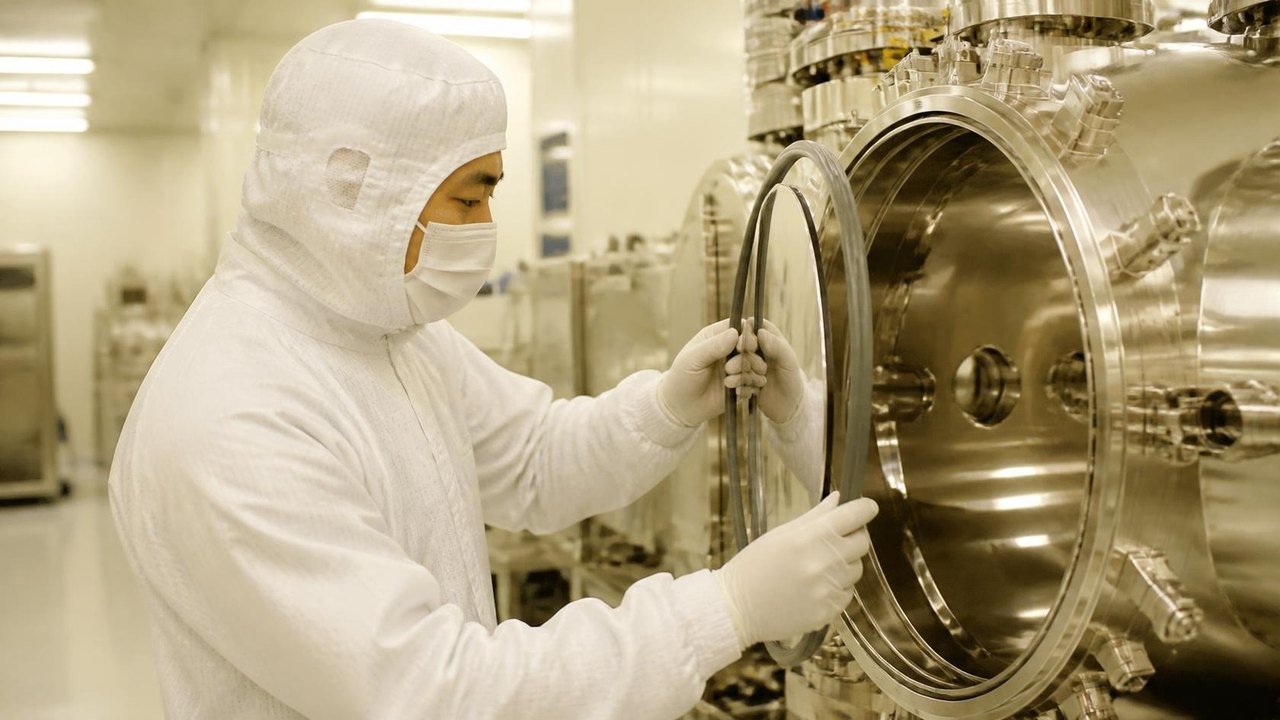
Low Temperature / Vacuum / Airtight
When permeability and dimensional stability are critical for specialty gases, cryogenic fluids, and precision valves, PCTFE should be evaluated, and the specific gas, temperature, and sealing configuration should be verified.
Ensure that the key aspects of airtightness and machining are aligned early on.

Water/Steam/Weather Resistance
For water systems, steam, ozone, or outdoor environments, an assessment can be conducted from the EPDM perspective, followed by verification of temperature, cleaning methods, contact media, and documentation requirements.
Make it easy for on-site personnel and quality assurance teams to take over.
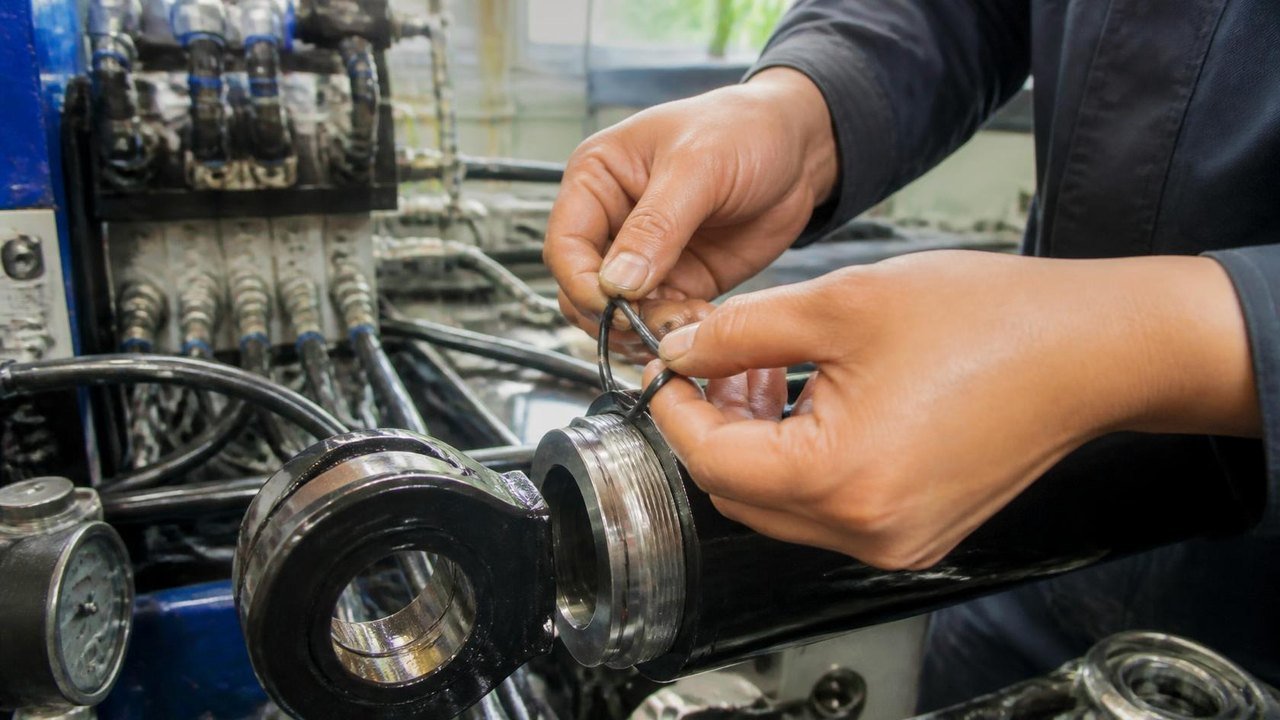
Oils / General Industrial Seals
In general oil, hydraulic, or fuel environments, compare NBR, HNBR, and FKM based on the specific oil type, temperature, and wear requirements; avoid making decisions based solely on temperature resistance.
Consider material selection and maintenance inventory together.
I'm still not sure what kind of material it is.
You can get started even without the material name. Send us the medium, temperature, pressure, dimensions, and photos of the old part or the failed component, and Jiexun will help you organize the materials, grades, and the next steps for confirmation.
You don't have to finish the entire set of specifications first; just figure out the next step.
Once the materials are selected, the necessary parts are procured and machined.
The material is the starting point; the joint location, dimensions, and mode of operation determine the next steps.
From Raw Materials to Finished Parts
Bars, plates, tubes, or custom parts—the manufacturing process proceeds in sequence based on materials, drawings, and dimensions.
View the Products and Parts Main Page →From Elastomers to Static Seals
Verify the material orientation in conjunction with the ring profile, grooves, and compression fit to ensure the sealing material is used in the correct location.
View O-Ring Sealing Solutions →Oil-Resistant Materials for Rotating Shaft Seals
Based on the material, shaft diameter, rotational speed, lubricant, and shaft surface conditions, proceed to determine the type of rotary seal.
View Oil Seal/Rotary Shaft Seal Solutions →Documented materials provide peace of mind when making a delivery
First, align the documents, material specifications, and requirements for dimensions and appearance so that you know exactly what to inspect and verify upon delivery.
FTIR Material ComparisonArrange spectral comparisons based on material and verification requirements to reduce the need to guess material composition based solely on appearance and labels.
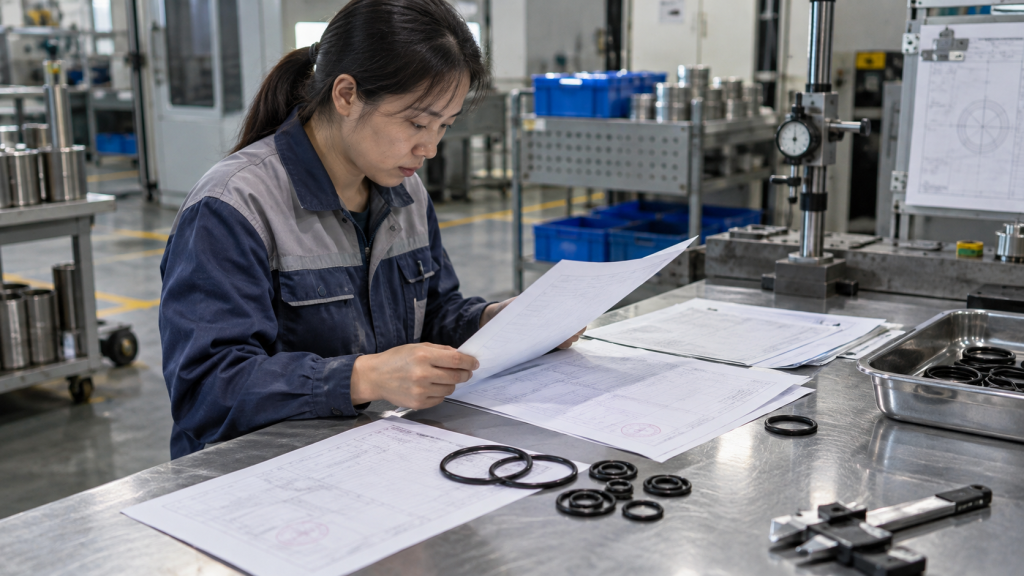
 Batch and Record Verification
First, confirm the required batch information and inspection records so that you have a clear basis for verification upon receipt of the shipment.
 Manufacturer and Compliance Documents
Confirm the manufacturer's documentation, batch numbers, and necessary compliance documents based on what is actually available to minimize the need to provide additional information back and forth during acceptance.
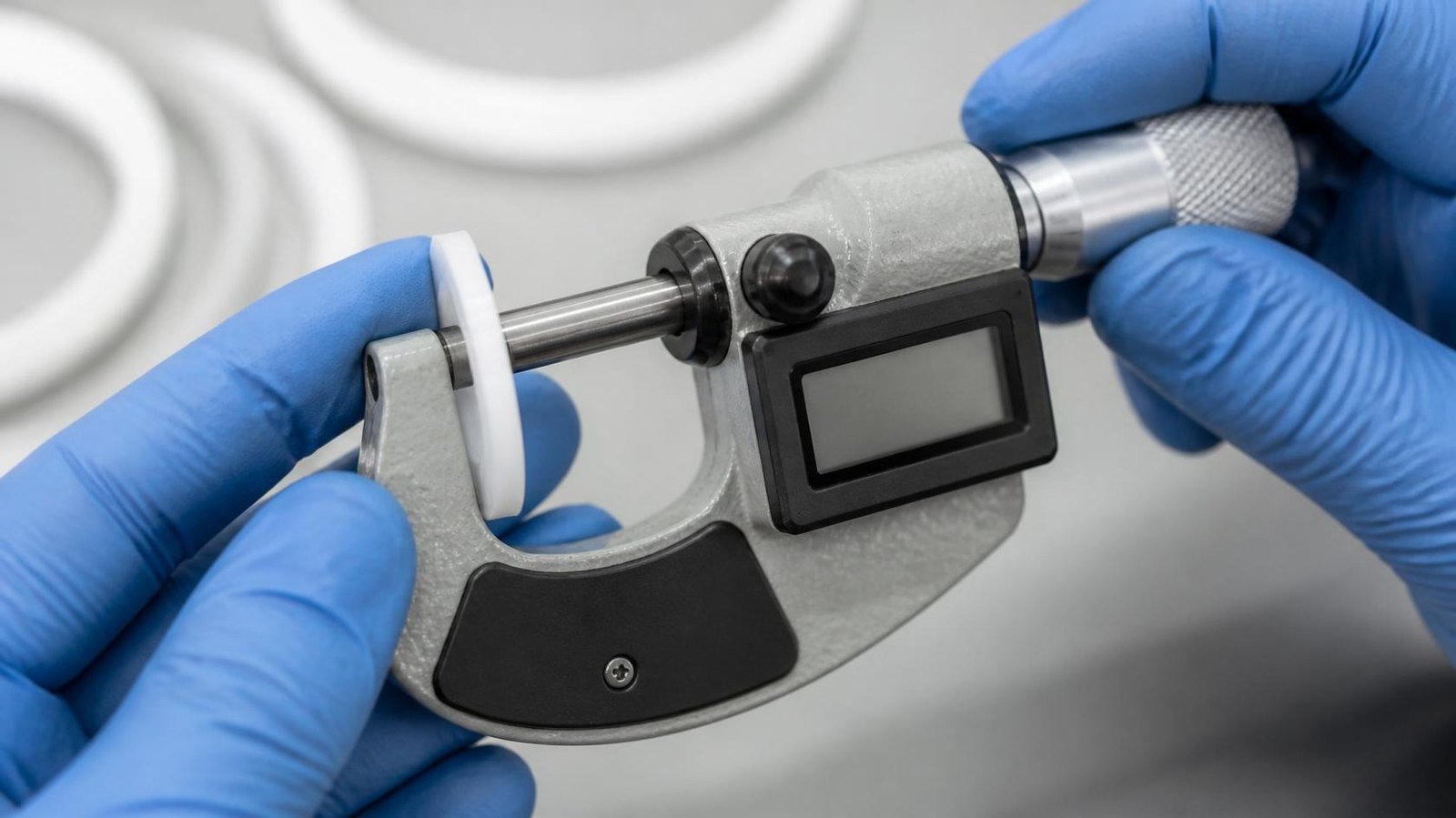 Dimensions and Appearance Verification
Materials or workpieces are checked against the confirmed dimensional and appearance requirements to facilitate handoffs between engineering, procurement, and quality assurance.
Once the direction of the materials is clear, it will be easier to make arrangements for what comes next.
The following are the target outcomes to assist with material selection and delivery; actual results will depend on the specific materials and conditions of use.
From the Name to the Eligibility Criteria
By comparing the medium, temperature, pressure, and grade together, engineers do not need to repeatedly test materials based solely on their names.
From Materials to Verifiable Deliverables
Clarify the materials, dimensions, and required documents upfront; the Procurement and Quality Assurance departments will then take over based on the same confirmation.
From Samples to Stock Preparation and Replenishment
Keep a record of the approved materials, processing methods, and usage conditions, and confirm the supply later based on quantity and demand.
Please send me the material requirements,
Improving the Connection Between Material Selection and Supply
If you have the material name, please provide it; if you have samples of the old material, please take photos of them; if you have information on the medium, temperature, pressure, dimensions, or drawings, please provide those as well. Even if the information is incomplete, we can still get started. Chengxin will help you narrow down the material, grade, supply form, and processing direction, and then confirm the quantity, documentation, and delivery date.