

Seals for Semiconductor Equipment | Selecting Materials and Components Based on Operating Conditions
In semiconductor equipment, seals must be compatible with the medium, temperature, pressure, and cleanliness requirements. Please send photos, samples of old parts, or drawings, and Chengxun will assist in verifying the materials, dimensions, and machining orientation.
Semiconductor Equipment Sealing: What Kind of Situation Have You Encountered?
Issues with equipment seals often stem from the operating location and conditions: What media does the equipment come into contact with? What are the temperature and pressure conditions? Where exactly are the existing components failing? Please review the following three scenarios first, then send us photos, the old parts, or drawings for verification.
When seals come into contact with chemical media, are subjected to temperature fluctuations, or operate under vacuum conditions, do the currently used seals exhibit swelling, cracking, or leakage?
If there are concerns about contamination or an unstable seal after disassembly and reassembly, how should you verify the materials, dimensions, and contact surfaces?
If older models are no longer in production or delivery times are too short for repairs, is it possible to evaluate alternatives and modification options based on old parts, photos, or drawings?
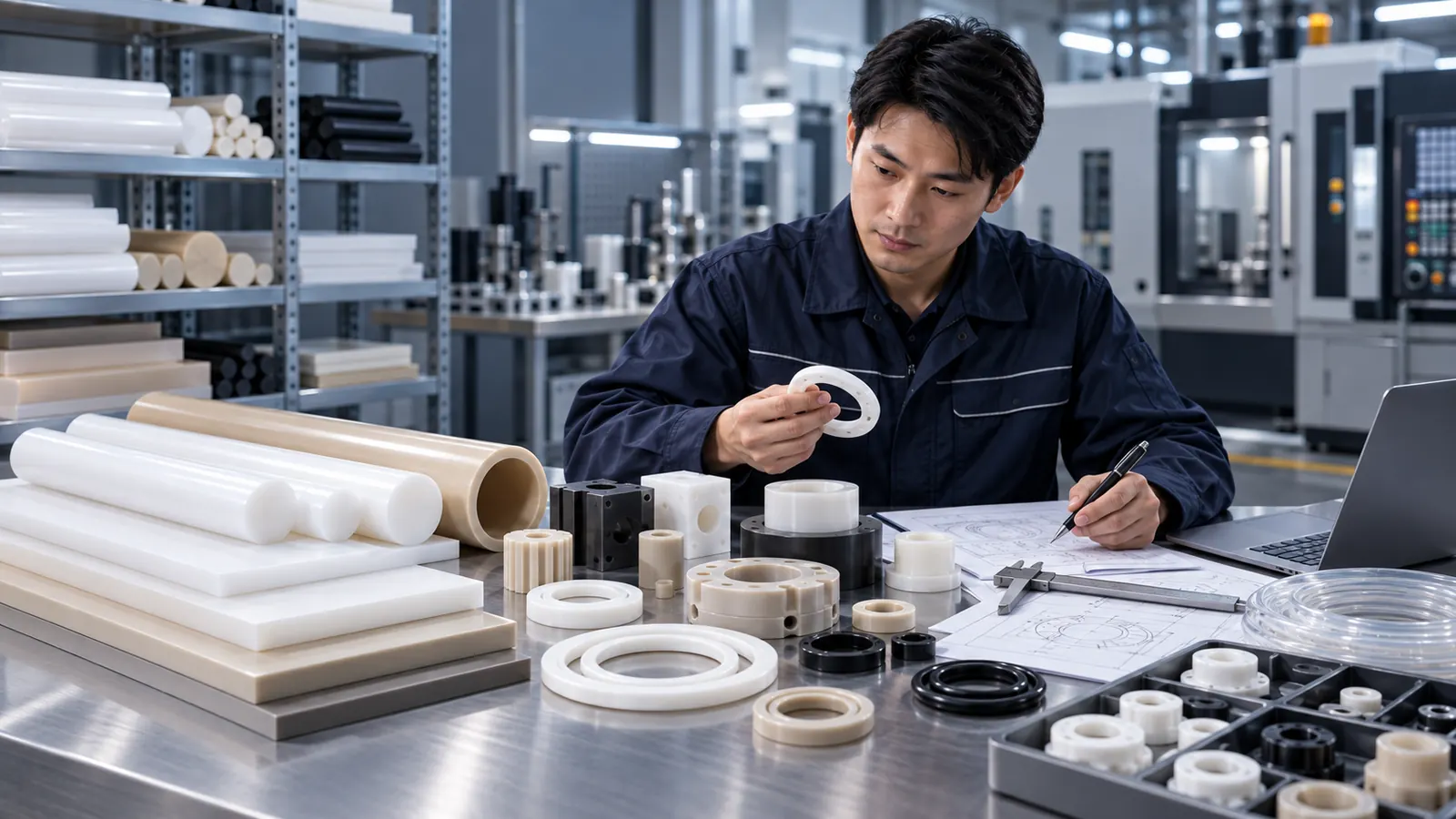
Let Xin Seal King help you solve the problem!
Chengxin begins by reviewing the equipment’s location and operating conditions: first confirming the medium, temperature, pressure, and cleaning requirements, then comparing the materials, dimensions, and condition of existing components. You can send us photos, old parts, or drawings so we can discuss options for replacement, machining, and delivery.
Why choose Bearing Seal King?
Chengxin can verify the sealing materials and component configurations based on equipment location, medium, and temperature and pressure conditions. If you have old parts, drawings, or dimensions, we can also assess the feasibility of replacements and modifications. Please provide the available information, and we will first help you organize the conditions that need to be confirmed.
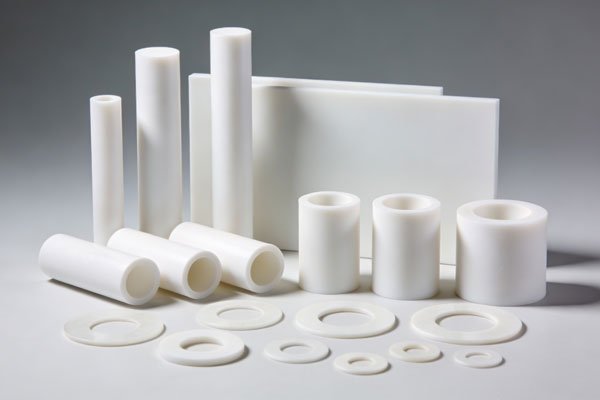
Material Specialties

Equipment Operating Conditions Verification

Material and Specification Verification

Delivery Schedule and Alternative Arrangements
Semiconductor Seal Core Products
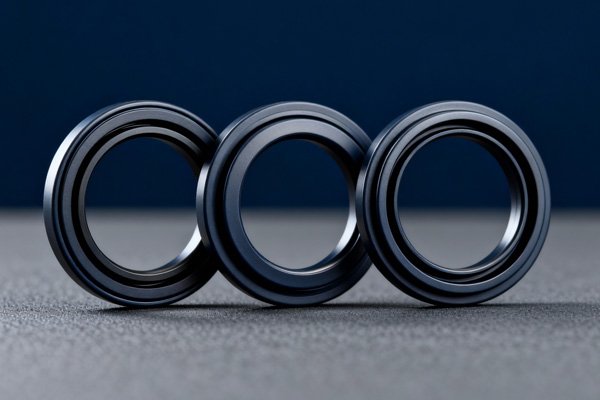
High-end Fluorine Rubber O-Ring
When selecting O-rings such as FFKM and FKM, verify the material based on the medium, temperature, cleanliness requirements, and groove dimensions; we can discuss alternatives based on your old parts or drawings.
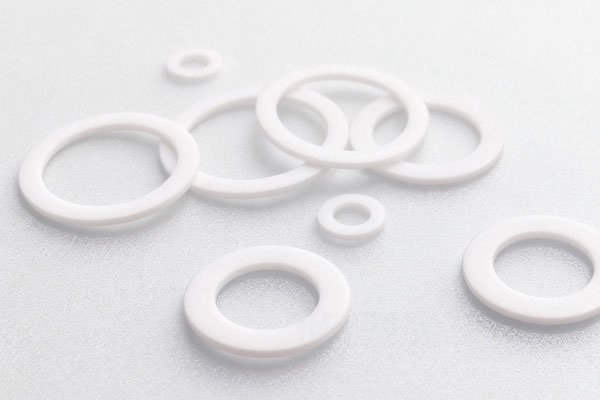
Customized Gasket
Verify the hole locations, thicknesses, contact surfaces, and materials against the original part or drawings, and evaluate the machining direction for flange and equipment gaskets.
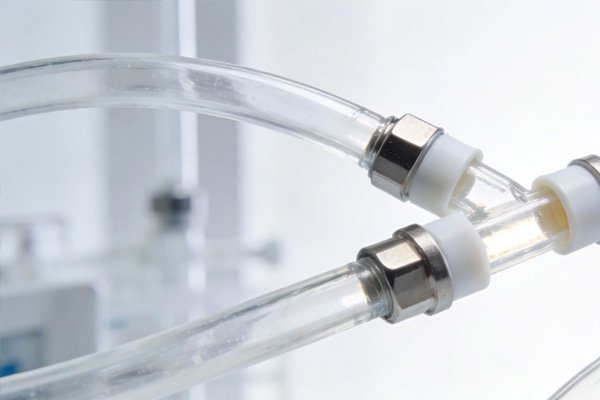
Pipe Fitting Seals
Please verify the seals based on the fitting type, size, and medium, and discuss replacement specifications and materials; please provide a photo or model number of the fitting.
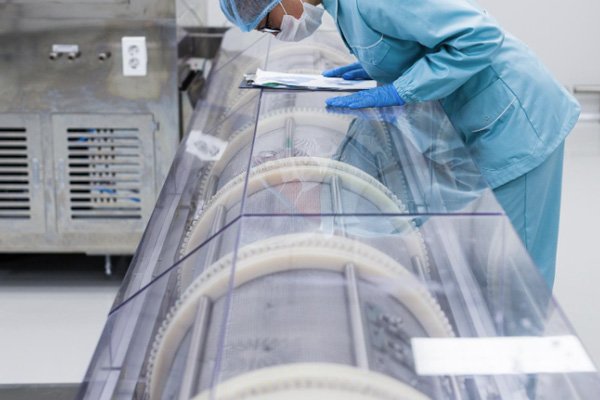
Vacuum Chamber Sealing Ring
Verify the seals based on the cavity grooves, dimensions, vacuum, and cleaning conditions, and evaluate the feasibility of the materials and manufacturing processes.
Semiconductor Sealing Process Application Solutions
CVD/PVD, dry etching, wet cleaning, and heat treatment each involve different media, temperatures, and sealing locations. Please provide the equipment location, old parts, or drawings, and Chengxin will assist in verifying the materials and part configurations.
Film Deposition
For CVD/PVD equipment, first verify the precursors, temperature, and seal locations, and then check the O-ring or gasket materials.
Dry Etching
Provide information on the chamber location, the gas and plasma conditions, and discuss sealing materials, dimensions, and replacement specifications.
Wet Cleaning
Check the seals in tanks or piping based on pH, solvent, and cleaning temperature to assess material compatibility.
Heat Treatment
Provide the furnace location, operating temperature, and frequency of disassembly and reassembly, and verify the material and dimensions of the seals or gaskets.
Comparison of Semiconductor Seal Material Specifications
The grades and applicable conditions for Kalrez® 6375, Chemraz® 505, Viton® ETP, and PTFE must be verified based on the actual grade, manufacturer’s data, and equipment operating conditions. First, determine what information is required for each material, then submit it to Chengxin for comparison of specifications and supply sources.
| Material / Grade | Verify Conditions | Positions Open for Discussion | Please provide |
|---|---|---|---|
| Kalrez® 6375 | Media, Temperature, Cleaning, and Original Manufacturer's Grade | Chambers, Valves | Model Number, Old Parts, or Drawings |
| Chemraz® 505 | Media, Temperature and Pressure, and Original Manufacturer's Grade | Pumps, Valves | Model, Size, and Quantity |
| Viton® ETP | Solvent Exposure, Temperature, and Material Grade | Cleaning, Piping | Previous Parts, Media, and Dimensions |
| PTFE | Material Grade, Dimensions, and Contact Surface | Gaskets, Pipe Connections | Drawings, Thickness, and Quantities |
Anonymous Collaboration Scenarios
A semiconductor equipment customer continued to experience stability issues even after replacing the seals. Chengxin re-evaluated the materials based on the medium, temperature, pressure, and seal location, and helped identify potential alternatives.

Case Study 1 | Verification of Materials and Operating Conditions
A certain equipment repair project requires O-rings of a special specification. Chengxin verified the materials and specifications based on the part and dimensional data, discussed delivery arrangements, and helped ensure the repair schedule remained on track.

Case Study 2 | Parts with Special Specifications
An electronics manufacturing client had several requests regarding the selection and replacement of seals. Chengxin analyzed the operating conditions at various locations, discussed material and specification configurations, and provided support for subsequent procurement and maintenance.

Case Study 3 | Multi-Point Sealing Configuration
From Data Verification to Delivery Arrangements
Summary of Operating Conditions
Please provide information on the equipment location, medium, temperature, and pressure, as well as details on the old parts, so we can first address any questions regarding material selection and specifications.
Material Verification
Compare materials and available grades based on the contact medium, cleaning requirements, and operating conditions.
Dimensions and Samples
Verify dimensions against the original part or drawings, and discuss samples and testing methods based on the specific case.
Delivery Schedule
After confirming the specifications, quantity, and required delivery time, please respond with whether the product is in stock, requires processing, or if an alternative is available.
Follow-up Replenishment
Record verified part numbers and specifications to facilitate future purchases, repairs, and replacements.
If you have information on the equipment’s location, old parts, photos, or drawings, we can discuss materials and dimensions first. Chengxin will use this information to help determine the best approach for replacement, fabrication, and delivery; subsequent supply will be arranged based on the actual specifications.
Transfer data and inspect the seals on semiconductor equipment
Send photos, old parts, or drawings so Chengxin can verify them first.
Please provide the equipment location, the medium it will come into contact with, the temperature, the pressure, and the required quantity. Chengxun will discuss material options, specifications, alternatives, and processing methods based on the information provided.
After you send the information, we’ll first help you verify that: