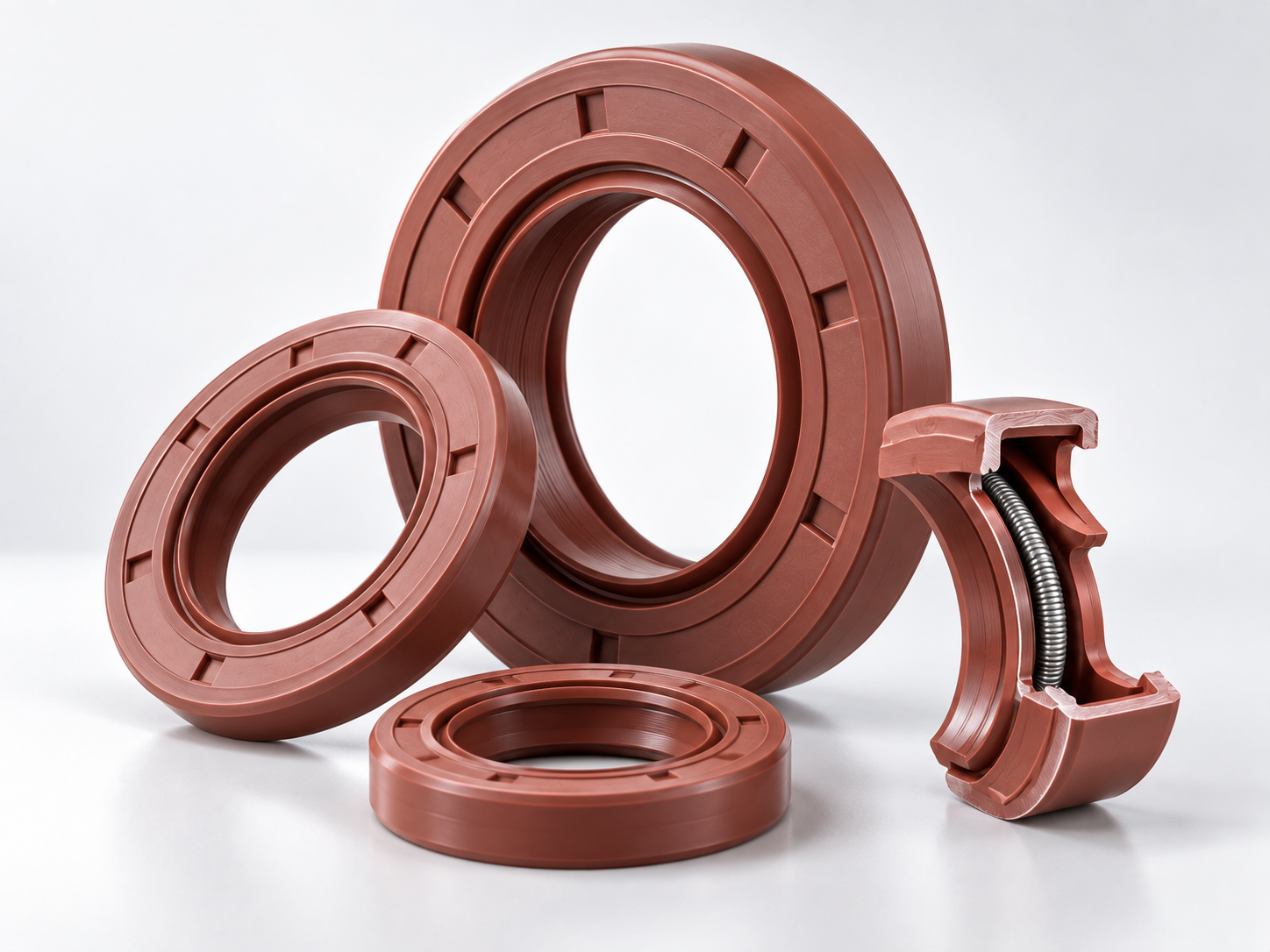
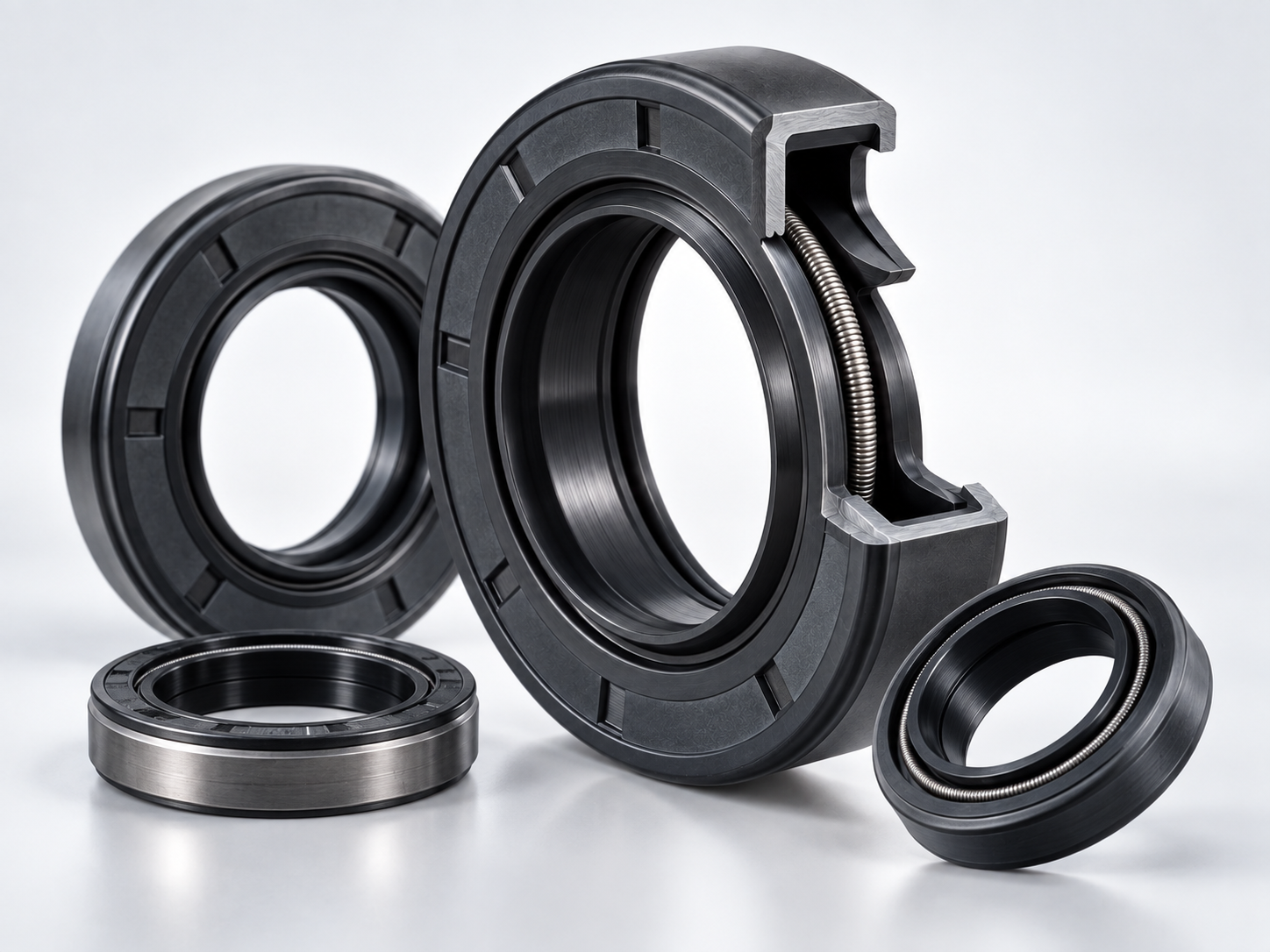
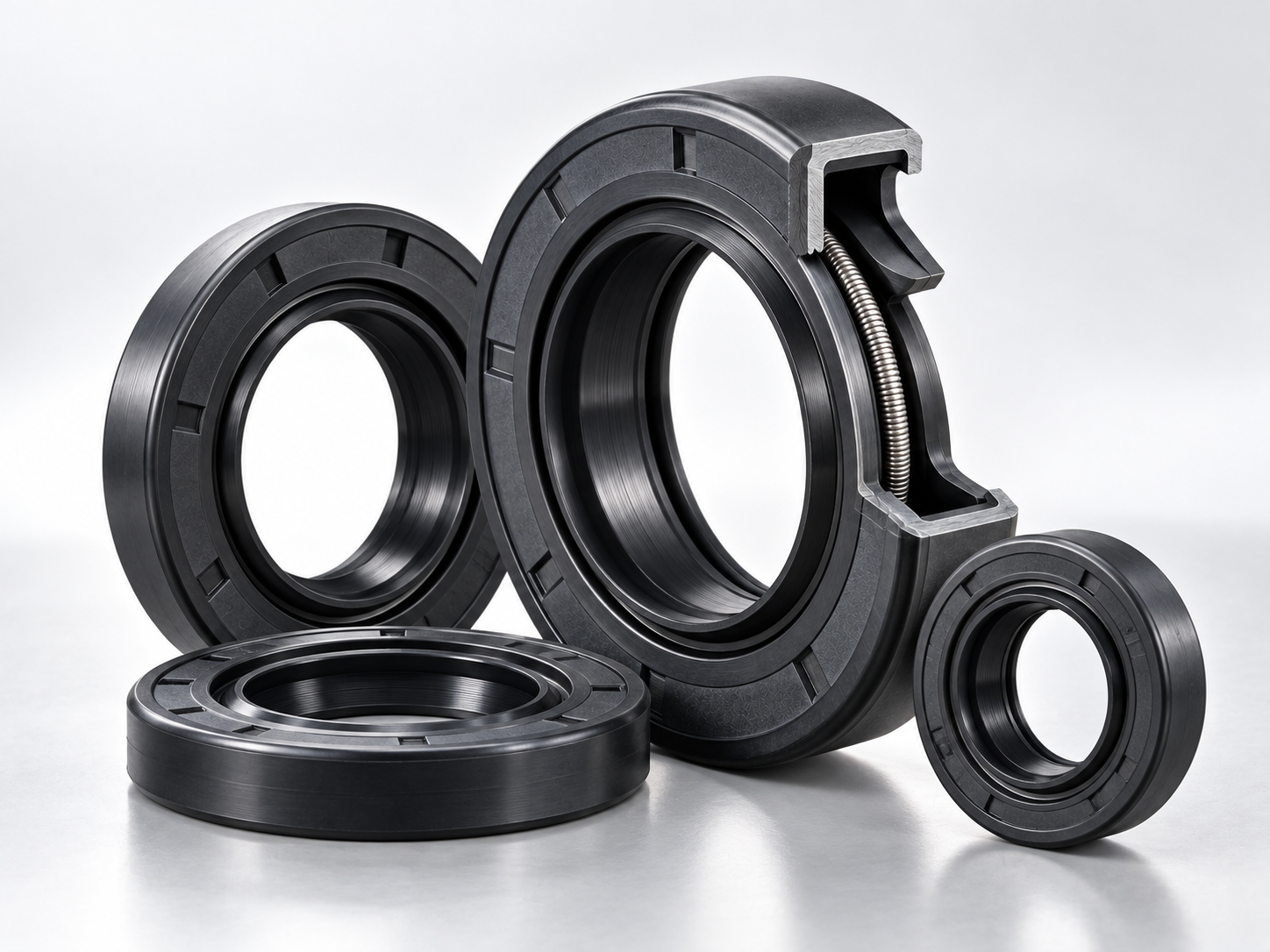
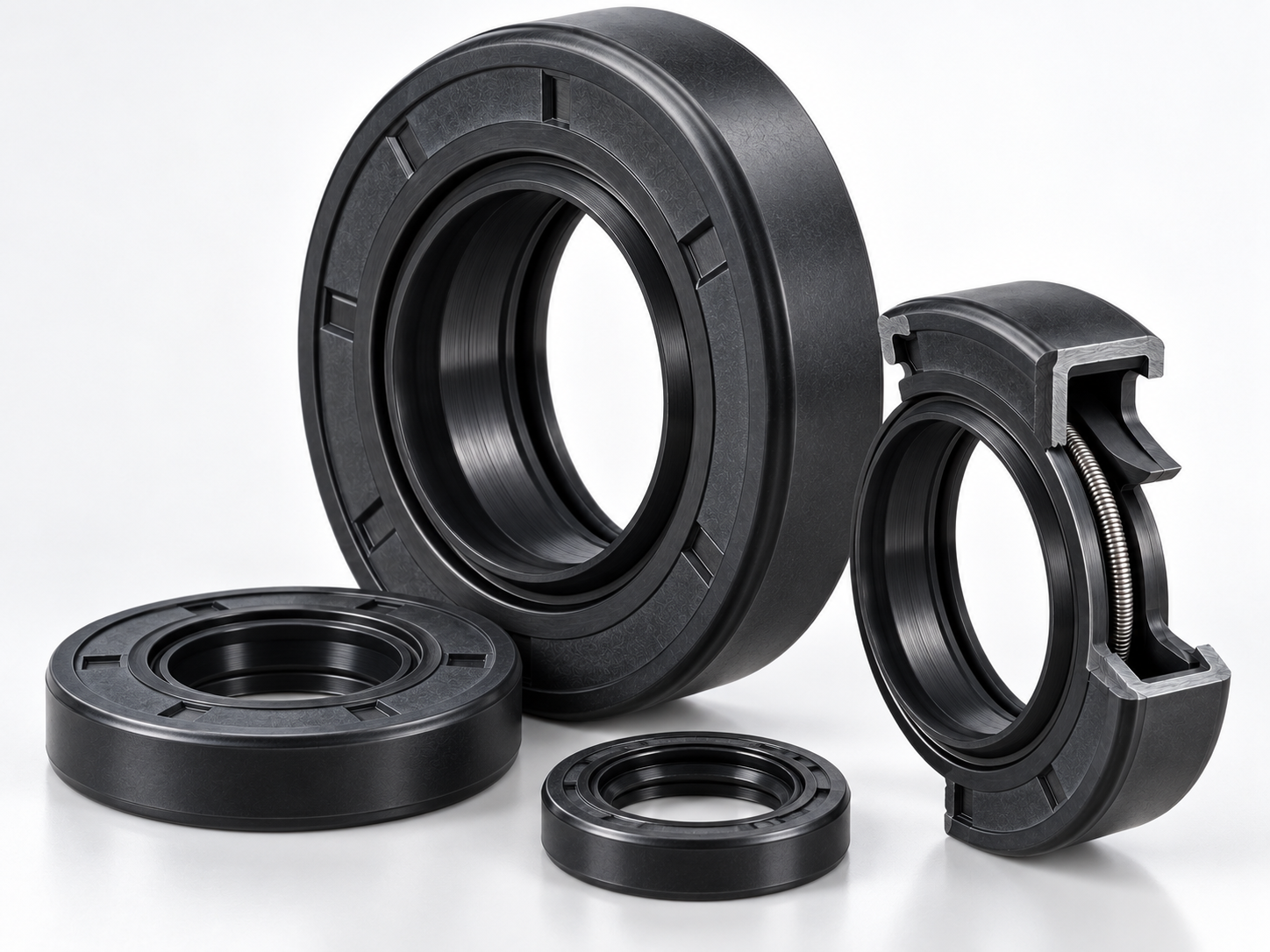
RADIAL SHAFT OIL SEAL

To ensure that the oil seal really seals properly,
The equipment runs stably and lasts a long time

By evaluating factors ranging from oil leaks, wear, hardening, shaft surfaces, rotational speed, and temperature to oil quality, you can minimize downtime and rework, and predict both oil seal life and maintenance intervals.

NBR Nitrile RubberFKM FluoroelastomerVMQ Silicone RubberACM Acrylate RubberPTFE Teflon
CHALLENGES FACED

Dear industrial sealing users, are you struggling with the following scenarios?

Oil Leak Persists Despite Replacing the Oil Seal The oil seal was clearly replaced with a new one, so why is the equipment still leaking oil?
Hardening and Wear of Oil Seals Oil seals harden and wear out after a short period of use. Why is their service life so short?
Oil is still leaking even though it meets the original specifications. The dimensions clearly match the original specifications, so why is it still leaking after installation?
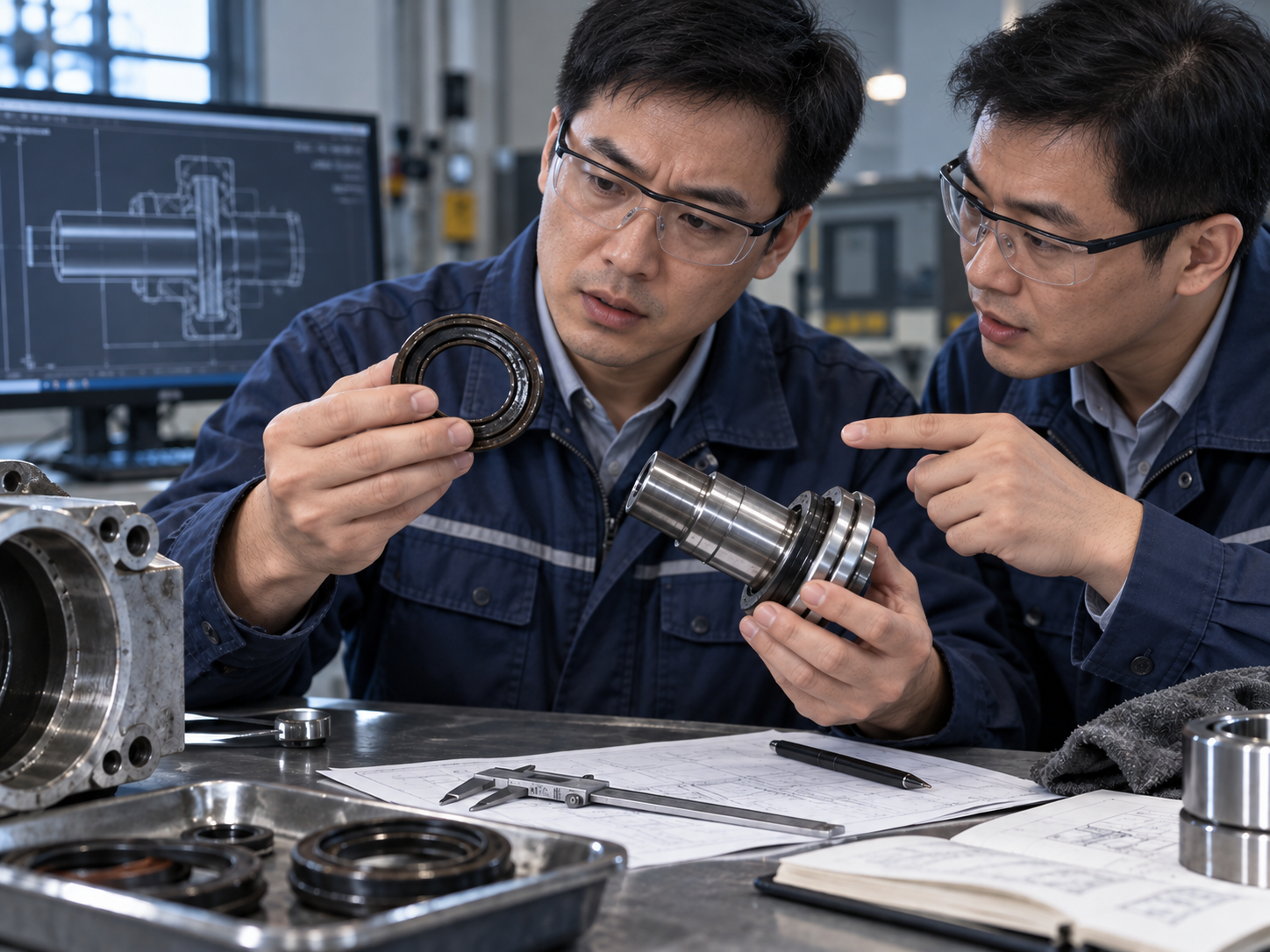
Chengxin helped diagnose the oil seal issue
CHENG SYIN SUPPORT

Leave your oil seal problems to Chengxin—skip the trial-and-error process.

Whether it's oil leaks, wear, hardening, damage to shaft surfaces, or issues related to speed, temperature, pressure, lubricant, or materials—you can assess all of these factors at once, saving you the time it would take to guess the cause one by one.

Send us photos of the on-site conditions, the old oil seal, the equipment, or the original specifications, and together we’ll pinpoint the real issue so you can choose the right oil seal the first time and ensure reliable, long-term performance.

SIX ADVANTAGES

6 Key Advantages of Chengxin Oil Seals

Each of these factors contributes to the same result: fewer oil leaks, less downtime, longer-lasting oil seals, and easier maintenance scheduling.
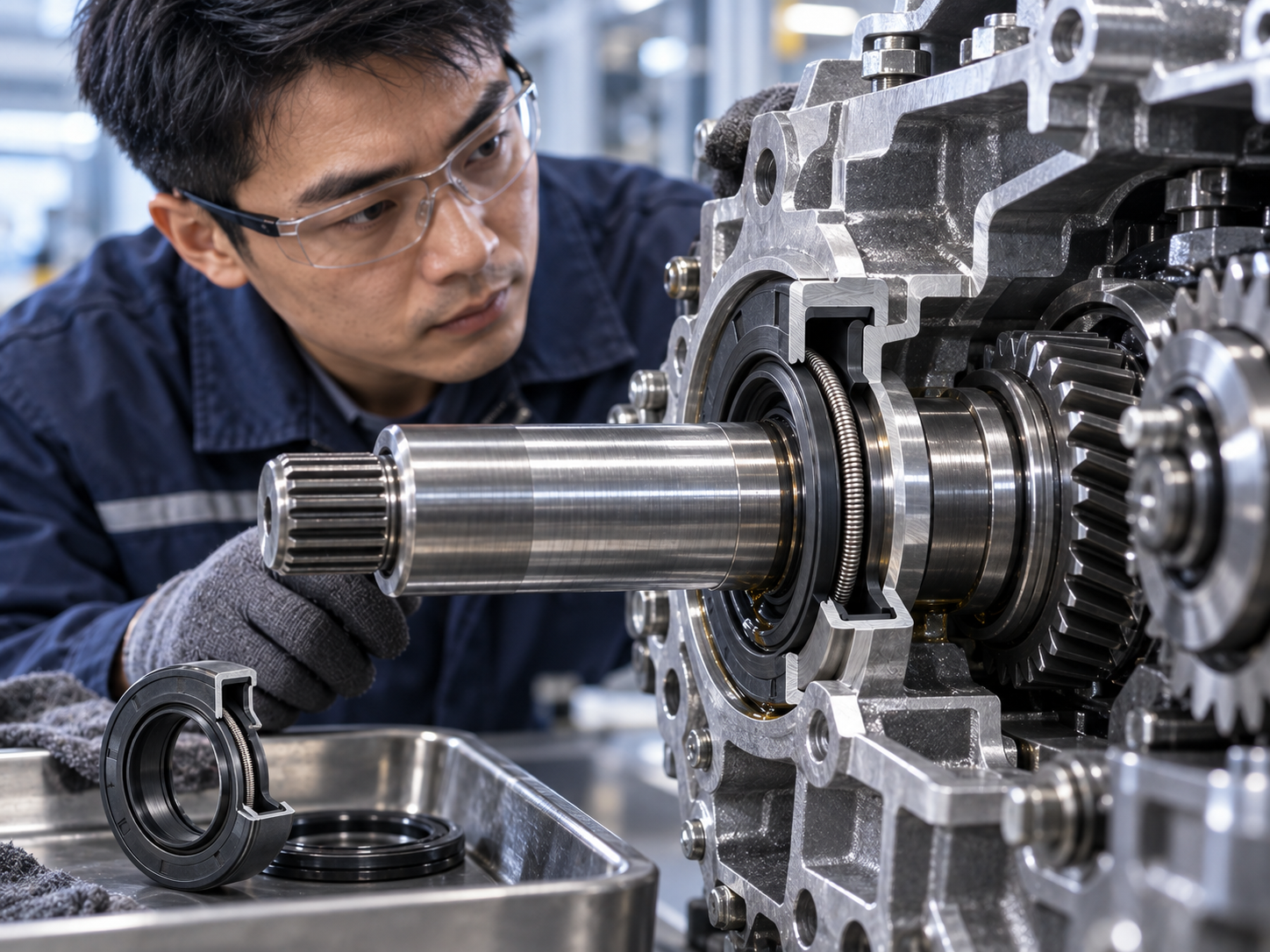
The equipment has minimal oil leaks and operates smoothly.
01

The equipment has minimal oil leaks and operates smoothly.

By examining the oil leak location, lip wear, hardening, deformation, and the condition of the shaft surface—and cross-referencing these findings with rotational speed, pressure, and oil quality—we can identify the true cause of failure, restore stable sealing to the equipment, and reduce the need for repeated disassembly and oil replenishment.
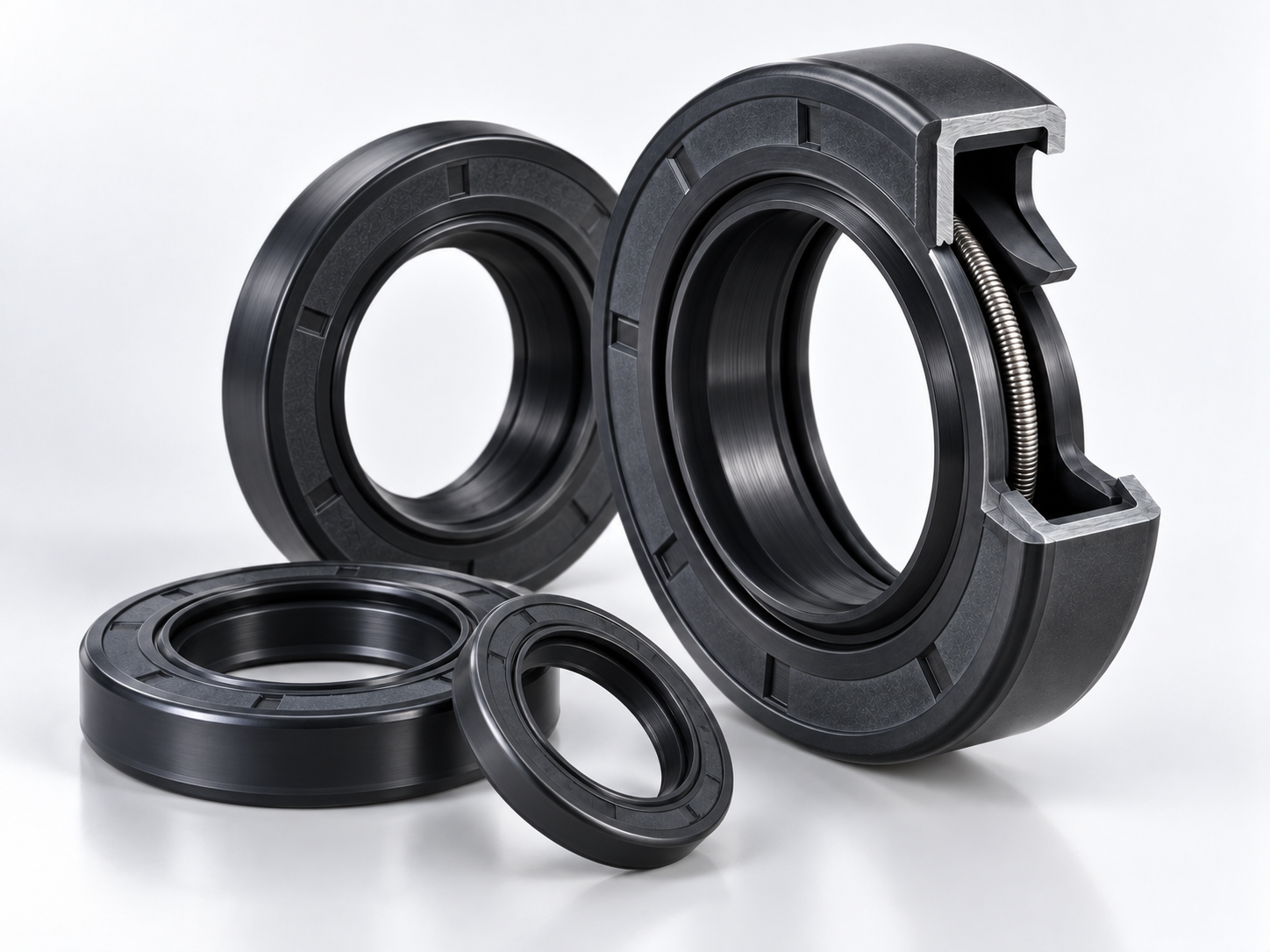
Extended oil seal life, fewer replacements
02

Extended oil seal life, fewer replacements

Select the appropriate material based on temperature, oil type, rotational speed, and operating environment to ensure that the oil seal is truly suited to the equipment’s operating conditions, providing a stable service life and reducing frequent consumption of spare parts and labor.
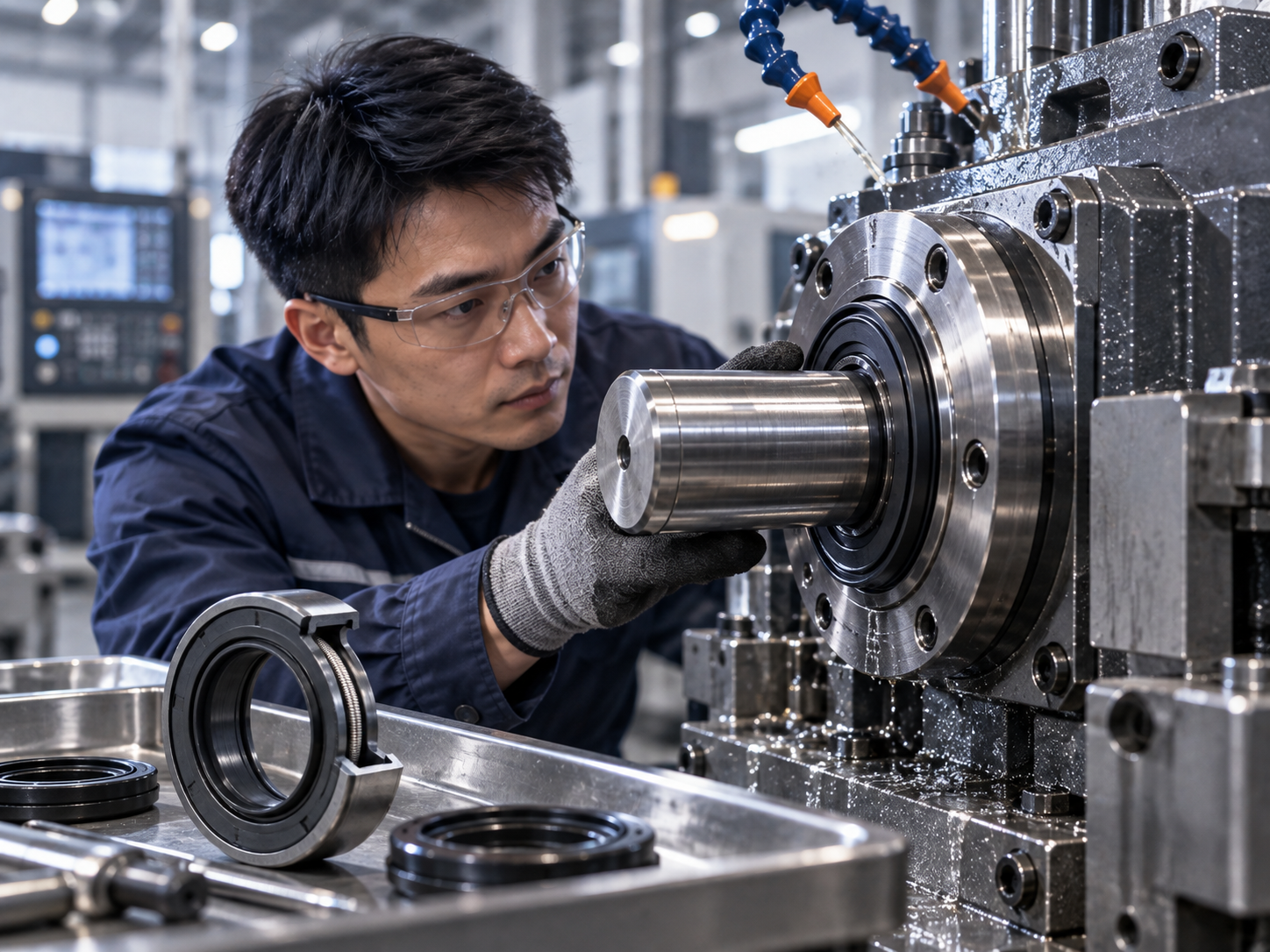
Even at high speeds, the seal remains stable and holds up well.
03

Even at high speeds, the seal remains stable and holds up well.

By evaluating the shaft diameter, rotational speed, and contact conditions together, we reduce temperature rise at the lip, friction, and abnormal wear, enabling the equipment to maintain a stable seal even during high-speed operation.
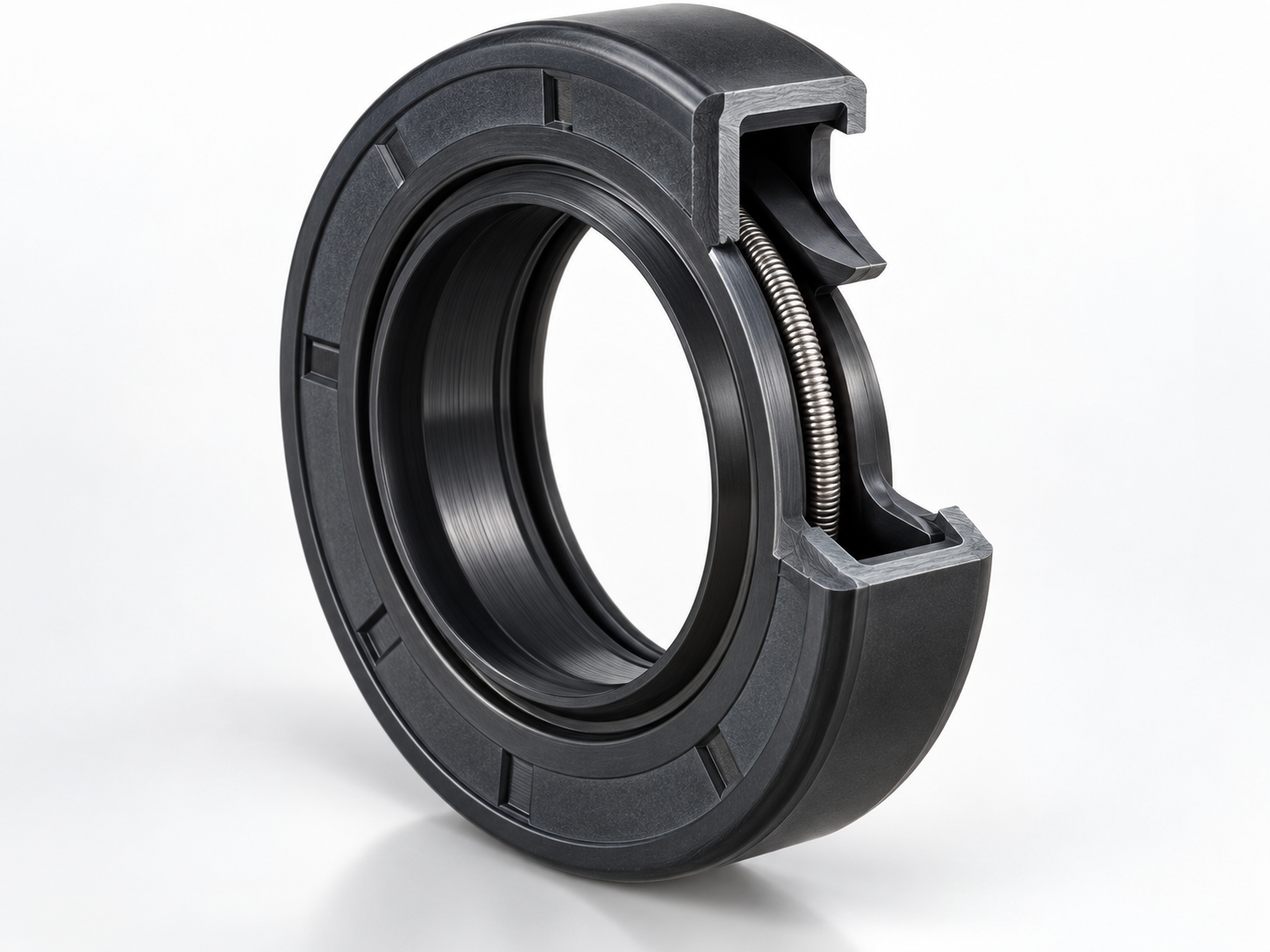
Once installed, it seals tightly, reducing the need for rework.
04

Once installed, it seals tightly, reducing the need for rework.

In addition to the inner diameter, outer diameter, and thickness, we also verify the shaft diameter, tolerances, mounting seat, and actual fit to ensure the oil seal is the correct size and provides a proper seal once installed, thereby reducing the need for disassembly and rework.
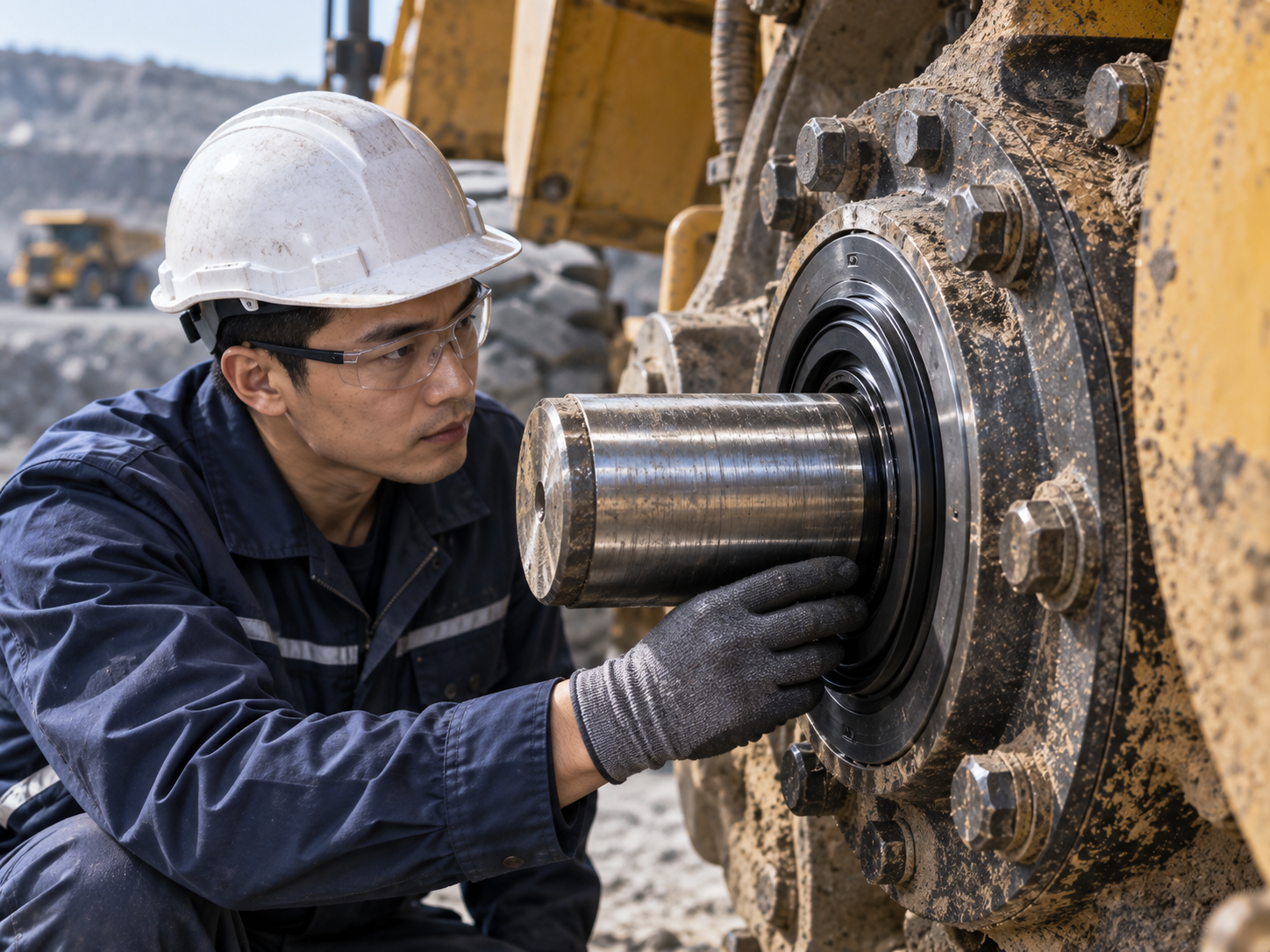
The bearing and its internal components are protected
05

The bearing and its internal components are protected

Assess the on-site environment to determine the need for dust protection, water resistance, and auxiliary lips, ensuring that oil seals not only retain lubricant but also minimize the ingress of dust, moisture, and contaminants, thereby extending the service life of bearings and internal components.

Maintenance intervals are predictable, making it easy to schedule downtime
06

Maintenance intervals are predictable, making it easy to schedule downtime

By taking into account oil quality, temperature, rotational speed, pressure, operating time, and environmental conditions, the service life of oil seals can be predicted, allowing for early planning of spare parts, maintenance, and downtime.


OIL SEAL SELECTION

First, select the right oil seal type, then match the material to the operating conditions.

First, choose the right design, then match the material to the actual operating conditions to minimize situations where “the dimensions are the same but it still leaks” or “it leaks again shortly after installing a new oil seal.”

STEP 01

First, choose the right oil seal design

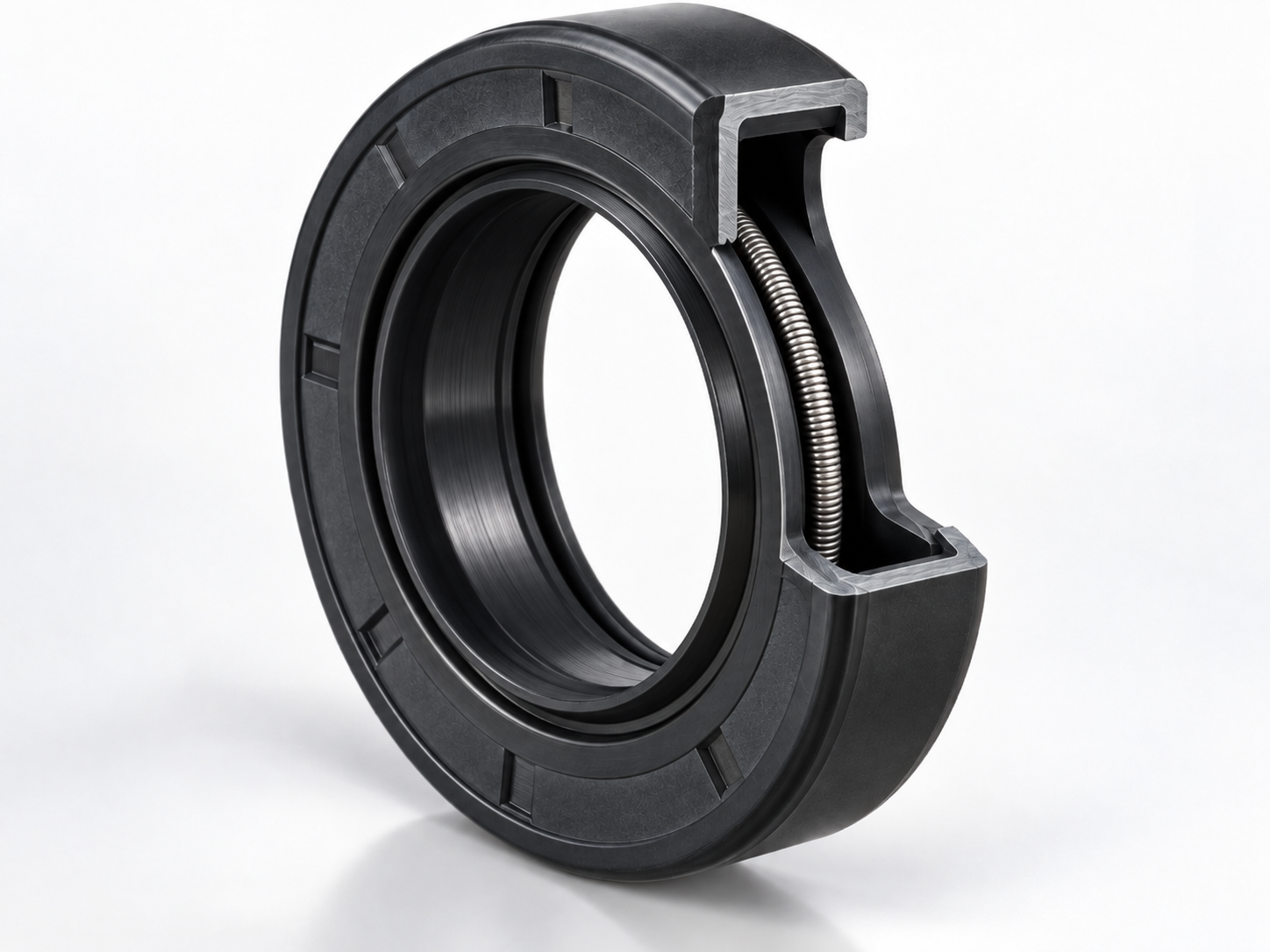
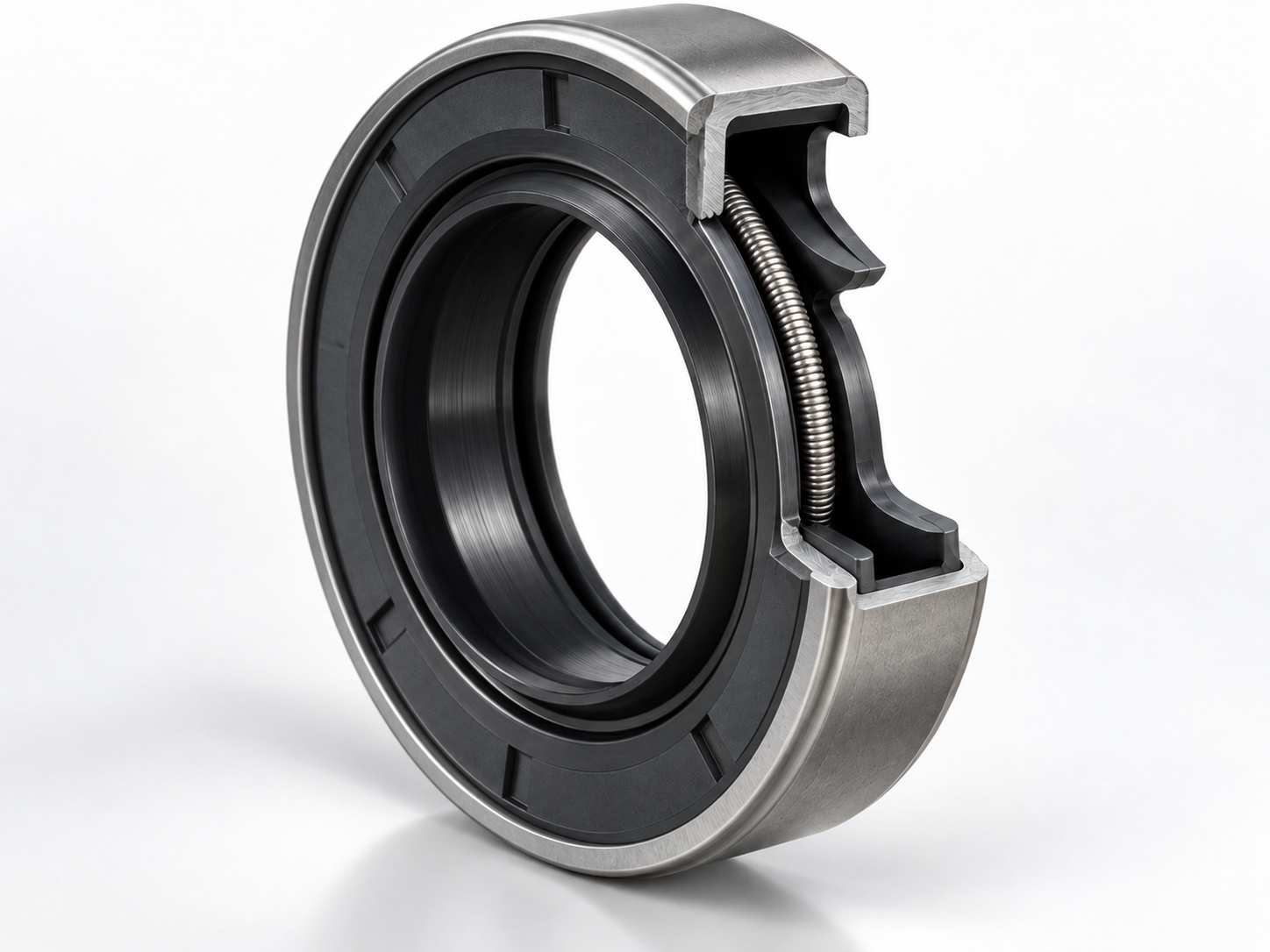
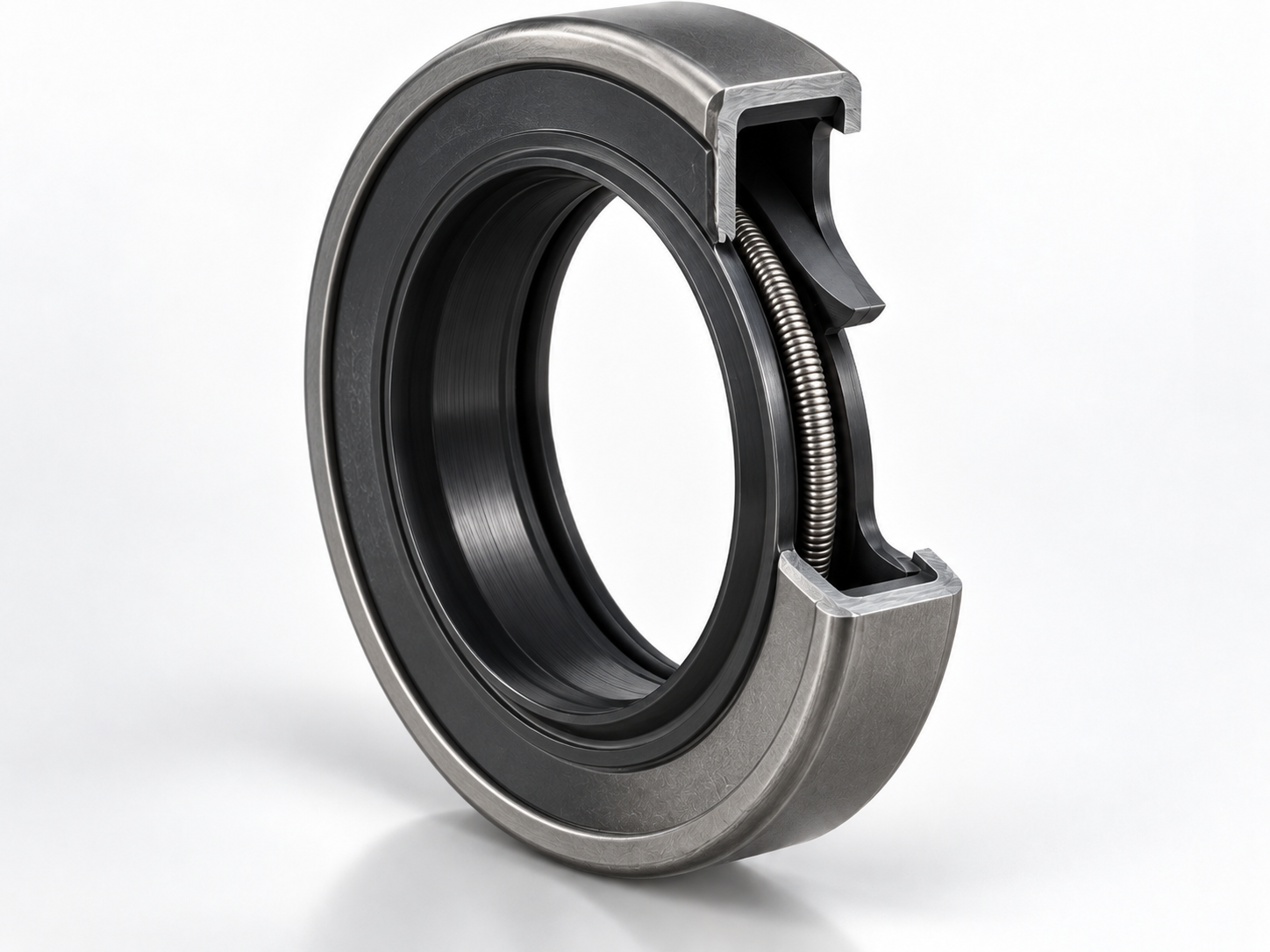
First, determine whether you need a single-lip, double-lip, dust-proof, or metal-cased seal so that the oil seal meets your equipment's requirements from the start.

Special Operating Conditions: When dealing with high pressure, high speeds, extreme temperatures, or special media, consider re-evaluating TCN seals, special lip designs, PTFE oil seals, or custom configurations to ensure the right solution for your equipment.
Once the structure has been finalizedThen match the material to your operating conditions.
STEP 02

Then match the material to your operating conditions.

Even for the same oil seal size, the choice of material determines the types of oil it can withstand, as well as its operating temperature, rotational speed, and service life. Only with the right material selection can an oil seal truly last a long time.

NBR
NBR

Nitrile Rubber

General-purpose machinery and common lubricants are highly versatile and suitable for most standard sealing and lubrication needs.

General-Purpose and Common Lubricants
FKM
FKM

Fluorine Rubber

Suitable for high-temperature, harsh oil, and chemical environments, ensuring stable performance under high-temperature conditions.

High-Temperature and Chemical Environments
VMQ
VMQ

Silicone Rubber

Suitable for a wide temperature range and special applications, offering both flexibility and stability.

Wide Temperature Range and Flexibility
ACM
ACM

Acrylate Rubber

Commonly used in high-temperature oil applications and automotive drivetrain environments to maintain consistent oil-sealing performance.

High-Temperature Oils and Transmissions
PTFE
PTFE

Teflon

This is an advanced option for applications involving extreme temperatures, chemical media, and low-friction requirements.

Extreme Temperatures · Low Friction
HNBR
HNBR

Hydrogenated Butadiene-Acrylonitrile Rubber

When oil seals require high heat resistance and wear resistance, HNBR should be considered; the seal type, compound, and supply specifications should be determined based on the oil type, temperature, and rotational speed.

Heat-Resistant and Wear-Resistant
Do you have any old oil seals, photos, or specifications? Forward it directly to Chengxin for his assessment.
APPLICATIONS

All types of equipment can help reduce the risk of oil leaks and downtime.

Check the oil seal design and material based on the equipment, oil type, temperature, and rotational speed.

Automotive and Powertrain Systems

Automotive and Powertrain Systems

The crankshaft, transmission, and drive shaft are all subjected to oil, temperature, rotational speed, and vibration. Choosing the right oil seals can reduce oil leaks and ensure the stability of the drivetrain.

Corresponding parts:O-ring
Tools & Machines

Tools & Machines

When the spindle, gearbox, and hydraulic pump operate for extended periods, reliable oil seals help reduce leaks and unplanned downtime, ensuring that equipment accuracy and uptime are maintained.

Corresponding parts:Hydraulic Cylinder Seals
Heavy Equipment

Heavy Equipment

In environments with dust, vibration, heavy loads, and prolonged operation, the right oil seals can protect bearings and lubrication systems, thereby reducing the frequency of maintenance on heavy equipment.

Corresponding parts:Hydraulic Cylinder Seals
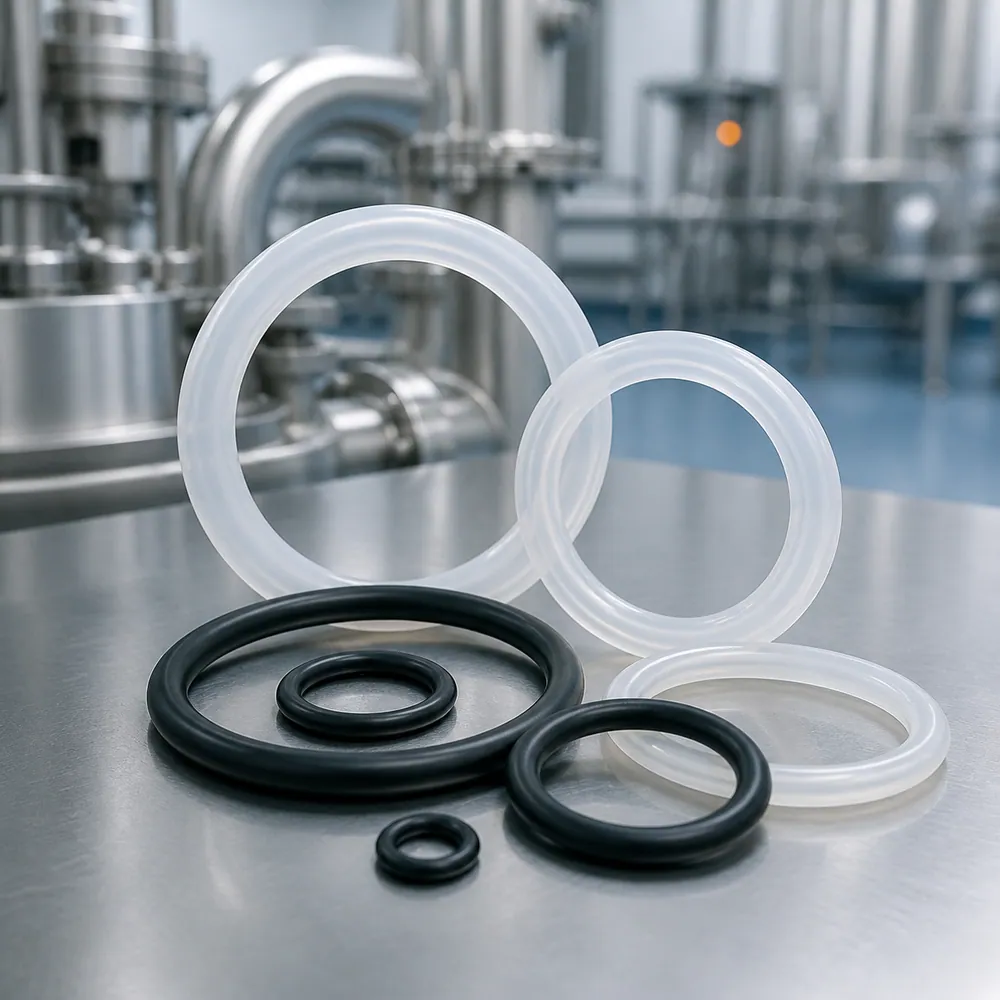
Food Machinery

Food Machinery

Mixing, conveying, and packaging equipment must not only prevent lubricants from leaking but also meet cleanliness and material requirements to ensure reliable production and hygiene management.

Corresponding parts:O-ring
Food/Pharmaceuticals

Food/Pharmaceuticals

Mixing, conveying, and packaging equipment must prevent lubricant leaks while ensuring compliance with equipment cleanliness and material requirements. Verify the oil seal materials and design based on operating conditions to ensure that both sealing and maintenance requirements are met.

Corresponding parts:O-ring
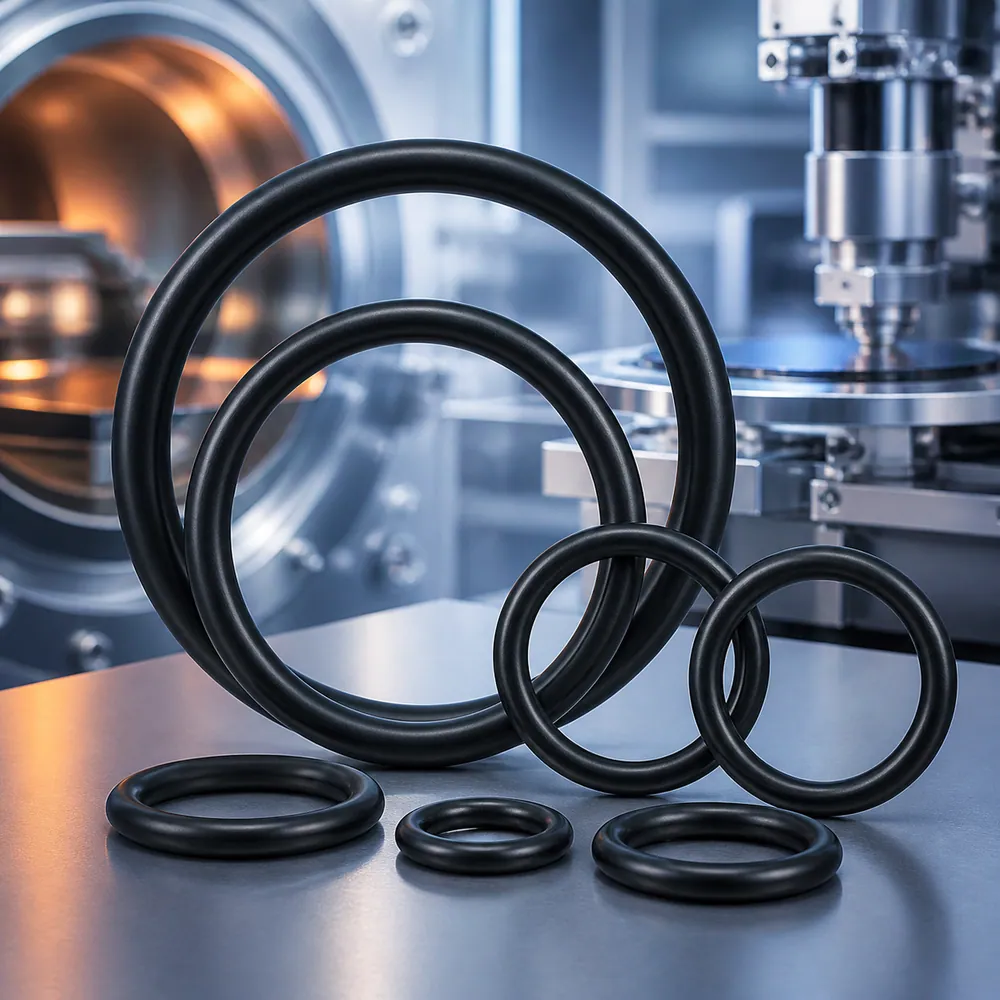
Semiconductors/Vacuum

Semiconductors/Vacuum

When equipment has special requirements regarding media, low friction, or extreme temperatures, first verify the shaft surface, rotational speed, and sealing conditions, and then evaluate the use of PTFE oil seals or custom designs; cleanliness and vacuum requirements should be confirmed based on the actual equipment specifications.

Corresponding parts:Spring-Assisted Seal
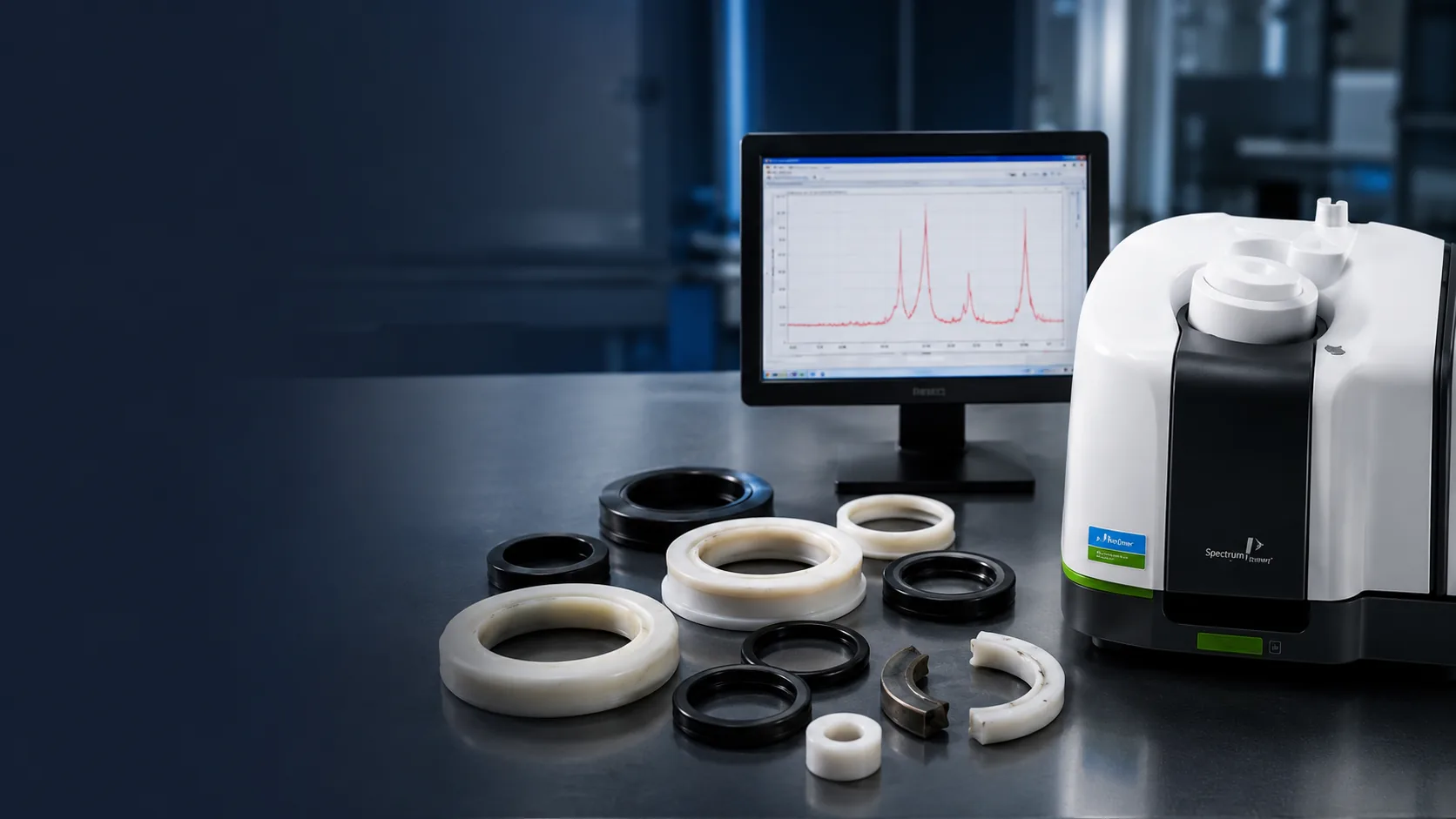
INCOMING MATERIAL VERIFICATION

Verified materials, peace of mind with every delivery

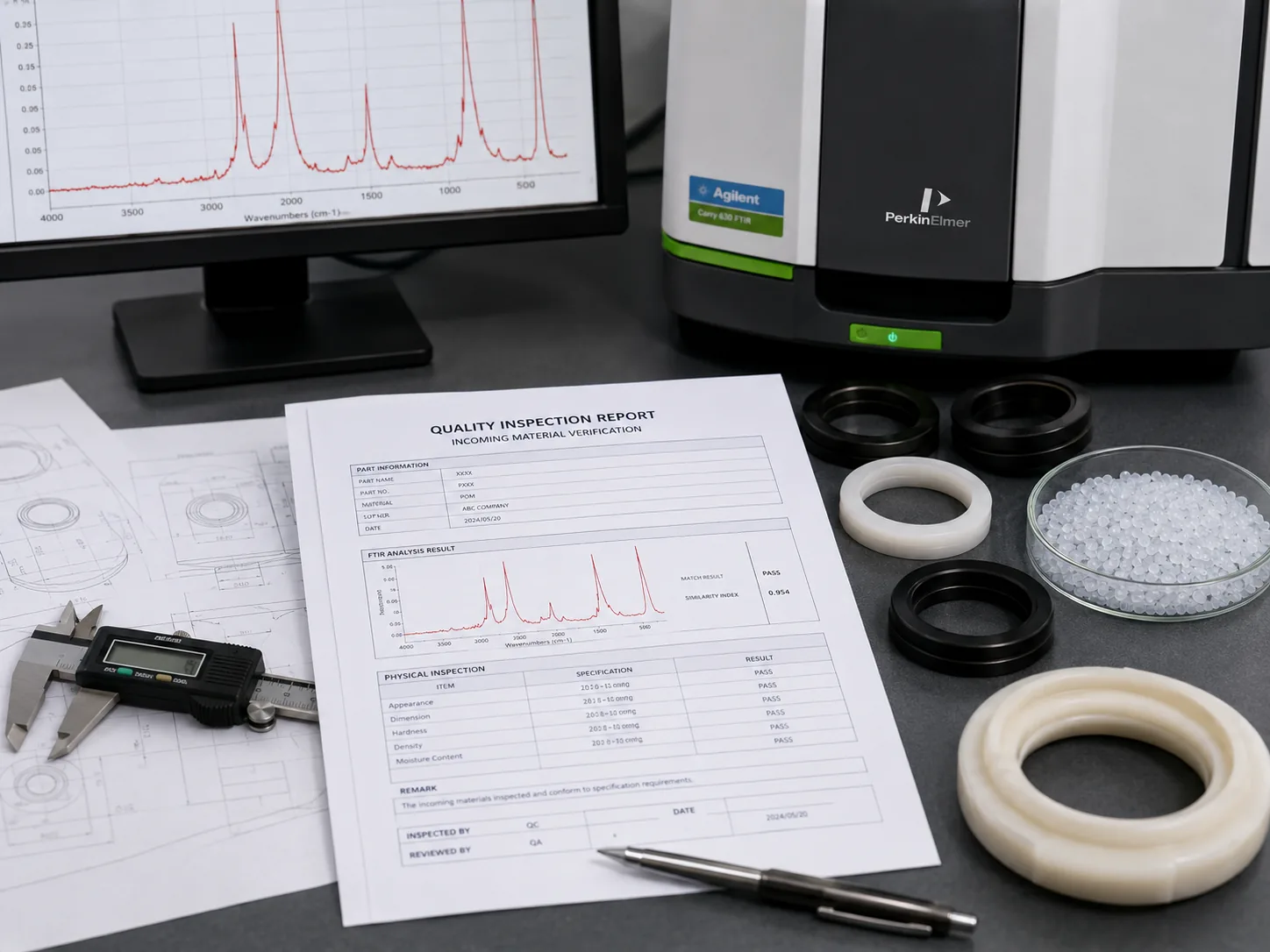
Each batch of parts is accompanied by comparison results and documentation, so they can be accepted directly by the quality control department.

FTIR Material ComparisonFTIR Material Comparison

We verified the feedstock material through spectral analysis, and it matched the specifications.

Test reports are traceableTest reports are traceable

The comparison results and inspection records are retained and can be provided upon request.

The documents are in order, and the specifications are ready for acceptance.The documents are in order, and the specifications are ready for acceptance.
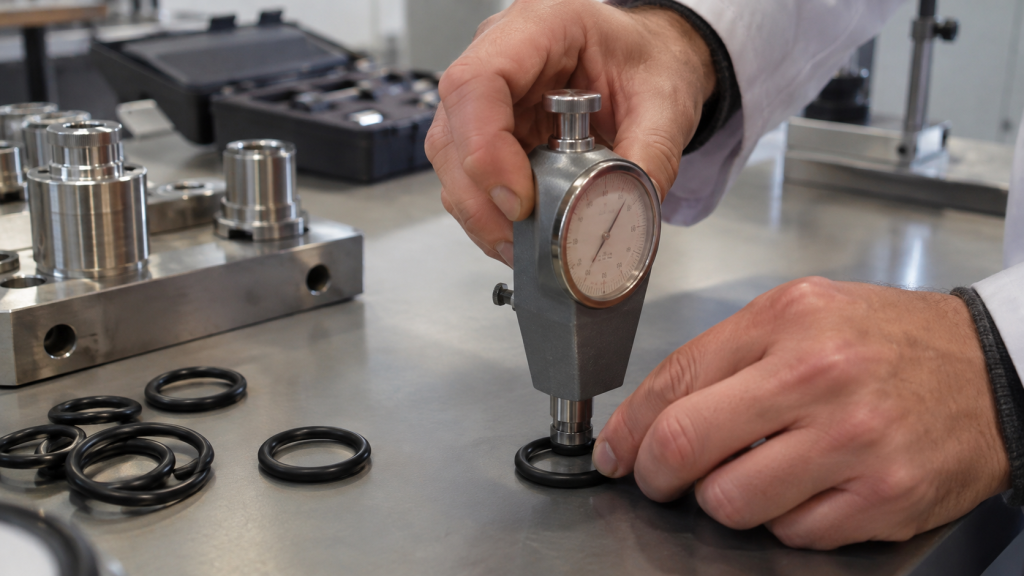
Material certification and compliance documentation are provided based on manufacturer or third-party documents, including requirements such as REACH, RoHS, FDA, COA, PFAS, and PFOS.

Simultaneous Verification of Dimensions and AppearanceSimultaneous Verification of Dimensions and Appearance
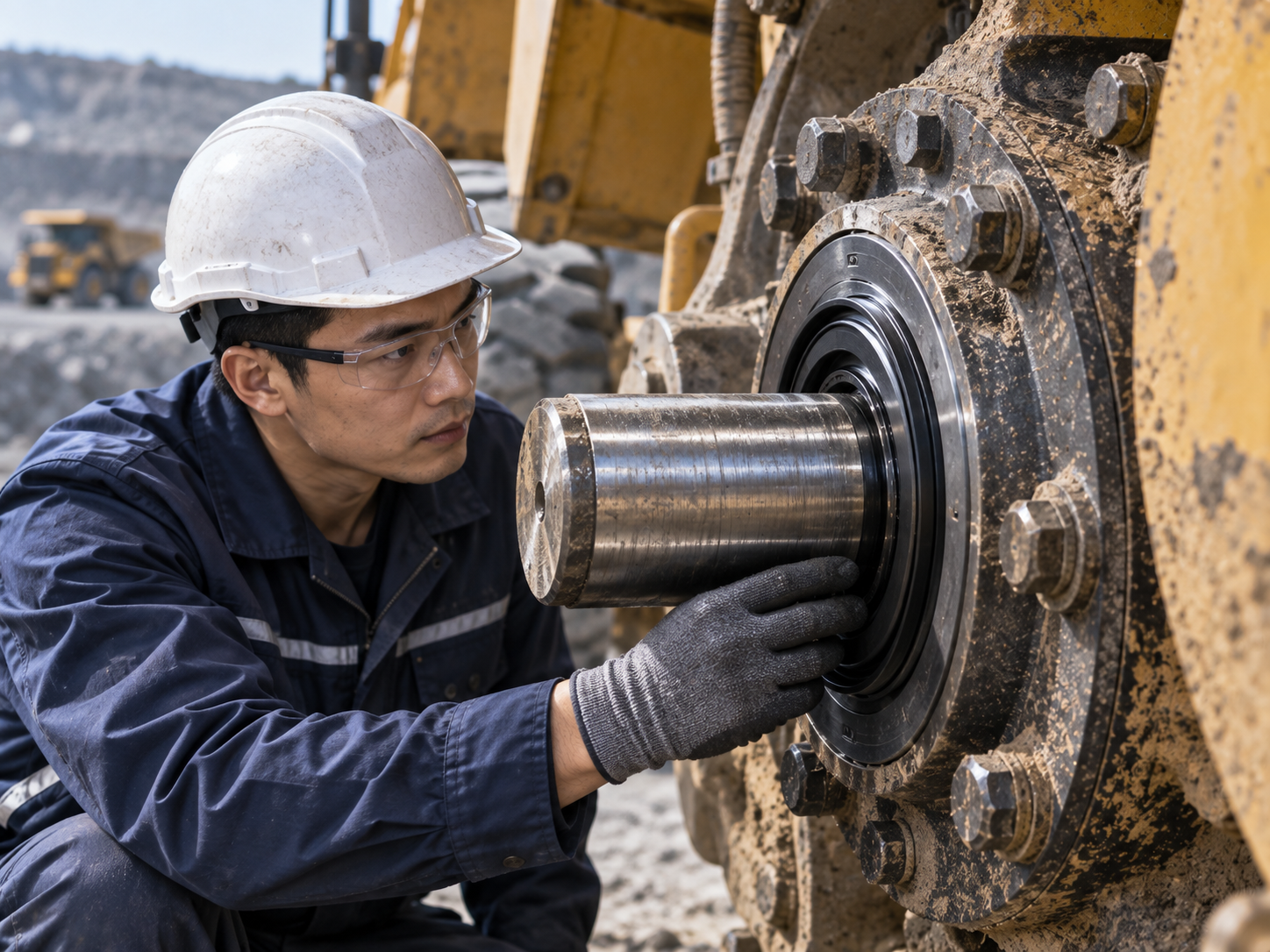

Dimensions and appearance are checked on a batch-by-batch basis and match the drawings.

CUSTOMER SUCCESS

The last thing we could see was that the equipment had really stabilized.

Downtime Reduced by 70%
Large Hydraulic Machinery

Downtime Reduced by 70%

After reevaluating the oil seal specifications and operating conditions, the equipment’s sealing stability improved, and the frequency of maintenance and downtime decreased significantly.

Final result: Downtime reduced by 70%, and equipment maintenance is easier to schedule.
Meeting Both Sealing and Hygiene Requirements
Food Processing Equipment

Meeting Both Sealing and Hygiene Requirements

Select appropriate sealing materials and oil seal solutions based on the operating conditions of the food processing equipment, while also taking into account the equipment’s cleaning and maintenance requirements.

Final result: Meets hygiene requirements and minimizes the impact of downtime caused by cleaning.
INQUIRY CHECKLIST

With just four sets of data, the engineer was able to make an immediate assessment.

Old oil seals, photos of the equipment, shaft diameter, dimensions, oil type, temperature, and rotational speed—send whatever you have for now.

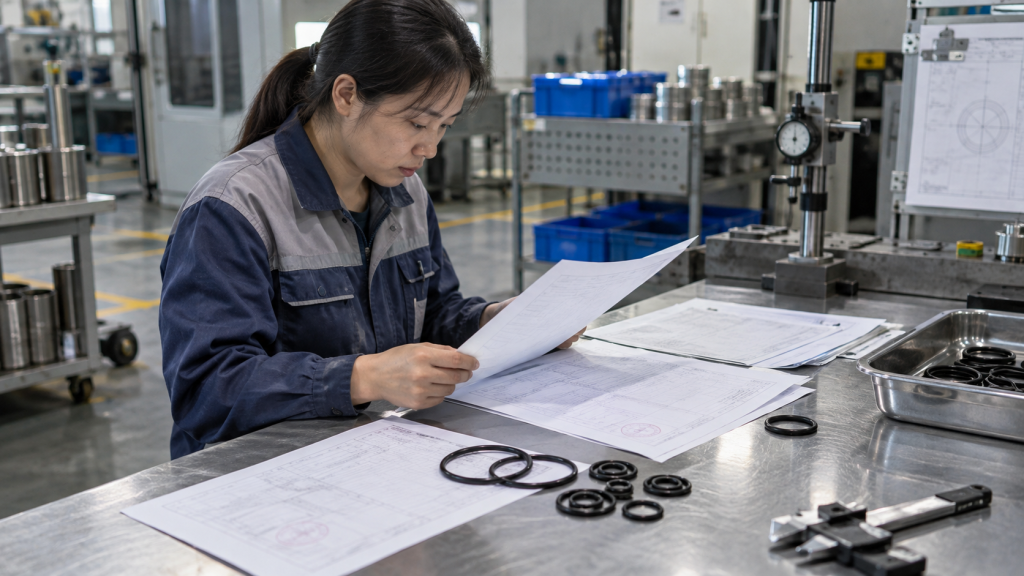
Old Oil Seal and Photo
01

Old Oil Seal and Photo

Take photos of the lip of the old oil seal, the oil leak location, and the equipment installation location.

Shaft Diameter and Dimensions
02

Shaft Diameter and Dimensions

Inner diameter, outer diameter, thickness, shaft diameter, and mounting flange dimensions.

Oil Quality and Temperature
03

Oil Quality and Temperature

Types of lubricants, normal and maximum temperatures, and pressure.

Rotational Speed and Environment
04

Rotational Speed and Environment

Rotational speed, operating time, and on-site environmental conditions such as dust or moisture.

FAQ

Frequently Asked Questions About Oil Seals

If an oil seal is leaking even after being replaced, where should you check first?

Examine the oil leak location, lip wear, hardening, deformation, and the condition of the shaft surface as a whole, and then cross-reference these findings with the rotational speed, pressure, and oil quality to identify the true cause of failure.

How do I choose between TC, SC, TB, and SB?

First, decide whether you need a single-lip, double-lip, dust-proof, or metal housing; if you need dust protection, choose the double-lip option; if the mounting bracket requires a metal outer diameter, choose the metal housing.

How do you match materials such as NBR, FKM, and ACM?

Select based on temperature, oil type, rotational speed, and operating environment: NBR for general-purpose applications; FKM for high-temperature and chemical environments; ACM for high-temperature oils and automotive transmissions.

I only have an old oil seal on hand—can I still ask about it?

Sure. Please send whatever you have—photos of the old oil seal and the equipment, shaft diameter, dimensions, oil type, temperature, and rotational speed.

How are materials verified?

Material documents are verified based on manufacturer or third-party data; incoming materials undergo FTIR material verification, and dimensions and appearance are verified simultaneously.

Send me the data so we can move right on to the next step.
SEND IT NOW

Send me the data so we can move right on to the next step.

It’s fine if you only have an old oil seal on hand. Send us whatever you have—the old oil seal, photos of the equipment, shaft diameter, dimensions, oil type, temperature, and rotational speed—and we’ll help you figure out the next steps.

Send data, start evaluation → Contact via LINE
Old oil sealShaft DiameterOil TemperatureRotational Speed Conditions