

Anti-Extrusion Ring | Prevents high-pressure extrusion, deformation, and leakage of O-rings
Select the material and structure of the support ring based on pressure, clearance, medium, and operating conditions; start by analyzing the root causes of failure to better control seal life, system pressure, and maintenance intervals.
Submit the operating conditions for an engineer to evaluate →High Pressure Extrusion
The O-ring was pushed into the clearance, causing scoring, chipping, and leaks, resulting in repeated failures as soon as the equipment was pressurized.
The lifespan is too short
Replacing only the seals without addressing clearance and structural issues has led to a continuous increase in replacement frequency and downtime costs.
Unstable pressure
If the material, thickness, or assembly orientation is not suitable for the operating conditions, the system’s pressure-holding capacity will decrease, affecting the equipment’s accuracy.
CHENGSYIN ADVANTAGES
Choosing the Right Anti-Extrusion Ring Is About More Than Just Size
Chengxin helps you resolve high-pressure sealing issues once and for all by verifying every detail—from failures and operating conditions to manufacturing processes and documentation.
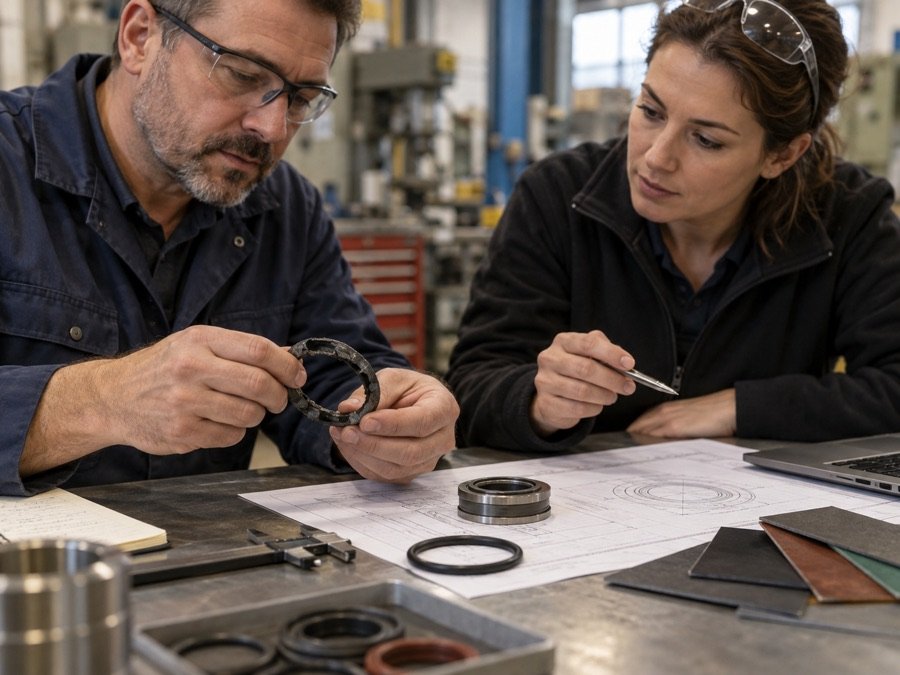
Determining the Cause of Failure
First, check the pressure, clearance, eccentricity, and motion status to determine whether to add a single support ring or whether both the groove and the seal need to be adjusted simultaneously.
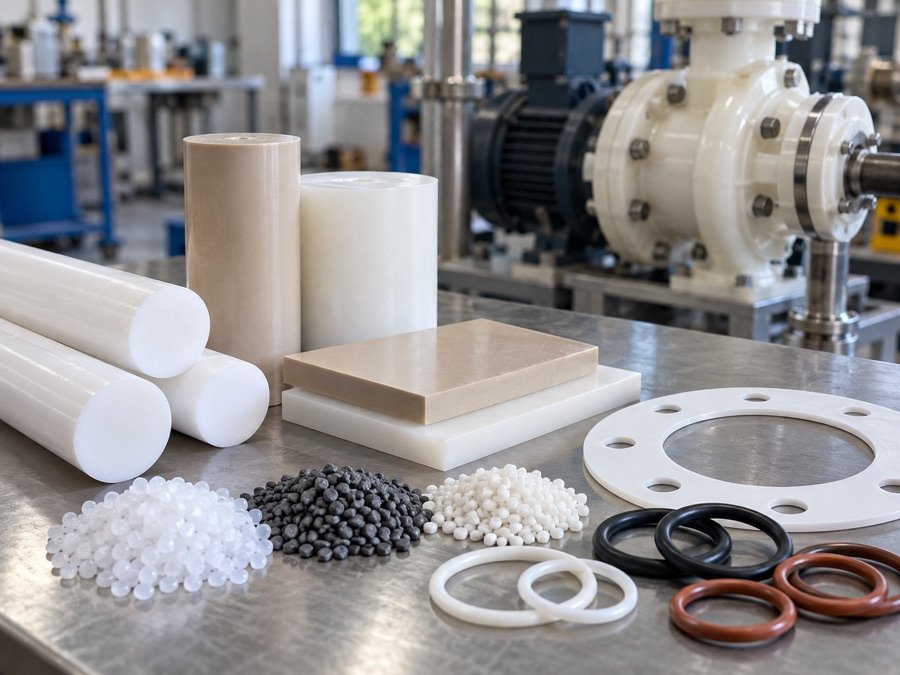
Material-Media Matching
Select the appropriate solution from PTFE, filled PTFE, nylon, and POM based on temperature, medium, pressure, and dynamic load.
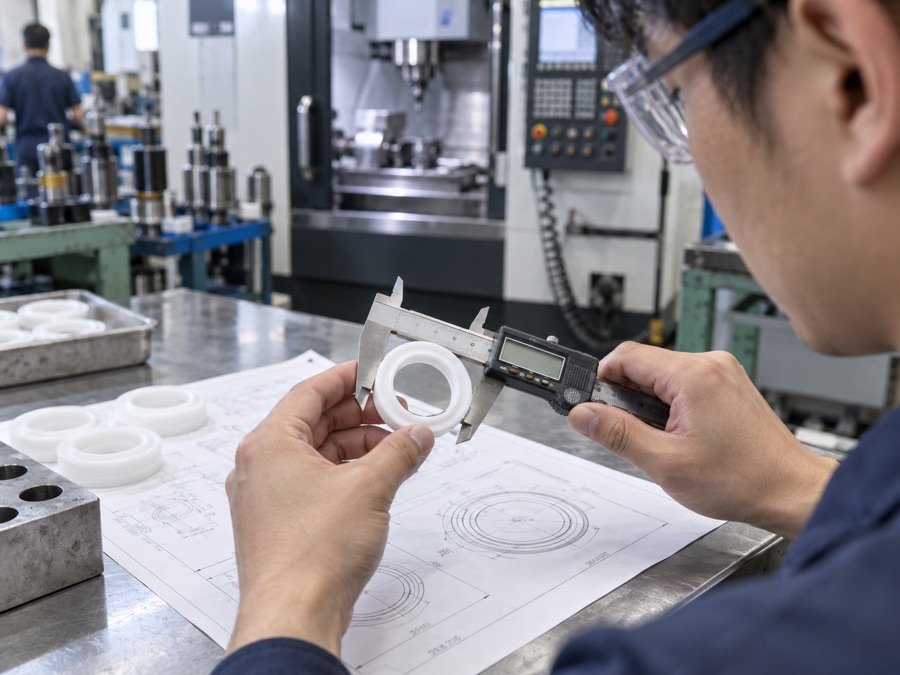
Verification of Standard Specifications
Verify the inner diameter, outer diameter, wall thickness, opening type, and groove specifications to reduce the risk of using a part that fits dimensionally but cannot withstand the pressure.
Custom sizes manufactured according to drawings
Non-standard sizes can be evaluated for machining based on drawings, samples, or groove specifications to meet the needs of repairs, replacements, and new equipment design.
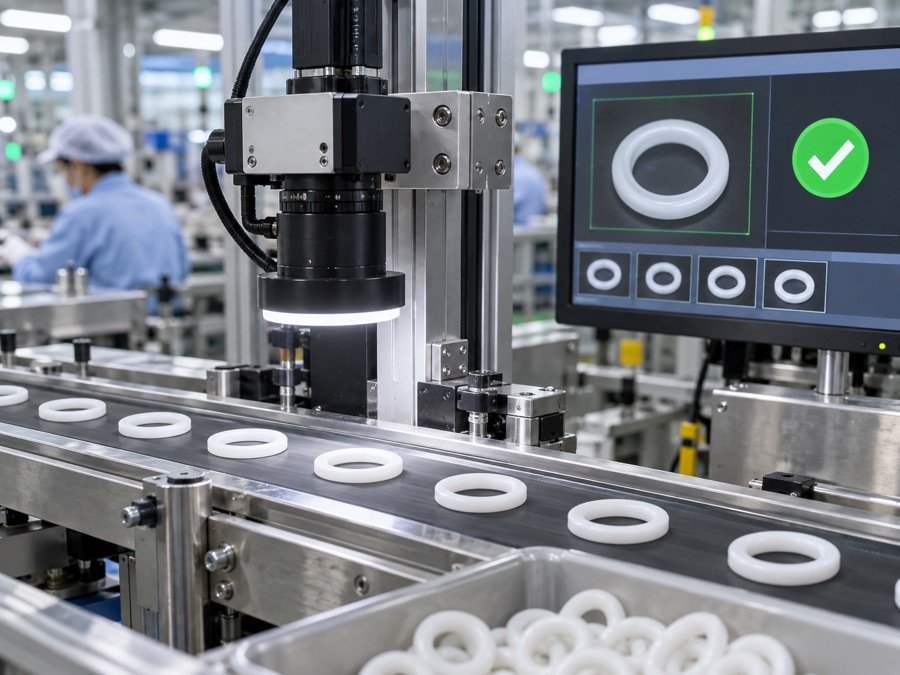
Confirmation of Structure and Thickness
Depending on whether the design is for single- or double-sided support, an open or full-ring configuration, verify the thickness and assembly method to prevent continued extrusion in the event of incorrect installation.
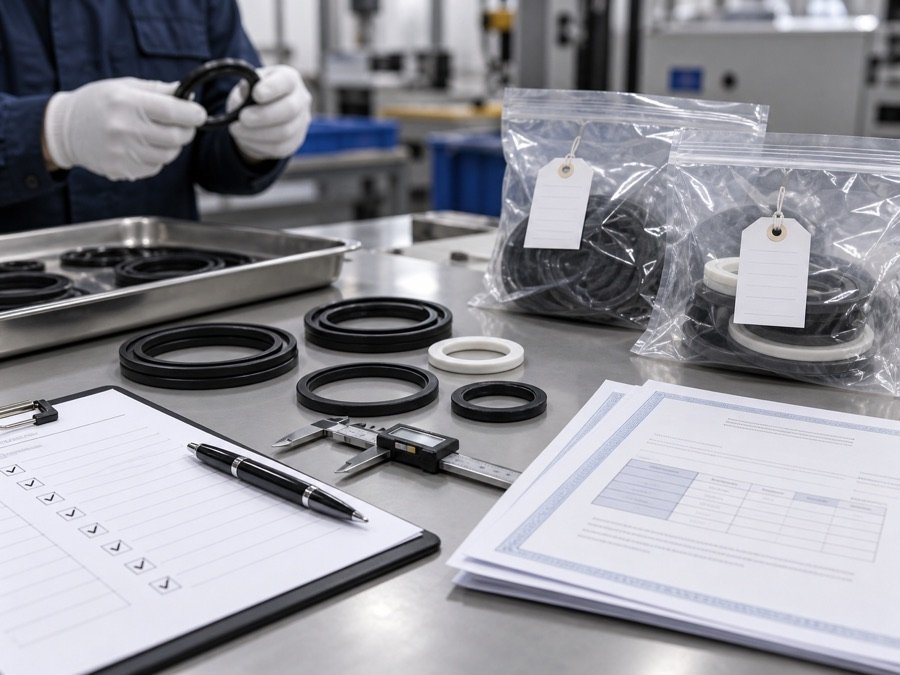
Delivery Schedule and Document Consolidation
Coordinate the confirmation of reference samples, special processing schedules, and the required materials and quality documentation to ensure better control over procurement and maintenance schedules.
PRODUCT TYPES & MATERIALS
Decide on the structure first, then choose the materials
Anti-extrusion rings must be considered in conjunction with O-rings, grooves, and fitting clearances. Chengxin determines the appropriate ring type, opening, and material based on the direction of pressure, dynamic and static conditions, and available installation space.
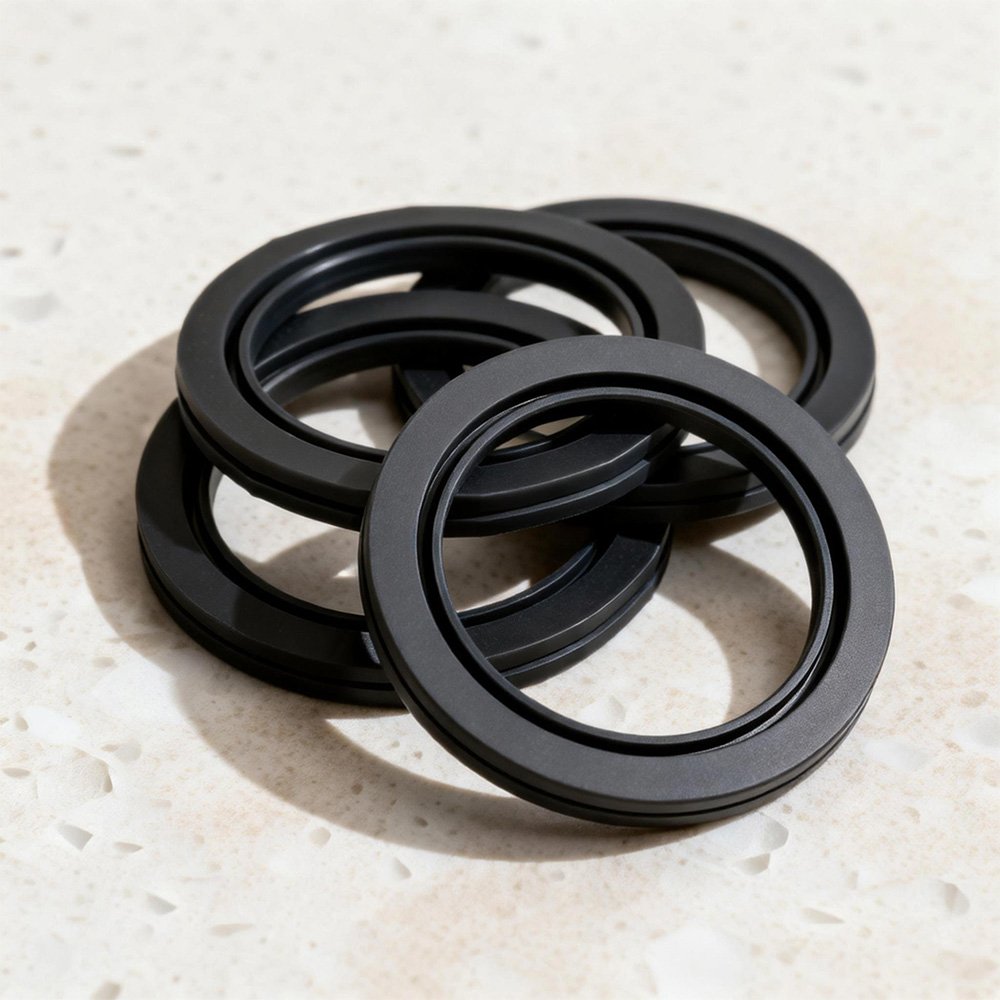
To facilitate assembly, maintenance, and replacement, the type of opening, pressure direction, and mating clearance must be confirmed simultaneously.
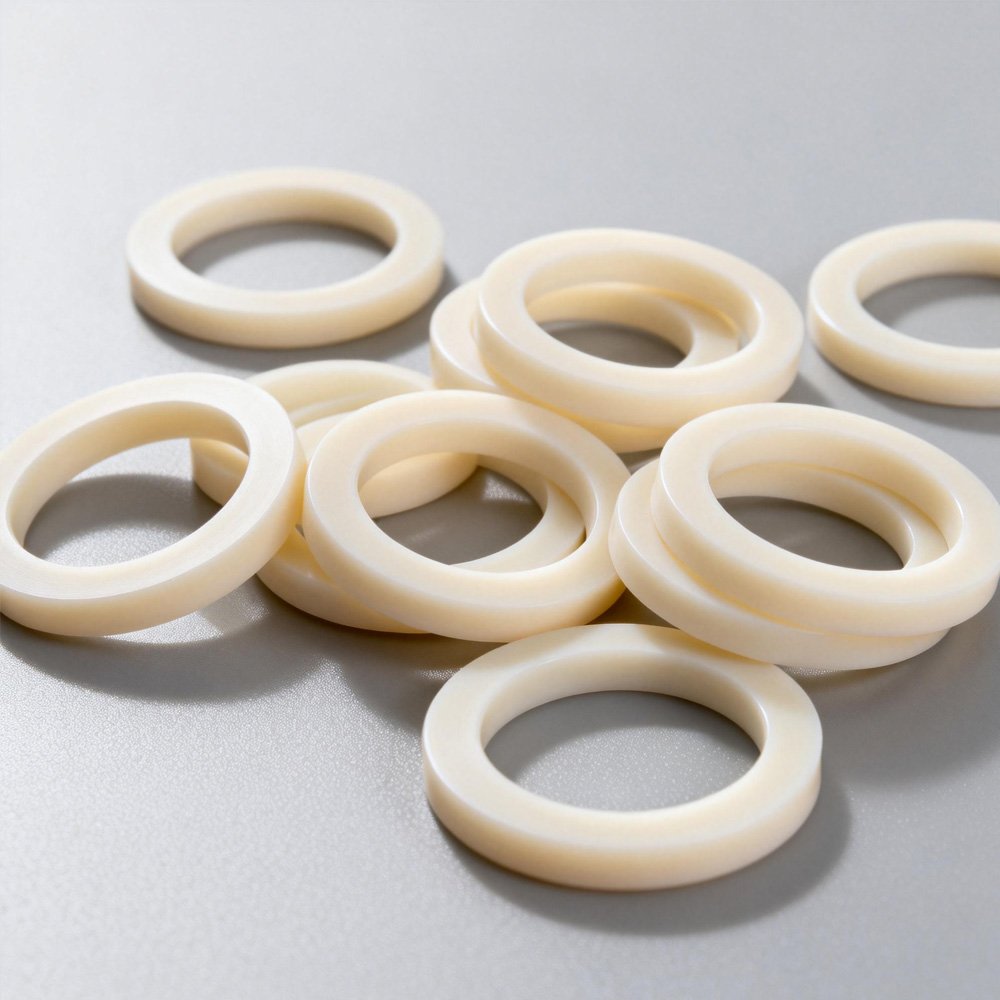
This design is suitable for direct assembly, with the key considerations being whether the dimensional tolerances, thickness, and groove clearance are compatible.
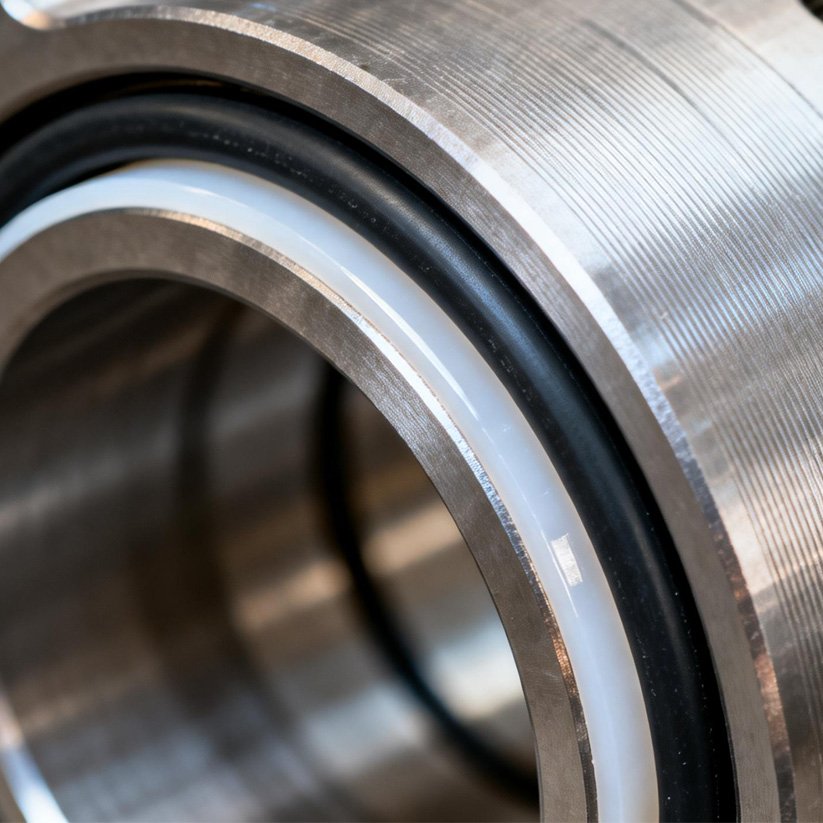
For unidirectional compression conditions, install a single-sided support in accordance with the actual direction of pressure; the installation location must be confirmed based on the drawings and operating conditions.
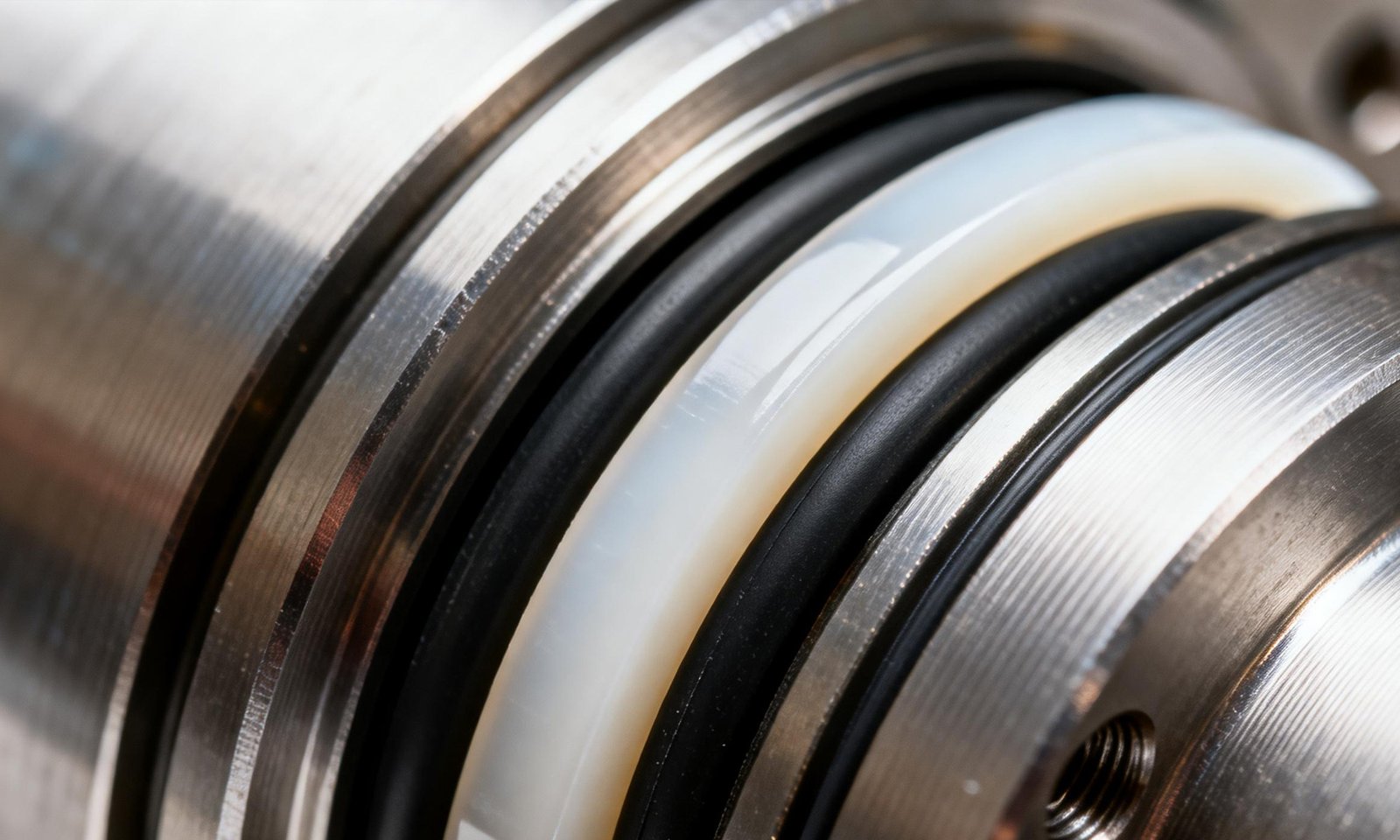
For bidirectional compression or pressure reversal conditions, install supports on both sides of the O-ring; dimensions and grooves must be verified on a case-by-case basis.
It offers excellent chemical resistance and low-friction performance, making it suitable for a wide range of media and temperature conditions.
Improve wear resistance, creep resistance, or dimensional stability based on the filler system.
It offers excellent strength and wear resistance, making it suitable for high-pressure dynamic sealing applications.
It offers excellent mechanical strength and machining stability, making it suitable for parts with specific dimensional accuracy requirements.
HIGH-PRESSURE APPLICATIONS
Three types of high-pressure operating conditions, each with its own evaluation criteria
Pressure is just one of the factors. Temperature, the medium, pressure cycles, clearance, and the assembly method all play a role in determining the anti-extrusion solution.
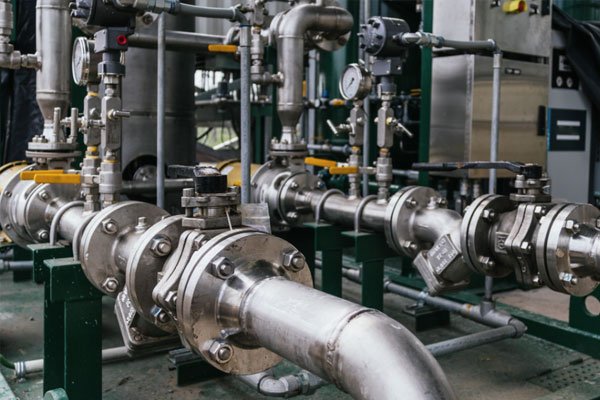
Petrochemical Reaction Pipelines
For high-temperature, high-pressure, and corrosive media, verify material compatibility and deformation under prolonged pressure.
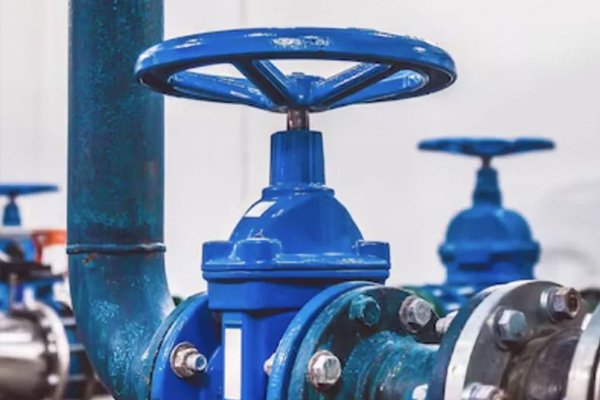
LNG Valve Body
In low-temperature environments, it is necessary to simultaneously evaluate material shrinkage, hardening, and changes in valve body pressure to prevent uncontrolled changes in the seal clearance.
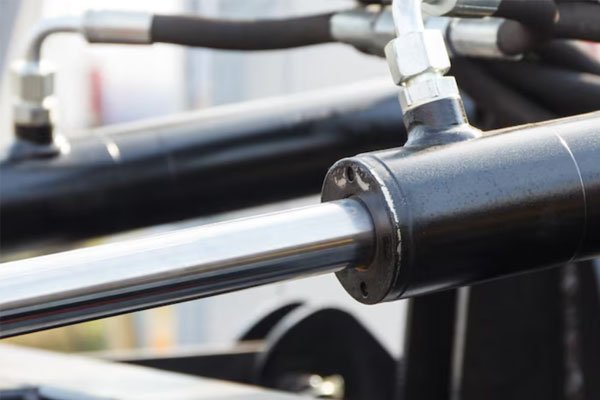
Aviation Hydraulic Valves
In response to pressure cycles and temperature fluctuations, it is necessary to verify structural support, friction, and dimensional stability.
INDUSTRY APPLICATIONS
Common Locations for Anti-Extrusion Rings on Equipment
When the same part is used in different machines, the speed, stroke, contamination levels, and maintenance schedule all change.
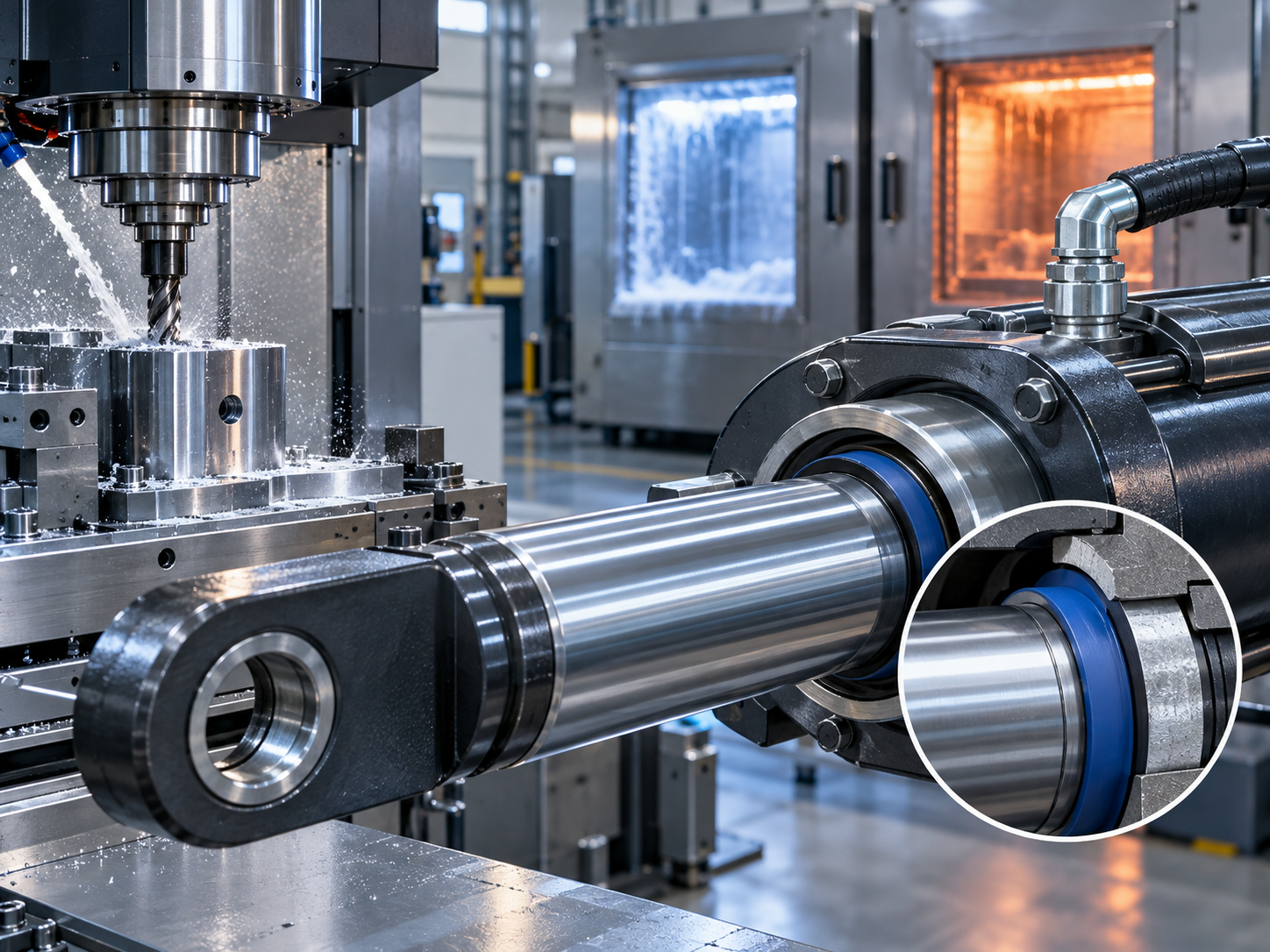
Machine Tools
Hydraulic cylinders, clamping fixtures, and precision feed systems—the focus is on pressure maintenance and machining accuracy.
Plastic Injection Molding Machine
Due to frequent fluctuations in high pressure and temperature, it is necessary to balance wear resistance, dimensional stability, and maintenance intervals.

Construction Equipment
Where dust, vibration, and off-center loading are significant, the grooves and clearance should be inspected simultaneously.

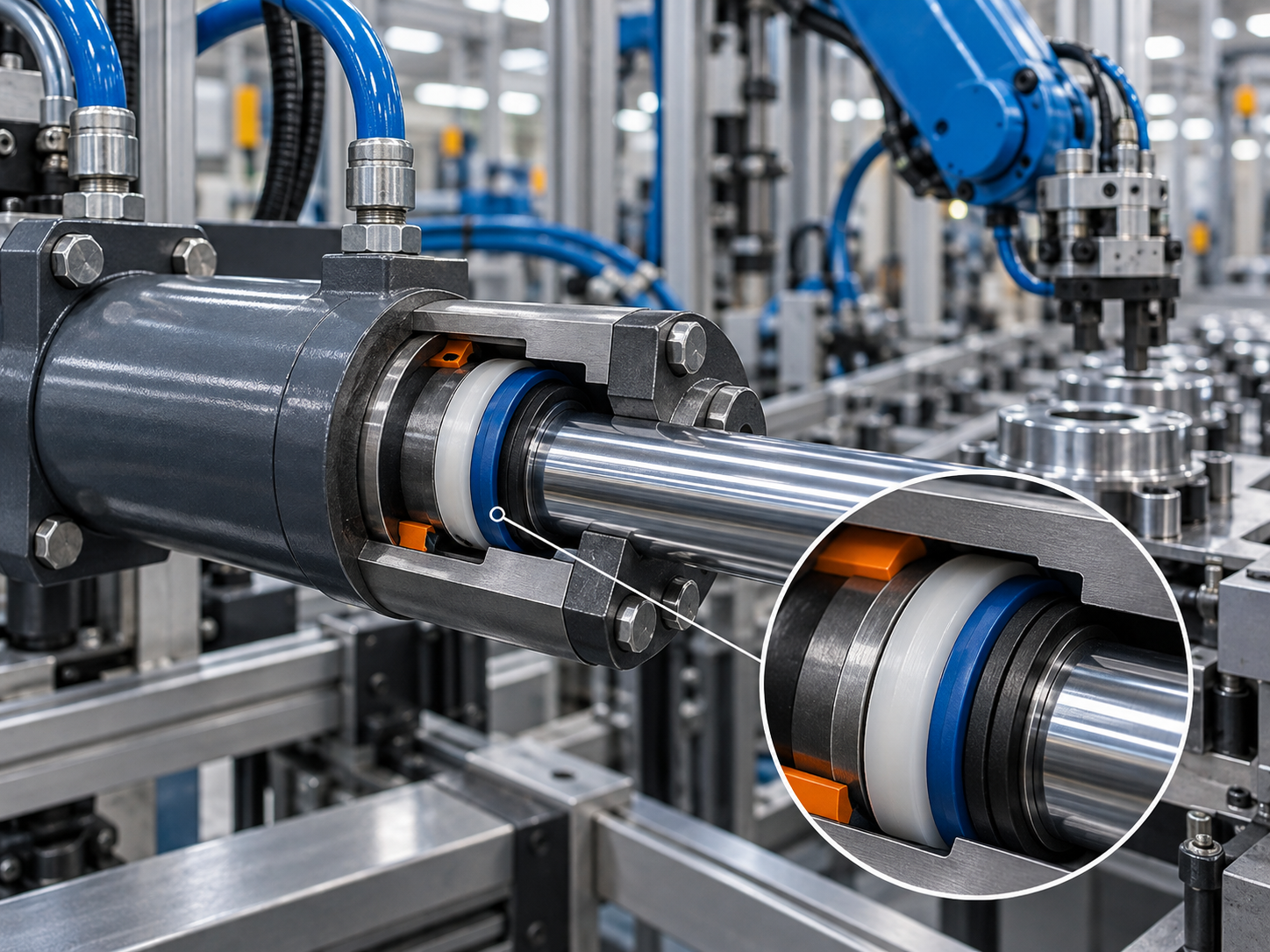
Automation Equipment
Pneumatic and hydraulic drives and reciprocating mechanisms focus on ensuring stable operation and minimizing unplanned downtime.
SPECIFICATION & VERIFICATION
It's one thing to write specifications; it's another to verify them.
Before providing a quote and beginning production, gather all necessary information regarding dimensions, materials, operating conditions, and documentation requirements to ensure that samples, mass production, and subsequent maintenance are all based on the same set of criteria.
Dimension Verification
Measure the inner and outer diameters, thickness, and related groove dimensions.
Processing Confirmation
Arrange the machining process according to the drawings, tolerances, and material properties.
File Mapping
Confirm material, inspection, and delivery documentation requirements.
TYPICAL RESOLUTION PROCESS
From damage caused by repeated extrusion to a form that meets manufacturing specifications
The value of anti-extrusion rings lies in transforming the phenomenon of repeated part replacements into measurable, verifiable, and manufacturable conditions, thereby providing a consistent basis for future procurement and maintenance.
Identify the location of the failure
First, examine the bite marks, cut edges, and extrusion direction on the O-ring to identify the direction of pressure and any issues with the clearance.
Verify the Groove and Operating Conditions
List dimensions, tolerances, pressure, temperature, media, and motion states in a single decision table.
Convergence Materials and Structures
Confirm whether the part is single-sided or double-sided, open or full-ring, and the applicable orientation for PTFE, filled PTFE, nylon, or POM.
Establishing Deliverable Specifications
Compile the inner and outer diameters, thickness, quantity, machining tolerances, and documentation requirements into a version suitable for quoting and prototyping.
Reduce trial-and-error, make seal life more traceable, make it easier to replicate repair parts, and minimize the risk of unplanned downtime.
INQUIRY CHECKLIST
If you provide four sets of data, the engineering analysis will be much faster.
You can inquire even if you don’t have all the information yet; start with the photos, old items, or measurements you have on hand, and Chengxin will help you fill in the missing details.
Invalid Photo
Take photos of the damaged area, the direction of extrusion, the grooves, and the equipment installation location.
Drawings or Dimensions
Please provide the inner diameter, outer diameter, thickness, and groove dimensions, or send us your old part directly for evaluation.
Operating Conditions
Pressure, temperature, medium, velocity, and dynamic or static operating conditions.
Delivery Requirements
Quantity, desired timeline, sample or batch requirements, as well as material and quality documentation.
FAQ
Frequently Asked Questions About Anti-Extrusion Rings
What is the difference between the function of a non-extrusion ring and that of an O-ring?
The O-ring provides the primary seal; the anti-extrusion ring provides structural support and reduces the risk of the O-ring being pushed into the clearance under high pressure, which could cause it to be cut or deformed.
How do I choose between unilateral and bilateral support?
For unidirectional compression, the support on the high-pressure side is typically evaluated first; when the pressure may reverse, the system operates bidirectionally, or operating conditions vary significantly, the configuration on both sides is further evaluated.
Can I still ask a question even if I only have the old part and no drawings?
Sure. Please start by providing photos of the old part and its measurements; if necessary, you can send a sample later. We can determine the specifications by analyzing the existing structure and failure conditions.
What are the differences between PTFE, nylon, and POM?
The three materials differ in terms of chemical resistance, friction, wear resistance, strength, temperature resistance, and dimensional stability, and the appropriate material must be selected based on the medium, pressure, and dynamic and static conditions.
What is the minimum information required when requesting a quote?
Please provide the dimensions or a photo of the old part, along with the operating pressure, temperature, medium, application, and quantity, so we can begin our assessment; you may also specify any documentation and delivery schedule requirements at the same time.
CHENGSYIN SEALING SUPPORT
Organize the sealing issues into specifications that can be used for manufacturing
Send us photos, drawings, dimensions, or information about the old part, and Chengxin will begin its assessment by evaluating the cause of failure, materials, structure, and manufacturing feasibility.
When you tap on your phone, LINE opens automatically, and you can send photos and images right away.
Submit the operating conditions for an engineer to evaluate →