
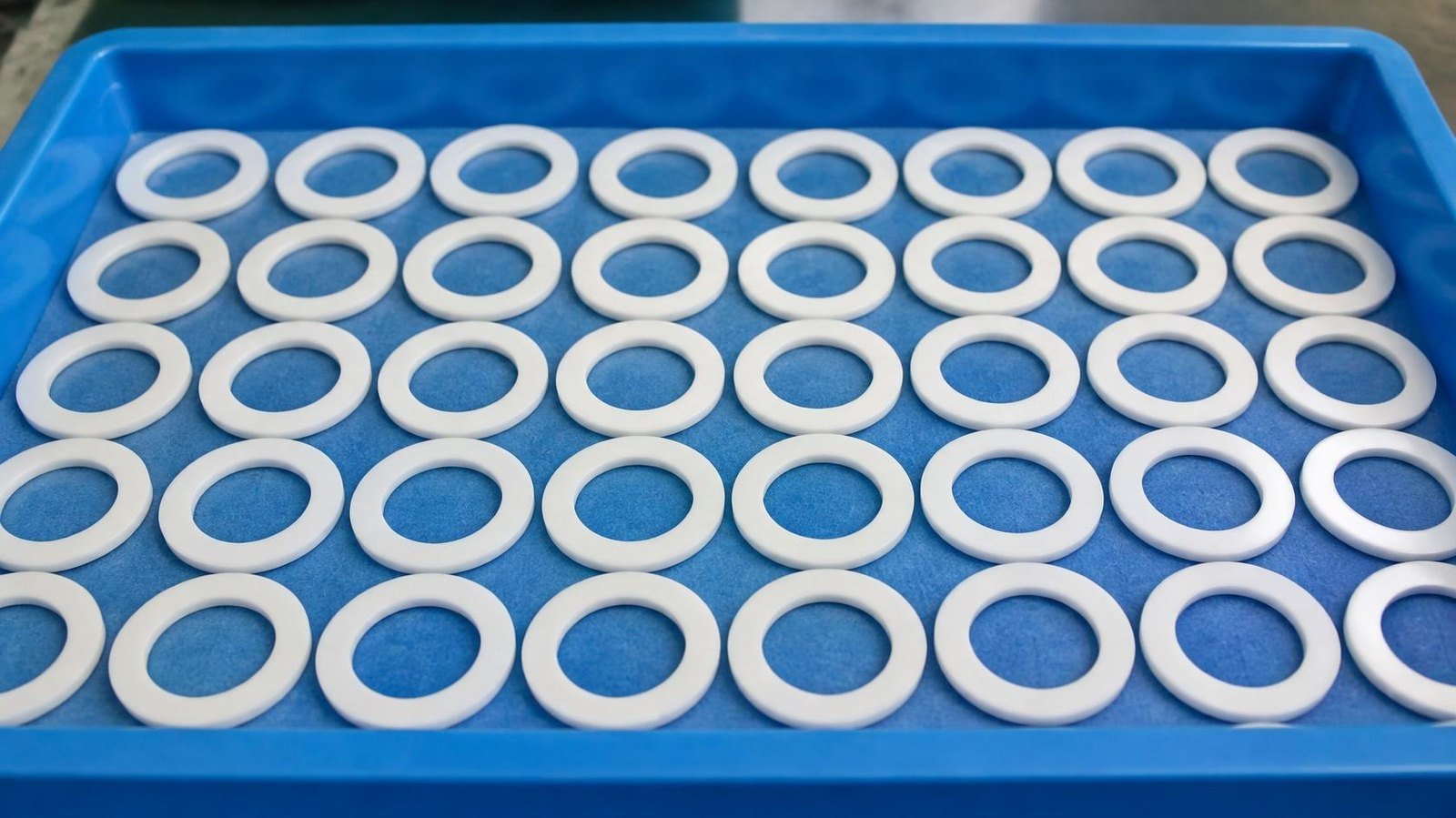
01
Determining the Cause of Failure
First, check the pressure, clearance, eccentricity, and motion status to determine whether to add a single support ring or whether both the groove and the seal need to be adjusted simultaneously.

Select the material and structure of the support ring based on pressure, clearance, medium, and operating conditions; begin by analyzing the root causes of failure to ensure that seal life, system pressure, and maintenance intervals remain within controllable limits.
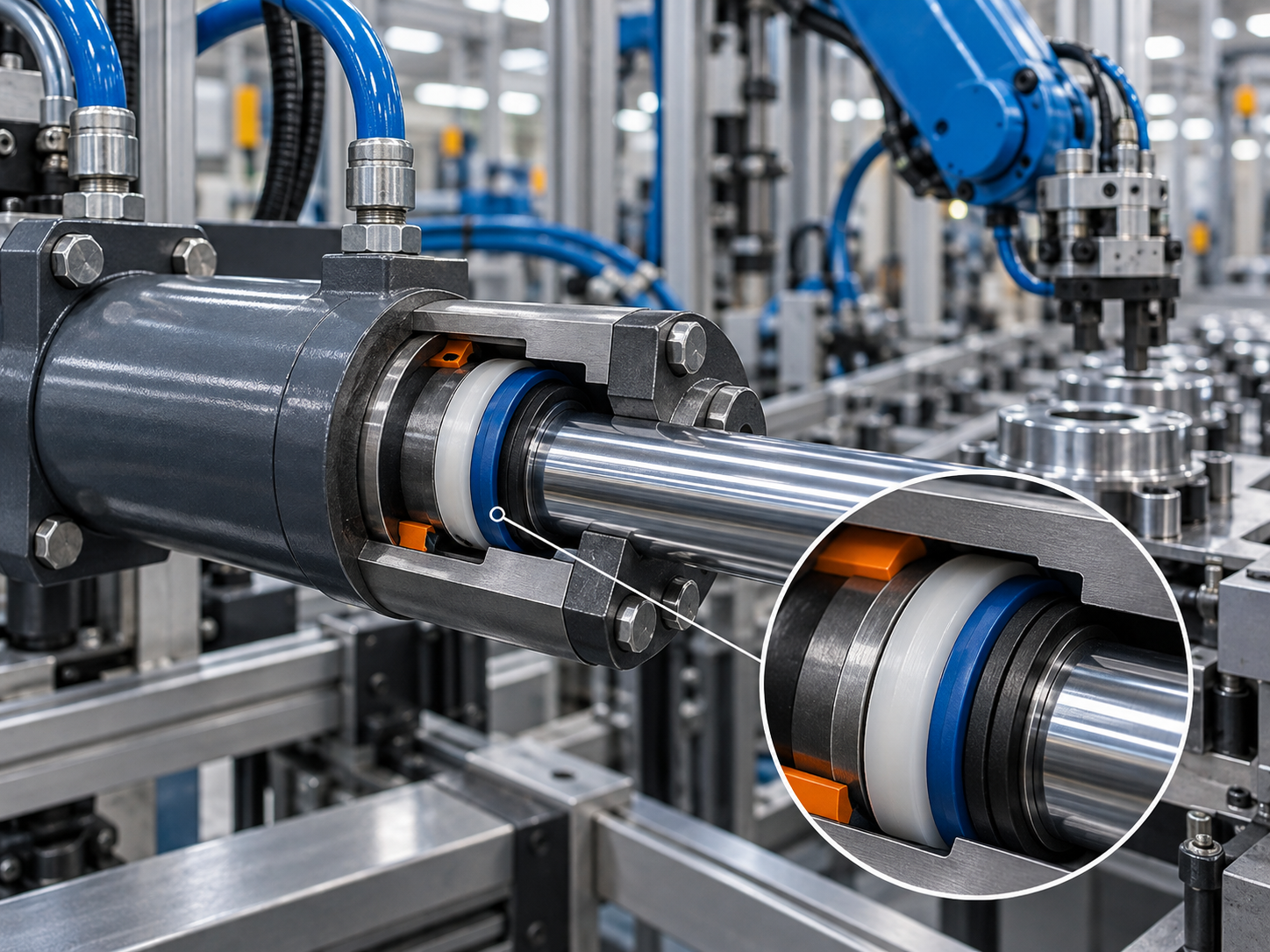 High-Pressure Extrusion: O-rings are forced into the clearance, resulting in scoring, chipping, and leaks—and repeated failures as soon as pressure is applied?
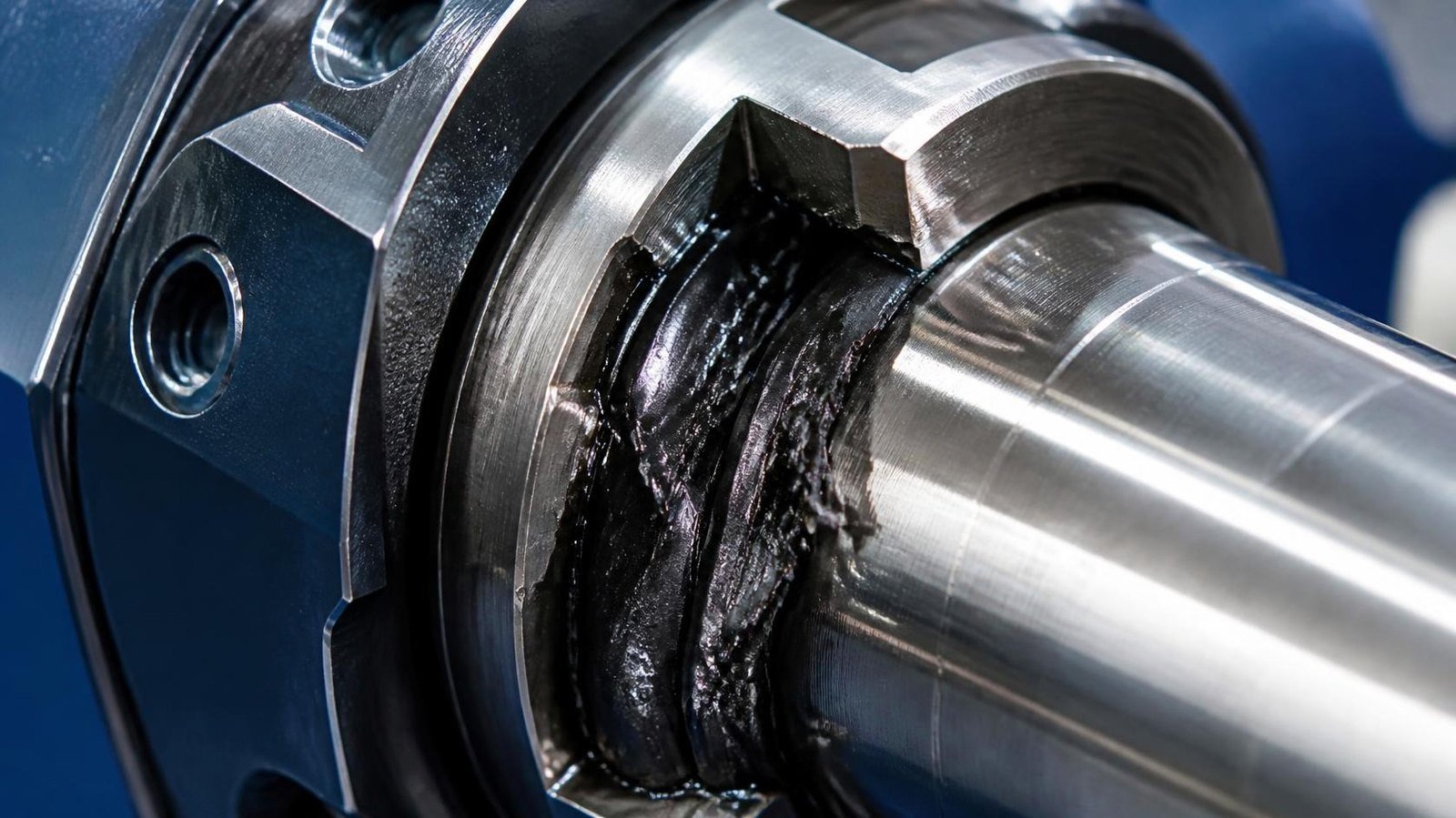 Too Short a Service Life: If you only replace the seals, the clearance and structural issues remain, leading to an increase in replacement frequency and downtime costs?
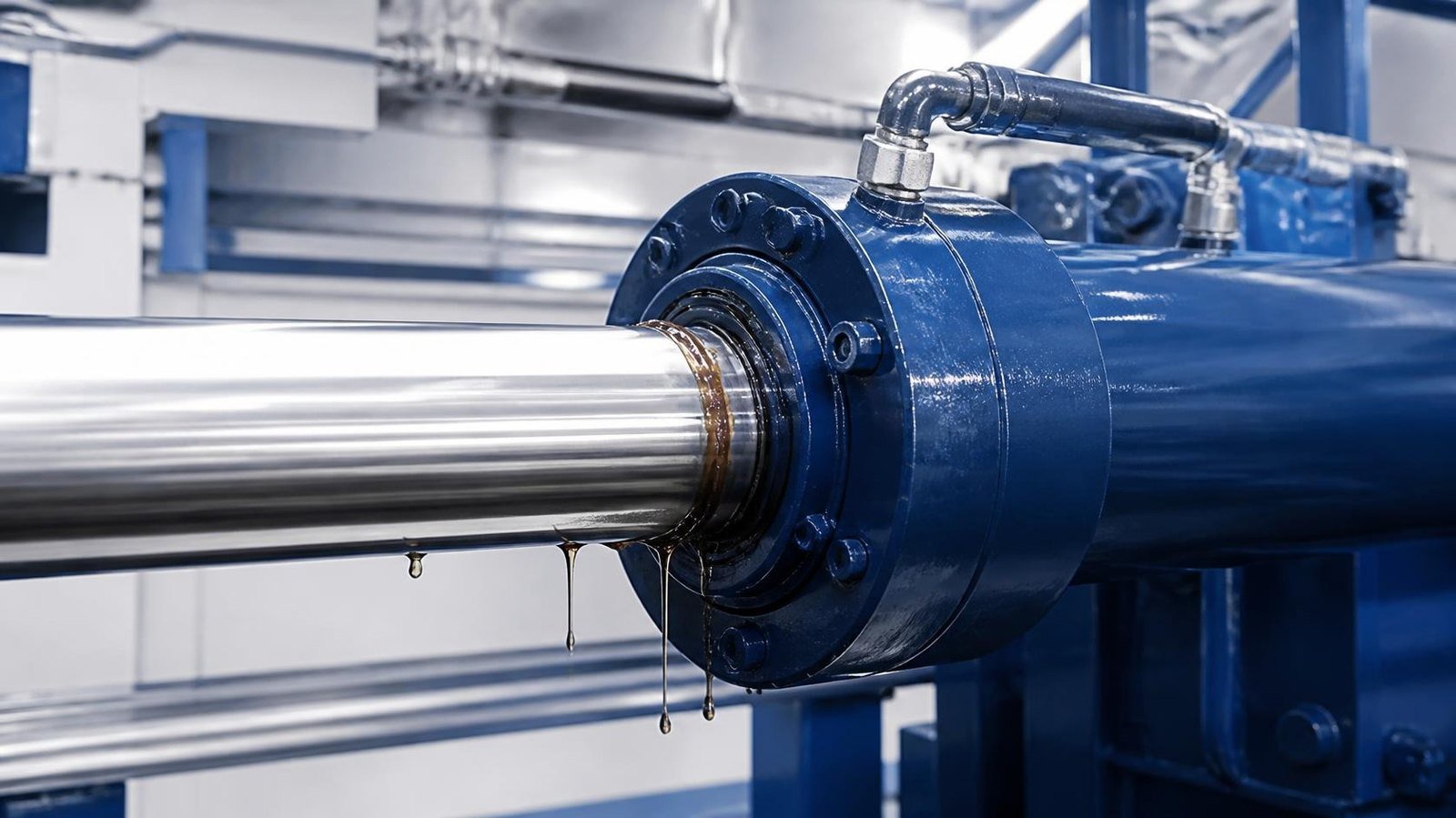 Pressure Fluctuations: Could a mismatch between material, thickness, or assembly orientation and operating conditions lead to reduced pressure-holding capability and affect equipment accuracy?
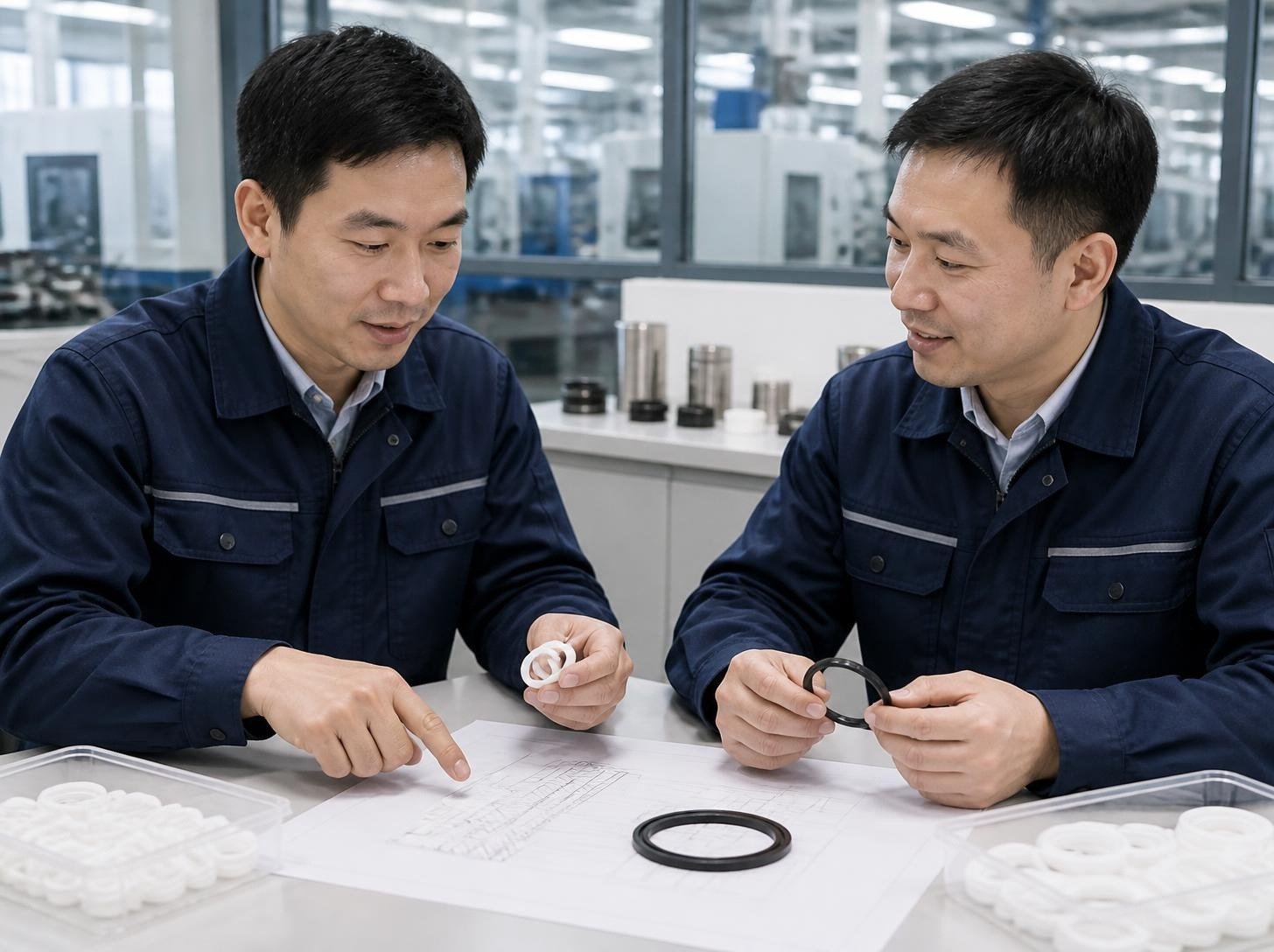
Chengxin helps you resolve high-pressure sealing issues once and for all by verifying every detail—from failures and operating conditions to manufacturing processes and documentation.
From failure analysis to delivery documentation—all handled through a single point of contact.
First, check the pressure, clearance, eccentricity, and motion status to determine whether to add a single support ring or whether both the groove and the seal need to be adjusted simultaneously.
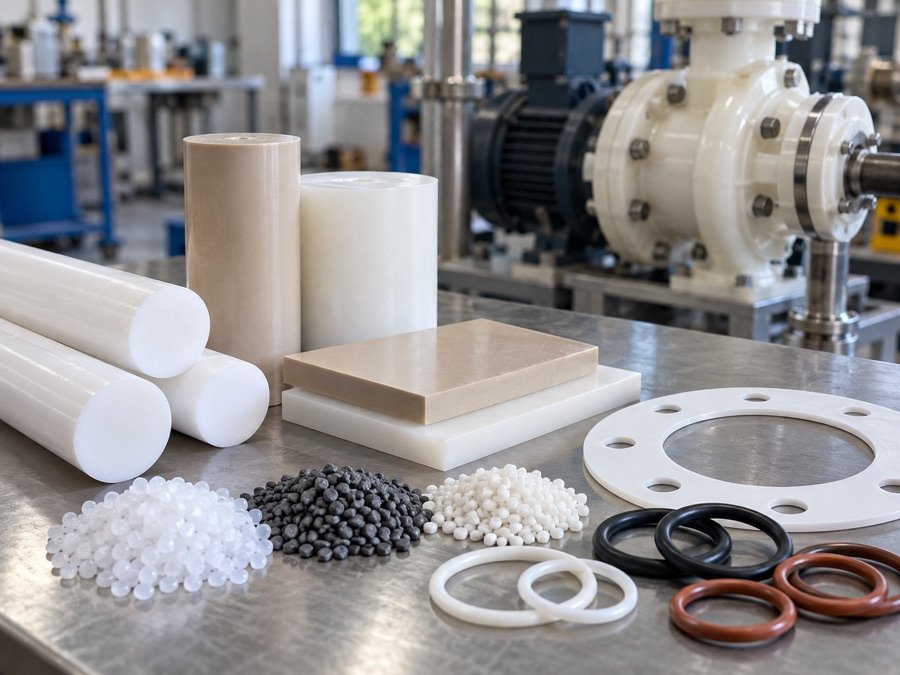
Select the appropriate solution from PTFE, filled PTFE, nylon, and POM based on temperature, medium, pressure, and dynamic load.
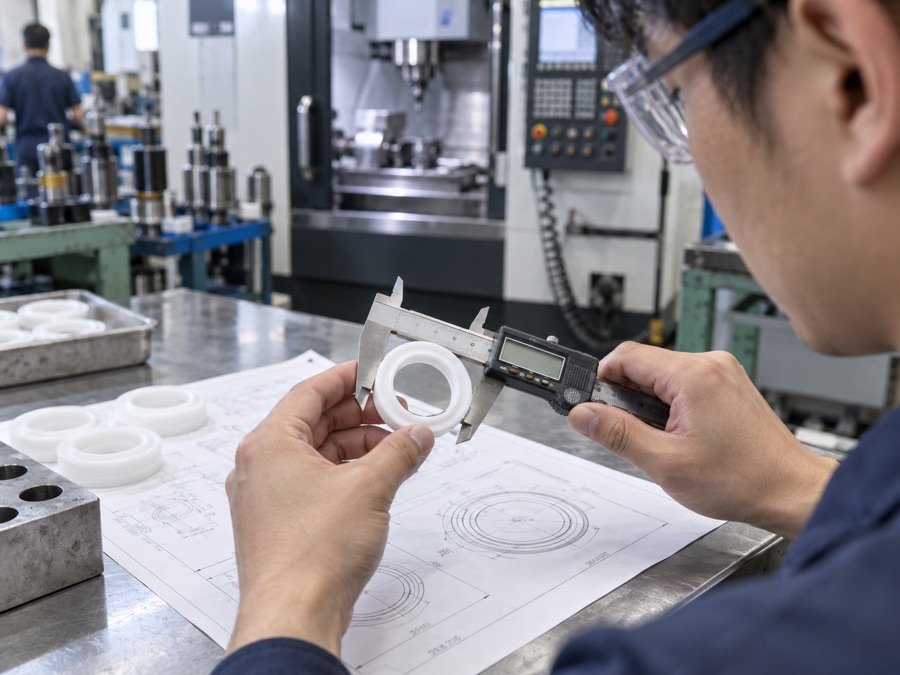
Check the inner diameter, outer diameter, thickness, opening type, and groove specifications to ensure the part fits properly and can withstand the pressure.
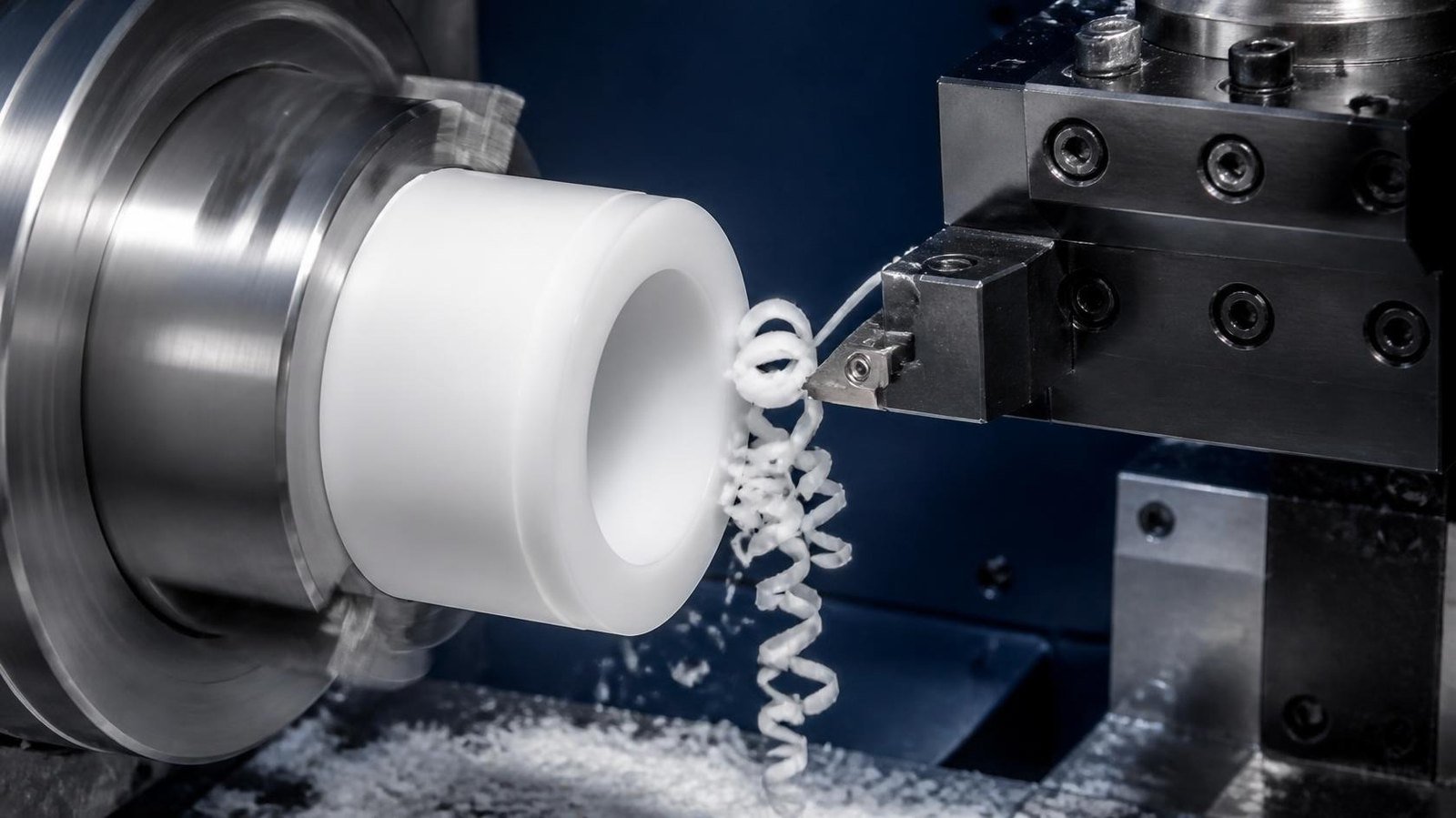
Custom sizes can be evaluated for manufacturing based on drawings, samples, or groove specifications, to support repairs, replacements, and new equipment design.
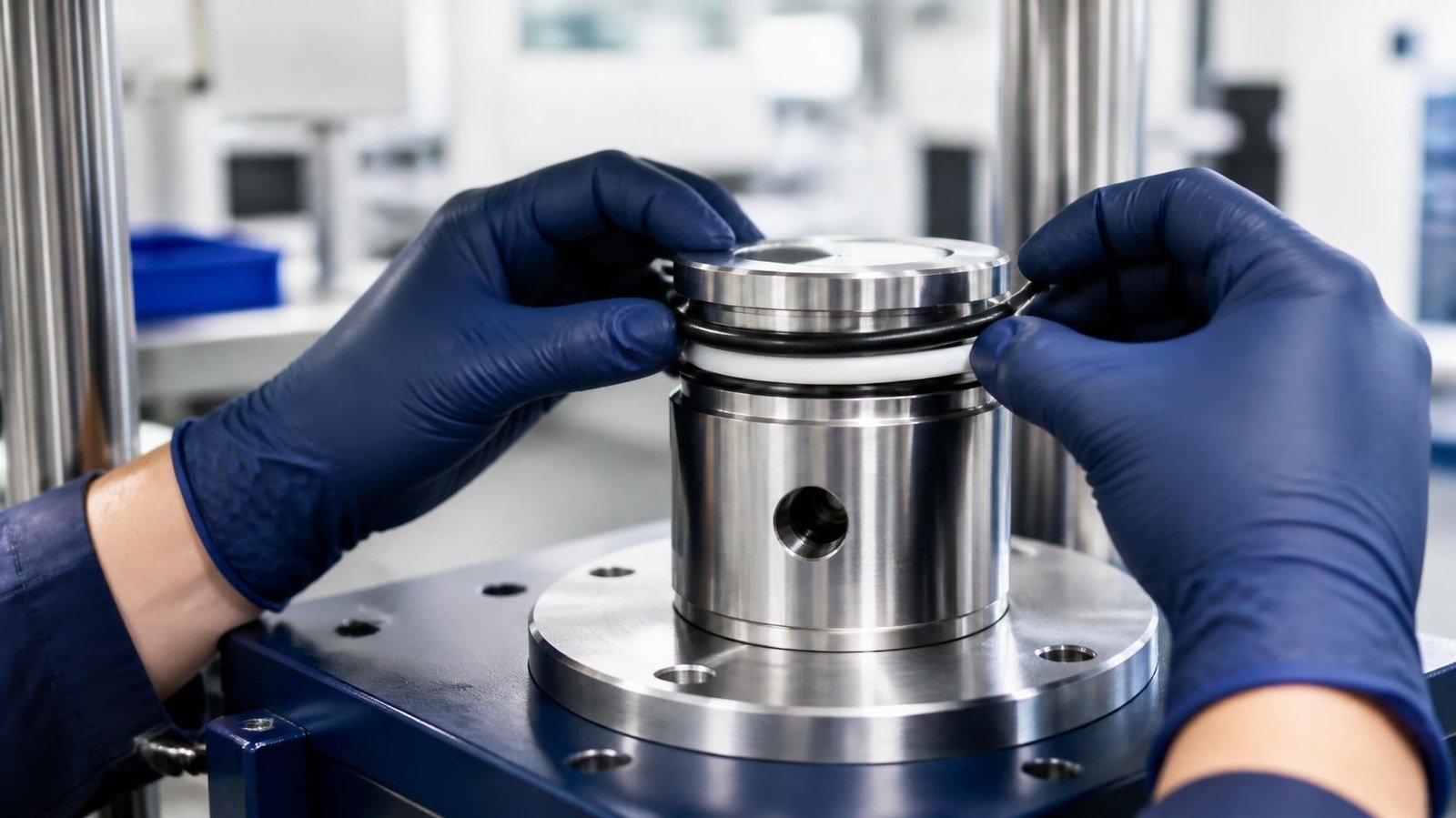
Depending on whether the design calls for single- or double-sided support, an open or full-ring configuration, confirm the thickness and assembly method to ensure it’s installed correctly the first time.
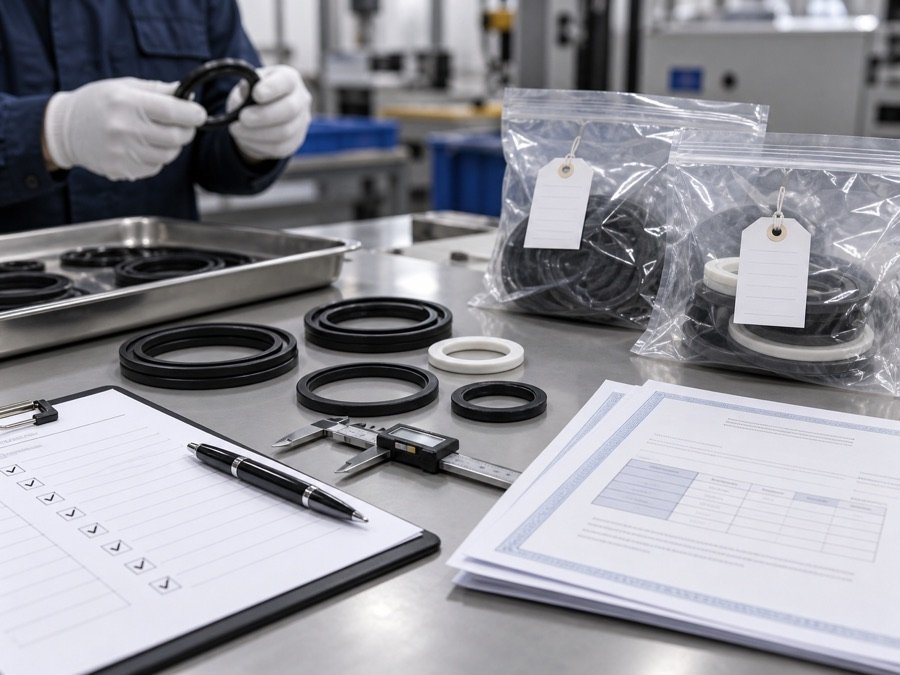
By coordinating the confirmation of reference samples, special processing schedules, and material and quality documentation, we ensure that procurement and maintenance progress remains under control.
When considering anti-extrusion rings and O-rings, as well as grooves and clearance fits, Chengxin determines the ring type, opening, and material based on the direction of pressure, dynamic and static conditions, and available installation space.
Select the ring type and configuration based on the direction of pressure and the assembly method.
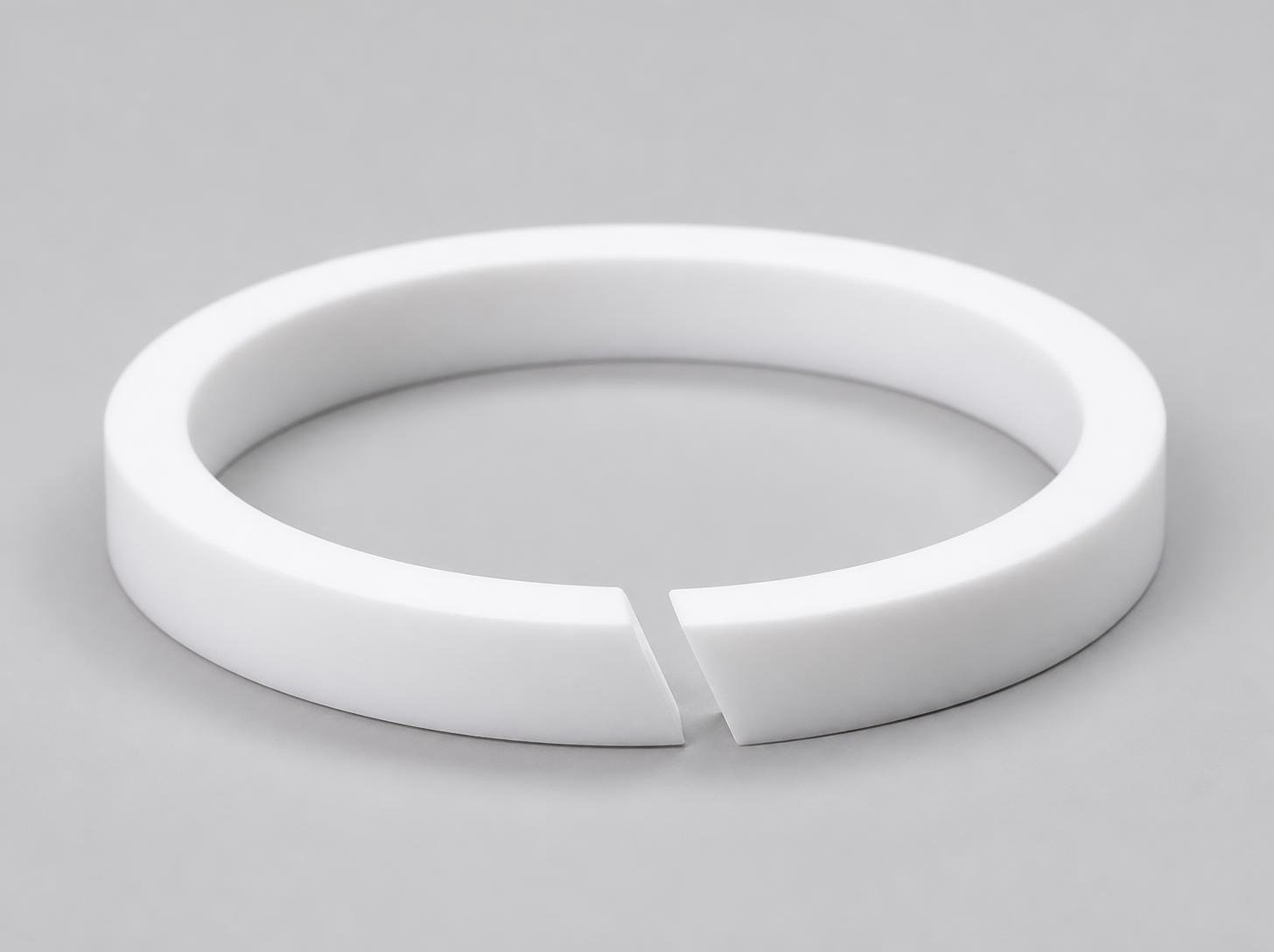
To facilitate assembly, maintenance, and replacement, verify the opening configuration, pressure direction, and clearance simultaneously.
Confirm Receipt of Previous Item →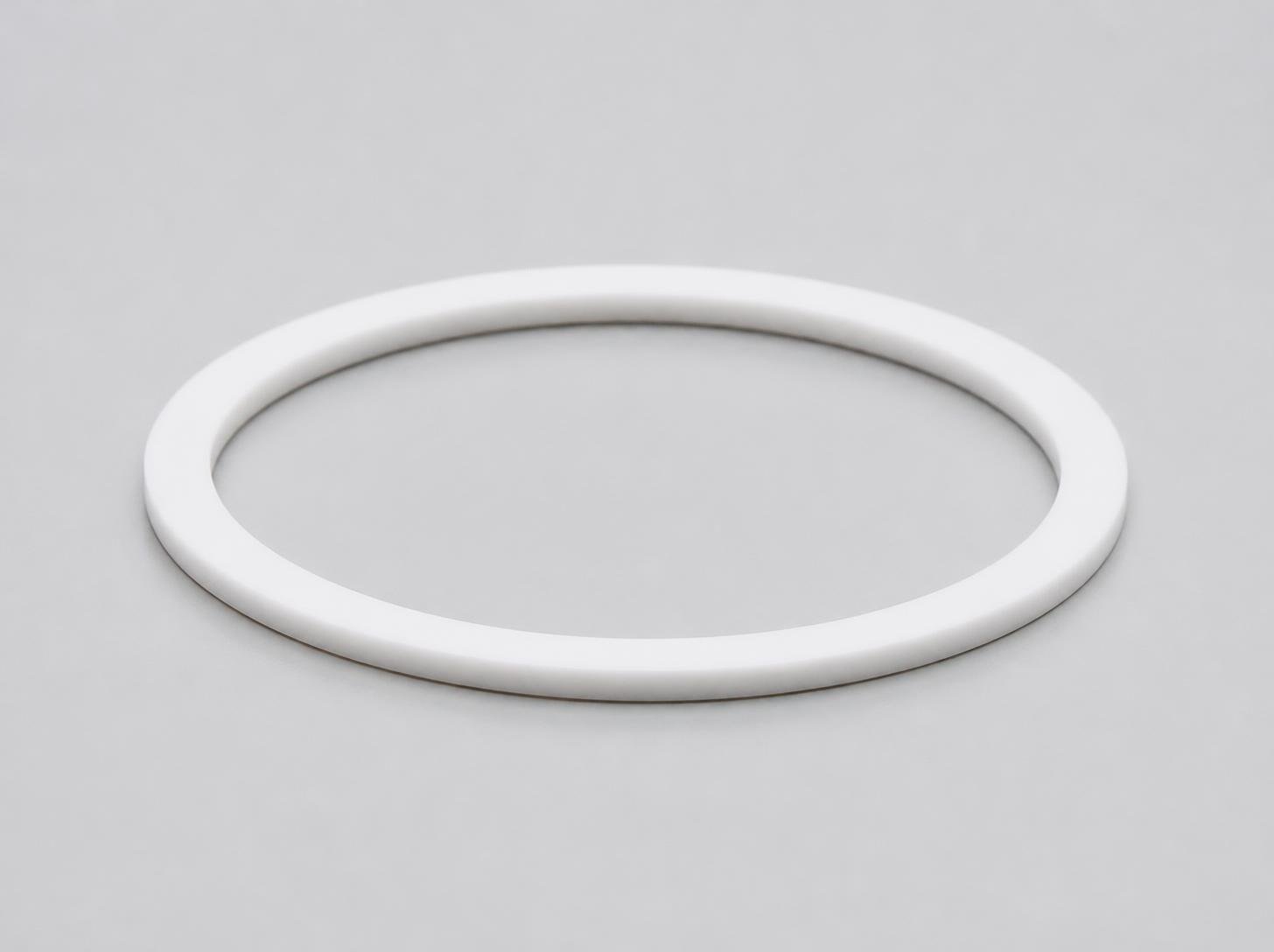
Suitable for structures that can be assembled by direct fitting; the key considerations are dimensional tolerances, thickness, and groove clearance.
Confirm Dimensions →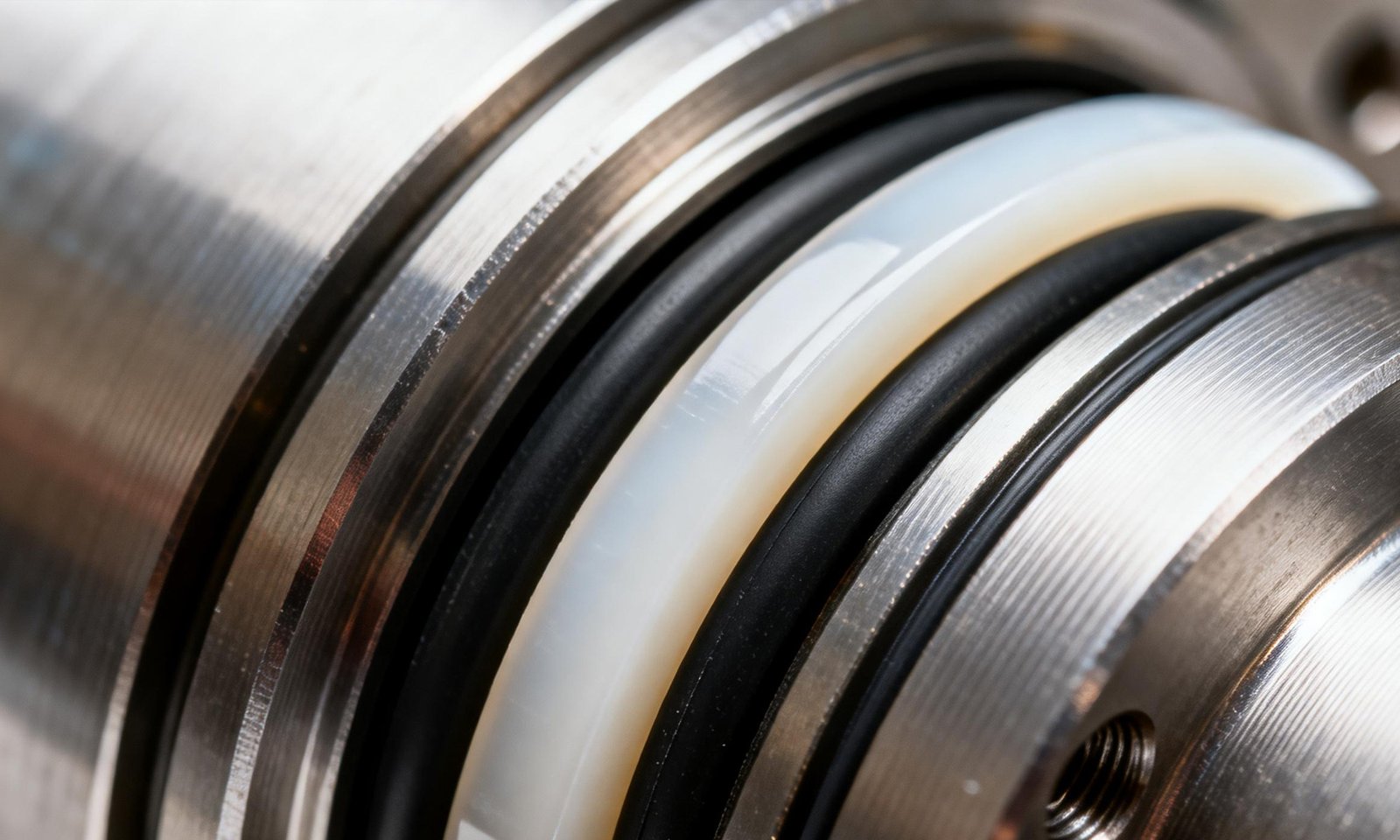
For unidirectional compression conditions, configure single-sided supports according to the actual direction of the pressure.
Send Operating Condition Confirmation →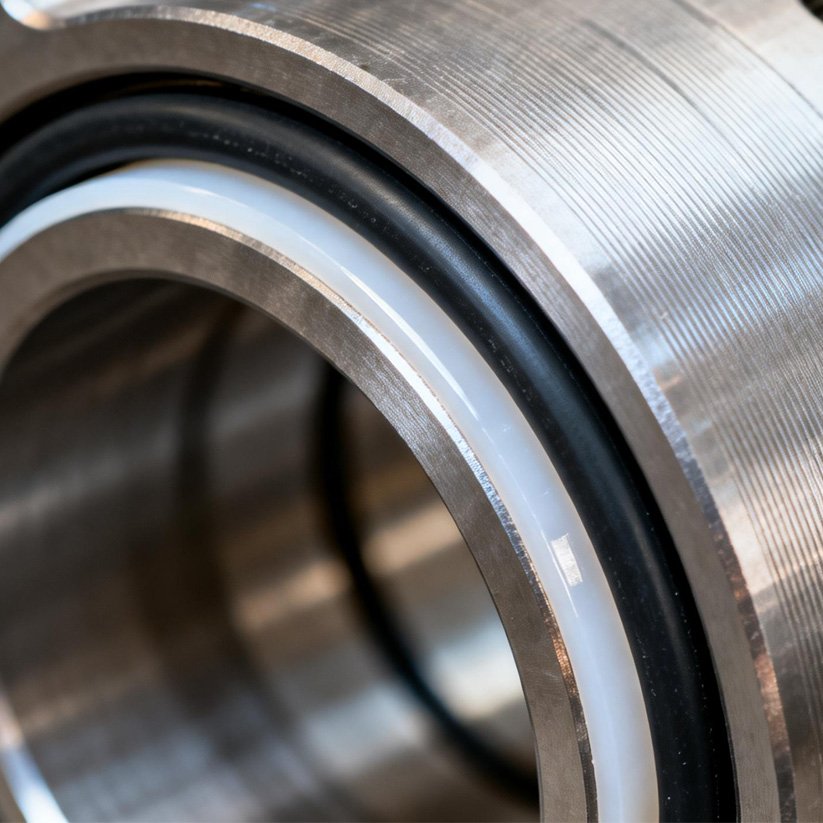
For bidirectional compression or pressure reversal conditions, install supports on both sides of the O-ring.
Confirm via screenshot →PTFE, filled PTFE, nylon, and POM—these four types.
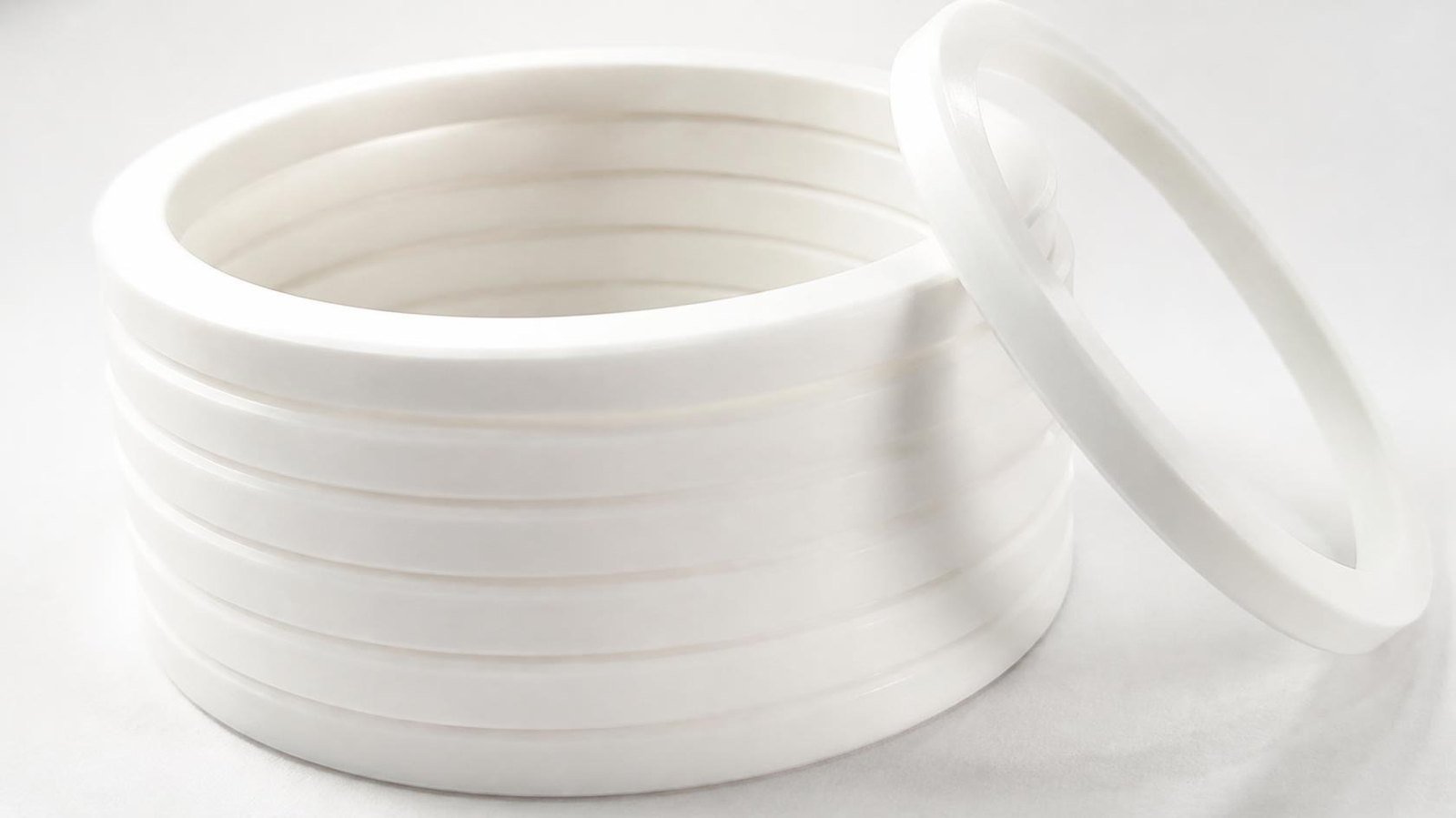
Excellent chemical resistance and low-friction performance, suitable for a wide range of media and temperature conditions
Chemical Resistance and Low Friction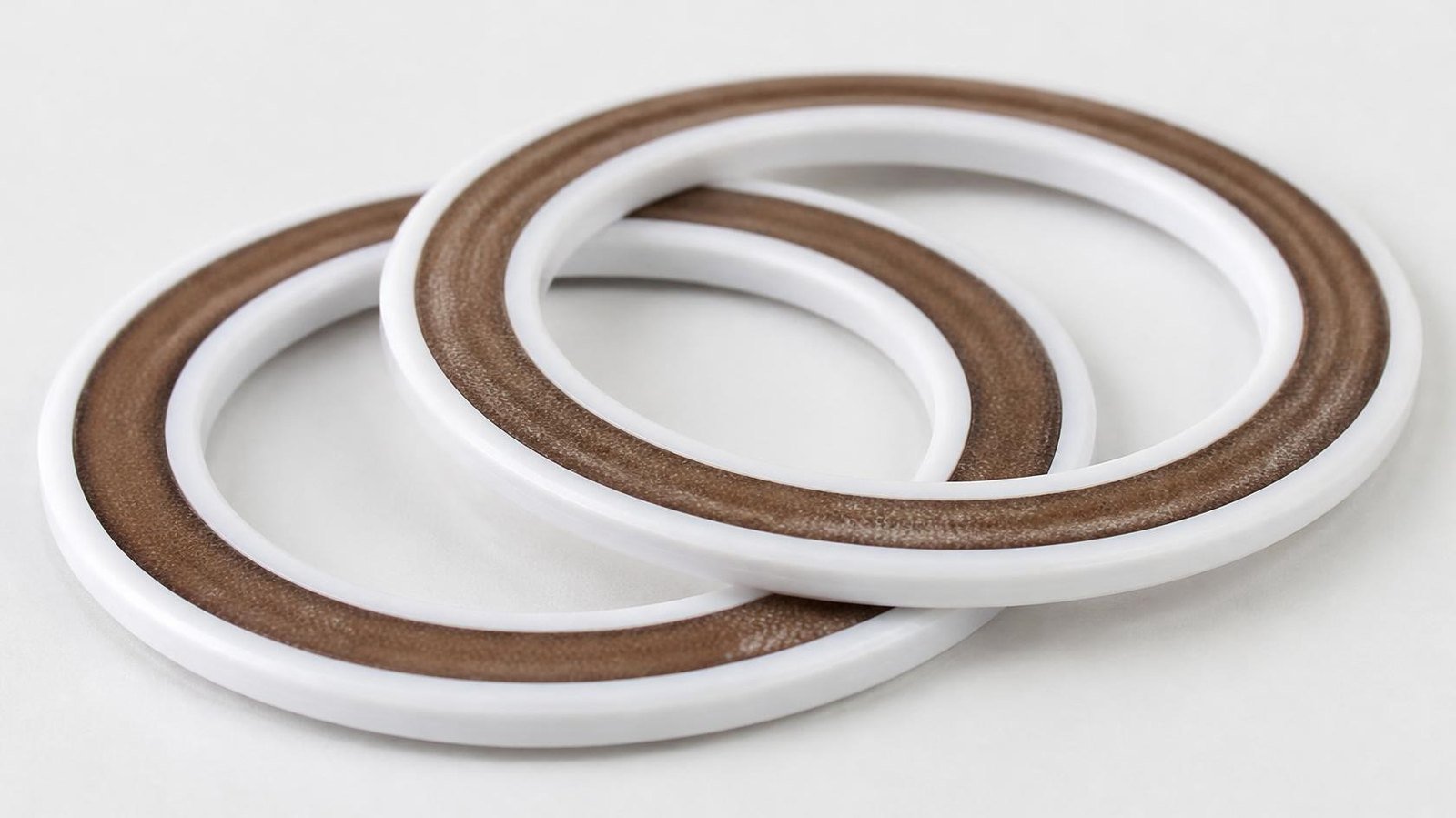
Improve wear resistance, creep resistance, or dimensional stability through the use of filler systems
Wear-Resistant and Creep-Resistant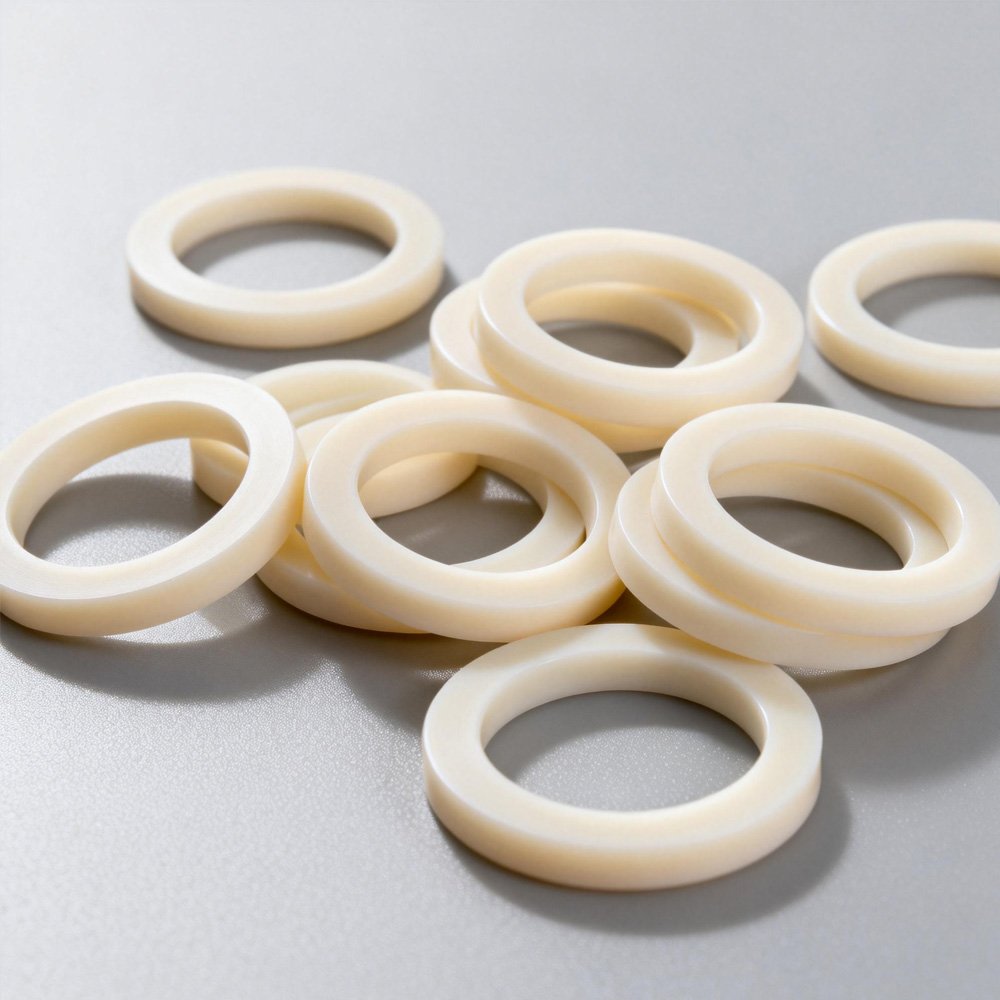
Excellent strength and wear resistance, suitable for high-pressure dynamic sealing applications
Strength and Wear Resistance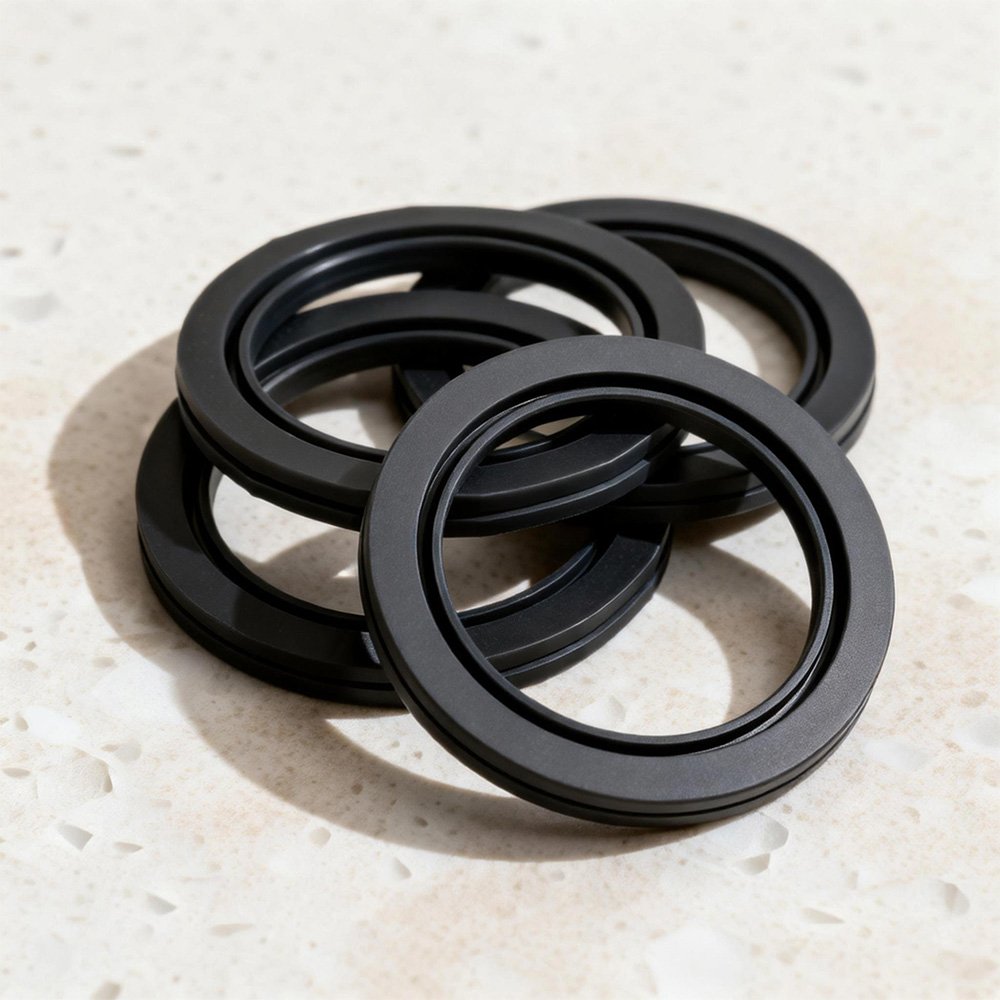
It offers excellent mechanical strength and machining stability, making it suitable for parts with specific dimensional accuracy requirements.
Processing StabilityThe actual applicable range must be determined on a case-by-case basis based on material, cross-section, fitting clearance, temperature, medium, and dynamic and static conditions.
The anti-extrusion solution is determined by a combination of temperature, medium, pressure cycles, clearance, and assembly method.
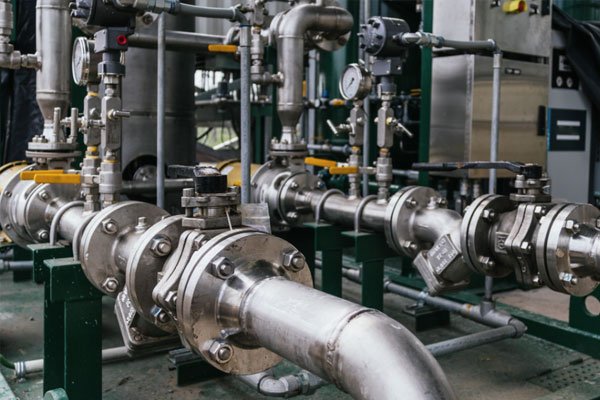
For high-temperature, high-pressure, and corrosive media, verify material compatibility and deformation under prolonged pressure.
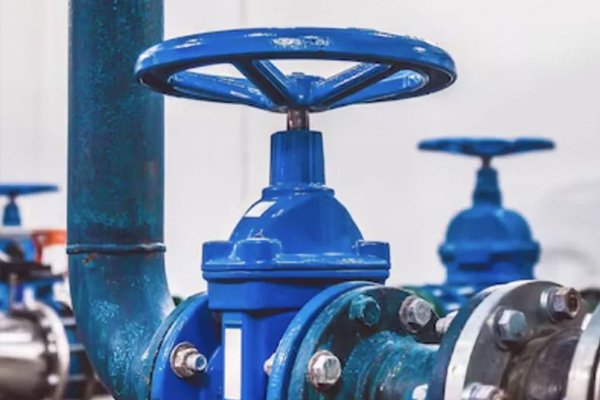
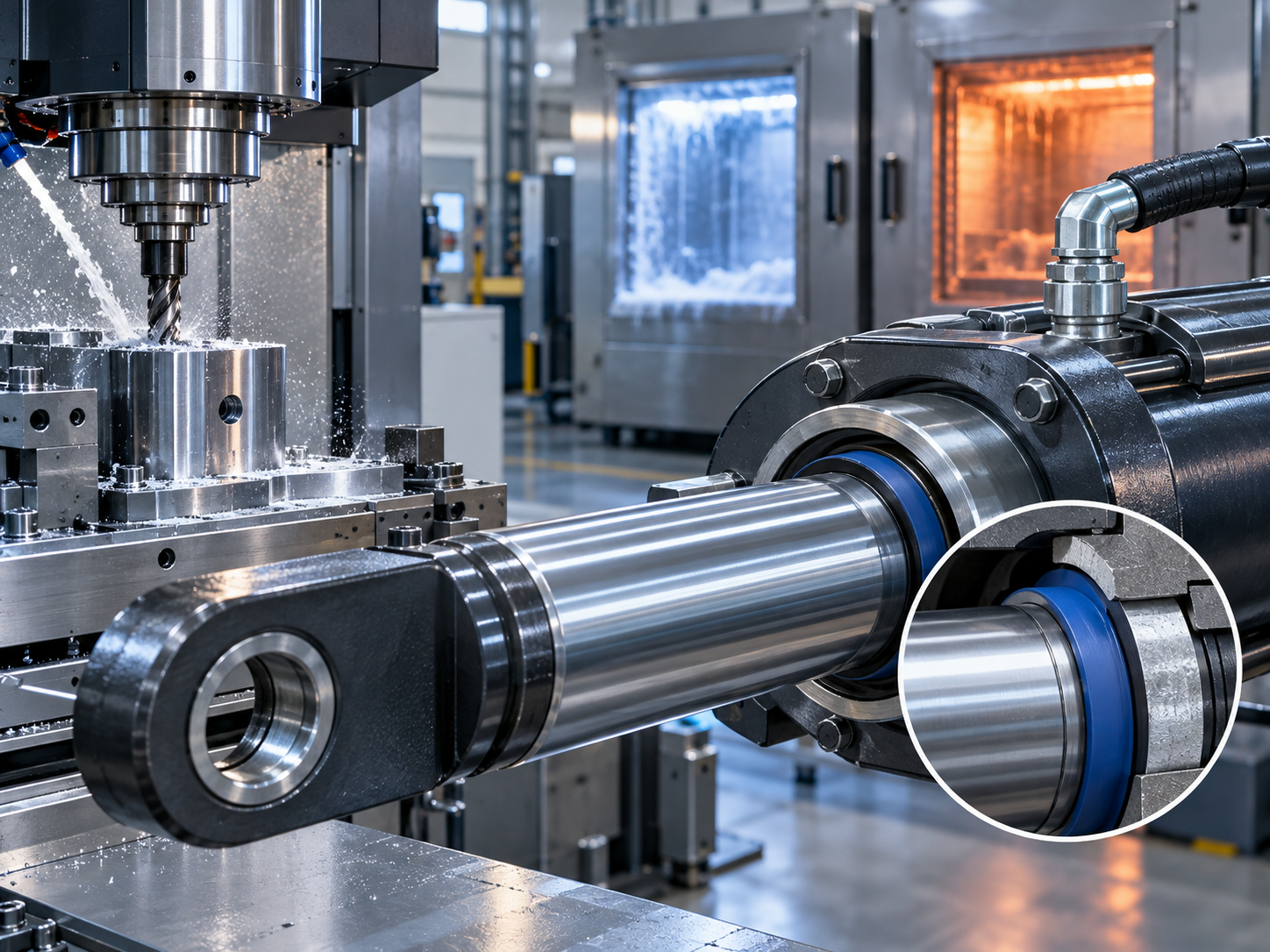
Verify structural support, friction, and dimensional stability under cyclic stress and temperature fluctuations.
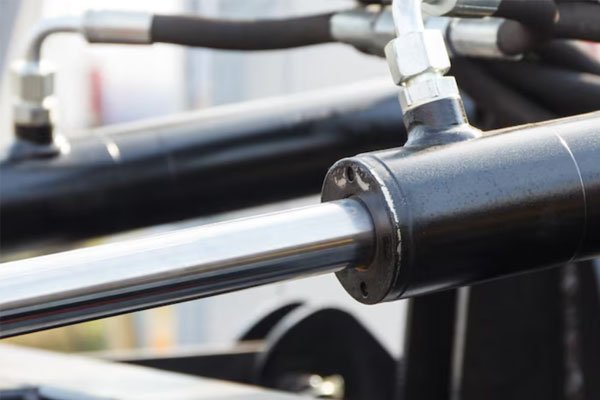
Hydraulic cylinders, clamping fixtures, and precision feed systems—the focus is on pressure maintenance and machining accuracy.
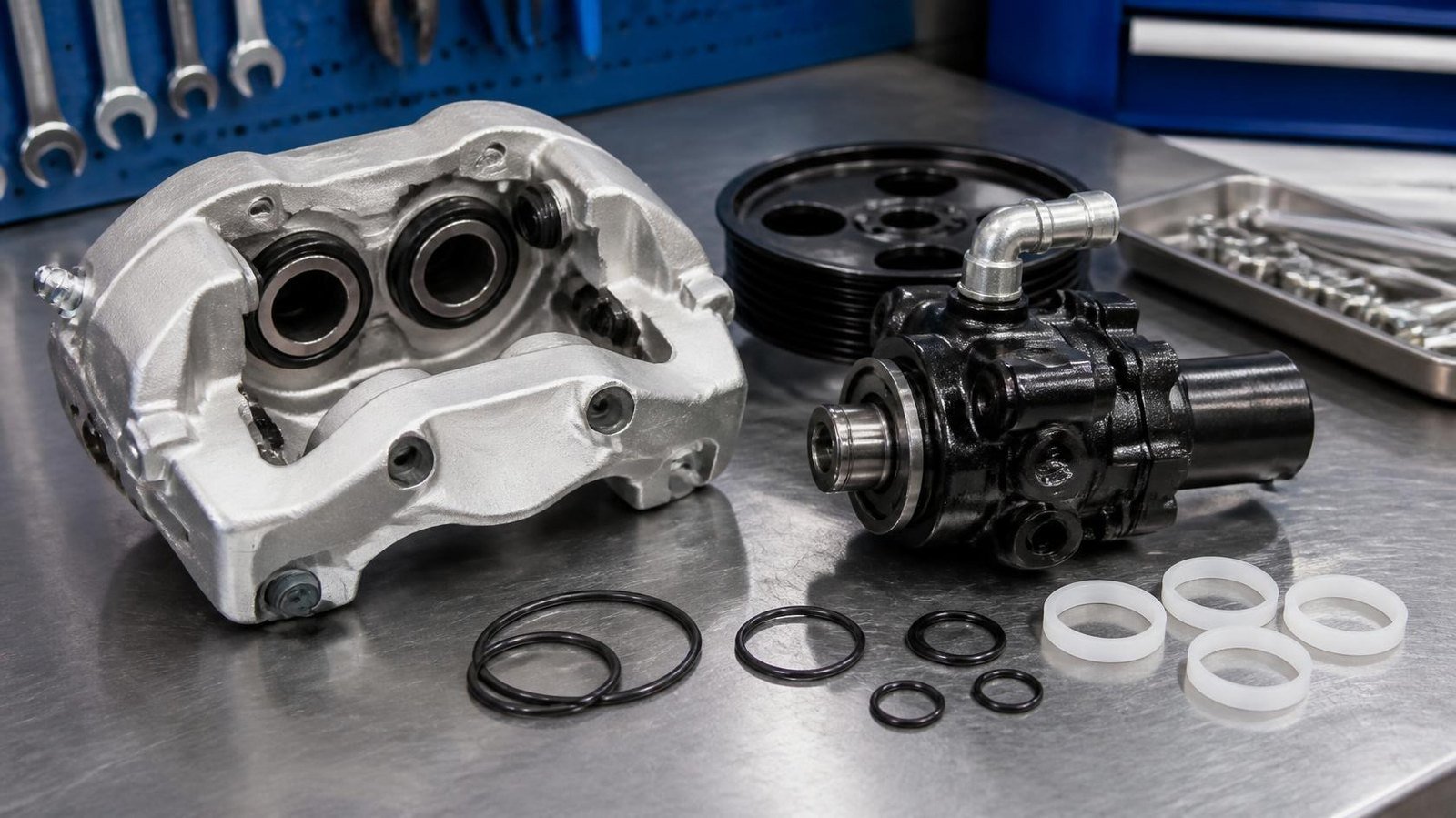
With frequent fluctuations in high pressure and temperature, the design balances wear resistance, dimensional stability, and maintenance intervals.

If there is significant dust, vibration, or off-center loading, check the grooves and clearance simultaneously.

Pneumatic and hydraulic drives and reciprocating mechanisms focus on ensuring stable operation and minimizing unplanned downtime.
Each batch of parts is accompanied by comparison results and documentation, so they can be accepted directly by the quality control department.
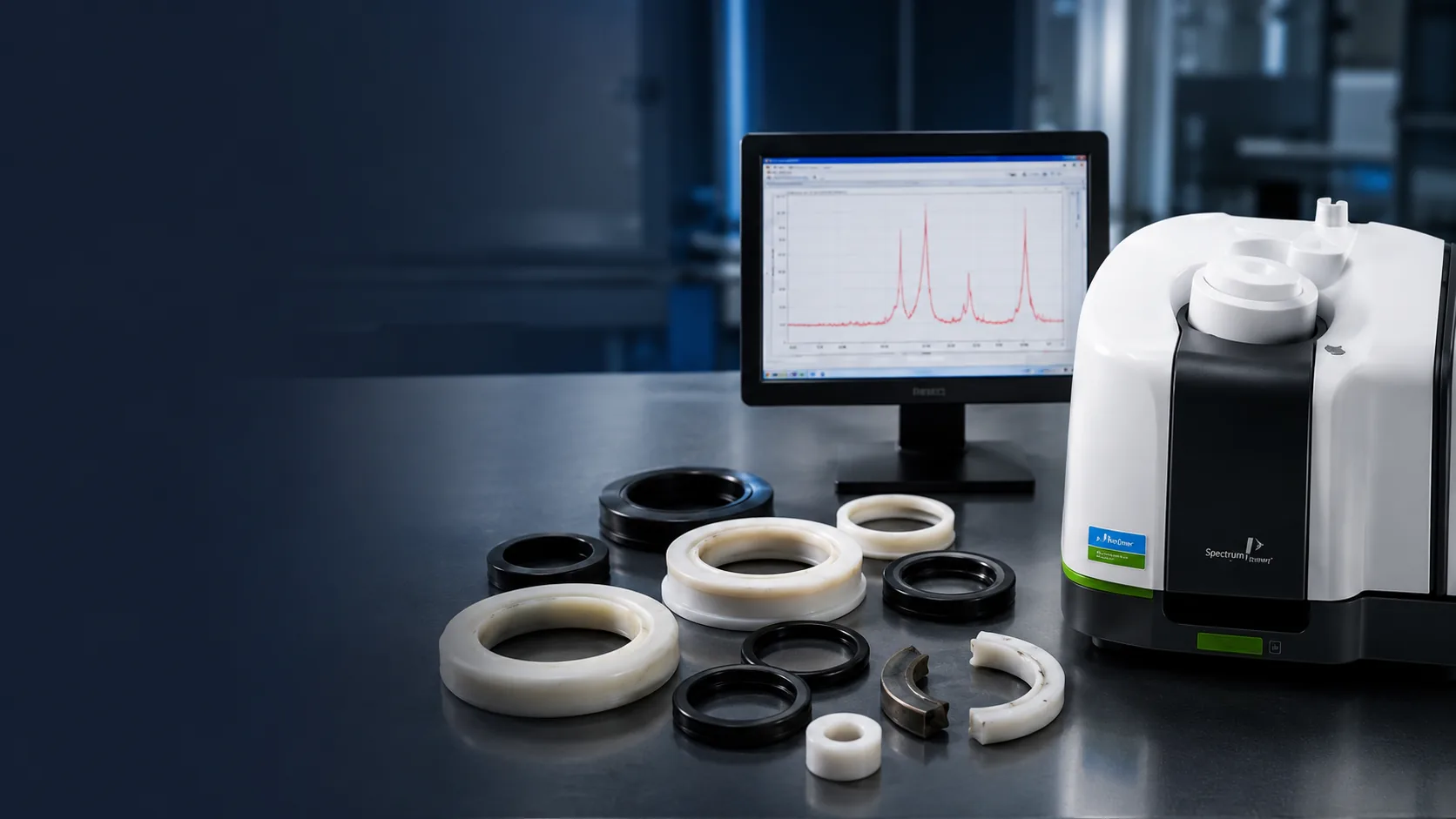 FTIR Material Comparison
We verified the feedstock material through spectral analysis, and it matched the specifications.
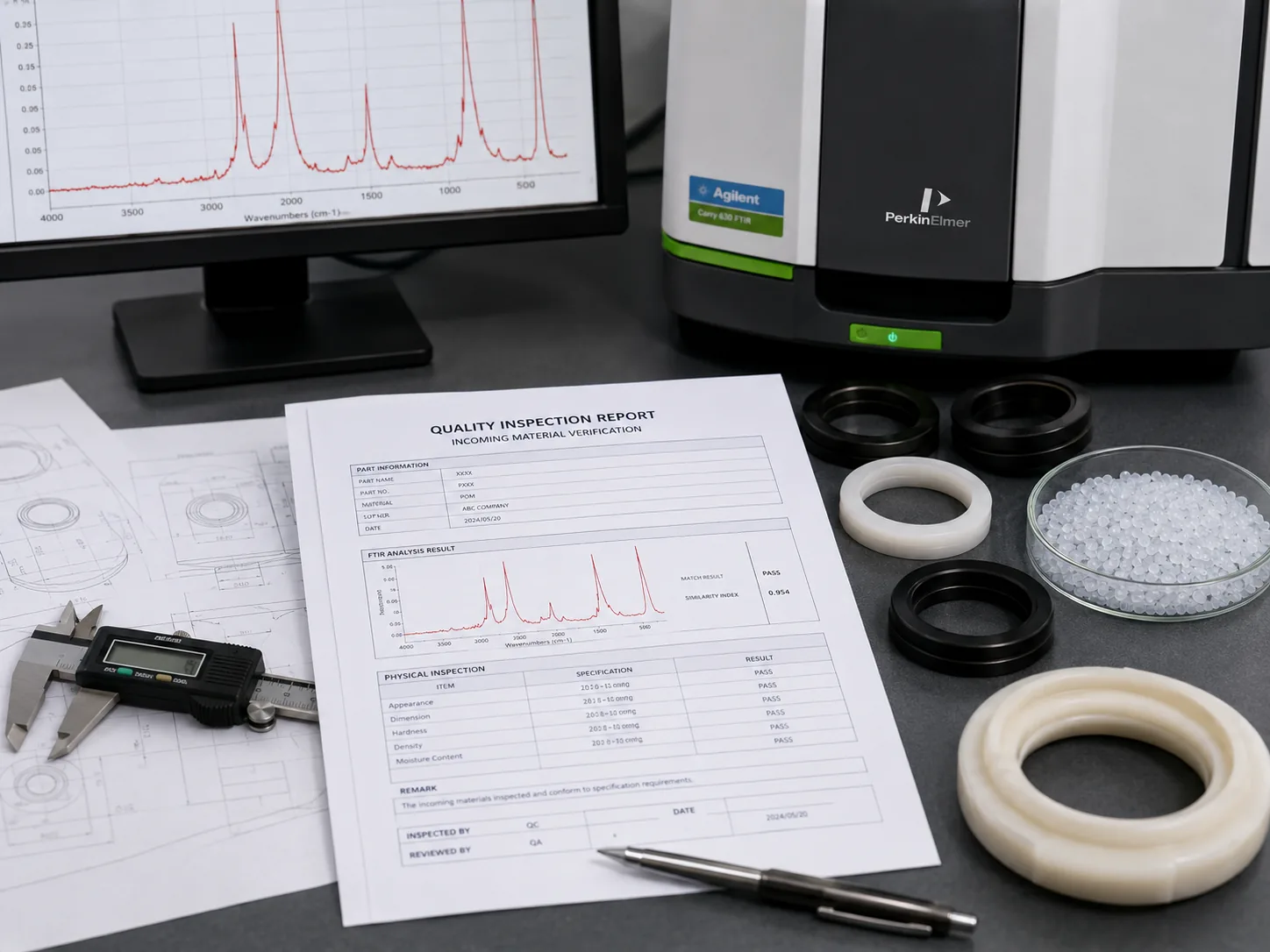 Test reports are traceable
The comparison results and inspection records are retained and can be provided upon request.
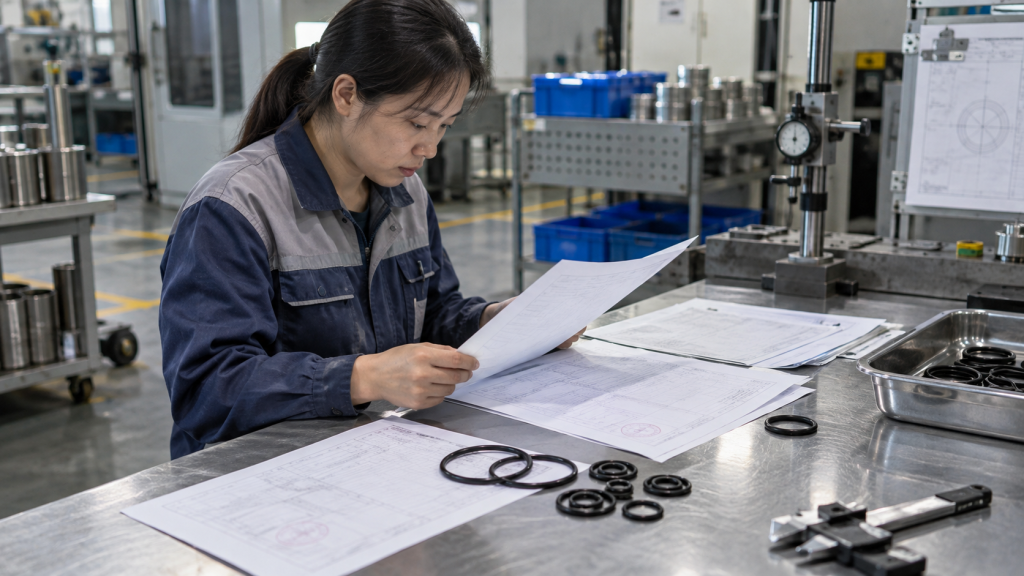 The documents are in order, and the specifications are ready for acceptance.
Material certification and compliance documentation are provided based on manufacturer or third-party documents, including requirements such as REACH, RoHS, FDA, COA, PFAS, and PFOS.
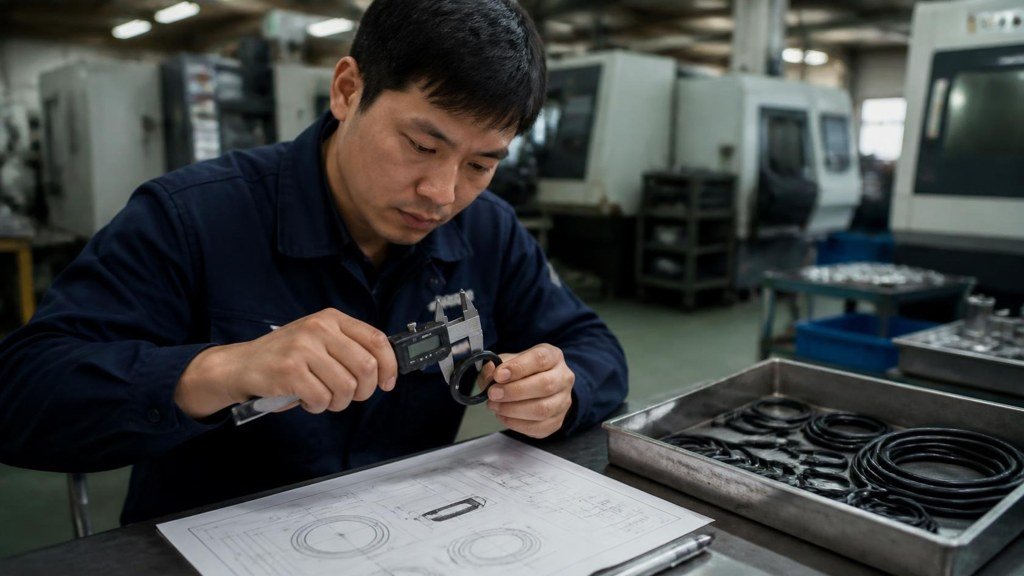
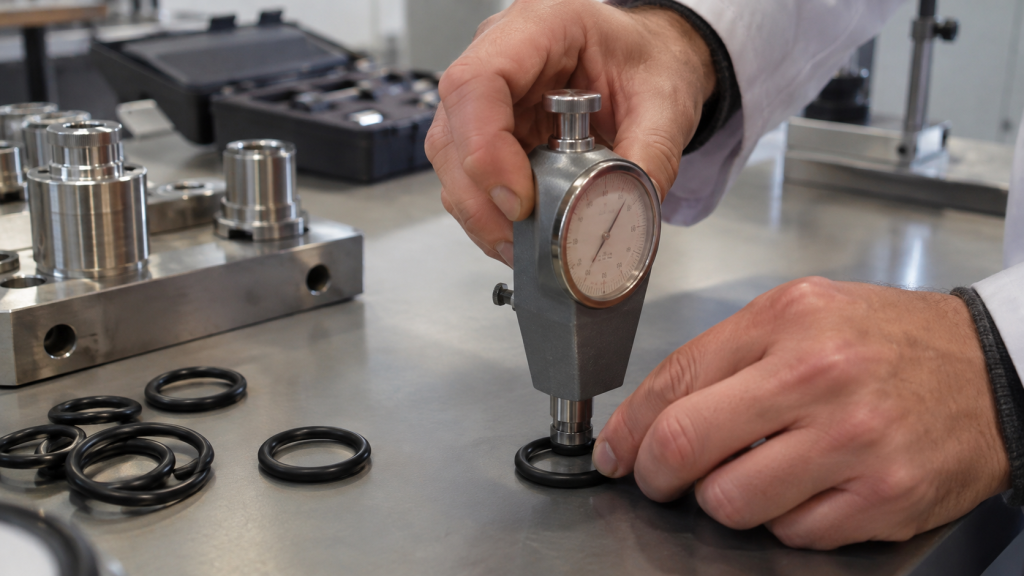 Simultaneous Verification of Dimensions and Appearance
Dimensions and appearance are checked on a batch-by-batch basis and match the drawings.
If the judgment is correct, the equipment will naturally run smoothly.
After reviewing the materials, dimensions, and actual operating conditions of the sealing components, proceed with the appropriate replacements and adjustments.
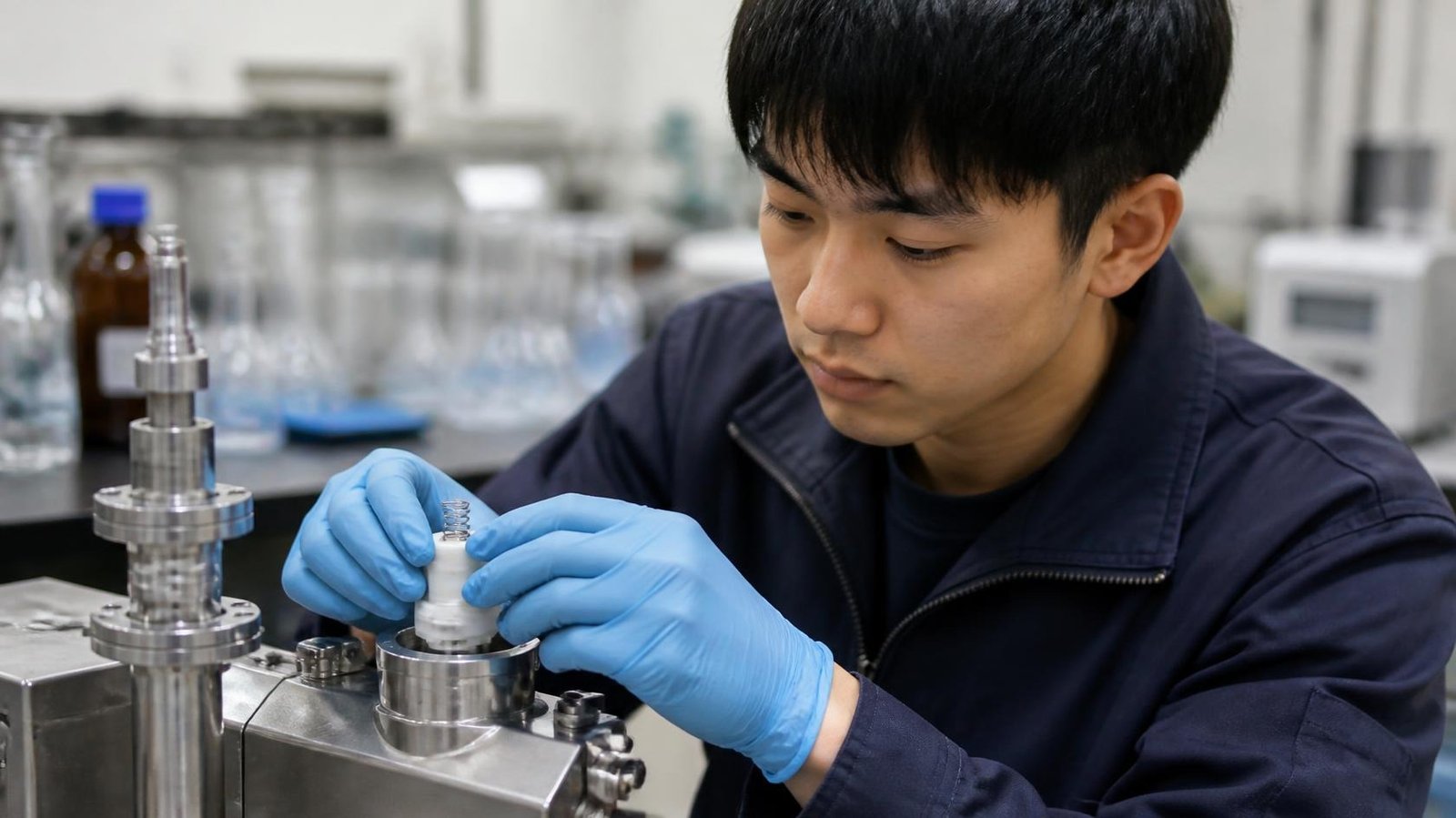
Chengxin will assist in selecting sealing components based on the operating conditions and provide the corresponding material documentation.
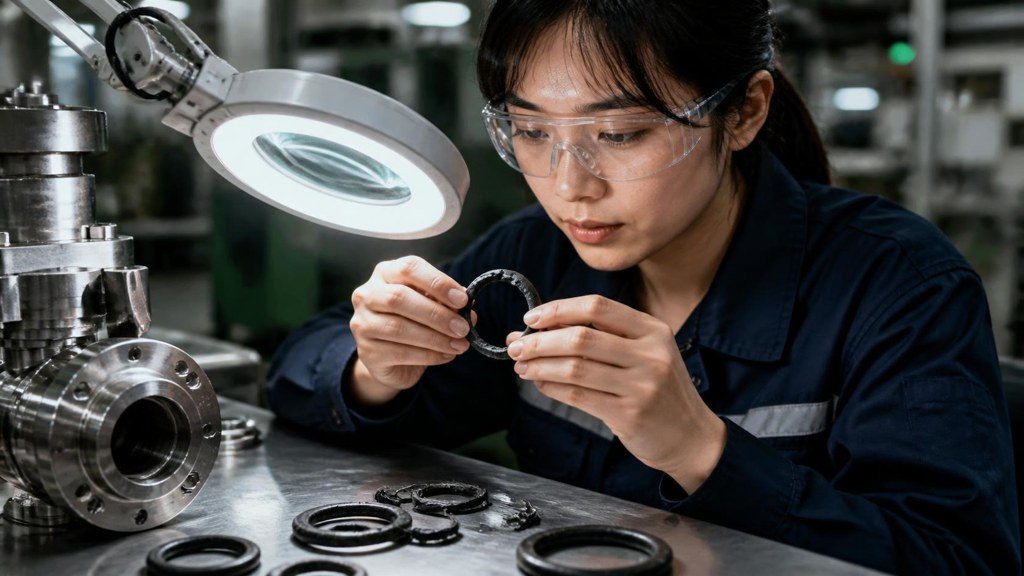
In light of high-temperature, high-pressure, and extended-operation conditions, we re-evaluate material compatibility, dimensions, and installation requirements to ensure that components truly meet the equipment’s needs.
Gradually refine the specifications based on photographs, old parts, drawings, and operating conditions to provide a consistent basis for procurement and maintenance.

First, examine the bite marks, cut edges, and extrusion direction on the O-ring to identify the direction of pressure and any issues with the clearance.
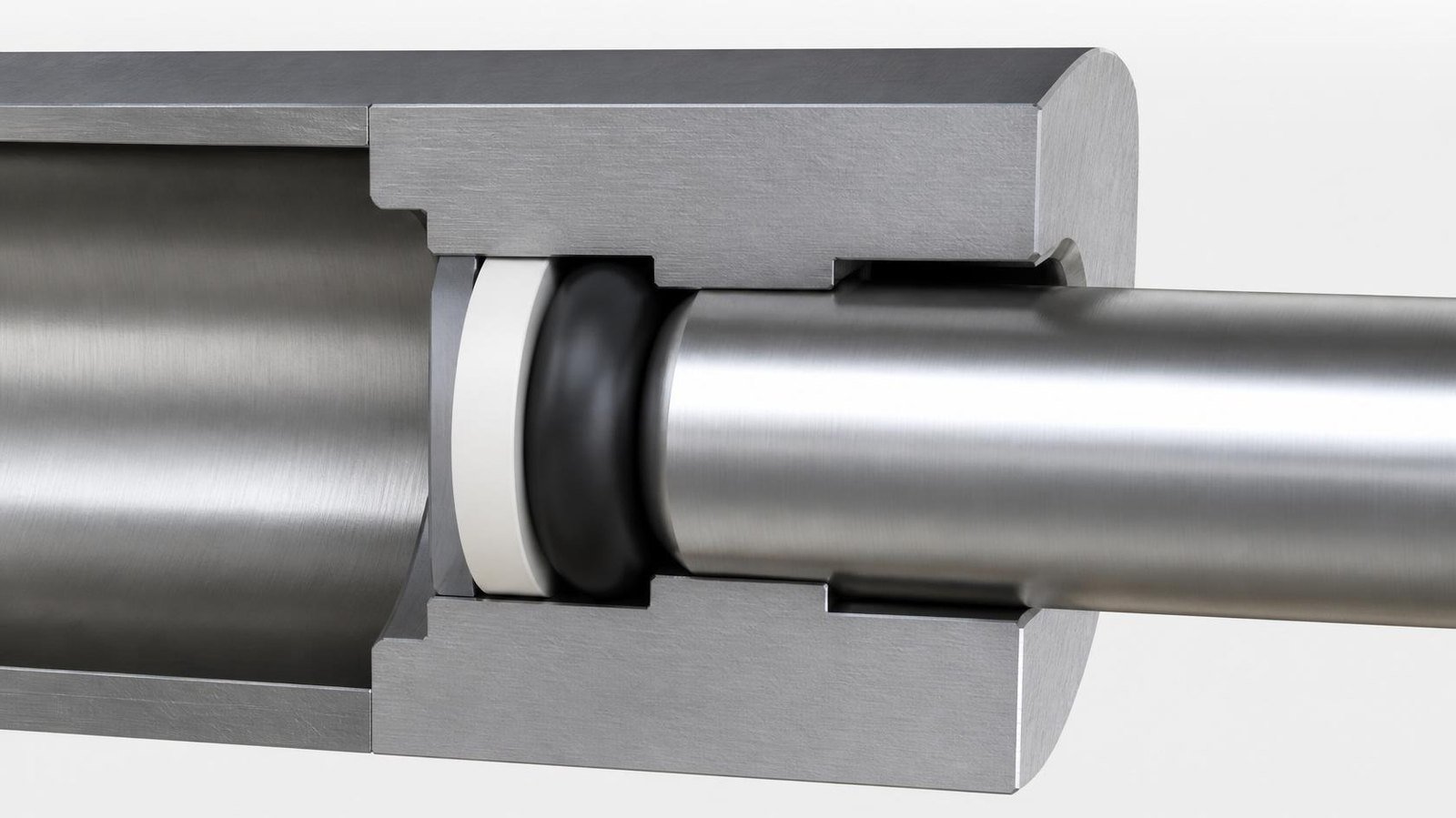
List dimensions, tolerances, pressure, temperature, media, and motion states in a single decision table.
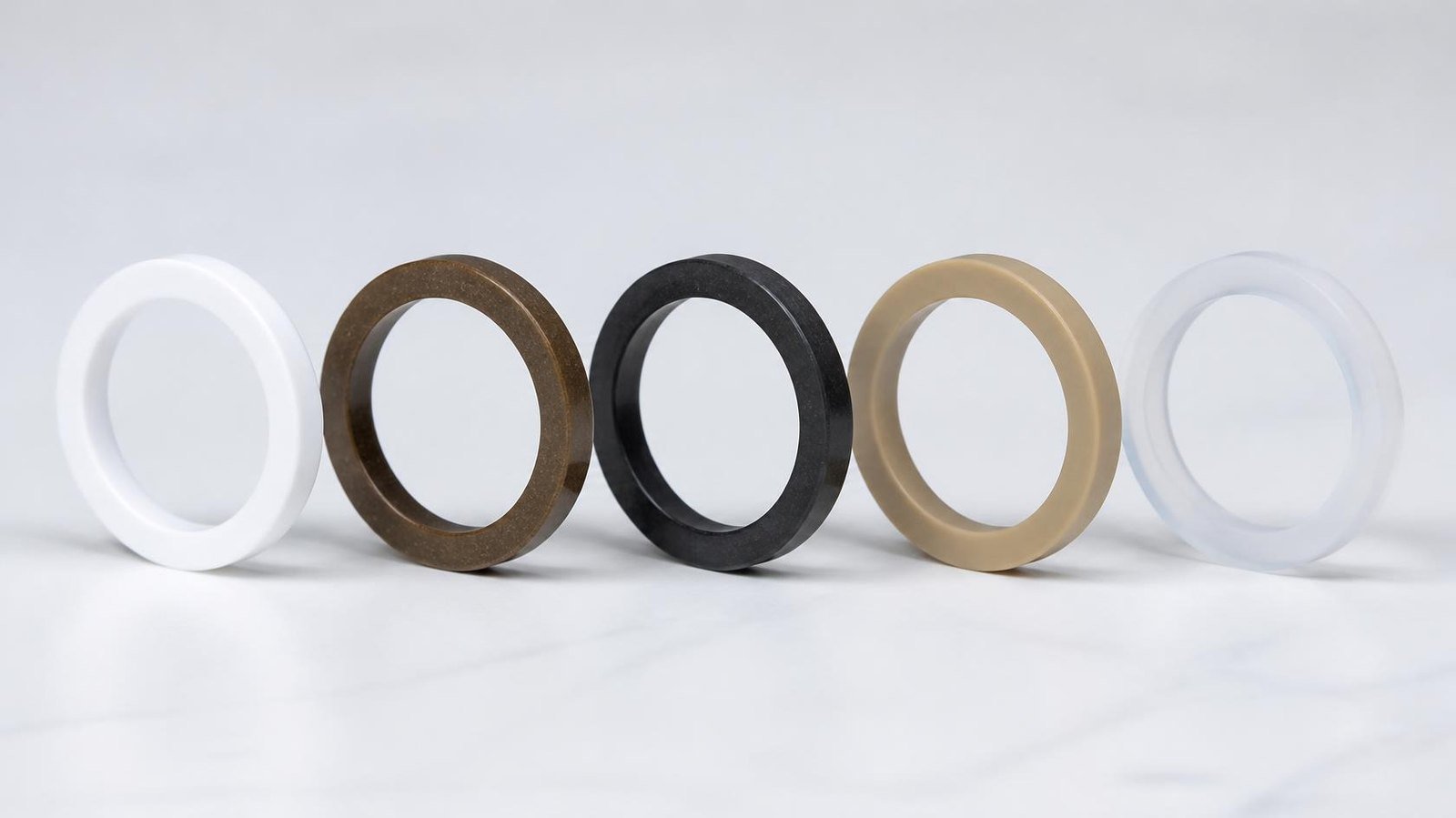
Confirm whether the part is single-sided or double-sided, open or full-ring, and the applicable orientation for PTFE, filled PTFE, nylon, or POM.
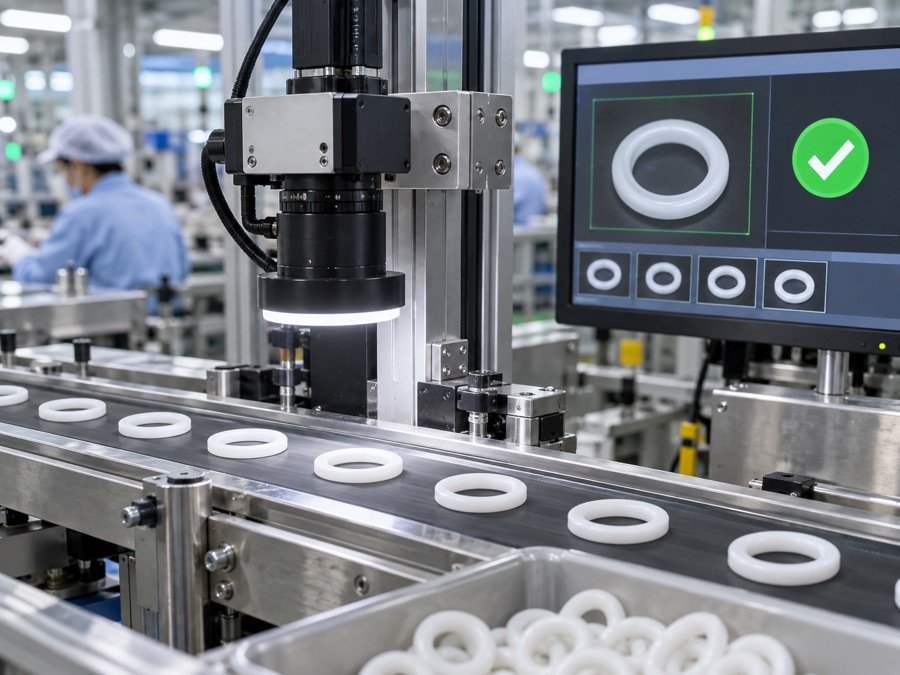
Compile the inner and outer diameters, thickness, quantity, machining tolerances, and documentation requirements into a version suitable for quoting and prototyping.
Starting with the photos, old items, or measurements you have on hand, Chengxin will help you gather everything you need for the repair.
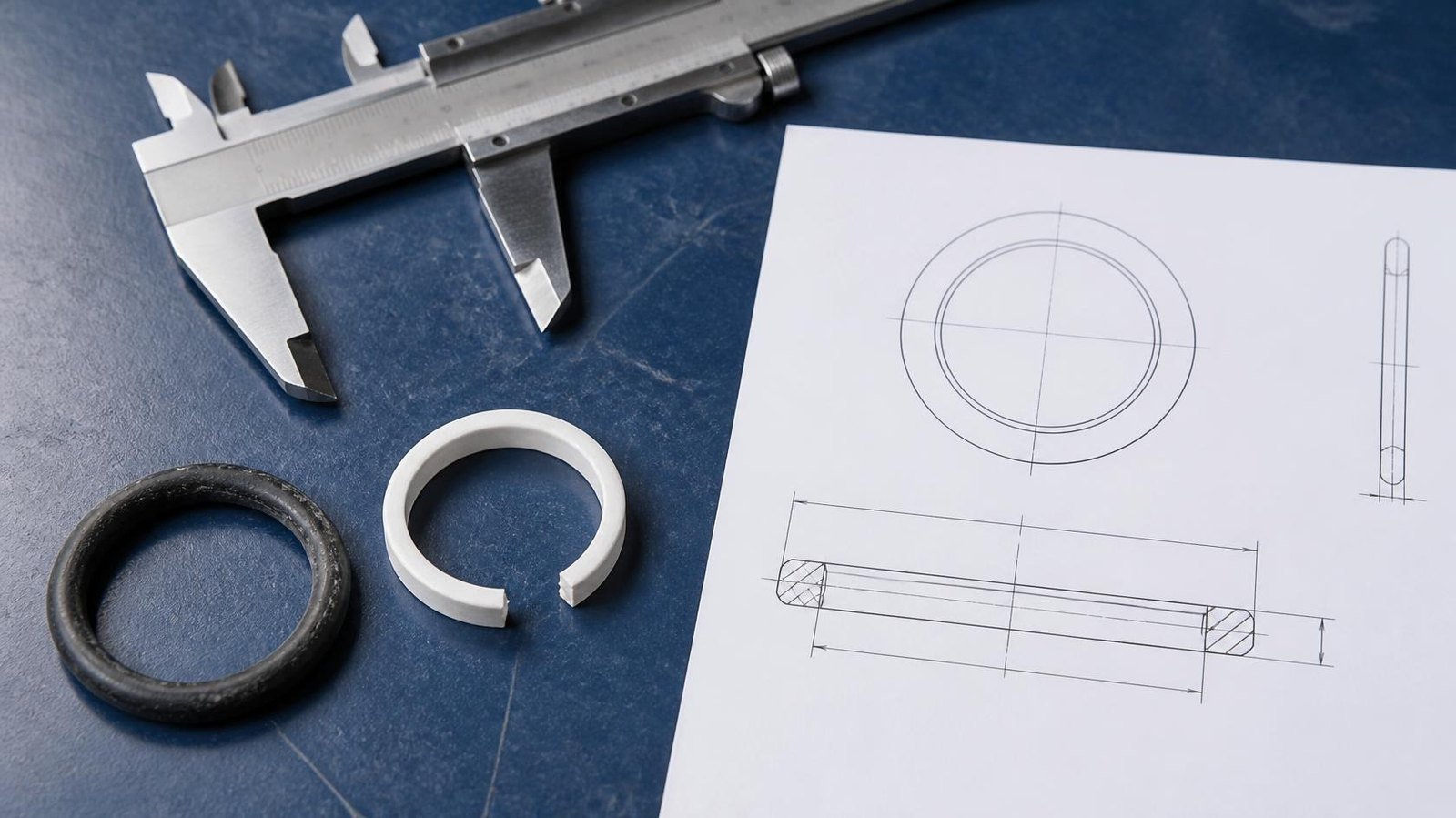
Take photos of the damaged area, the direction of extrusion, the grooves, and the equipment installation location.
Please provide the inner diameter, outer diameter, thickness, and groove dimensions, or send us your old part directly for evaluation.
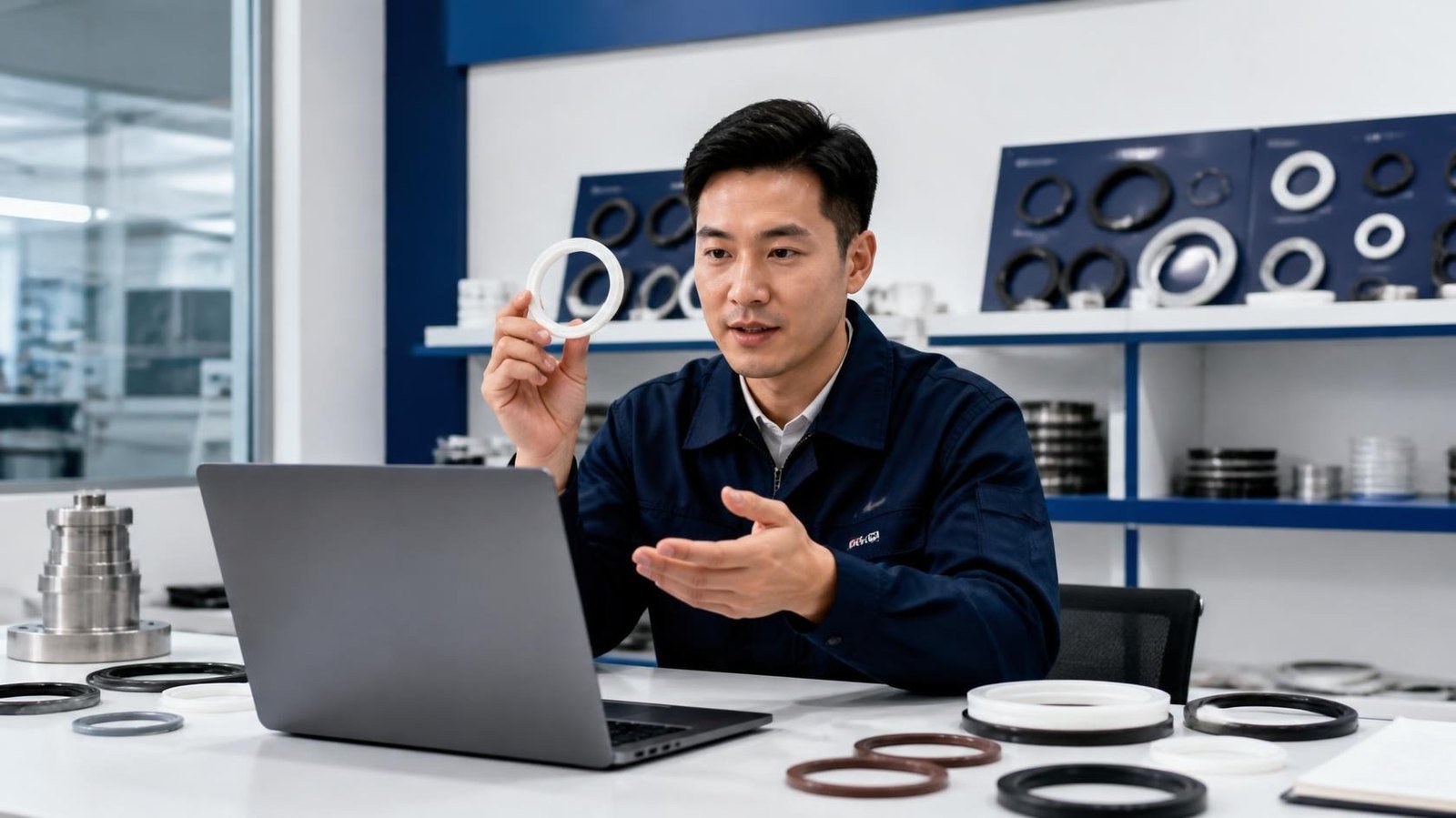
Pressure, temperature, medium, velocity, and dynamic or static operating conditions.
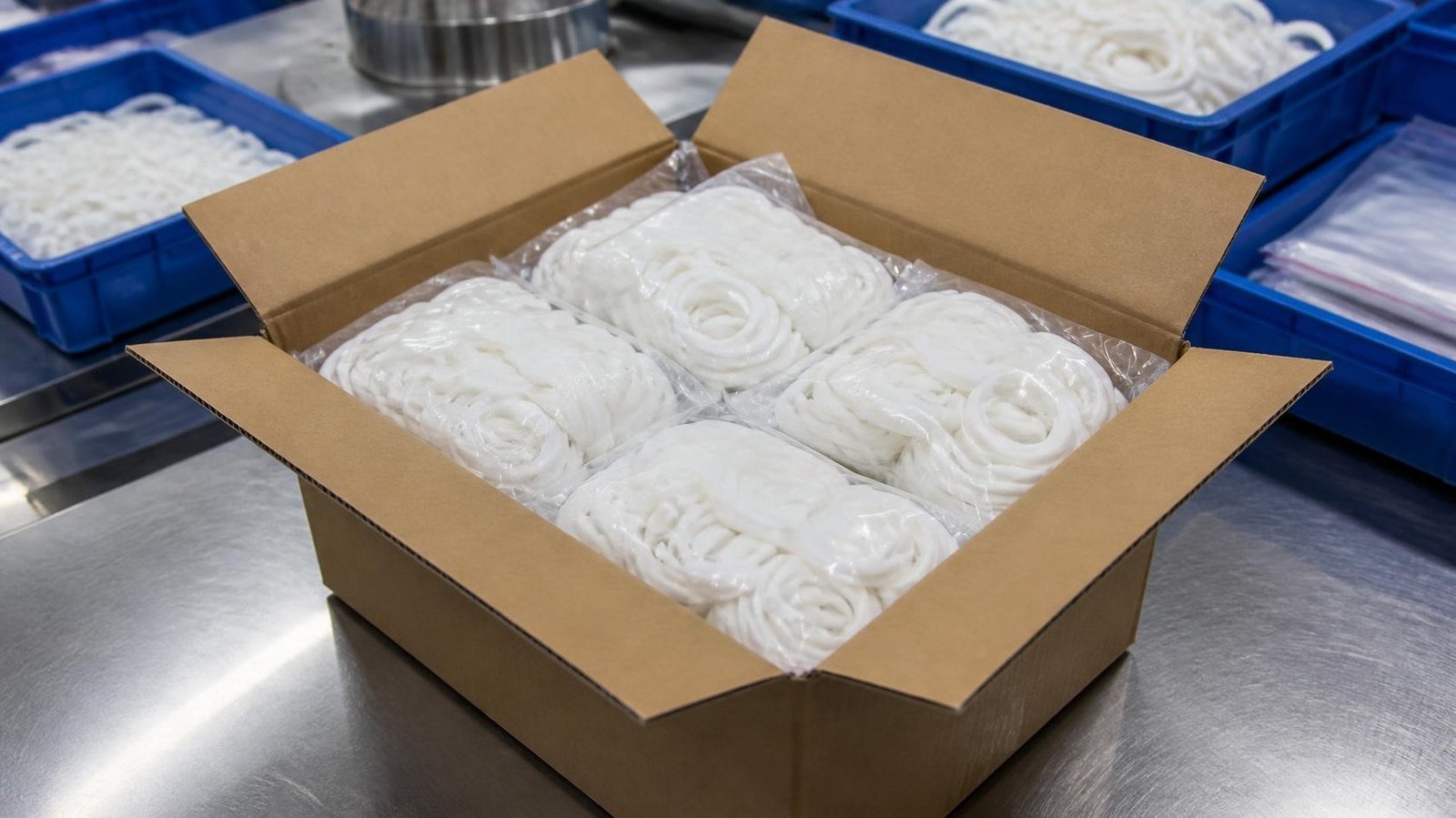
Quantity, desired timeline, sample or batch requirements, as well as material and quality documentation.
The O-ring provides the primary seal; the anti-extrusion ring provides structural support and reduces the risk of the O-ring being pushed into the clearance under high pressure, which could cause it to be cut or deformed.
For unidirectional compression, the support on the high-pressure side is typically evaluated first; when the pressure may reverse, the system operates bidirectionally, or operating conditions vary significantly, the configuration on both sides is further evaluated.
Sure. Please start by providing photos of the old part and its measurements; if necessary, send a sample. We can then determine the specifications based on the existing structure and failure conditions.
Each of the three materials has its own characteristics in terms of chemical resistance, friction, wear resistance, strength, temperature resistance, and dimensional stability; the appropriate material should be selected based on the working medium, pressure, and dynamic and static conditions.
Please provide the dimensions or a photo of the old part, along with the operating pressure, temperature, medium, application, and quantity, so we can begin our assessment; you may also specify any documentation and delivery schedule requirements at the same time.

Send us photos, drawings, dimensions, or information about the old part, and Chengxin will begin its assessment by evaluating the cause of failure, materials, structure, and manufacturing feasibility.