

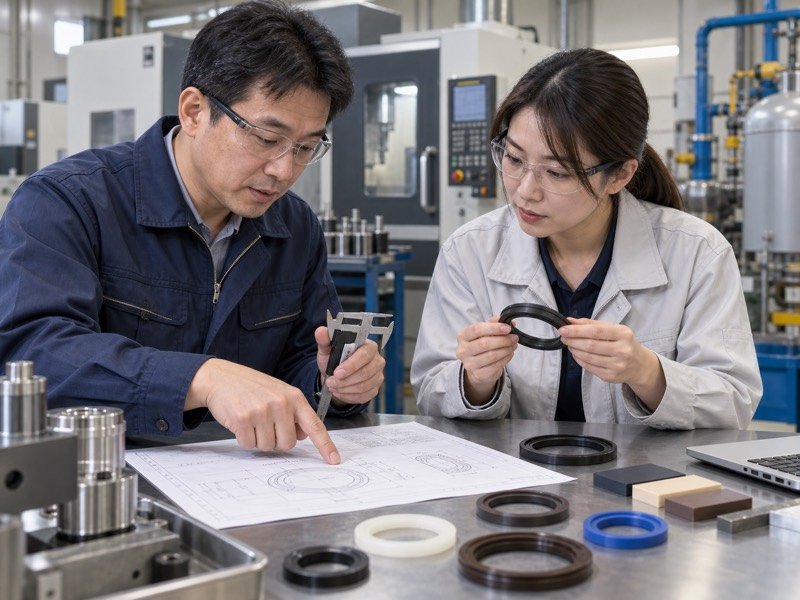
Materials, contact surfaces, and operating conditions,
We need to confirm this together to make sure it's accurate.
Based on its supply of sealing materials, custom machining according to drawings, and verification of part specifications, Chengxin assists in addressing issues related to valve seat ring leaks, wear, and replacement.
Send us your old parts, photos, dimensions, or drawings, and we’ll work with you to review the materials, sealing surfaces, and operating conditions, then organize the existing information into specifications suitable for material selection, machining, and delivery.
6 Major Advantages of Chengxin Valve Seat Rings
From the cause of failure to materials and dimensions, ensure that every replacement has a basis for comparison.
Identify the cause of the leak to make the replacement more targeted.
Compare the locations of leaks, scratches, wear, or deformation, along with the valve operation and the condition of the contact surfaces, to identify areas for improvement during replacement.
Material-to-application matching ensures a more reliable seal
Confirm the medium, temperature, pressure, and cleaning conditions, and then discuss the selection of metallic or non-metallic materials based on the raw materials and supplier specifications.
Checking Dimensional Tolerances for Smoother Assembly
Verify the outer diameter, inner diameter, thickness, and fit tolerances from the old part or drawings to ensure that the replacement specifications match the valve’s actual fit locations.
Custom sizes can be evaluated, offering greater flexibility for replacements
If standard parts do not fit, discuss the feasibility of manufacturing and the machining conditions based on the drawings, existing parts, and the required quantity.
When viewed together, the contact surfaces fit together more seamlessly.
Check the shape of the sealing surface, wear locations, thickness, and valve mating positions, and evaluate the parts' geometries in conjunction with the actual contact conditions.
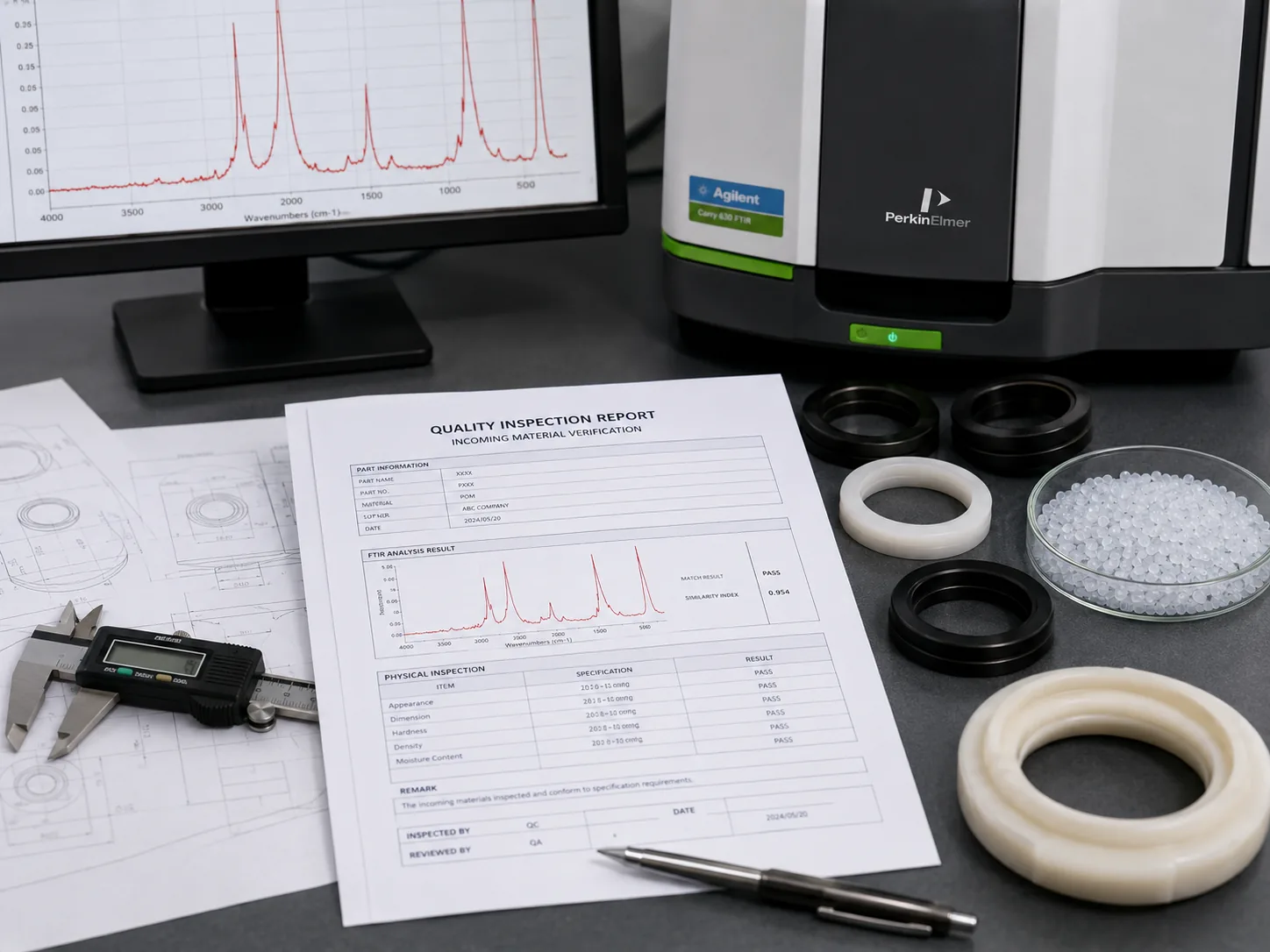
Organizing Specification Documents for Clearer Acceptance Inspections
Compile the material grades, dimensions, quantities, and required documentation; once the specifications are confirmed, follow up with a quote, delivery schedule, and delivery.
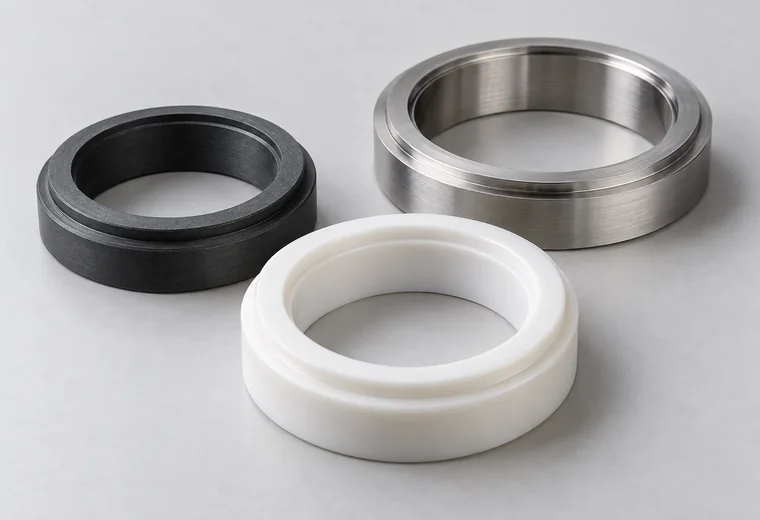
An annular component at the sealing contact point of a valve. Verify the external dimensions and fit dimensions against the existing part or drawing, then discuss the material and machining direction based on the medium, temperature, pressure, and wear conditions.
STEP 01|First, identify the valve seat ring type
Metal Valve Seat Ring
First, verify the contact surfaces, wear locations, fit dimensions, and raw materials; then, discuss the material selection based on the medium, temperature, and pressure.
Non-metallic valve seat ring
Provide information on the medium, temperature, pressure, and mating clearance to evaluate the suitability and deformation risk of materials such as PTFE.
Custom Sizes and Custom Machining Based on Drawings
If standard parts are not available, provide the old parts or drawings, along with the outer diameter, inner diameter, thickness, tolerances, and quantity, to first confirm machinability.
The image shows a schematic representation of the valve seat ring material and shape (generated by AI); the actual type, material, and dimensions should be confirmed based on the actual part or drawings. For material orientation, please refer to the comparison table below.
Organize all the product selection information at once
Old Parts and Drawings
Photos of the front and back sides, contact surfaces, and areas of wear; please also provide the outer diameter, inner diameter, thickness, tolerances, and material grade, if available.
Media and Operating Conditions
Valve type, medium in contact, normal and maximum temperatures and pressures, and start-up, shutdown, or cleaning cycles.
Quantity and Verification Requirements
Quantity required, delivery time, and documentation of materials, critical dimensional inspections, or test items.
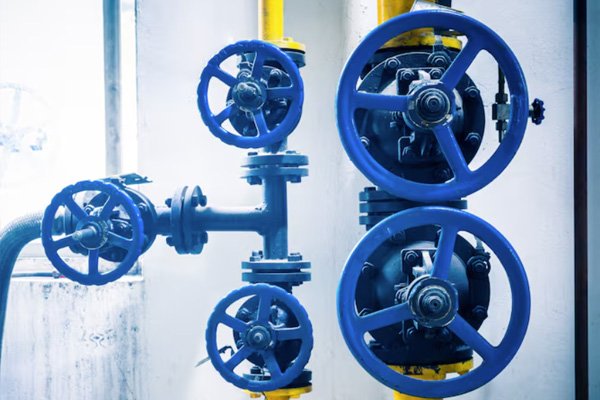
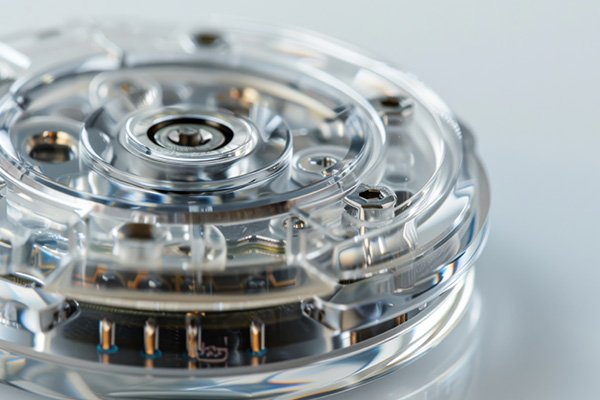
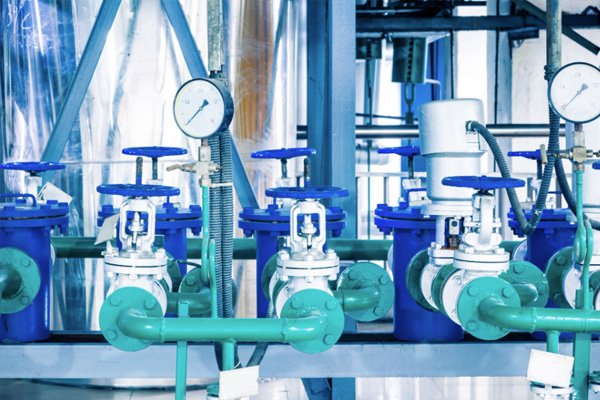




The materials and dimensions are based on specific criteria,
Better Delivery, Better Acceptance
Verify dimensions and contact surfaces by comparing them with existing parts and drawings, then confirm the documentation and inspection items based on the material source and order requirements. When material composition verification is required for engineering plastics, discuss the need for FTIR analysis and documentation at the same time.
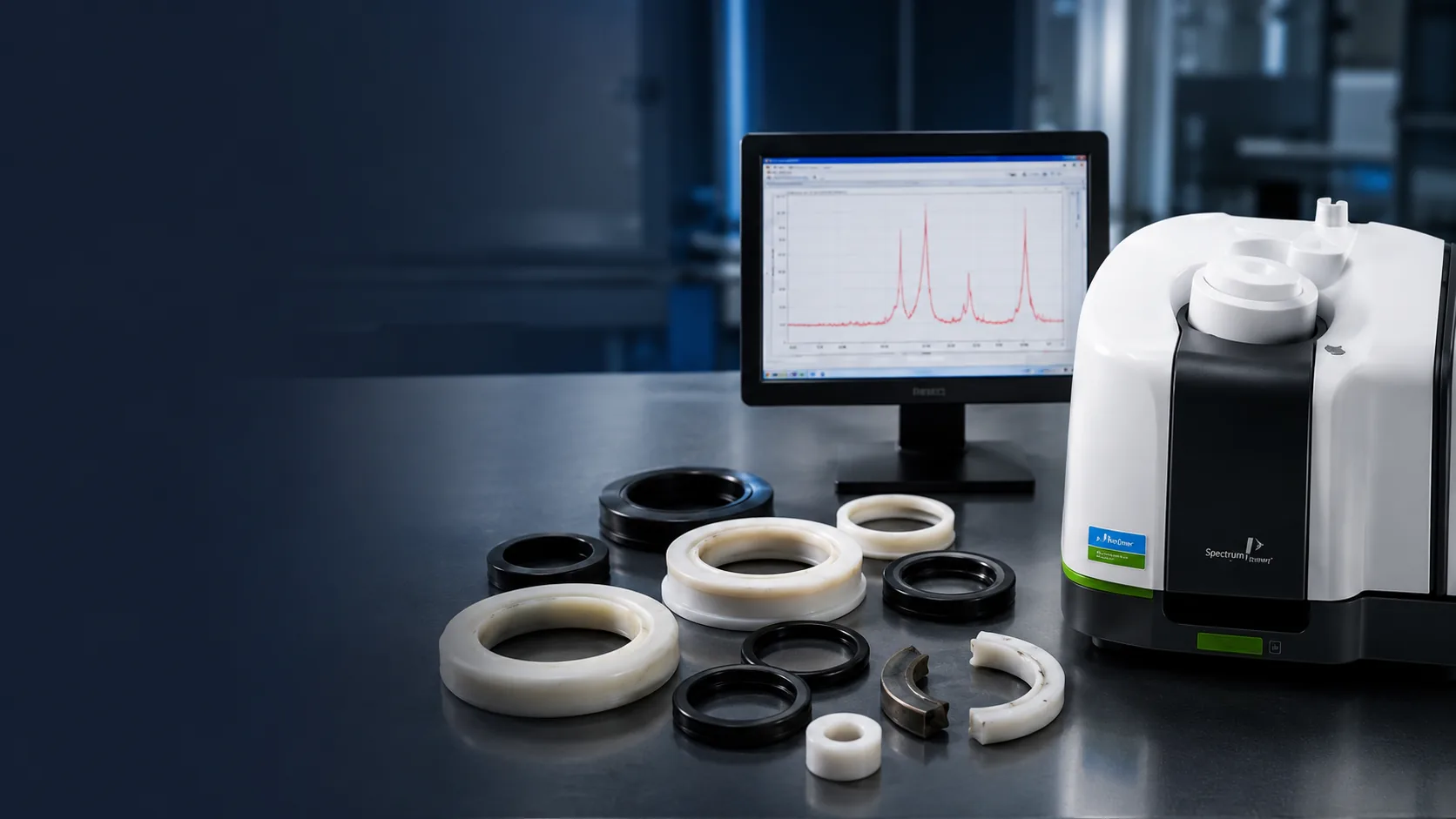
Check the drawings against the actual items
Verify the outer diameter, inner diameter, thickness, tolerances, contact surfaces, and wear locations to ensure that the same set of specifications is used for both machining and acceptance testing.
Review the materials and documents together
Verify the valve type, medium, temperature and pressure, raw materials, and supply specifications. Confirm material certificates and inspection data based on the actual source of materials, product type, and order requirements.
From the old unit to delivery, it’s easier to arrange a replacement
Provide Information
Please send photos, drawings, dimensions, and valve models of the old parts so we can first confirm the locations that need to be replaced.
Verify Operating Conditions
Compile data on the medium, temperature, pressure, and failure conditions to clarify the requirements for materials and contact surfaces.
Discussion on Materials
Discuss feasible replacement options based on operating conditions, existing materials, and supplier specifications.
Confirm Processing
Verify the tolerances, quantities, and machining conditions, and then confirm the quote and delivery date.
Arrange Delivery
Once the specifications are confirmed, we will arrange for production and delivery. Any subsequent issues can be discussed further based on actual usage.
Common Issues with Valve Seat Rings
I only have the old part or a photo, but no complete drawings. Can I ask for help?
Please start by sending photos of both sides of the old part, as well as its contact surfaces and worn areas, along with any known dimensions and the valve type; then, verify the dimensions and tolerances that still need to be measured.
How to Choose Between Metal and Non-Metal Valve Seat Rings?
First, confirm the valve design, medium, temperature, pressure, and wear conditions; then discuss the matter based on the original specifications and material supply terms. The material designation alone is not sufficient to determine suitability.
If a part has special dimensions or is an older, discontinued model, can it be manufactured according to the drawings?
Please provide drawings or the dimensions of existing parts, along with your material requirements and quantities. We will first confirm the feasibility of machining, as well as the contact surfaces and fitting tolerances, before discussing pricing and delivery times.
If documentation or measurement data is required, what should be provided first?
When making an inquiry, please specify the material grade, required documentation, inspection items, and batch requirements. The scope and methods we can provide will be determined based on the actual material source, product type, and order confirmation.
How do I confirm the quote and delivery date?
Please provide the old part or drawings, material specifications, required quantity, and delivery location. We will first verify the dimensions, tolerances, material availability, and machining conditions, and then discuss the quote and delivery schedule based on the confirmed specifications.
Send me the data,
Go directly to the next step
Old parts, photos, dimensions, or drawings are all acceptable. Please include the valve type, medium, temperature, and pressure, and Chengxun will help verify the materials, contact surfaces, and machining direction to facilitate better planning for replacement and supply.